How to rent a car in Albania: a practical guide
Renting a car in Albania in 2026: prices, deposits, CDW and excess, the pickup checklist, the scams to avoid, and taking the car across a border.
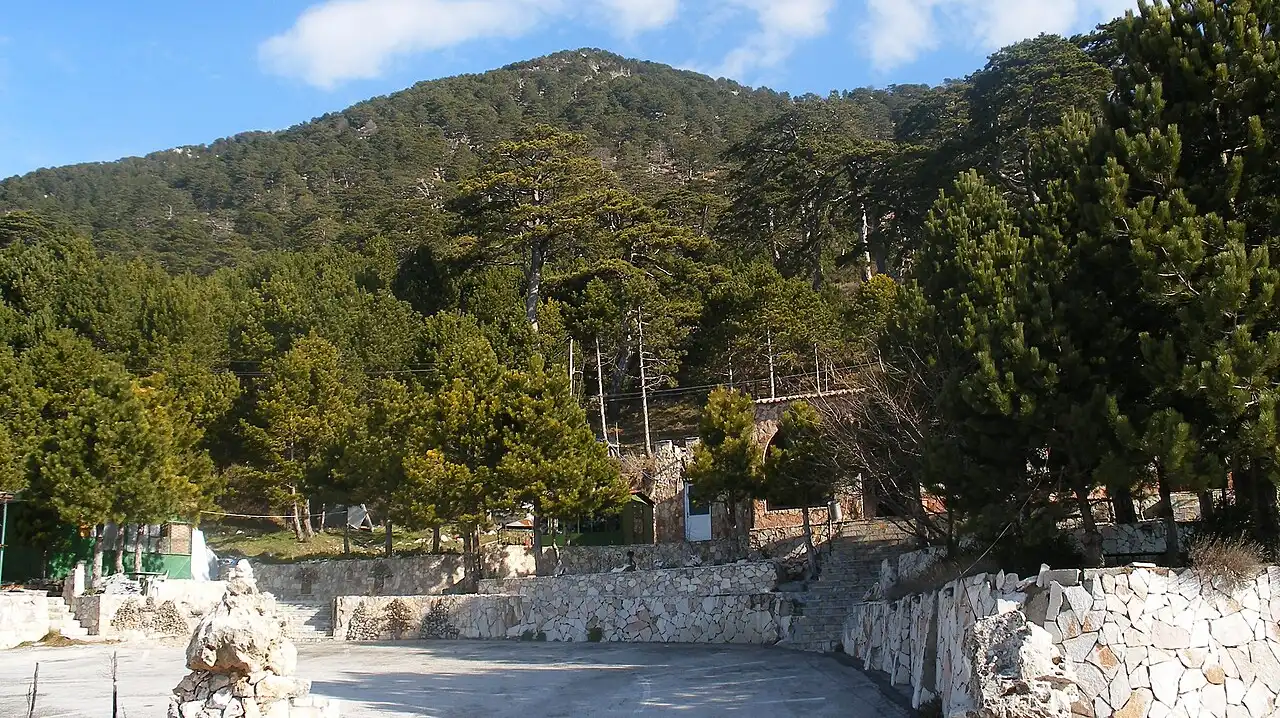
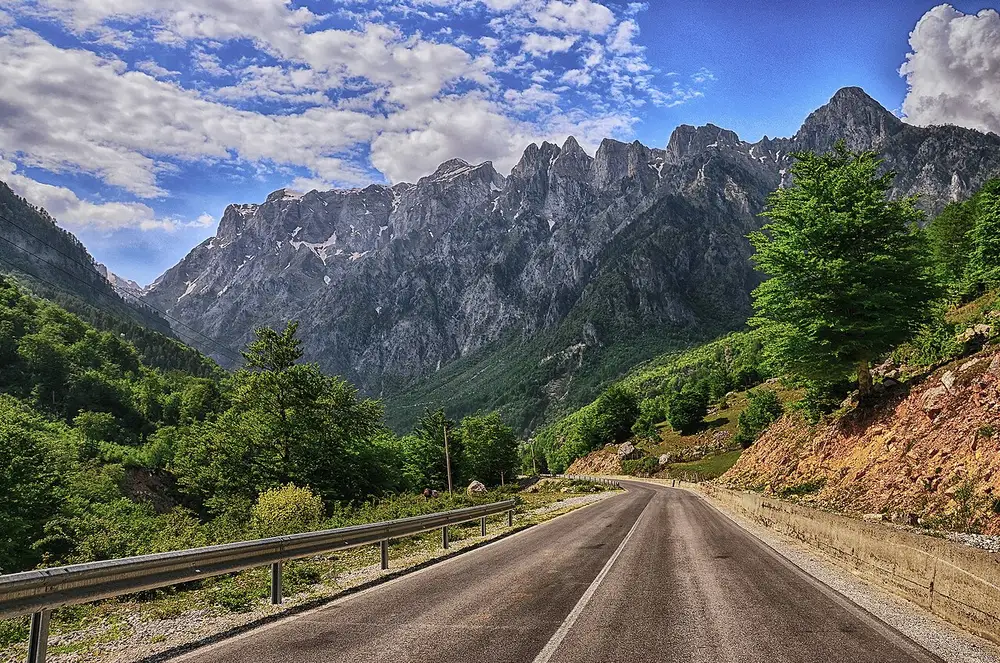
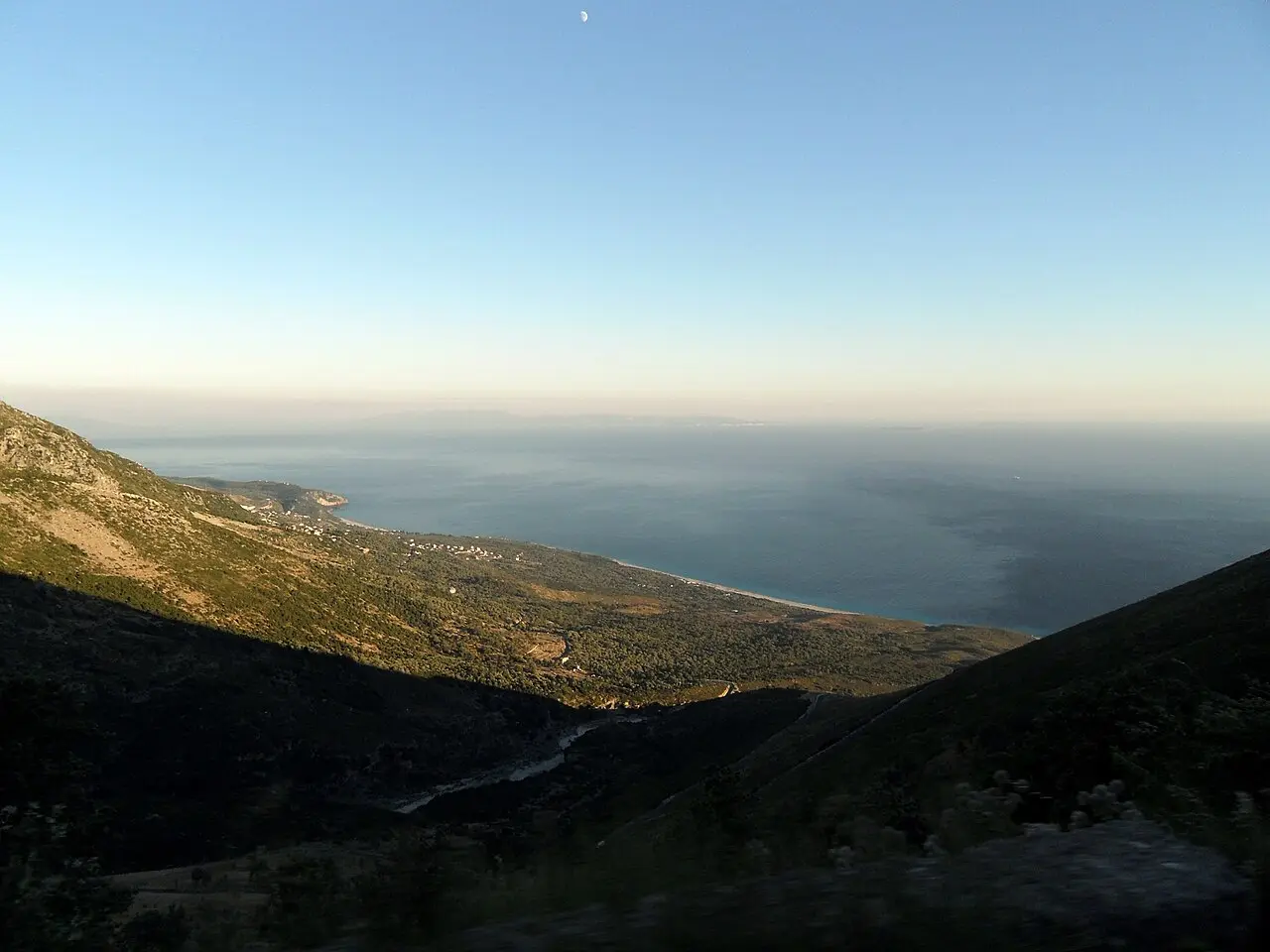
A rental car is the key that unlocks Albania. The famous corridors work fine by bus, but the places people actually come for, the Accursed Mountains above Theth and Valbona and the beach villages strung along the Riviera, sit at the end of roads that public transport barely serves. This guide covers what a car really costs in 2026, the deposit and insurance you’ll be offered, how to check the car over at pickup, the scams worth knowing, and how to take it across a border. Picking up on the Riviera instead? Car rental in Saranda covers what the desks there actually charge and the Greece run.
Why a car makes sense in Albania
Albania has effectively no passenger rail network, so the backbone of getting around is the road. On the main routes, Tirana to Shkoder in the north or south to Vlora, Saranda and inland to Korce, comfortable buses and shared minibuses run often enough that you don’t strictly need your own wheels. For that kind of point-to-point travel, public transport is genuinely fine, and our getting around Albania overview covers the options.
The picture changes the moment you leave those corridors. Albania’s intercity workhorse is the furgon, a shared minibus that leaves when it fills up rather than to a timetable. That’s workable between towns, but for the dispersed villages of the Riviera or the trailheads in the Alps, furgon connections thin out or vanish. A car, or a hired private driver, turns a half-day logistical puzzle into a simple drive. This is exactly the case for trips like the ones in our routes section, where the best stops rarely line up with a bus stop.
What it costs in 2026
Albania is one of the cheapest places in Europe to hire a car, but the headline rate and the price you actually pay can be a long way apart. As a rough guide for 2026, a small economy car (a VW Polo, a Fiat Panda or similar) runs about 15 to 25 euros a day out of season and 45 to 65 euros a day at the height of summer, with most bookings landing somewhere in the 20 to 50 euro band. Larger cars and SUVs cost more, and an automatic gearbox carries a premium because most of the cheap fleet is manual.
The season is the single biggest lever. July and August are the dear months, when demand from the coast pushes rates up and the cheap cars sell out early - don’t leave it late; spring and late autumn are far cheaper for the same vehicle. If your dates are fixed for midsummer, you’ll want to book well ahead rather than walking up to a desk. Prices move, so treat these as ballpark bands and don’t trust a screenshot - confirm the live quote for your dates.
The deposit, and how you pay it
Almost every company holds a security deposit on a credit card in the main driver’s name for the length of the rental. The blocked amount varies a lot: international desks commonly freeze somewhere between 250 and 1,500 euros depending on the car and the cover you take, while local agencies (the sort aggregated by booking platforms like the one in the box above) often ask for far less, from zero to a few hundred euros.
Two practical points. A genuine credit card, not a debit card, is what most desks want for the hold, so you’ll avoid a fight at the counter if you travel with one. And the deposit is tied to your insurance: the more excess you buy down, the smaller the hold, which is part of why the full-coverage upsell gets pushed so hard.
Insurance: CDW, excess and what “full coverage” means
This is where the real money and the real confusion sit. Third-party liability, the cover that pays for damage you do to others, is required by law and is normally baked into the price. On top of that you’re offered a Collision Damage Waiver (CDW), which caps your liability for damage to the rental itself. Here’s the catch that surprises people: CDW almost always comes with an excess, a deductible you pay before the waiver kicks in, and in Albania that excess commonly runs from about 500 to 1,500 euros. So a car advertised as “insurance included” can still leave you a four-figure bill after one bad scrape.
That excess is what the full-coverage or “Super CDW” add-on removes, usually for another 10 to 20 euros a day, dropping your liability toward zero. Whether it’s worth it depends on the car and your nerve, but read the exclusions before you decide. Standard CDW typically doesn’t cover tyres, glass, the undercarriage, the roof, or anything the contract calls off-road use, and Albania’s rougher tracks are exactly where those get damaged. Many travellers instead buy a standalone excess-reimbursement policy before the trip, decline the desk’s pricey version, and claim the excess back if they need to; our Albania travel insurance guide explains how that fits together so you neither double-pay nor leave a gap.
Where to pick up a car
The main pickup point is Tirana International Airport (TIA), where most international and local desks cluster and the choice of vehicles is widest. It’s the natural choice if you’re flying in and starting from the capital, and our dedicated guide to car rental at Tirana Airport covers the terminal desks, deposits and the drive into the city. Two others are worth knowing: Durres, handy if you arrive by ferry from Italy or base yourself on the central coast, and Saranda in the deep south, near the Riviera and the Greek border, so you can start on the coast without backtracking to Tirana. Picking up where your trip actually begins saves both time and one-way fees.
Age, licence and the IDP question
Most companies rent to drivers aged 21 and over who have held a licence for at least a year; a few local agencies go down to 18 or 19 on stricter terms. If you’re under 25, expect a young-driver surcharge, roughly 10 to 15 euros a day at the international brands, though many local providers waive it entirely.
Bring your national driving licence, which is what the counter and the police expect to see. An International Driving Permit (IDP) is commonly recommended on top; it’s not a licence in itself, just an official translation you carry alongside the original. Whether it’s strictly required depends on your country of licence and can change, so sort one out at home before you travel if there’s any doubt, since they’re issued in your country of residence and not on arrival.
Check the car over before you drive off
Five minutes here saves the biggest arguments later. Walk the car with the agent and film or photograph every panel, wheel and the windscreen, with a visible timestamp, so a pre-existing scratch can’t be pinned on you at return. Photograph the fuel gauge and the odometer too. Then read the fuel policy on the contract: “full to full”, where you collect and return the tank full, is the only genuinely fair one, while pre-paid fuel and “return it however” almost always cost you.
While you’re at it, check the car actually carries the kit Albanian law requires, because the fine for missing it lands on you, the driver, not the agency. Every vehicle should have a warning triangle, a reflective vest, a first-aid kit and a fire extinguisher, and the vest needs to be reachable from inside the car rather than buried in the boot. Confirm there’s a real spare wheel and a jack, not just a foam repair kit, before you head for the mountains, where a slow puncture on a rough track is a genuine risk.
The scams worth knowing
Most Albanian rentals go smoothly, but a handful of tricks recur often enough to name. The commonest is the fuel sting: a car handed over with a tank that looks full but isn’t, then a charge for “missing” fuel at two to three euros a litre, well above the pump. Beat it with your pickup photo of the gauge and a refuelling receipt from a station near the drop-off.
Second is the deposit squeeze, where a perfectly good credit card is suddenly “not working” and you’re steered toward a large cash deposit or a costly insurance add-on, after which the card machine tends to recover. Third is the phantom damage claim on return, which your timestamped pickup footage kills stone dead. Underlying all of it’s quiet bill inflation, where a 20-euro headline becomes 45 once insurance, fuel and extra-driver fees are stacked on, so get the full out-the-door price in writing before you book. Choosing a well-reviewed agency over the cheapest name you’ve never heard of is the single best defence.
Taking the car across a border
Albania sits in the middle of a cluster of easy road trips, but you can’t simply drive a rental over a border on a whim. You need written permission from the rental company, an authorisation letter to show at the crossing, and usually a Green Card, the international insurance document that extends your cover abroad. For Montenegro and North Macedonia a Green Card is expected, and Montenegro has accepted a digital PDF version since the start of 2025; Kosovo generally doesn’t require one for Albanian-plated cars and is the easiest, cheapest hop; our Albania and Kosovo road trip walks through that exact crossing at Morina, Tirana to Prizren, if that’s where you’re headed. Greece is the awkward one, as many companies won’t let their cars cross into the EU at all. If you’re aiming for Ioannina or Meteora overland, read the Albania to Greece road trip before you book - it spells out when an Albanian hire works and when you’re better dropping the car and renting again on the Greek side.
Budget for it. A cross-border trip typically adds something like 70 to 110 euros once you total the permit fee and the Green Card, usually charged once for the whole rental rather than per day. Ask about all of this when you book, not at the counter, and make sure the country you want is named on the paperwork, because border guards do check. For the full country-by-country breakdown, including why Albania needs a Green Card that some of its neighbours don’t, see our dedicated rental car insurance and border guide.
Driving tips for Albanian roads
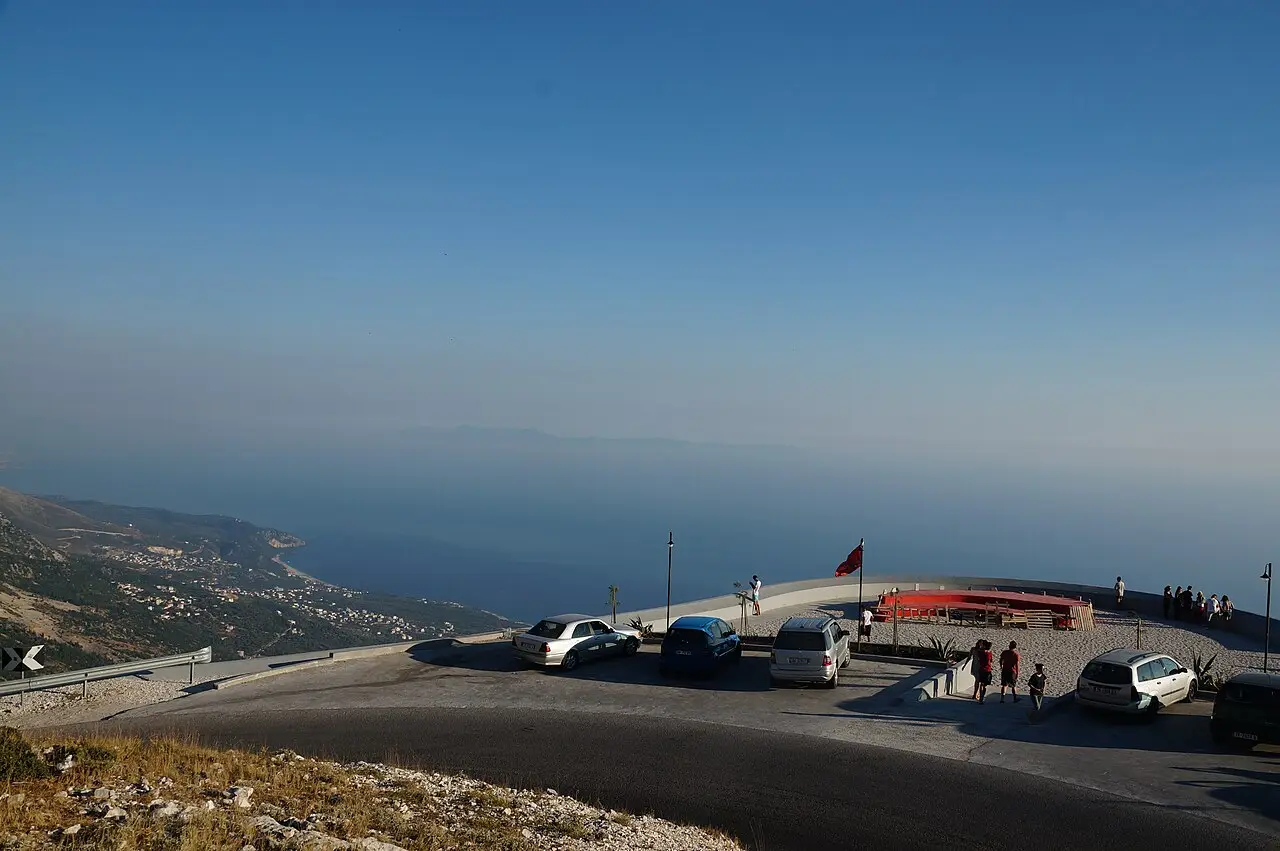
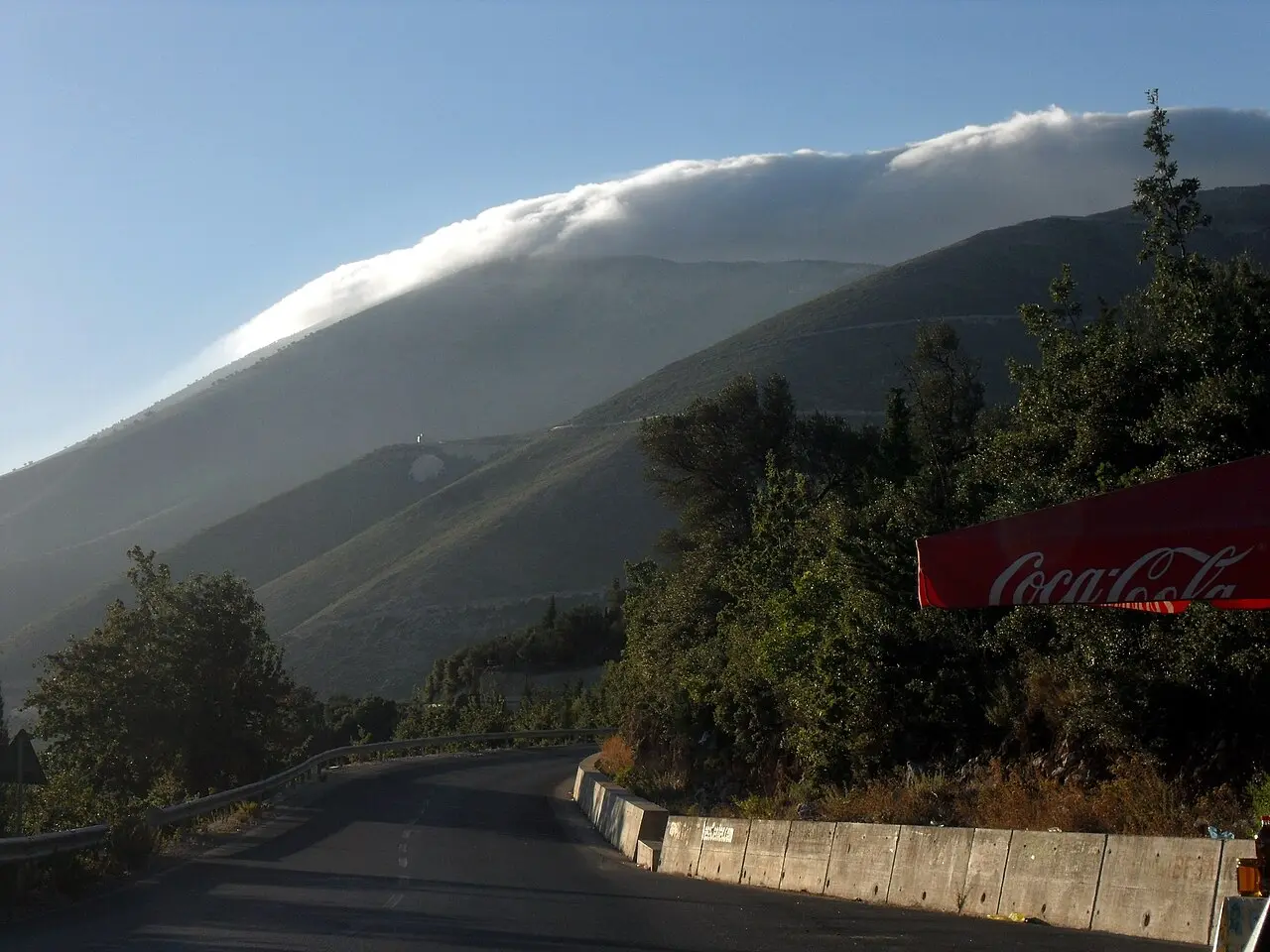
Once you’re on the road, drive defensively and give yourself margin. Mountain and rural roads can be narrow, winding and unfenced, with surfaces that change without warning, so slow down for blind bends and don’t assume a paved start means a paved finish. Mixed traffic is normal: expect to share the asphalt with slower vehicles, the occasional animal, and pedestrians on roads without verges, and anticipate rather than react. Fuel up before remote stretches, because petrol stations thin out badly in the mountains and on the quieter coast. And plan the remote legs for daylight, since unlit roads, livestock and unexpected potholes are all easier to handle in the light. Our full guide to driving in Albania goes deeper on the rules, speed and alcohol limits, tolls and what to do in an accident.
Plan around the car
A rental shapes how and when you travel. The condition of the high mountain roads is seasonal, and the Riviera is busiest and slowest to drive at the height of summer, so it pays to line up your trip with the best time to visit Albania. Used well, a car is the difference between seeing the headline towns and actually reaching the Albania most visitors picture, the alpine valleys and the half-hidden coves. Sort the licence and the cover early, pick the car up where your trip really starts, check it over before you sign, drive with a margin, and the rest of the country opens up.
Read also

Car rental · 10 min read
Car Rental in Saranda: Prices, Scooters & Greece Runs
Updated · August 31, 2026Rent a car or scooter in Saranda in 2026: local prices, ferry pickups, day-trip distances, and why Greece often needs a Plan B.

Car rental · 9 min read
Albania Rental Car Insurance: CDW, Excess & Green Card
Updated · August 2, 2026Rental car insurance in Albania: what CDW covers, the excess, and the Green Card rules for driving into Montenegro, Kosovo, Macedonia or Greece.

Car rental · 10 min read
Car Rental at Tirana Airport (TIA): Prices, Deposits & Tips
Updated · July 16, 2026Renting a car at Tirana Airport (TIA) in 2026: which desks are in the terminal, real prices, deposits, the drive into the city, parking and border rules.

Before you go · 13 min read
Theth vs Valbona: Where to Base in the Albanian Alps
Updated · September 13, 2026Theth vs Valbona in 2026: which Alps valley to base in without the full crossing - access from Tirana, guesthouse costs and crowds compared.