Balkan Roaming 2026: Where Your EU SIM Works Free
Of twelve countries here, an EU SIM roams free in exactly three. Six more share a free zone your EU SIM cannot join. The map, country by country.
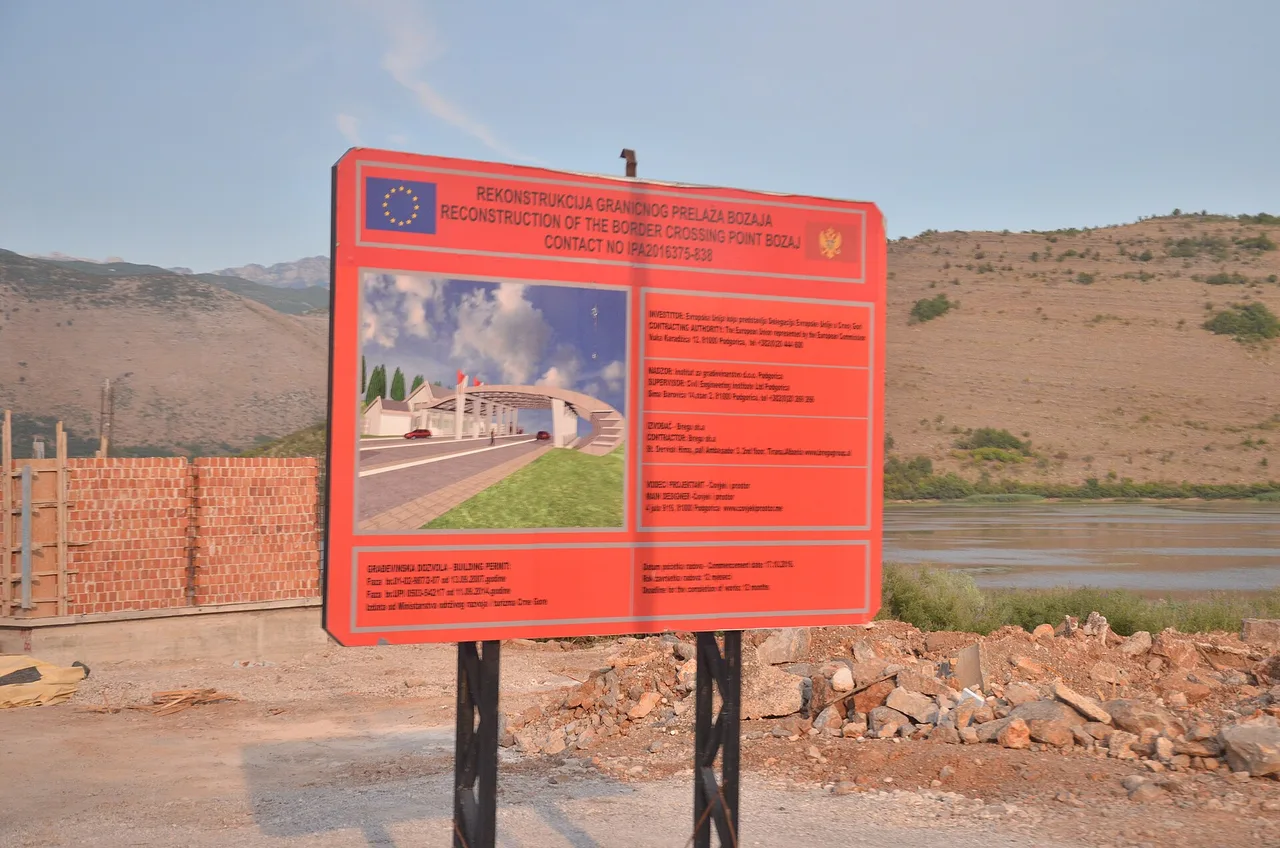
Twelve countries in this network, and a European SIM card roams free in exactly three of them: Croatia, Romania and Bulgaria. In the other nine it switches to roaming rates the moment you cross the line.
That would be simple enough, except for the part that catches people out. Six of those nine - Albania, Bosnia and Herzegovina, Kosovo, Montenegro, North Macedonia and Serbia - abolished roaming among themselves on 1 July 2021. Travel forums repeat this as “the Balkans have no roaming now”, which is true and useless: that free zone belongs to Balkan SIM cards, not to yours. A German SIM in Sarajevo is roaming. A Serbian SIM in Sarajevo is not.
So there are three zones on one map, and knowing which one you’re standing in is the whole trick.
The three zones, country by country
Zone membership is a rule, and rules hold. Prices are not: operator packages change every season, so each row points at the page that tracks that country’s current numbers rather than freezing them here.
| Country | EU roaming area | Western Balkans free zone | What your EU SIM does | Local prices |
|---|---|---|---|---|
| 🇭🇷 Croatia | ✅ yes | n/a | works at home rates | Croatia SIM & eSIM |
| 🇷🇴 Romania | ✅ yes | n/a | works at home rates | Romania eSIM |
| 🇧🇬 Bulgaria | ✅ yes | n/a | works at home rates | Bulgaria eSIM |
| 🇦🇱 Albania | ✗ no | ✅ yes | roams - charges apply | eSIM for Albania |
| 🇲🇪 Montenegro | ✗ no | ✅ yes | roams - charges apply | Montenegro eSIM |
| 🇲🇰 North Macedonia | ✗ no | ✅ yes | roams - charges apply | North Macedonia eSIM |
| 🇷🇸 Serbia | ✗ no | ✅ yes | roams - charges apply | Serbia SIM & eSIM |
| 🇧🇦 Bosnia and Herzegovina | ✗ no | ✅ yes | roams - charges apply | Bosnia SIM & eSIM |
| 🇬🇪 Georgia | ✗ no | ✗ no | roams - charges apply | national operators |
| 🇦🇲 Armenia | ✗ no | ✗ no | roams - charges apply | Armenia SIM & eSIM |
| 🇺🇸 United States | ✗ no | ✗ no | roams - charges apply | eSIM for the USA |
| 🇨🇦 Canada | ✗ no | ✗ no | roams - charges apply | eSIM for Canada |
Kosovo belongs in the second column too - it signed the same regional agreement - but it is outside this network’s coverage, so it is not a row here.
Why “the Balkans have no roaming” is a trap
The Regional Roaming Agreement was signed in Podgorica in April 2019 by the six Western Balkans parties, and the last surcharges between them came off on 1 July 2021. Since then a Serbian number in Skopje, or a Montenegrin number in Tirana, behaves the way a French number behaves in Italy.
None of that reaches a SIM issued in the EU. The agreement is between those six markets; it does not extend the EU’s rules outward, and it does not pull EU customers in. If you fly into Tirana on a Dutch SIM and drive up to Montenegro, you’re roaming in both countries, and the regional zone you keep reading about never applies to you once.
The reverse trap is worth naming too. A traveller who buys a local prepaid SIM in Albania does get the regional zone: that card works at local rates across all six. On a multi-country Balkan road trip that is a real argument for buying locally on day one rather than treating each border as a fresh problem.
What is actually changing, and what is not
On 25 February 2026 the European Commission proposed opening negotiations to extend the EU roaming area to those same six partners. That is the genuine news, and it is worth understanding precisely, because the coverage around it has run ahead of the paperwork.
What the Commission says is conditional: surcharges end “once the agreements are finalised with each of the partners and once they have each fully aligned with EU roaming rules”. Six separate agreements, six alignment checks. The Commission’s own page gives no target date.
You will find dates in the press anyway - a claim that Montenegro and Albania could drop surcharges by the end of the year, and 2028 as a finish line for the whole thing. Neither appears on the Commission’s page, so neither is treated as a fact here. Plan your August with the rules that exist today - the best time to visit Albania page is where the rest of the summer planning lives, and check again before a trip next summer, because this is the one row in the table with a real chance of moving.
The fix that ignores zones entirely
A travel eSIM doesn’t care which zone your feet are in. You install a regional or country plan before you fly, and the SIM in the phone - the one attached to your home number - never roams at all, because you leave its data switched off.
That is the practical answer for anyone crossing more than one of these borders, and it is why the eSIM question and the roaming question are really one question. Three things decide which plan is right:
- How many countries. One country, one week: a country plan is usually cheapest. Three countries in ten days: a regional Balkans plan almost always wins, and it saves you re-installing at every border.
- Whether you need a local number. eSIMs are data-only. If a taxi app, a bank or a guesthouse will send you an SMS code, you need a physical local SIM as well - or you need to keep your home number reachable for texts while its data stays off.
- Whether you land after hours. An eSIM is live before wheels-down. An airport SIM counter is not, and in this region several of them close in the evening.
Passport at the counter, and other local habits
Buying a physical SIM is not the two-minute transaction it is in western Europe. Across most of the region the shop registers the card against an identity document, so bring your passport rather than a driving licence, and expect the assistant to photograph or scan it. That is registration, not a scam, and refusing it usually means leaving without a card.
Two more habits worth knowing before you queue:
- Airport counters price for arrivals. The same operator’s package is routinely cheaper in a city-centre shop than in the terminal. If your first evening doesn’t depend on data, buy in town the next morning.
- Top-ups are everywhere, activation is not. Kiosks, supermarkets and petrol stations sell credit. Getting a tourist data bundle attached to that credit is a different step, usually a short code or an app, and it is the step people skip before wondering where their gigabytes went. If you’re driving the region rather than flying between capitals, driving in Albania covers the other paperwork that travels with you.
The short version, by trip shape
One country, inside the EU three. Do nothing. Your own plan works at home rates in Croatia, Romania and Bulgaria, and buying anything extra is money for nothing.
One country, outside them. A country eSIM, installed the night before. Cheapest per gigabyte, no queue, live on landing.
A multi-country Balkan route. Either a regional eSIM, or a local prepaid card bought on day one in whichever of the six you land in - that card then travels the whole zone at local rates. Which of the two wins depends on how much data you actually use; the country pages in the table above carry the current numbers.
Georgia, Armenia, the US or Canada. No zone helps you, and roaming from a European plan is expensive in all four. Treat data as a thing you buy on arrival, not a thing you hope works.
Zone membership was checked on 15 August 2026. The three EU rows are settled law and will not move. The six Western Balkans rows are the ones under negotiation, and if they change, they change in your favour - so the worst case of trusting this table is that you buy a data plan you turn out not to have needed.
Good to know
Roaming rules, not prices. Zone membership was checked on 15 August 2026 against the European Commission and the Regional Roaming Agreement. Operator prices move every season - each country row links to the page that tracks them.
Details checked: August 15, 2026
Read also

Before you go · 13 min read
Theth vs Valbona: Where to Base in the Albanian Alps
Updated · September 25, 2026Theth vs Valbona in 2026: which Alps valley to base in without the full crossing - access from Tirana, guesthouse costs and crowds compared.

Before you go · 8 min read
Where to Stay in Gjirokaster: Old Town Stone Hotels
Updated · September 3, 2026Where to stay in Gjirokaster: Old Town stone boutiques and guesthouses versus the flat new town - cobbles, parking and what each lodging type really costs.

Before you go · 10 min read
Berat vs Gjirokaster: Which Ottoman Town to Visit?
Updated · September 25, 2026Berat vs Gjirokaster in 2026: white-window Berat is closer from Tirana; stone Gjirokaster fits the south. Compare sights, travel times and who each suits.

Before you go · 11 min read
Where to Stay in Shkodra: Old Town, Lake or Alps Base
Updated · September 25, 2026Where to stay in Shkodra: the Old Town, quiet Zdrale, lakeside Shiroka, or a hiker hostel that runs its own transfer to Theth and the Koman ferry.