
Best eSIM for Albania (Avoid the EU Roaming Trap)
Albania is not in the EU, so your European SIM roams. The best eSIMs for Albania, what they cost, the two local networks and how to set one up.
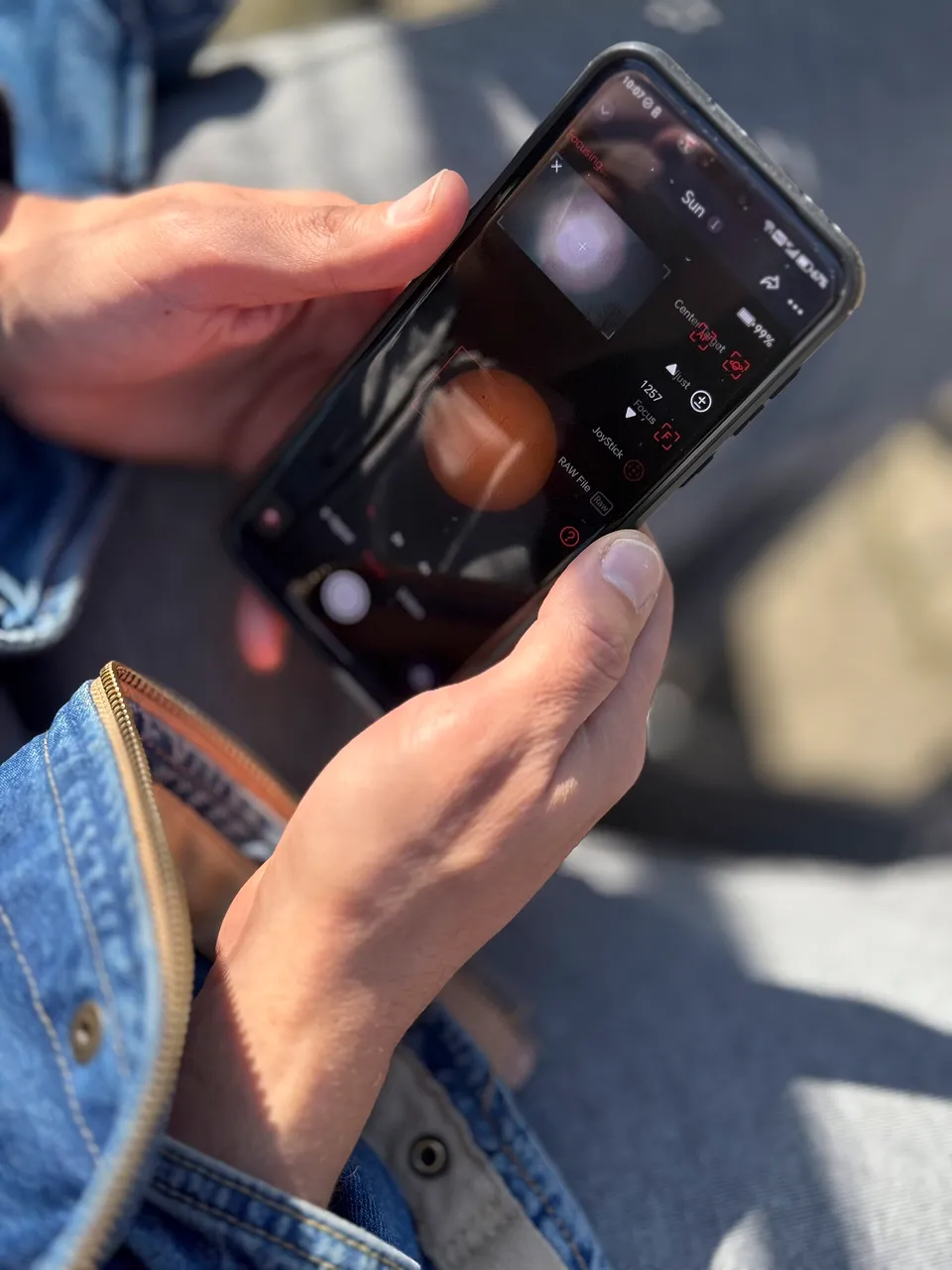
Albania isn’t in the EU, so the “roam like at home” rule that keeps your data free across Europe doesn’t apply here - and if your trip crosses more than one border, where an EU SIM works free across the Balkans maps the whole region in one table. Cross the border from Greece or Montenegro on your normal European SIM and it quietly switches to roaming rates, which is how people come home to a nasty bill. The cheap, simple fix is an eSIM: a digital data plan you install before you fly, so you land in Tirana already online with no shop queue and no passport paperwork. The main names are Airalo, Yesim and Saily, and you can pay anywhere from a few dollars for a light plan up to the twenties for a longer or unlimited one.
Why your European SIM roams in Albania
This is the part that trips up first-time visitors. The EU’s “roam like at home” rules only cover countries inside the EU and the EEA. Albania is neither, despite being surrounded by the bloc, so your German, Italian or French SIM treats a trip here as international roaming. Depending on your provider that can mean a daily roaming charge, a per-megabyte rate, or a bundled “rest of world” pass you didn’t ask for. A few carriers now throw Albania into their travel add-ons, but most don’t, and the default is expensive.
So before you do anything else, check what your own operator charges for data in Albania, and if it’s not clearly cheap, turn data roaming off on your home SIM the moment you land. Then run your data on a local eSIM instead. That one habit is the difference between a couple of dollars and a three-figure surprise.
eSIM, physical SIM or airport SIM?
You have three ways to get online, and for most short-stay visitors the eSIM wins easily.
- eSIM (recommended). A QR code you scan before the trip installs a data plan onto your phone’s built-in eSIM. You keep your home SIM in the phone for calls and texts on your own number, and the eSIM handles data. No queue, no registration, live the second you land. The only requirement is an eSIM-capable phone, which covers most models from the last few years.
- Local physical SIM. Bought from a Vodafone or One shop in town, this is often the cheapest per gigabyte if you are staying weeks, but you have to find a store, show your passport for registration, and swap out your own SIM.
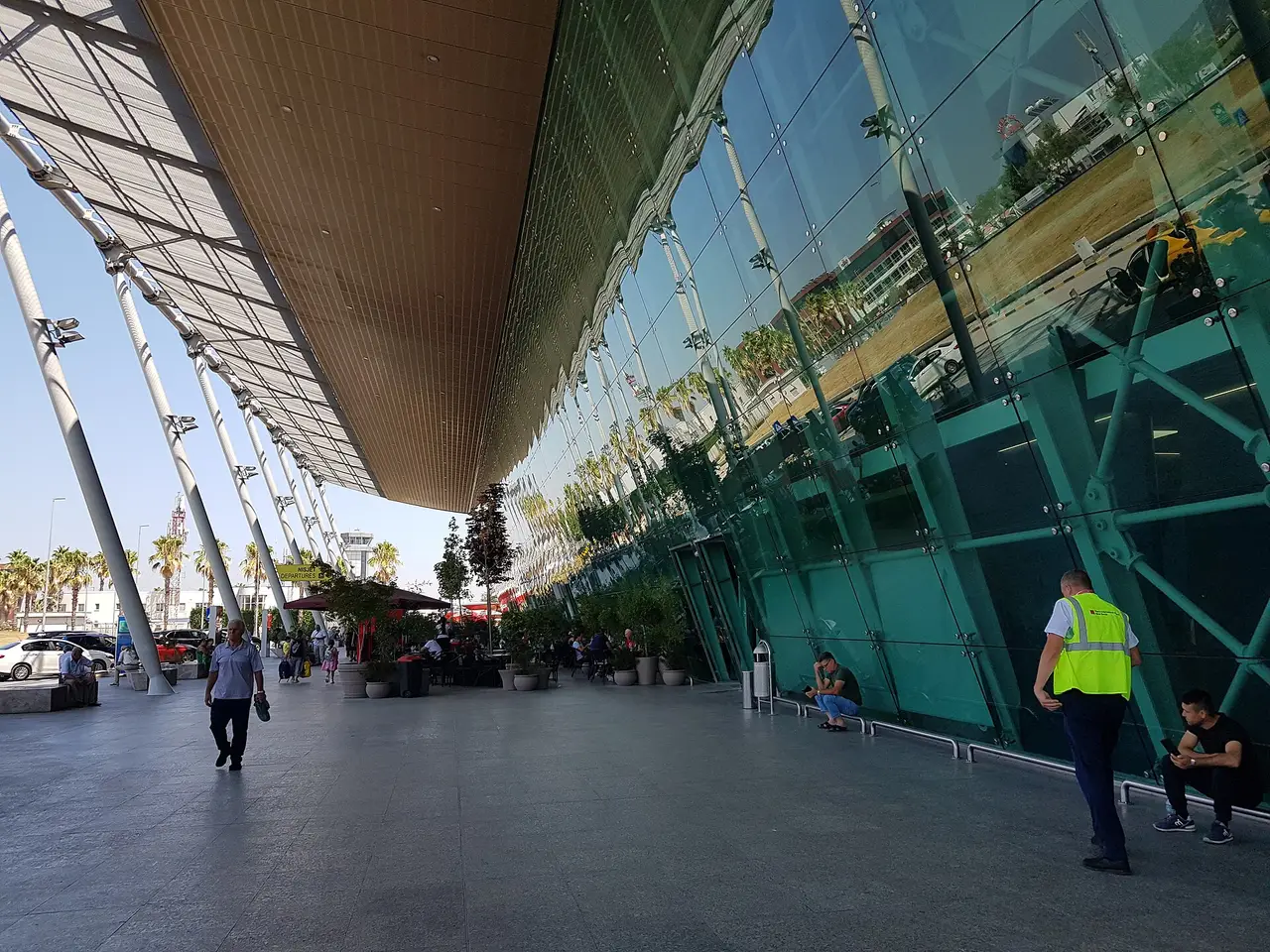
- Airport SIM. The kiosks in Tirana airport arrivals sell tourist SIMs for convenience, but you pay for it: expect to hand over something like 25 euros for a package that costs far less as an eSIM or in a town-centre shop. Handy in a pinch, rarely the best value.

The networks: Vodafone Albania vs One Albania
Whatever eSIM you buy, it rides on one of Albania’s two main mobile networks, so it is worth knowing which is which:
- Vodafone Albania has the widest national coverage, and most travel eSIMs (Nomad, Holafly, Jetpac among them) connect to it. If you’re heading off the main roads, it’s the safer bet.
- One Albania is the other big network, formed from the merger of the former Telekom and ALBtelecom. Airalo’s Albania eSIM runs on One Albania.
Coverage is good across the cities, the main highways and the coast. Where it thins out is the deep north: up in the mountains around Theth and Valbona the signal is patchy to non-existent on any network, so plan to be offline on those trails and download maps in advance, as our Theth National Park guide flags.
The best eSIMs for Albania and what they cost
Prices move around and providers run frequent promotions, so treat the figures below as a snapshot checked in July 2026, and always confirm the live price at checkout. The sensible move is to compare two or three for your exact trip length before buying.
- Airalo. The default choice, easy app, runs on One Albania. Small data plans start from a few dollars for 1 GB, and at the time of writing Airalo also sells unlimited-data plans that scale by duration, roughly in the twenties of dollars for a few days up to around 98 USD for a 30-day unlimited plan. Good for simplicity; not always the cheapest per gigabyte.
- Yesim. Consistently cheaper per gigabyte than Airalo for mid-size bundles; a 15 GB, 30-day plan has sat around 22 USD. Worth comparing directly against Airalo for the same allowance.
- Saily, Nomad, Holafly, Jetpac. All cover Albania. Saily (from the NordVPN team) and Nomad tend to be competitive on price; Holafly leans on unlimited plans. Regional “Europe” or “Balkans” eSIMs from these providers are useful if Albania is one stop on a multi-country trip.
For most people the honest answer is: pick Airalo for the smoothest app, or Yesim/Saily if you want to shave the cost, and don’t overthink it beyond matching the data amount to your trip.
How much data do you actually need
Buying too big is the usual mistake. A rough guide for Albania:
- Light user (maps, messaging, the odd café upload): 1 to 3 GB covers a week comfortably.
- Normal traveller (social media, some streaming, sharing photos): 5 to 10 GB for a one to two week trip.
- Heavy user or working remotely: 20 GB plus, or an unlimited plan - but read the fair-use cap first (below).
Guesthouses, hotels and most cafés along the coast and in Tirana have decent Wi-Fi, so your eSIM data mostly gets used on the move and for maps. If you run low, all the providers let you top up in the app rather than buy a whole new plan.
Working remotely on an Albanian eSIM
Video calls change the calculation. A browsing-and-maps traveller barely notices a weak signal; someone on a client call notices instantly. Tirana, Durres, the coast road and Saranda hold a steady connection - the mountain gaps noted above are the ones to plan around, so don’t schedule a call for a hiking day.
The word “unlimited” is also worth reading twice before you buy one for work. Several providers throttle speed once you pass a daily data cap - sometimes just a few gigabytes - which is fine for browsing but leaves a long video call crawling partway through. Check the fair-use policy on the plan page before you buy, not after a call drops, and if a provider doesn’t state one clearly, treat that as a reason to compare elsewhere.
For anything longer than a few days of calls, a fixed connection still beats mobile data. Remote workers based in Tirana for weeks tend to run on fibre or a coworking desk as the primary line and keep the eSIM as backup for travel days between cities - our Tirana digital nomad guide goes deeper on setting that up.
Setting up your eSIM
The process takes about five minutes and is best done at home on Wi-Fi before you travel:
- Check your phone is eSIM-capable (most recent iPhones and mid-to-high Android models are) and unlocked.
- Buy the plan in the provider’s app or website and you’ll get a QR code.
- Scan it to install the eSIM, then in your settings label it “data” and keep your home SIM as the default for calls and texts, with its data roaming switched off.
- On arrival, set the eSIM as your data line and turn data roaming on for the eSIM only. You’re online.
That last detail is the one to get right: the eSIM needs data roaming enabled to work in Albania (it is roaming onto a local network), while your home SIM should have it firmly off. Get that combination right and you keep your own number reachable while paying local rates for data.
The bottom line
Albania sitting outside the EU roaming zone is the whole reason to plan ahead, and an eSIM is the neat answer: cheap, installed before you fly, and no shop queue on arrival. Grab an Airalo or Yesim plan sized to your trip, keep your home SIM’s roaming switched off, and you sidestep the bill that catches so many first-timers. While you’re sorting the practical side, our guides to cash or card in Albania and driving in Albania cover the other two things worth setting up before you go.
Photos
Read also

Before you go · 13 min read
Theth vs Valbona: Where to Base in the Albanian Alps
Updated · September 25, 2026Theth vs Valbona in 2026: which Alps valley to base in without the full crossing - access from Tirana, guesthouse costs and crowds compared.

Before you go · 8 min read
Where to Stay in Gjirokaster: Old Town Stone Hotels
Updated · September 3, 2026Where to stay in Gjirokaster: Old Town stone boutiques and guesthouses versus the flat new town - cobbles, parking and what each lodging type really costs.

Before you go · 11 min read
Berat vs Gjirokaster: Which Ottoman Town to Visit?
Updated · September 25, 2026Berat vs Gjirokaster in 2026: white-window Berat is closer from Tirana; stone Gjirokaster fits the south. Compare sights, travel times and who each suits.

Before you go · 11 min read
Where to Stay in Shkodra: Old Town, Lake or Alps Base
Updated · September 25, 2026Where to stay in Shkodra: the Old Town, quiet Zdrale, lakeside Shiroka, or a hiker hostel that runs its own transfer to Theth and the Koman ferry.