Healthcare in Albania for Expats & Nomads
How Albania public health insurance works for employees, freelancers and nomads - FSDKSH rates, health cards, EHIC limits and private care.
Moving to Albania for work, freelancing, or a long remote-work stretch? Your European Health Insurance Card won’t help you here: the European Commission’s own EHIC map covers the EU plus Iceland, Liechtenstein, Norway, Switzerland and the UK, and Albania isn’t on it. Employed and self-employed people who pay into the compulsory fund get folded into the public network through FSDKSH; short-stay visitors and most nomads without local contributions sit outside that path and need their own policy.
Background for planning, checked against official sources on 12 September 2026 - confirm your specific case before you act on it. Contribution rules, benefit packages and residence paperwork change, and they depend on your status. Check current requirements with FSDKSH, the tax administration (tatime.gov.al), e-albania.al and a licensed insurer or clinician before you rely on any figure below.
How the public system is organised
Albania’s health policy sits with the Ministry of Health and Social Protection. The buyer of publicly funded care is the compulsory health insurance fund - today FSDKSH (Fondi i Sigurimit të Detyrueshëm të Kujdesit Shëndetësor), which operates under Law No. 10 383 of 24 February 2011 on compulsory health-care insurance. FSDKSH’s own history page notes the fund as the only public autonomous body that administers that scheme according to national health policy.
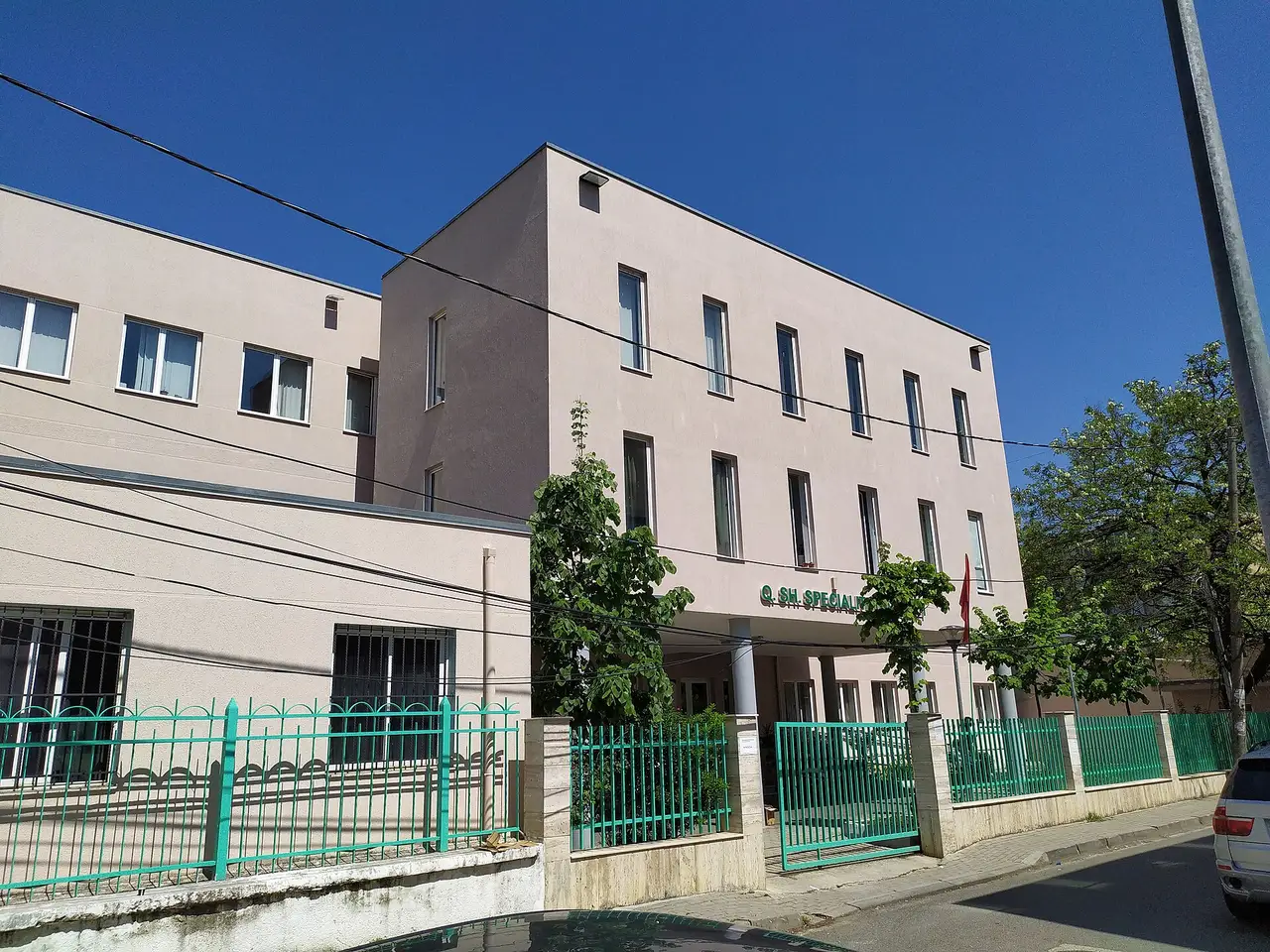
On the ground you’ll meet a three-layer map: primary care (health centres and family doctors), hospital care, and a growing private sector. The WHO European Observatory’s Albania overview says that in 2022 the country had 43 public and 18 private hospitals, with private hospitals concentrated mainly in Tirana, and that patients pay for private hospital services themselves. By 2023 it records 362 primary centres, after mergers driven by internal migration. Those are system-scale numbers, not a promise about the clinic on your street - but they explain why Tirana feels different from a small-town centre when you need specialist diagnostics.
WHO also states that since 2016, all residents have had access to free primary-care visits and emergency services regardless of insurance status, with specialist visits and lab tests free or low-cost through a family-physician referral. Read “residents” narrowly: that’s population-health language for people actually living in Albania, and a weekend tourist sits outside it by default. It also isn’t automatically the same thing as “anyone holding a residence permit.” WHO doesn’t break “residents” down by nationality, and the UK’s guidance draws the line differently for foreigners - the next two sections work through that gap rather than resolving it for you.
Who pays into FSDKSH - and at what rate
FSDKSH’s “How to get insured” page is blunt about the money. The compulsory contribution rate is 3.4% of the contribution base. For employees that 3.4% is split 50/50 between employer and employee - so each side pays 1.7% of gross pay. The tax administration collects those contributions and transfers them to the Fund.
From 1 January 2026, the national monthly minimum wage used for contributions is ALL 50,000 - set by Council of Ministers decision and announced by the General Directorate of Taxation. The same notice raises the wage ceiling used for social-insurance (pension) contributions to ALL 186,416 - but it draws the health line differently: compulsory health contributions for employees are calculated on at least the minimum wage up to declared gross pay, with no matching ceiling stated. In practice, a high earner’s pension contribution tops out at the ALL 186,416 base, while their 1.7%/1.7% health split keeps scaling with the real salary on the payroll declaration. For self-employed people (and unpaid family workers living with them), the health contribution base is twice the minimum wage - ALL 100,000. FSDKSH itself states that the self-employed base is twice the minimum wage fixed by Council of Ministers decision, and that voluntary health insurance uses the same double-minimum base.
That gives you a transparent arithmetic check: 3.4% of ALL 100,000 comes to ALL 3,400 a month for a self-employed contributor’s health line on the statutory base. That figure covers health insurance only. Albania’s social insurance institute (ISSH) puts the self-employed social-insurance line at 23% of the monthly minimum wage - that is ALL 11,500 on the 2026 base, split 21.6% pensions and 1.4% maternity. A different branch, a different base, and a different line on the same declaration. Your real total depends on how you’re registered and what the tax office records that month, so treat ALL 3,400 as one formula output among several, then confirm the full picture on your declaration.
If you never work or register locally, you don’t magically appear on FSDKSH’s insured list. Voluntary enrolment exists in the law and on FSDKSH’s page, but the practical path (forms, proof of residence, payment channel) is something you settle with the Fund and tax office - don’t invent a walk-in tourist shortcut that those pages don’t describe.
The health card - and what it means for foreigners
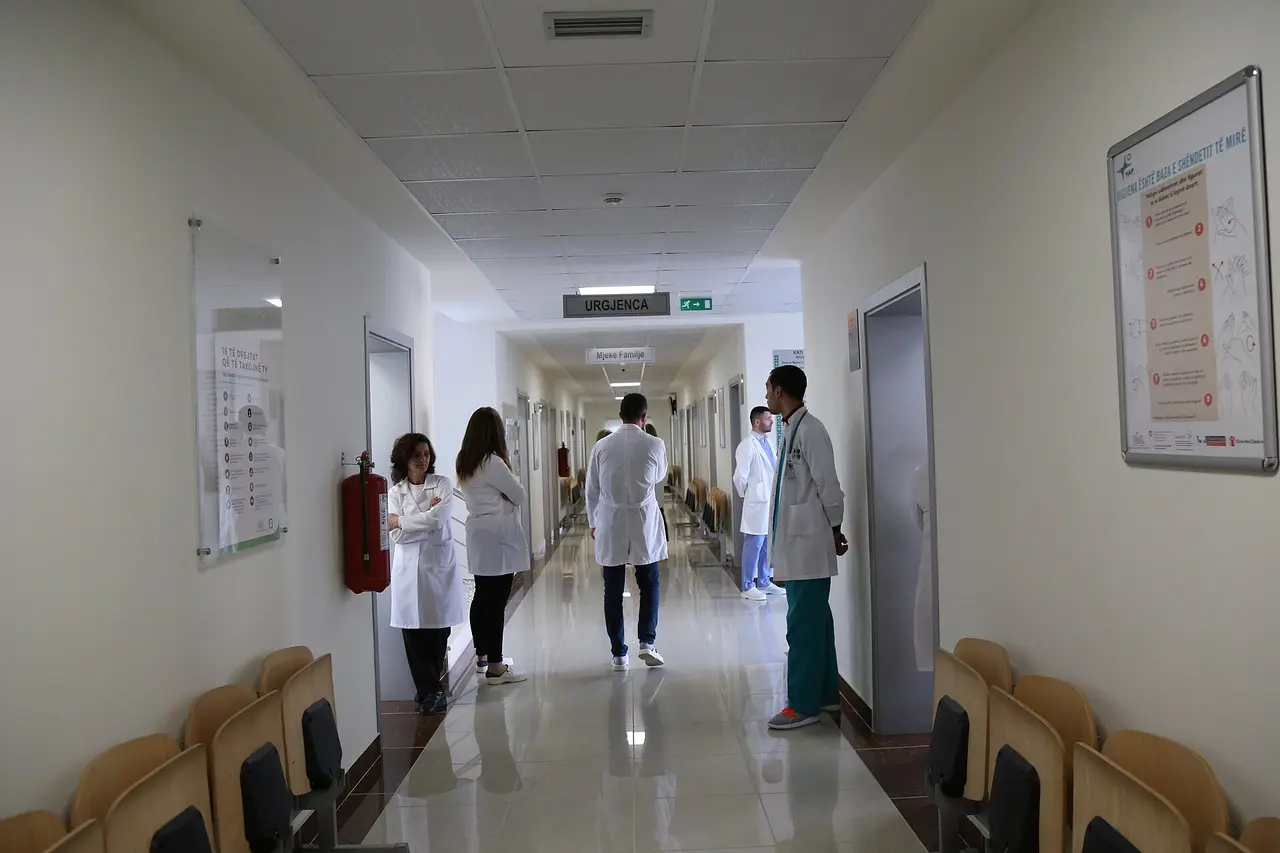
Once you’re in the scheme, the document that proves it is the health card (karta e shëndetit). FSDKSH describes it as personal and non-transferable. It carries the holder’s identity number, which is also the compulsory health-insurance number. For foreigners, FSDKSH states that the compulsory health-insurance number is the residence permit number or the provisional residence permit number.
That’s the practical hinge for expats: local employment or self-employment contributions get you into the money side of the scheme, and the permit number is what the card system uses to identify you once you’re there. The UK’s official guidance draws the same line from the other side: “If you have a resident permit and a job, you are entitled to the same healthcare benefits as Albanian nationals” - and it adds that you need to register at your local health centre to actually use them. Notice the “and”: a residence permit by itself isn’t the trigger, a job (or an equivalent contribution) plus registration is. Without that combination in place, the public insured pathway won’t automatically treat you as a resident employee. For the residence paperwork itself - including the digital-nomad Unique Permit path, where the statute asks for a health insurance policy valid for at least one year - start with our digital nomad visa guide and verify the current document list on the official migration / e-Albania channels before you book flights around a rumour.
What “insured” roughly buys
Stay inside what the official summaries actually claim. FSDKSH says card holders can use reimbursable prescriptions, family-doctor services, specialist care and hospital centres across the public system. ISSA’s Albania profile (policies as of 1 July 2023) adds that public centres and hospitals - and private clinics under Fund contract - deliver benefits, and that the insured is reimbursed from 35% to 100% of the cost of various essential medicines. It also notes voluntary coverage for people without mandatory coverage, and lists vulnerable groups whose contributions the state pays.
What those pages do not give you is a fixed waiting-time table, an English-speaking GP guarantee, or a price list for a private MRI. If any of that matters to you, don’t wait for a health scare to find out - call your assigned family-doctor’s office now and ask how referrals and language actually work at your local centre, so you’re not learning the gaps while you’re sick. For day-to-day budgeting around living costs (rent, food, utilities), use the cost of living in Albania breakdown; for healthcare, budget a line for insurance or contributions and assume specialist private care is cash or private-policy territory until a clinician and your insurer say otherwise.
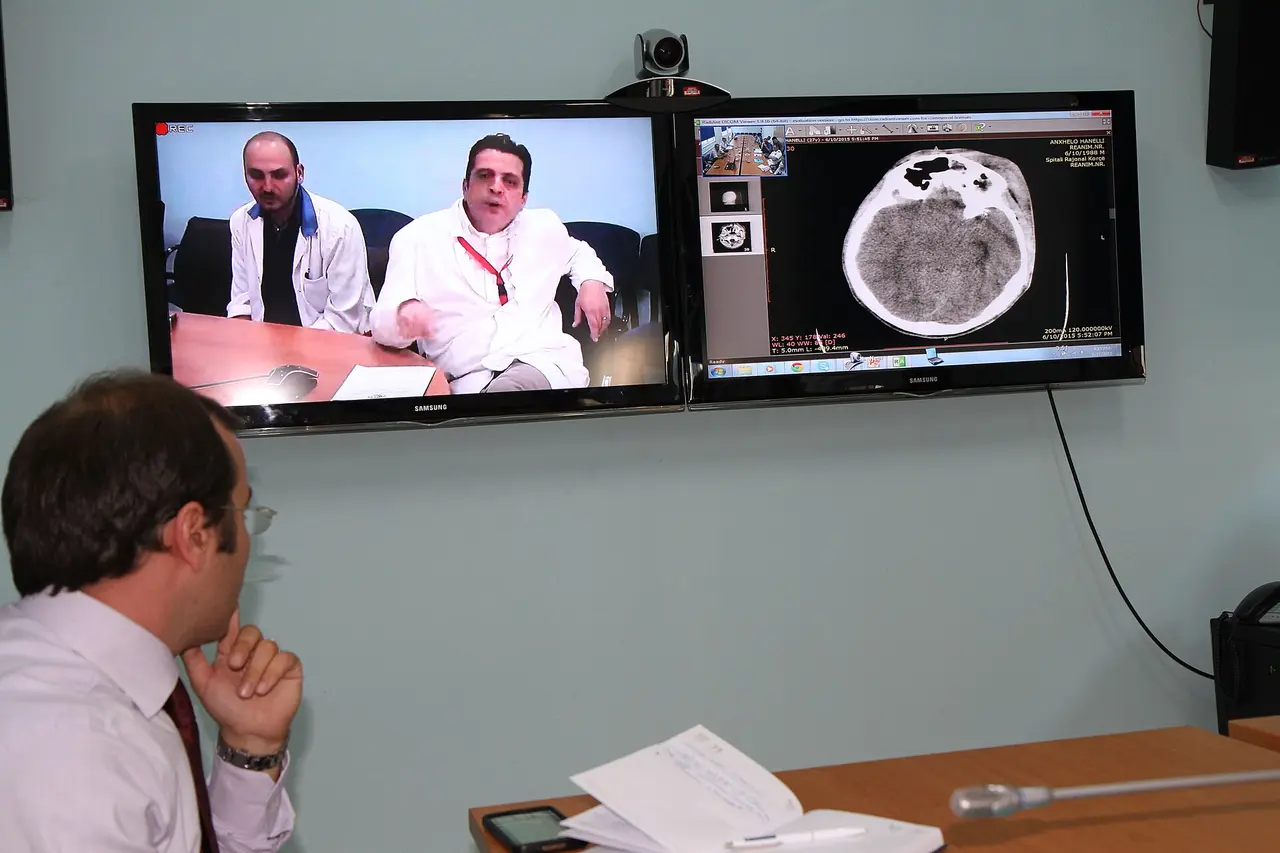
Private clinics: why expats still use them
The WHO overview is clear that private hospitals are mainly in the capital and that patients pay for those services. Many long-stay foreigners still keep a private or international policy even after they start contributing locally, because they want English-language appointments, shorter specialist waits, or cover that follows them when they leave Albania for a month. Worth being precise about what’s compulsory and what isn’t: the UK’s official guidance calls health insurance “compulsory in Albania for all citizens and residents” - that’s the FSDKSH contribution (or an equivalent), and it isn’t optional for anyone the rule covers. Stacking a private top-up on top of it is the optional part; FSDKSH’s own page doesn’t require one. Clinics don’t publish fixed price lists, so ask for a written quote that itemises the consultation, any tests and a facility fee, and check with your insurer what they’ll actually reimburse before you book elective care.
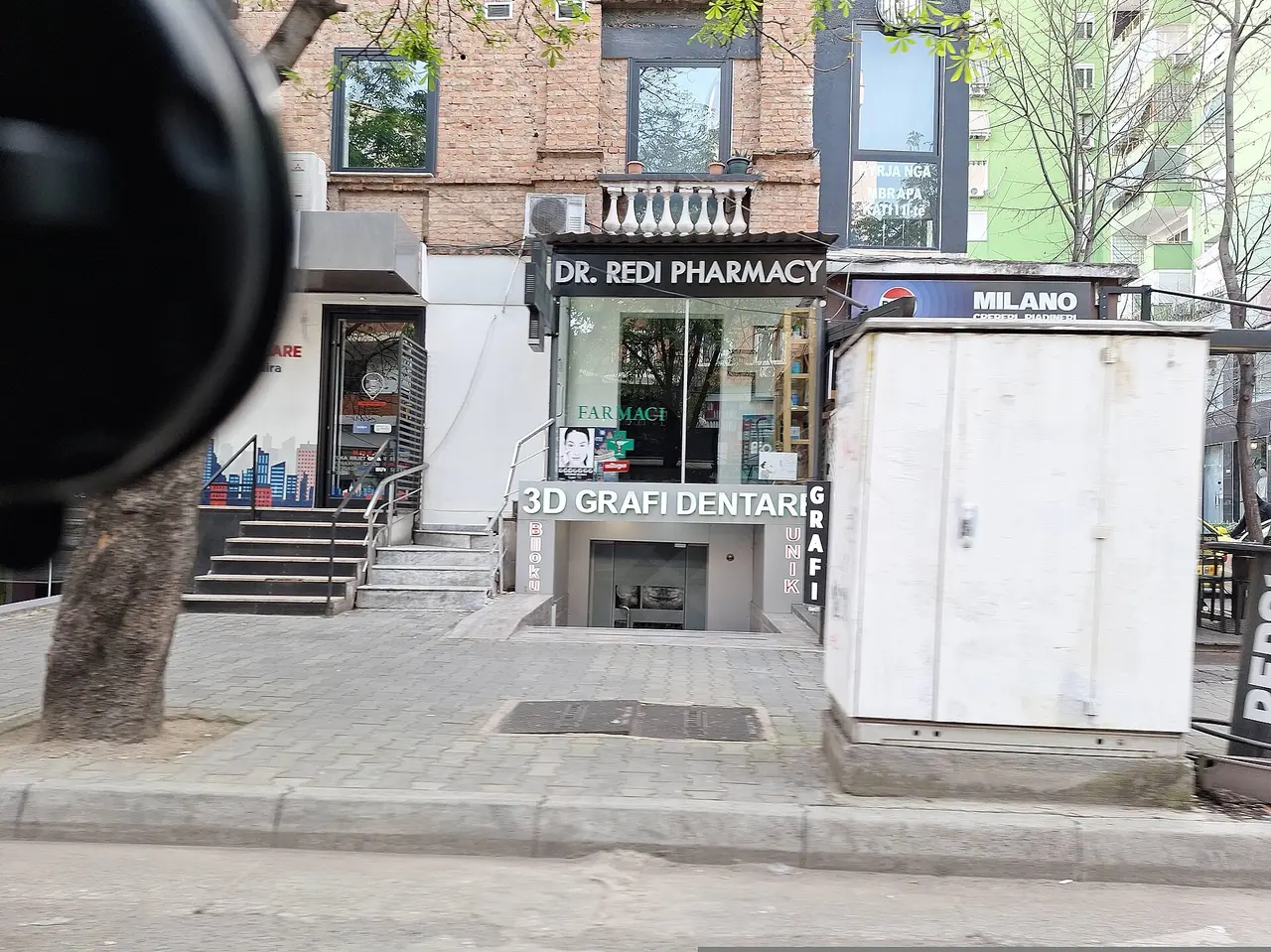
Pharmacies are easy to find in Tirana and the larger coastal towns. Reimbursable medicines under the Fund follow the Fund’s lists and your card status; everything else is out of pocket. Your family-doctor catchment is tied to your registered address, so settle permanent housing first, then register at the health centre that covers it.
Visitors, nomads and the EHIC myth
For a short tourist trip, Albania doesn’t sit inside the EHIC system. The European Commission’s EHIC page limits the card to medically necessary state-provided care in the 27 EU countries, plus Iceland, Liechtenstein, Norway, Switzerland and the United Kingdom. Albania isn’t named there, so an EHIC or GHIC doesn’t create an Albanian public entitlement the way it would in Italy or Greece.
Albania runs its own, separate bilateral list, and it’s worth checking by name rather than assuming your country is on it. Albania’s social insurance institute (ISSH) names 16 countries with social-security agreements: Turkey, Belgium, North Macedonia, Hungary, Luxembourg, Czechia, Germany, Austria, Canada, Kosovo, Switzerland, Croatia, Bulgaria, Romania, Montenegro and Italy. If most of our readers are checking from the UK, US or Australia, none of those three are on that list. The UK government confirms it in plain terms: “Albania does not have a reciprocal health agreement with the UK.” Canada is on that list, but its treaty buys a Canadian reader nothing at a hospital desk: the Canada-Albania social security agreement, in force since 1 August 2022, defines “benefit” as a cash benefit only and applies to the Old Age Security Act and the Canada Pension Plan on the Canadian side and to Albanian old-age, invalidity and survivors’ benefits on the other. It covers pensions, not health care. For most readers here, the practical answer is the same one either way: bring your own cover.
That leaves three practical stacks:
- Holiday / short stay: a travel policy with solid medical and evacuation cover. Our Albania travel insurance guide covers what to check; entry as a visa-free tourist is a separate question from whether you can afford a hospital bill.
- Long stay / residence file: proof of health cover is written into the statute: for the digital mobile worker permit, Law 79/2021 on Foreigners (Article 68, as amended in June 2025) requires “a health insurance policy valid for at least 1 year”. A monthly-renewing nomad subscription or a three-month travel policy may not satisfy that, so check the certificate wording before you file. Circulating euro thresholds on blogs aren’t in the statute at all - confirm anything else with the authority handling your file.
- Local employment or self-employment: pay the statutory contributions, get identified on the health card with your permit number, and decide separately whether you still want private top-up.
One practical point sits underneath all three stacks: Albanian doctors and hospitals generally expect payment at the time of service, and they settle with you directly - the U.S. Embassy says cash, so don’t plan on a card being accepted everywhere. The U.S. Embassy in Tirana puts it bluntly for its citizens: “In Albania, doctors and hospitals expect payment in cash at the time of service. Your regular U.S. health insurance may not cover doctors’ and hospital visits in Albania.” The UK’s travel-health advice makes the same point from a different angle, telling travellers to carry “adequate travel health insurance and accessible funds to cover the cost of any medical treatment abroad, evacuation by air ambulance and repatriation.” Don’t assume your insurer settles the bill on the spot: budget as if you’ll pay first and claim reimbursement afterwards, and keep enough accessible cash or card headroom to cover it.
Emergencies: 127 and 112
For a clear medical emergency, Albania’s Ministry of Health archive page names 127 as the unique number for every health emergency (Urgjenca Kombëtare). The National Agency for Civil Protection describes 112 as the European-style unified emergency number that connects you to police, fire and medical emergency services around the clock. If you know you need an ambulance, start with 127; if you’re unsure which service you need, 112 is the single entry point.
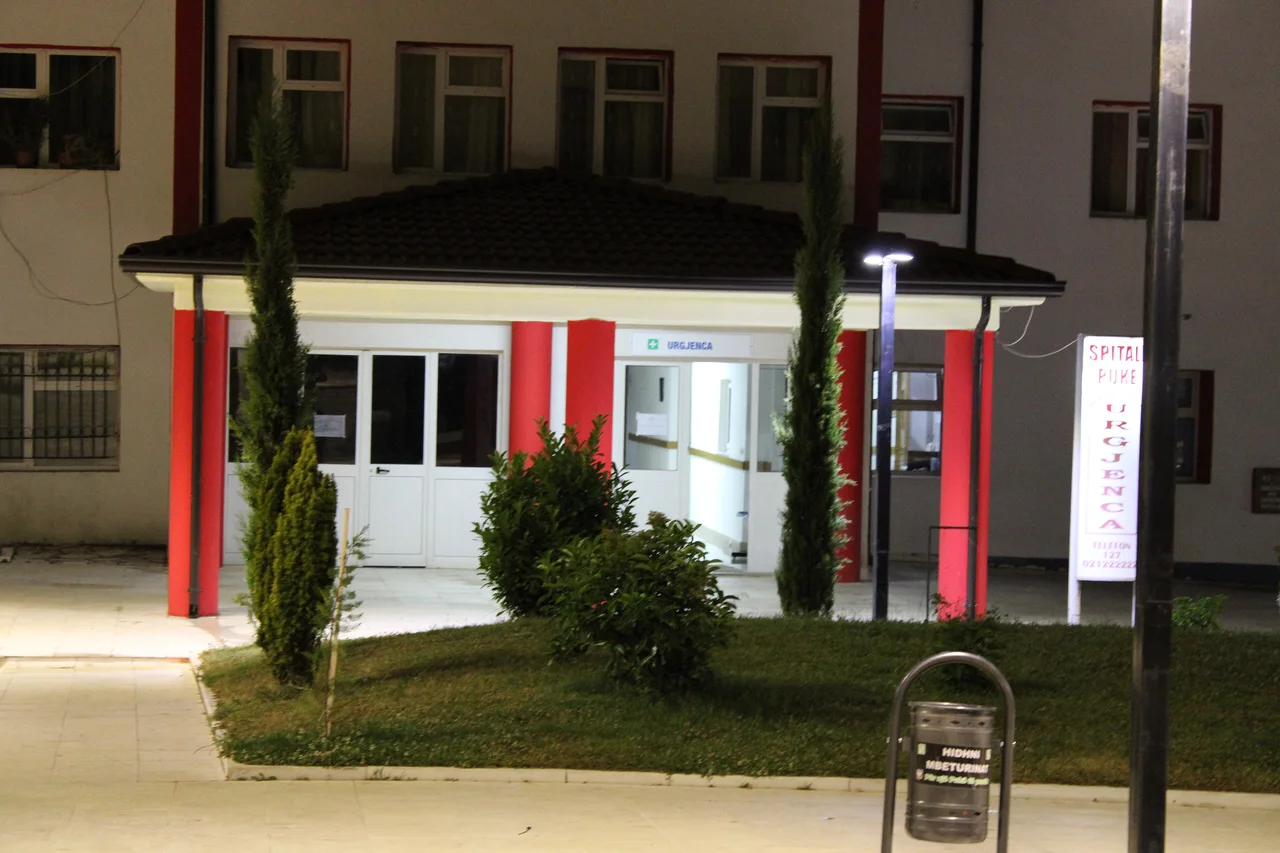
Keep your insurer’s assistance line saved too - public dispatch and private billing are different conversations, and the UK’s official guidance is blunt that “there are very few English-speaking staff in state hospitals.” A translation app or your insurer’s multilingual line can matter as much as the number itself once someone actually answers.
A simple profile checklist
Employed by an Albanian company. Expect health contributions at 1.7% of gross on your side (employer matches). After contributions flow, sort the health card using your residence-permit number as FSDKSH describes. Private top-up stays optional preference here - not a FSDKSH rule.
Self-employed / freelancer registered locally. Budget the health contribution on the double-minimum base (ALL 100,000 from January 2026 per the tax notice) at 3.4% - that’s the ALL 3,400/month health line alone. ISSH puts the separate mandatory social-insurance line for the self-employed at 23% of the monthly minimum wage (21.6% pensions plus 1.4% maternity), so budget roughly ALL 14,900 a month for both lines together and confirm them with your accountant before you set your rates. The public card still needs a lawful identification trail.
Nomad or remote worker without local contributions. A Unique Permit makes you a resident on paper, but the free-care line above and the UK’s “permit and a job” wording both hang on more than paperwork alone, and neither source spells out exactly where a Digital Nomad permit with no local employer or FSDKSH registration lands. Don’t assume free resident primary care applies to you by default - ask FSDKSH or e-Albania to confirm your specific case. Until you have that answer in writing, carry international or travel medical cover, and make sure the certificate shows at least the 12 months the permit statute asks for, and read the Tirana digital nomad guide alongside the visa page for the living side of the move.
Banking and rent. Opening a local account and paying utilities often arrives in the same month you sort healthcare paperwork - see opening a bank account in Albania so you’re not juggling both blind.
What to verify before you move
- Your status: employee, self-employed, voluntary, or visitor - FSDKSH and tatime treat those differently.
- Current contribution bases on tatime.gov.al if you’re filing after a mid-year wage decision.
- Health-card registration steps with FSDKSH / e-Albania once you have a permit number.
- Whether your residence file needs a specific insurance certificate - get the answer in writing from the office handling your file, and keep a copy with your permit paperwork.
- Emergency numbers on your phone: 127 medical, 112 unified - plus your insurer’s 24-hour line.
Your first concrete move, whatever your status: line up a private or travel policy before you land, then sort the public side once you’re here. Taking a local job or registering as self-employed means a visit to the tax office and FSDKSH in your first few weeks, so contributions start showing up on your declaration and your health card gets issued against your permit number. On a Unique Permit with no local employer, call FSDKSH or check e-Albania about your specific case rather than guess, and keep your travel policy running until someone in an official role tells you otherwise.
Read also

Relocation · 10 min read
Opening a Bank Account in Albania as a Foreigner
Verified · August 28, 2026How foreigners open an Albanian bank account in 2026: published document lists, CRS/FATCA, deposit cover, and when to confirm at a branch.

Relocation · 12 min read
Buying Property in Albania as a Foreigner: Rules & Risks
Verified · August 24, 2026Foreigners can buy Albanian apartments and houses; land limits, notary-cadastre steps, property residence links and title risks to check.

Relocation · 9 min read
Cost of Living in Albania: Monthly Budget 2026
Updated · July 8, 2026What it really costs to live in Albania in 2026: monthly rent, utilities, groceries, internet and transport, plus realistic single and couple budgets.

Relocation · 8 min read
Tirana Digital Nomad Guide: Costs and Coworking
Updated · July 8, 2026A practical Tirana digital nomad guide for 2026: coworking, where to live, internet, cost of living and community, with the visa kept practical.