Tirana Digital Nomad Guide: Costs and Coworking
A practical Tirana digital nomad guide for 2026: coworking, where to live, internet, cost of living and community, with the visa kept practical.
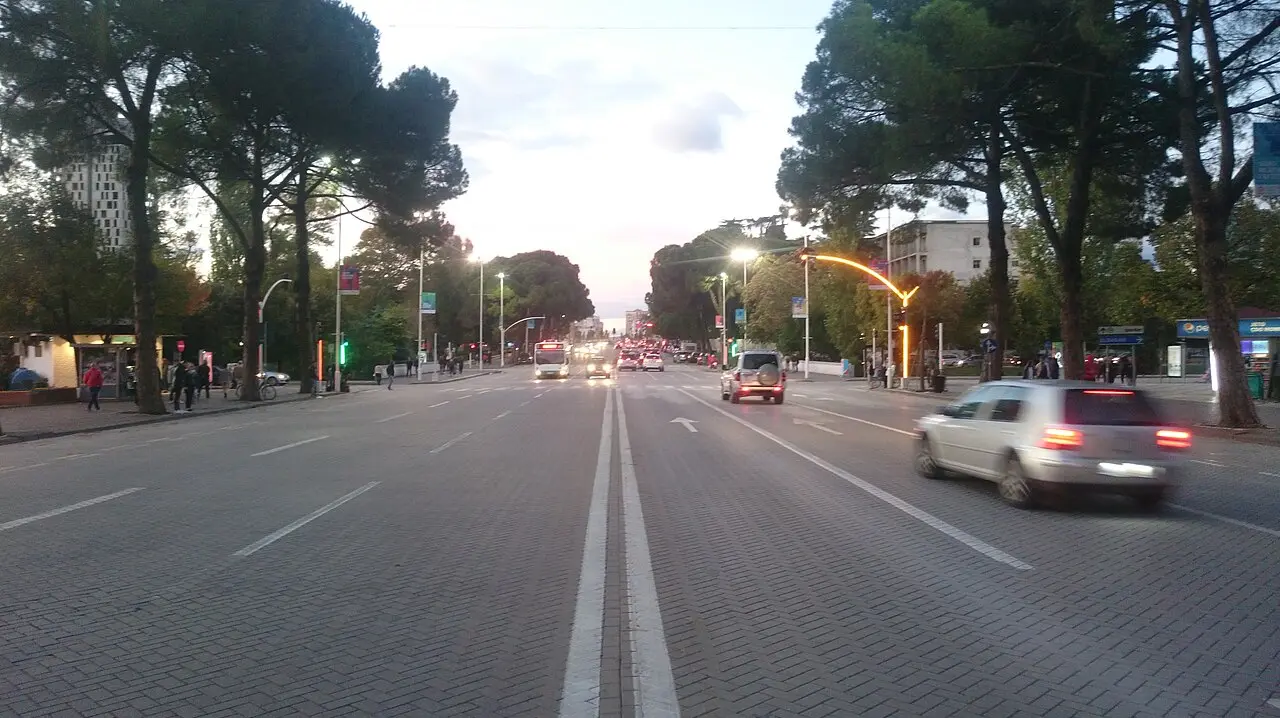
Tirana works well for digital nomads in 2026 for four practical reasons: cheap fast fibre, coworking from around EUR 100-145 a month, rents of roughly EUR 400-600 for a central one-bed (nearer EUR 350 further out), and low food and transport costs in a compact, walkable centre. Budget somewhere around EUR 1,000-1,600 a month all in for a comfortable setup. The one thing to get right rather than wing is your legal status, which is a separate job from the day-to-day.
This is a practical, on-the-ground guide to living and working here. Prices are 2026 ranges from connectivity trackers, coworking listings and cost-of-living aggregators; treat them as planning bands and check current rates before you commit.
General information, not legal or tax advice. Visa, residence and tax rules change and depend on your nationality and situation. Confirm the current requirements with the official source (e-albania.al, tatime.gov.al) or an Albanian embassy before you rely on a stay of any length.
Why Tirana works, and where it doesn’t
The pull is real. Living costs are low by European standards, the internet is genuinely fast, the city centre is small enough to cross on foot, and cafe culture means there’s a table with coffee and wifi on almost every corner. English is common among younger Albanians, and the visa-free entry that many nationalities get makes it easy to test the city before committing to anything longer.
The honest downsides: winter is grey and heating bills spike because most flats heat with electricity; summer gets hot; the bureaucracy runs at a Balkan pace; and Tirana is a growing scene rather than an established hub on the scale of Lisbon or Bali, so the nomad community is smaller and more DIY. None of that’s a dealbreaker, but it shapes who thrives here: independent workers who want value and a real city over a polished nomad bubble.
Internet and connectivity
That’s where Tirana quietly beats its reputation. Fixed fibre at 50-100 Mbps is standard and cheap, about EUR 15-30 a month, which is the single biggest reason the city works for people earning abroad. Two caveats worth knowing: city-wide average speeds reported by connectivity trackers sit lower, in the 25-50 Mbps range, because they fold in older and mobile connections; and cafe wifi is fine for email but not for a big upload or a critical call. If you need guaranteed speed, rent a flat with fibre or base yourself at a coworking space rather than trusting a random cafe.
For mobile, a travel eSIM runs about EUR 3-18 for 1-10 GB, which is handy for your first days. For a longer stay, a local prepaid SIM (Vodafone, ONE or Telekom) gives far more data for similar money, often tens of gigabytes for the equivalent of about EUR 20-25. Set one up early so maps, transport and backup tethering are always there.
Coworking spaces
Tirana has a small but real coworking scene, concentrated in and around the centre and Blloku. Expect day passes of roughly EUR 5-11 and monthly hot-desk memberships around EUR 100-145 across the established spaces, which include names like Destil Creative Hub, Innospace, Coolab and Dutch Hub. There’s also at least one coliving option pitched at nomads if you want housing and desk bundled together. Rates and offerings change often, so confirm current prices and whether a fixed desk costs extra on each space’s own page before you buy a month.
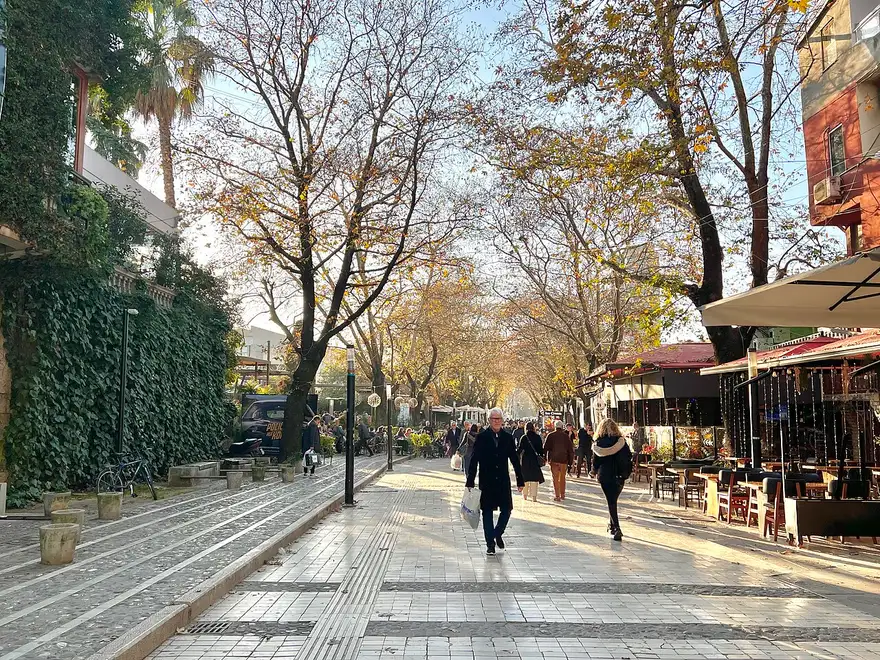
Whether you’ll need a coworking membership at all is a genuine choice. Tirana’s cafe culture is strong enough that many people work from cafes for the price of a coffee or two a day, and a EUR 1 to 1.50 macchiato buys a lot of table time. The case for paying for coworking is reliable upload speed, a proper chair and desk, quiet for calls, and meeting other remote workers, which matters more here than in a big hub precisely because the community is smaller.
Where to live
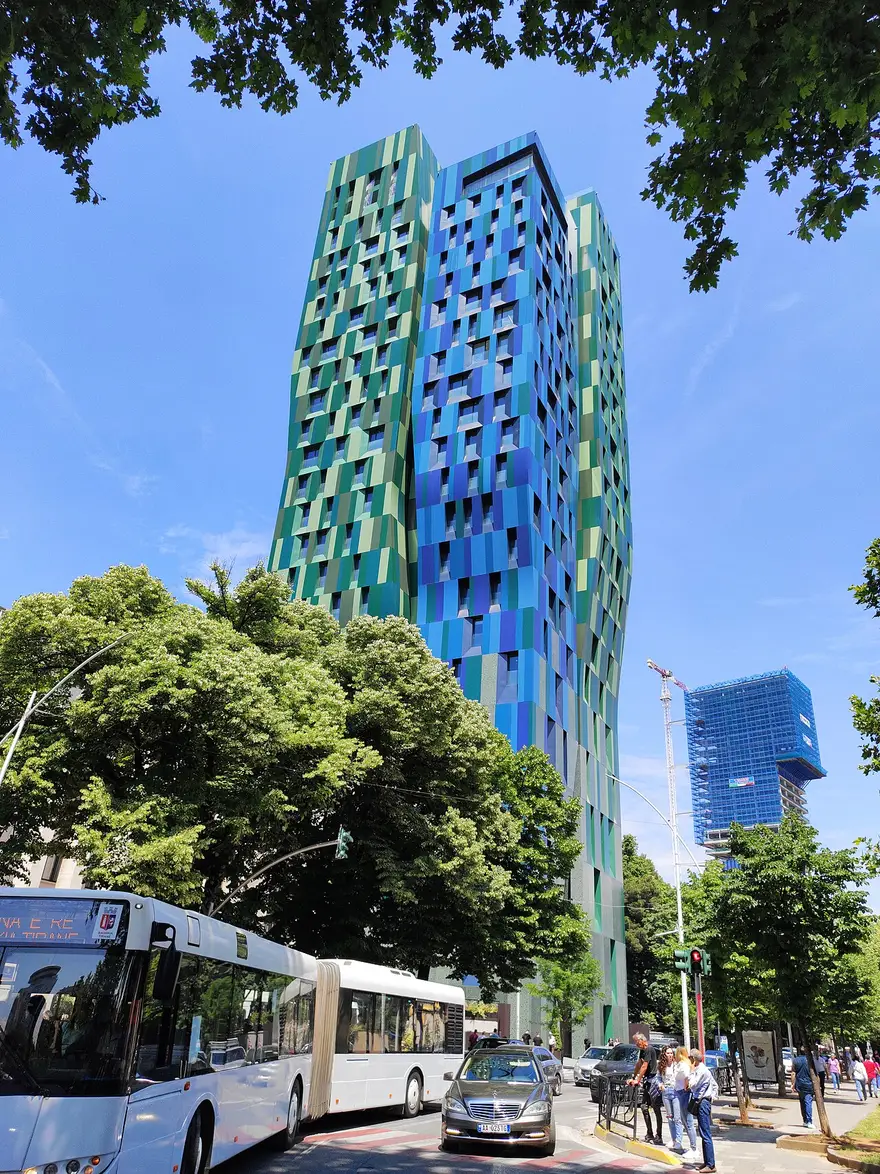
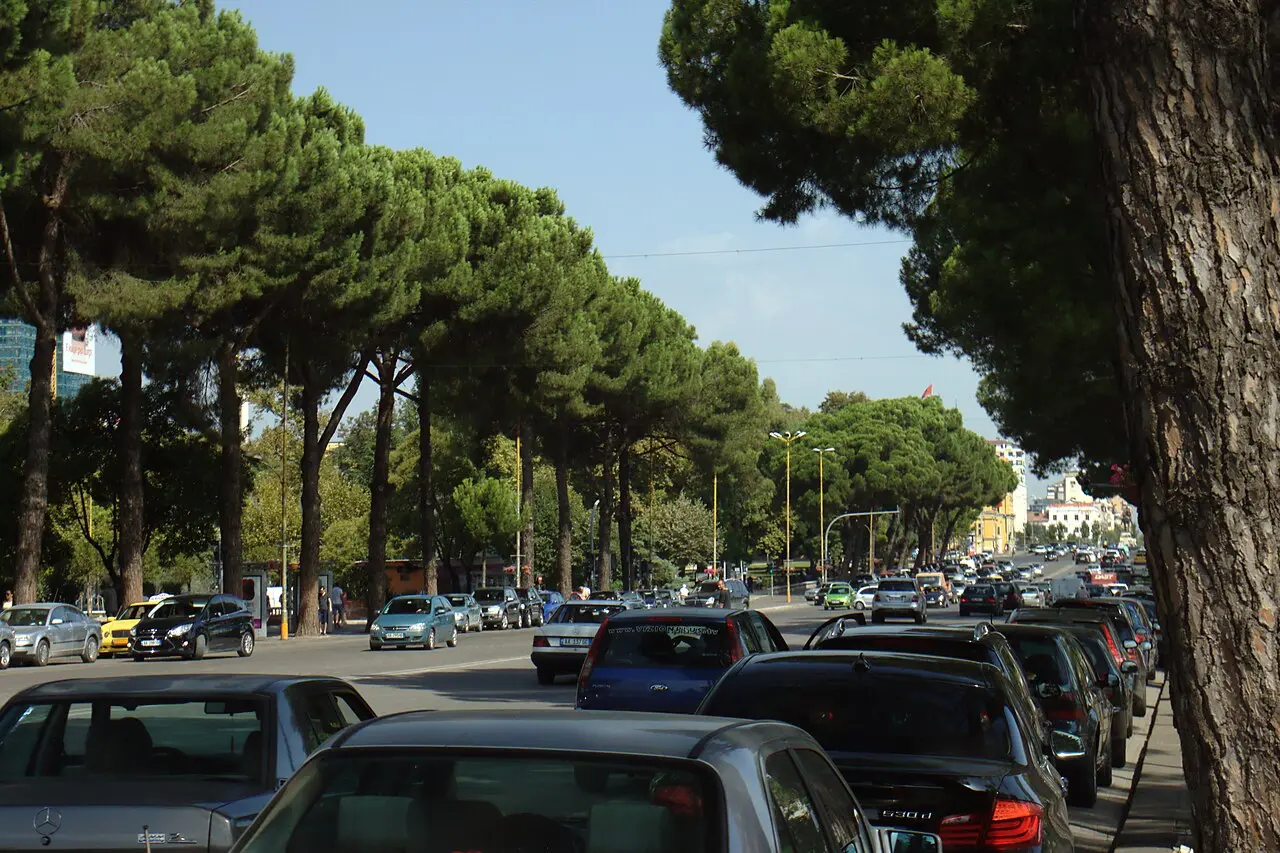
The centre is compact, so your choice is about atmosphere more than distance. Blloku is the obvious base: once closed to ordinary Albanians under communism, it’s now the cafe-and-bar district and the natural home for remote workers, though light sleepers should pick a street set back from the nightlife. Pazari i Ri, around the New Bazaar, is the food quarter, local and lively. For calmer and cheaper, look near the Grand Park, or in the Komuna e Parisit and 21 Dhjetori areas, all a walk or short ride from the centre. Our where to stay in Tirana guide breaks the neighbourhoods down in detail.
Here’s a practical tip that saves both money and a bad lease: spend your first couple of weeks in a serviced flat or aparthotel, use them to test the real fibre speed and the street noise where you might sign, and only then commit to a long-term rental you’ve seen in person. The unfurnished local leases you turn up that way undercut the furnished, euro-priced listings aimed at foreigners. Nomads who later buy a central flat instead of renewing leases should read buying property in Albania for cadastre and title risks before they commit.
What it costs to base here
For a rough monthly nomad stack in Tirana, think rent of EUR 400-600 for a central one-bed (nearer EUR 350 a little further out), EUR 100-145 for coworking if you use it, EUR 15-30 for home fibre, and low daily spending on food, coffee and transport, where city buses are a flat 40 lek (about EUR 0.35) a ride. That’ll land most solo nomads in the EUR 1,000-1,600 a month range, tilting higher if you take a central furnished flat and a fixed coworking desk, and lower if you share, cook, and work from cafes.
The two levers that move the number most are rent and whether you pay for coworking. Everything else, food especially, stays cheap enough that it rarely decides your budget. For the fuller month-by-month picture across rent, utilities, groceries and transport, see our cost of living in Albania guide.
Community and downtime
The nomad and startup community is smaller than in the big hubs, so you’ll want to be proactive: coworking spaces, tech and language meetups, and cafe regulars are how most people build a circle here. The upside of a compact city is that a good social life is easy to reach on foot.
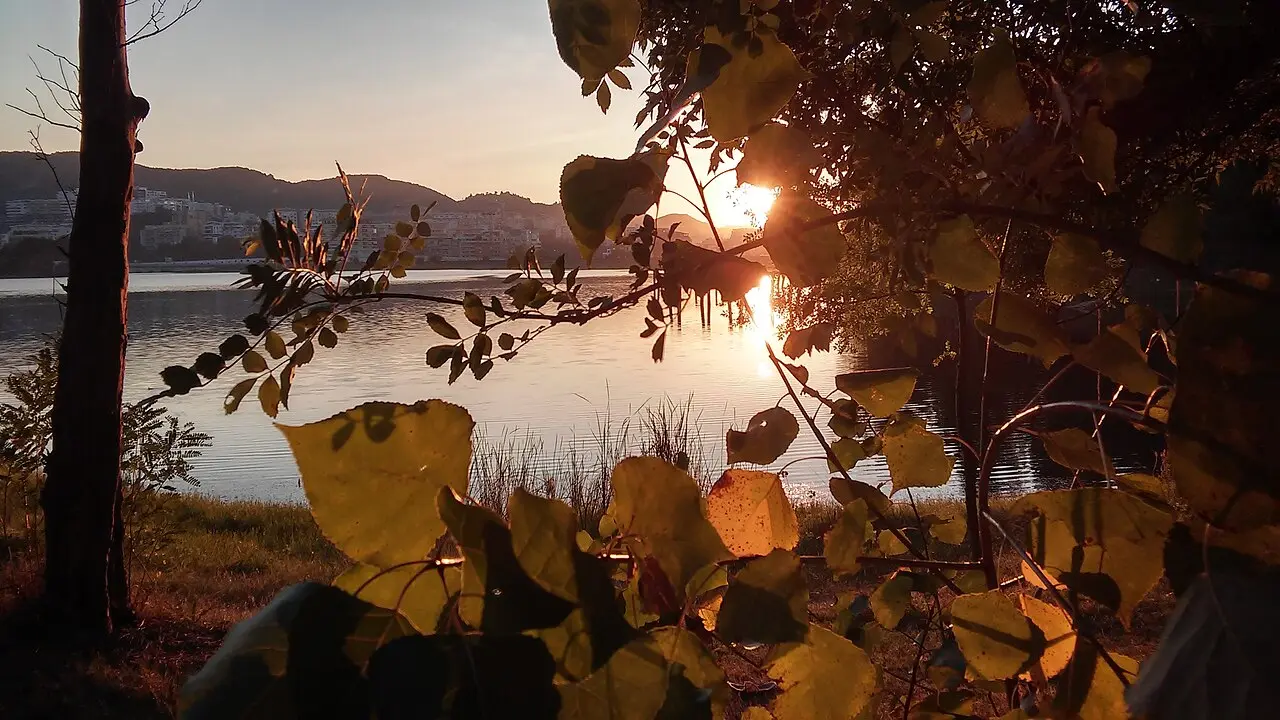
When the laptop closes, the Grand Park and its artificial lake are the city’s outdoor living room for running, rowing and long coffees, and the surrounding country is close: the Riviera beaches and the northern mountains are both doable as weekends away. For a first list of things to do in the city, see our things to do in Tirana guide, and for evenings out, the Tirana nightlife rundown covers where the city goes after dark.
The visa: sort it properly
Short visits run on visa-free entry for many nationalities; for anything longer, Albania’s long-stay route is the Unique Permit (Leje Unike), which includes a dedicated digital nomad category. Because the income thresholds and tax rates change and are disputed between sources, this guide keeps them out: confirm the current rules at the official sources and read our dedicated Albania digital nomad visa and Unique Permit guide, which keeps those figures where they belong. If your pay will come from an Albanian employer instead, the route is the employee permit in working in Albania.
Bottom line
Tirana’s one of Europe’s better value bases for a remote worker who wants a real, affordable city rather than a manicured nomad scene. The internet is fast and cheap, rent and food are low, the centre is walkable, and the coast and mountains are close for weekends. Getting in is easy too: the airport sits about 25 minutes from the centre and the bus is 400 lek (around EUR 4), covered in our Tirana airport transfers guide.
Set your budget around rent and coworking, line up fibre or a coworking desk if your work needs reliable speed, and keep the visa and tax questions firmly on the official-source list. Do that, and Tirana rewards you with a lot of city for the money.
Read also

Relocation · 12 min read
Working in Albania: Work Permit, Tax & Take-Home Pay
Verified · October 13, 2026A job with an Albanian employer needs its own permit, not the nomad one. Who skips the AKPA review, which clock to trust, and what 100,000 lek gross nets.

Relocation · 14 min read
Moving to Albania: The Complete Relocation Checklist
Verified · October 9, 2026Moving to Albania in 2026, in order: choose the permit, apostille your papers, file early, then register your address within 30 days. Pets, car, shipping.

Relocation · 12 min read
Retiring in Albania: Permit, Tax, Health & Where to Settle
Verified · October 6, 2026Retiring in Albania in 2026: the pensioner permit, the ALL 1.2m pension figure moved in 2025, the 183-day tax line, health cover and where to live.

Relocation · 15 min read
Healthcare in Albania for Expats & Nomads
Verified · September 12, 2026How Albania public health insurance works for employees, freelancers and nomads - FSDKSH rates, health cards, EHIC limits and private care.