Cost of Living in Albania: Monthly Budget 2026
What it really costs to live in Albania in 2026: monthly rent, utilities, groceries, internet and transport, plus realistic single and couple budgets.
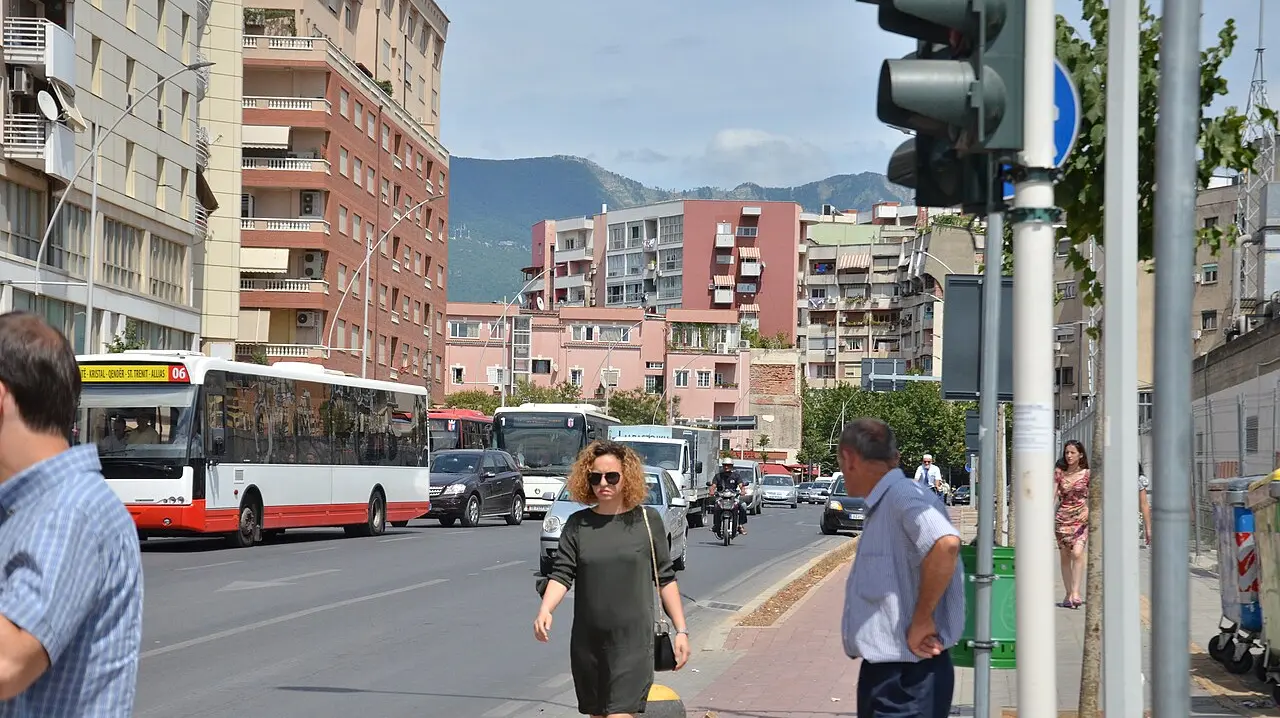
Living in Albania in 2026 costs most single people somewhere around EUR 900-1,300 a month, all in, for a comfortable rather than luxurious life, with rent as the biggest single line. A couple sharing one apartment usually lands nearer EUR 1,300-2,000 a month. The country is still clearly cheaper than Western Europe, but the “spend EUR 500 a month” stories from a few years ago no longer hold in central Tirana.
A word on where these come from, because it matters for how much weight to give them. Rent, groceries, a coffee, a beer - none of these has an operator you can ask; there’s no published tariff for a one-bedroom flat in Tirana. So the numbers below are resident price surveys (Numbeo, Wise, Expatistan) plus expat reports, cross-checked where we could. Anything with a real operator behind it - a bus fare, a visa fee, a utility connection - we take from that operator instead and say so. Treat the survey bands as planning ranges, not quotes: they move with the euro-to-lek rate, the neighbourhood and the season, so check current listings before you commit to anything.
General information, not legal, tax or financial advice. Residence, tax and healthcare rules change and depend on your nationality and situation. Confirm anything that affects your status with the official source (e-albania.al, tatime.gov.al) or a local professional before you move or sign a contract.
Monthly budget at a glance
| Profile | Realistic monthly spend | What it assumes |
|---|---|---|
| Single, lean | EUR 650-900 | Room or small flat outside the centre, cooking at home, buses, few extras |
| Single, comfortable | EUR 900-1,300 | Central one-bed rental, mix of home cooking and eating out, gym, social life |
| Couple sharing | EUR 1,300-2,000 | One central apartment, regular restaurants, some travel around the country |
These bands line up with 2026 write-ups from Wise and local expat bloggers, but your real figure depends heavily on rent, and rent depends heavily on where and how you look.
Rent: the line that decides your budget
Rent is where most of the variation lives. In Tirana, a one-bedroom apartment in the centre commonly runs EUR 400-600 a month, while the same size a little further out drops to roughly EUR 350-450. Prices have risen with the city’s popularity, so the headline “cheap Albania” figure you saw on an old forum is probably out of date.
Two things are worth knowing before you sign. First, listings aimed at foreigners, especially furnished short-term flats advertised in euro, sit at the top of these ranges; long, unfurnished local rentals negotiated on the ground are cheaper. Second, the coast and the smaller towns behave differently: off-season, places like Vlora, Berat or Shkoder can be noticeably cheaper than the capital, but on the Riviera a summer short-let can cost more per month than a central Tirana flat. If you’re picking an area, our where to stay in Tirana guide breaks the neighbourhoods down by character.
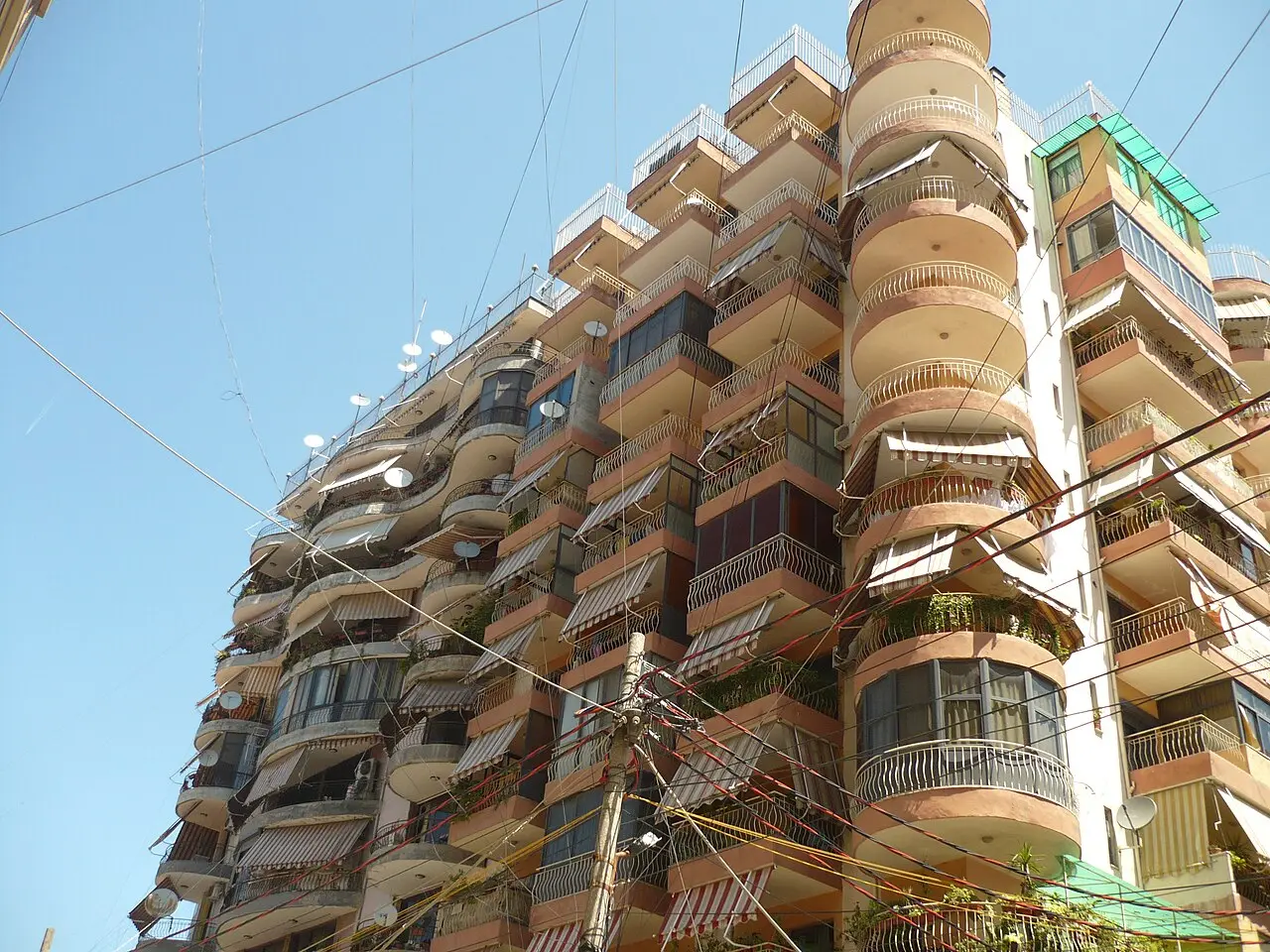
A practical tip: many people book a serviced flat or aparthotel for the first two or three weeks, then flat-hunt in person once they know which streets they like. It costs a little more up front but saves signing a year-long lease on a neighbourhood you’ve only seen in photos.
Utilities, internet and mobile
Fixed monthly bills are modest by European standards, with one seasonal catch.
- Utilities (electricity, water, rubbish) average roughly EUR 80-100 a month across the year, but that hides a swing: expect nearer EUR 55-80 in summer and EUR 90-150 in winter, because most flats heat and cool with electricity, and January bills bite.
- Home internet is a genuine bargain. Fibre at 50-100 Mbps is standard in Tirana and costs about EUR 15-30 a month, which is one reason remote workers find the city easy to settle into.
- Mobile is cheap too: a local prepaid SIM with tens of gigabytes runs the equivalent of about EUR 20-25, depending on the plan and operator.
Internet quality and price are a big part of why Albania works for people earning abroad. If that’s you, our Tirana digital nomad guide covers coworking, connectivity and where to base yourself, and our Albania digital nomad visa and residence coverage handles the legal side before you plan a longer stay.
Groceries and eating out
Food is where Albania still feels genuinely affordable. A single person cooking mostly at home spends roughly EUR 80-150 a month on groceries, buying produce cheaply from markets and stocking up at supermarkets for everything else. Fresh fruit, vegetables, bread, cheese and eggs are the strong-value items; imported and branded goods cost closer to Western prices.
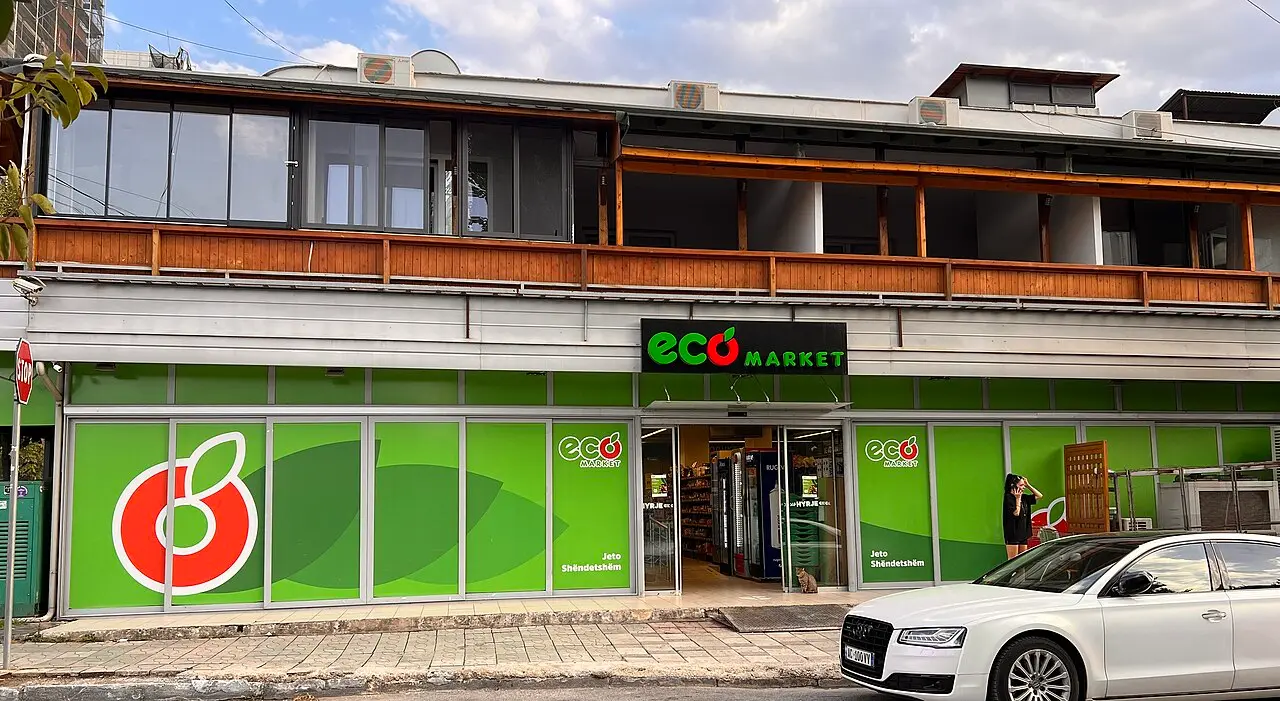
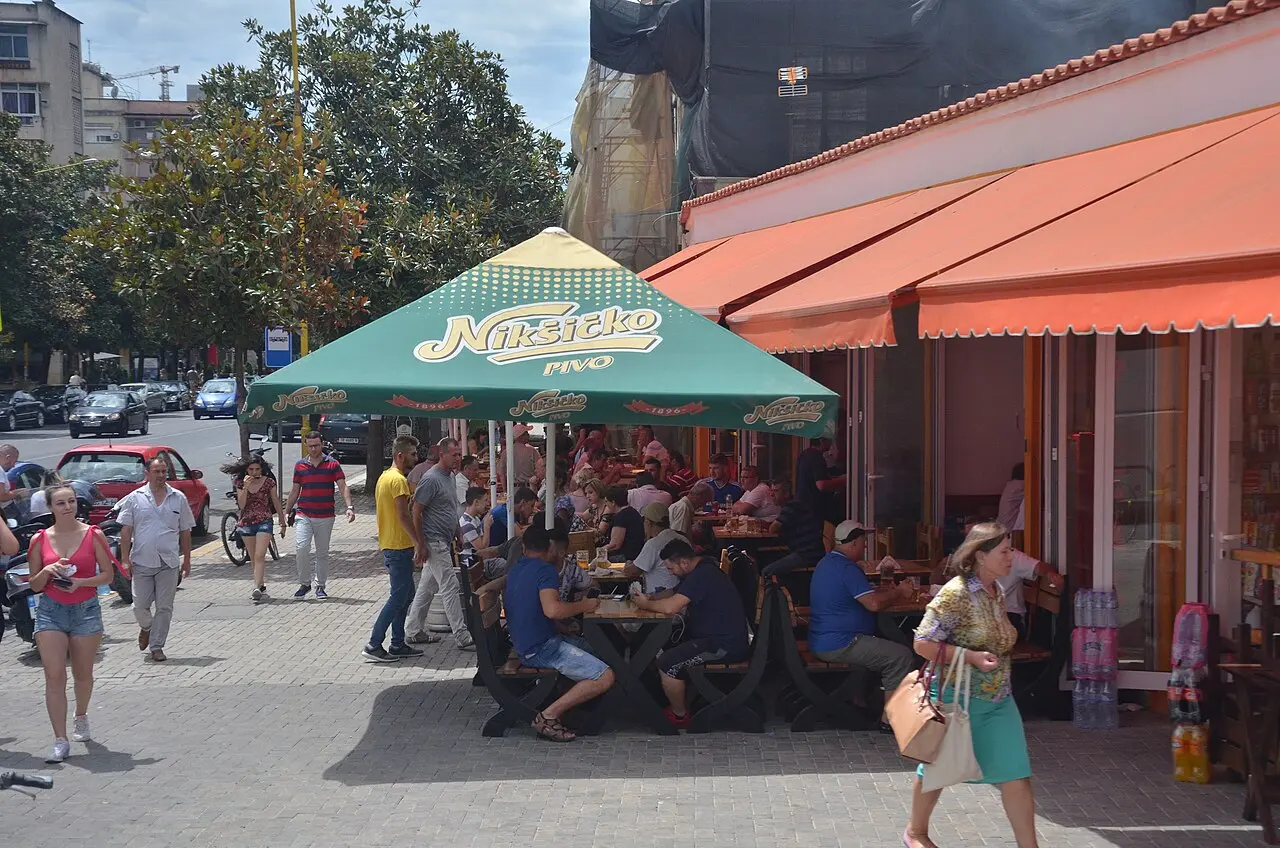
Eating out stays cheap if you eat where locals do. A meal at an inexpensive restaurant in Tirana is commonly 600-800 lek (about EUR 6-8.50) on 2026 Numbeo data, and a simple local lunch can be 300-450 lek. A portion of byrek is often just 60-80 lek, and a coffee sits around EUR 1 to 1.50. Coffee culture is close to a daily ritual here, and it barely dents a budget. The costs climb only when you move to Western-style brunch spots, cocktails and restaurants aimed at visitors.
Getting around
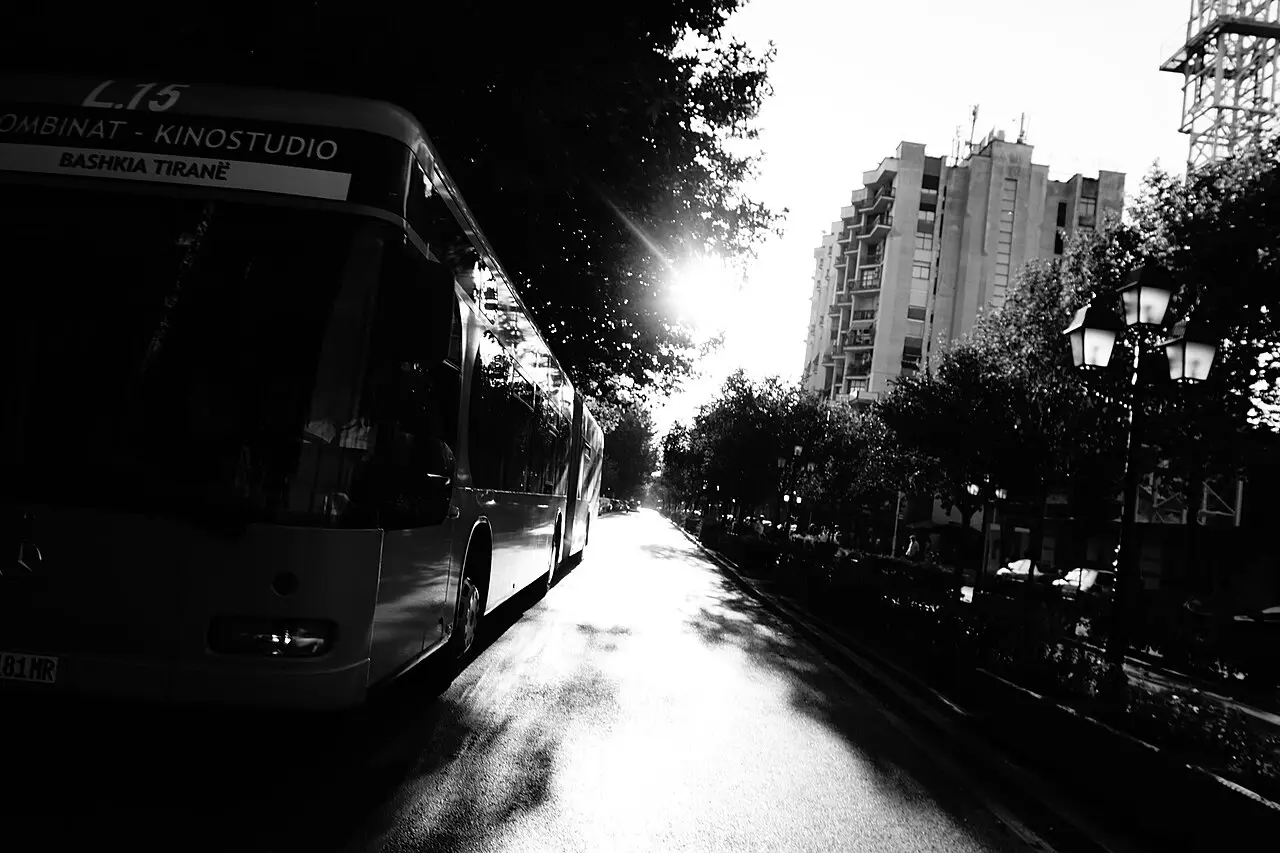
You can live in Tirana without a car. City buses charge a flat 40 lek per ride (around EUR 0.35), which makes daily transport almost a rounding error in a monthly budget. There’s no widely published tourist travelcard, so buy tickets on board and confirm any monthly-pass option locally, because it changes.
For trips beyond the capital, intercity buses and furgons keep costs low, though schedules can be informal. Owning a car adds insurance, fuel and parking, and is only worth it if you regularly leave the city. Our guide on getting around Albania covers the bus-and-furgon network if you plan to explore.
Healthcare and insurance
Albania has a public health system, but many foreigners living here use private clinics for anything beyond the basics, and they carry private or international health insurance to go with it. Out-of-pocket private consultations are inexpensive compared with Western Europe, yet a serious problem is a real cost, so cover matters. Rather than quote premiums, which vary widely by age and policy, budget a monthly line for insurance and read the terms carefully. For how the public Fund works for expats and nomads, see healthcare in Albania. If you’re still weighing whether you need a policy at all, start with our Albania travel insurance guide; the box below covers a plan built for long stays and remote workers.
Residence and tax: the part to verify, not guess
This is the section where old blog numbers do the most damage. Long-stay residence in Albania runs through the Unique Permit (Leje Unike), which includes a digital nomad category, and the country has a personal income tax plus a simplified regime for small businesses. Beyond that, this guide deliberately won’t quote you a threshold or a rate.
The reason is simple: those figures change and are genuinely disputed between sources, and getting your tax or residence position wrong is expensive. Confirm the current rules directly at the official sources, or with a local accountant or lawyer, before you make any decision. For the mechanics of how residence works in practice, read our Albania digital nomad visa and Unique Permit guide, which keeps the specific numbers in the “verify with the authority” column where they belong.
Trimming the monthly bill
If your budget is tight, the savings are concentrated in a few decisions rather than in daily penny-pinching. Renting unfurnished on a long local lease, a little out from the centre, is the single biggest lever, and it’s where the euro-priced foreigner listings lose to word-of-mouth and local agents. After that: shop produce at markets and keep the supermarket for the rest, treat coffee and local restaurants as the affordable social life they are, and skip a car unless you genuinely need one.
Budget for the one-off costs of arriving, too. A rental normally wants a deposit on top of the first month, and if you use an agent there’s usually a finder’s fee, so ask what’s due upfront before you fall for a flat. Furnishing an unfurnished place, or paying any residence and permit fees, are separate line items to confirm locally rather than assume. Landlords and utility companies often expect an Albanian IBAN for standing orders, so put opening a bank account in Albania on the arrival checklist with the flat hunt. If you’re leaning toward ownership instead of another lease renewal, our buying property in Albania guide walks through cadastre checks and foreign ownership limits before you wire money.
Is it worth it?
For remote workers, retirees on a Western pension and long-stay travellers, Albania in 2026 still offers a strong quality-of-life-to-cost ratio: cheap fast internet, low food and transport costs, and rents that, while rising, remain well below Paris, Berlin or Lisbon. The trade-offs are the winter heating bills, the paperwork, and a Tirana rental market that has learned what foreigners will pay.
Set your budget around rent first, add the modest fixed bills, and keep the residence and tax questions on the official-source list. If you want the visitor’s angle on prices rather than the resident’s, our is Albania expensive guide covers short-trip costs. Do the homework and the monthly numbers are, for most people, comfortably livable.
Read also

Relocation · 12 min read
Working in Albania: Work Permit, Tax & Take-Home Pay
Verified · October 13, 2026A job with an Albanian employer needs its own permit, not the nomad one. Who skips the AKPA review, which clock to trust, and what 100,000 lek gross nets.

Relocation · 14 min read
Moving to Albania: The Complete Relocation Checklist
Verified · October 9, 2026Moving to Albania in 2026, in order: choose the permit, apostille your papers, file early, then register your address within 30 days. Pets, car, shipping.

Relocation · 12 min read
Retiring in Albania: Permit, Tax, Health & Where to Settle
Verified · October 6, 2026Retiring in Albania in 2026: the pensioner permit, the ALL 1.2m pension figure moved in 2025, the 183-day tax line, health cover and where to live.

Relocation · 15 min read
Healthcare in Albania for Expats & Nomads
Verified · September 12, 2026How Albania public health insurance works for employees, freelancers and nomads - FSDKSH rates, health cards, EHIC limits and private care.