20 Things to Know Before Visiting Albania
Albania travel tips for 2026: lek not euros, cash rules, wild roads, when to go, tipping, tap water and eSIM - the 20 things to sort before you go.
Albania is one of the easiest countries in Europe to enjoy and one of the easiest to get wrong on the small stuff - handing over euros and losing on the rate, hitting the coast in mid-August, or assuming a card will work at a mountain guesthouse. None of it ruins a trip, but sorting it in advance saves you money and hassle. Here are the 20 things worth knowing before you go, each linked to a full guide if you want to dig deeper.
Money: the part that trips people up
1. The currency is the lek, not the euro. Albania uses the Albanian lek (ALL), and prices are quoted in lek almost everywhere. Through 2026 one euro has been worth roughly 94 to 100 lek depending where you change it (the mid-market rate has hovered in the low-to-mid 90s), so a quick shortcut is to divide a lek price by 100 for a rough euro figure, then nudge it up a touch. Confusingly, locals sometimes quote big prices in “old lek” (an informal habit of adding a zero), so if a number sounds ten times too high, ask.
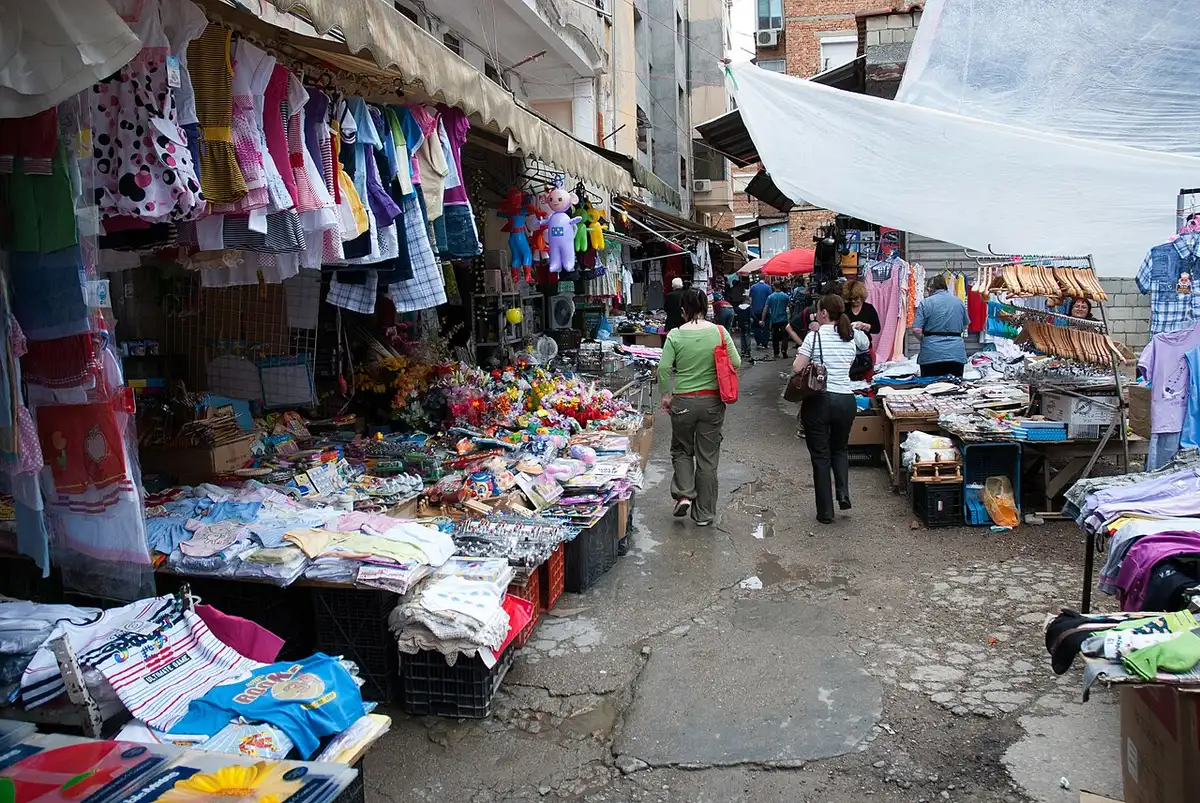
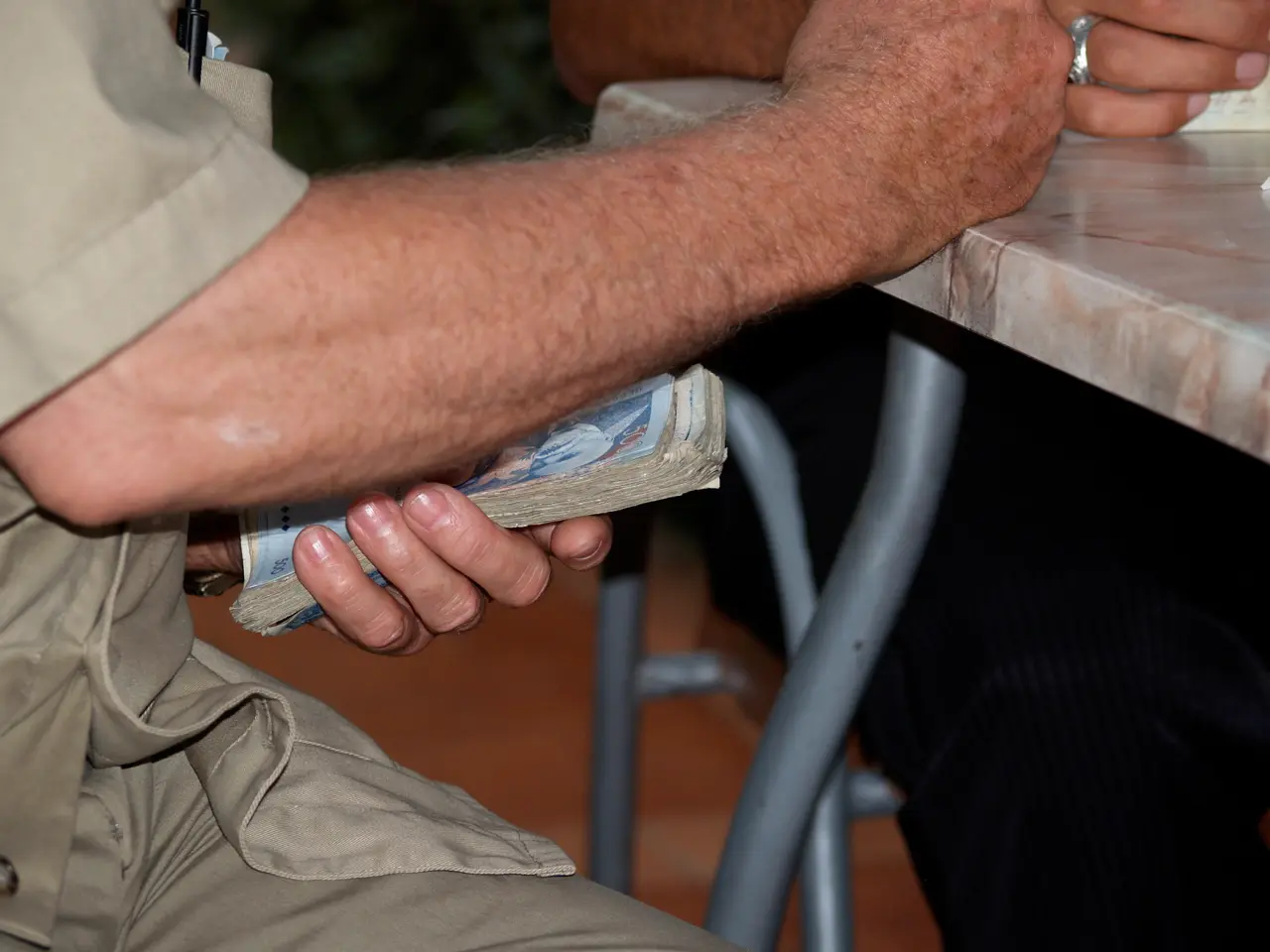
2. Carry cash, and more of it than you think. Cash still runs the country outside the cities. Cards work fine in Tirana hotels, bigger restaurants and supermarkets, but the furgon driver, the beach bar, the mountain guesthouse, the market stall and the parking attendant all want lek in hand. Pull out a decent chunk when you find a good ATM rather than hunting for one every day. Full breakdown in our guide to cash or card in Albania.
3. Don’t pay in euros if you can help it. Plenty of tourist businesses will take euros, but almost always at a lazy round rate of 1 euro to 100 lek, which quietly costs you a few percent, and your change comes back in lek anyway. Pay in lek and you keep that margin.
4. Watch the ATM fees and always decline the conversion. Some Albanian ATMs (the ones branded for tourists) add heavy own-machine fees and cap withdrawals low; local bank ATMs are usually gentler. Whenever a screen offers to charge you “in your home currency,” say no and choose lek - that “dynamic currency conversion” is a built-in markup. Which machines to trust is covered in the cash or card guide.
5. Tip in cash, in lek. Tipping is appreciated but low-key: round up at a cafe, leave roughly 5 to 10 percent at a sit-down restaurant, and hand it over in cash even if you paid the bill by card, so it reaches the staff. Nobody expects US-style tipping.
Getting around: slower than the map suggests
6. The roads are the real adventure. Driving in Albania is the thing first-timers underestimate. Main routes are fine, but the coast and mountains are narrow, winding and busy with scooters, overtaking trucks, pedestrians and the occasional herd of goats. Give every leg more time than the distance implies and never rush a blind bend. Our driving safety guide has the honest local picture.
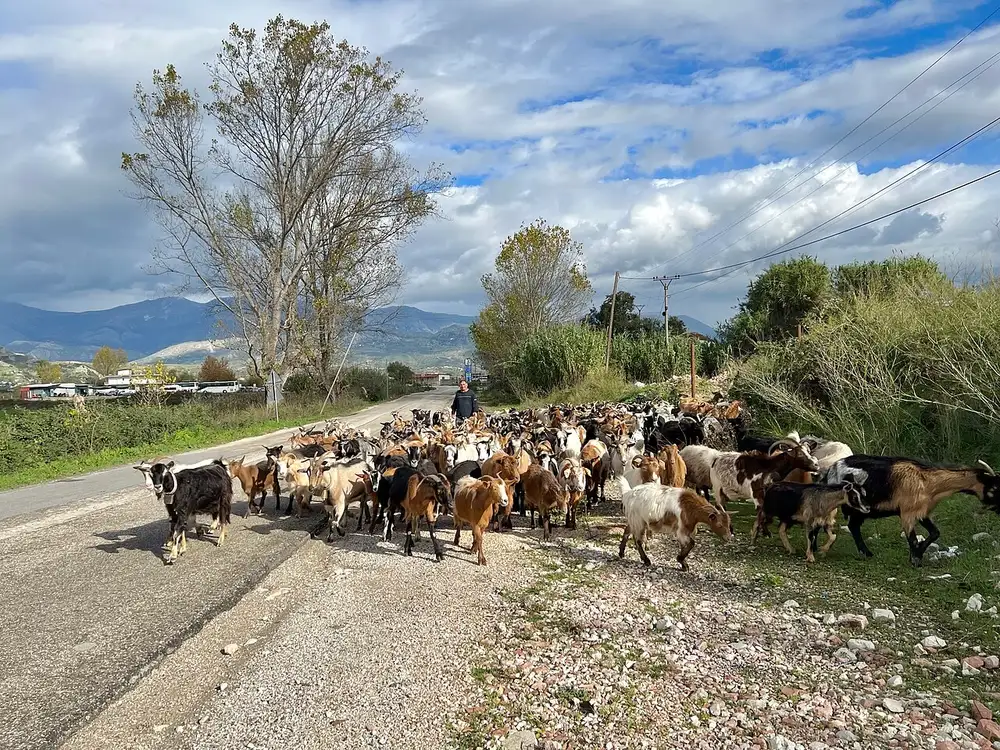
7. Furgons fill the gaps buses miss. The backbone of local transport is the furgon, a shared minibus that leaves when it fills up rather than to a fixed timetable. They’re cheap, they go where scheduled coaches don’t, and you pay the driver in cash. There is no slick booking app - you ask around the bus area and turn up. See how to get around Albania for the routes and rhythms.
8. There’s basically no useful train. Albania’s railway is a skeleton of slow, run-down lines that no traveller needs. Even Tirana lost its central station years ago. Plan around buses, furgons, a rental car or private transfers, and forget the train entirely.
9. A local SIM or eSIM is cheap and worth it. Mobile data is inexpensive here, and if Albania is one stop on a wider route, where an EU SIM works free across the Balkans shows which borders cost you and which do not, and having maps and translation live makes the whole trip smoother. You can buy a physical SIM at the airport or in town, or set up an eSIM before you land so you’re connected the moment you arrive. Our pick of the best eSIM for Albania compares the options.
When to go, and the coast
10. Shoulder season is the sweet spot. July and August are hot, crowded and priciest on the coast; if you can, come in late May, June, September or early October for warm sea, open roads and far fewer people. The trade-offs by month are in our best time to visit Albania guide.
11. Most beaches are pebble, and sunbeds cost money. The famous turquoise water often laps onto white pebbles rather than soft sand (Ksamil is the sandy exception everyone crowds). Bring water shoes if your feet are tender, and expect to pay for a sunbed-and-umbrella set at organised beaches, usually more the closer you’re to the water.
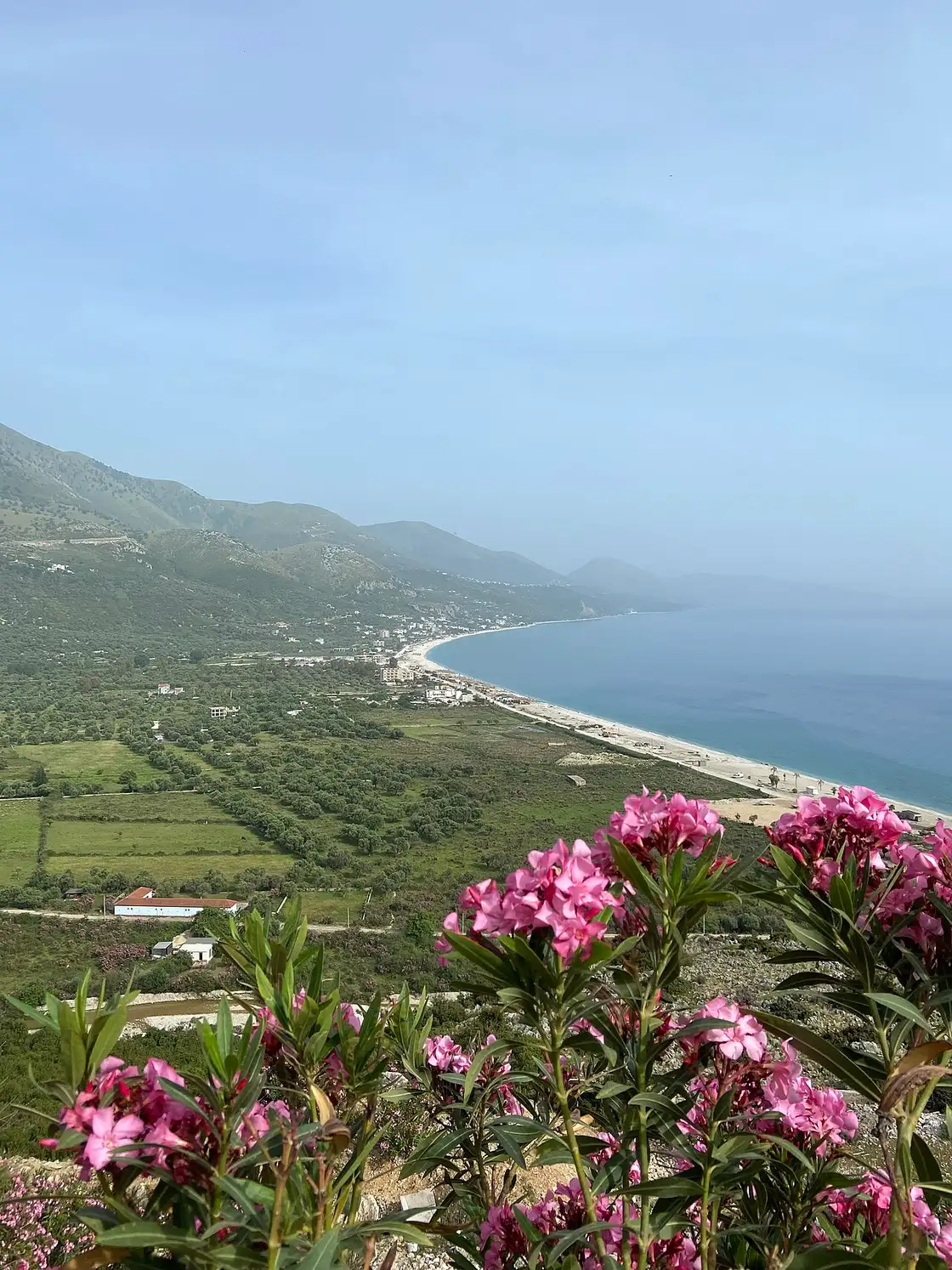
12. Book beach-town beds ahead in peak. Himara, Saranda, Ksamil and Dhermi fill up in high summer, and the good-value rooms go first. Reserve before you travel in July and August rather than hoping to roll into town and find something.
13. Give the country enough days. Albania looks small, but the slow roads eat time and the mix of mountains, coast and old towns rewards a proper trip. A week is a comfortable minimum for beaches plus one inland region; our how many days in Albania guide helps you budget the time.
Culture, health and the practical stuff
14. It’s a safe country, with ordinary caveats. Albania is low-crime by European standards and the people are famously welcoming; the realistic risks are petty theft in crowds and things left in parked cars, not violence. The single emergency number is 112. The full, honest read is in is Albania safe, and if you are travelling on your own, the specifics are in solo female travel in Albania.
15. Albanians are genuinely helpful. Hospitality (besa) runs deep, and a lost or confused visitor will often be walked to the right place by a stranger. A local “yes” nod can also look a lot like a head shake, so double-check if a gesture seems to contradict the words.
16. A few Albanian words go a long way. Younger people often speak good English, and older generations frequently understand Italian or Greek, but learning faleminderit (thank you) and ju lutem (please) earns real warmth. Don’t assume English everywhere in rural areas.
17. Stick to bottled water. Tap water quality varies by town and source, so most travellers drink bottled or filtered water to be safe. It’s cheap and sold everywhere.
18. Bring plug type C or F. Albania runs on 230V, 50Hz with the standard European round-pin sockets (types C and F). EU visitors need nothing; travellers from the UK, US or Australia need an adapter. Modern phone and laptop chargers are dual-voltage, so an adapter is usually all it takes.
19. Get travel insurance. Public healthcare outside Tirana is basic, and a decent policy covers the mountain roads, hiking, water activities and the occasional stomach bug. Sort it before you go - our travel insurance guide explains what to look for.
20. Keep small cash for the little charges. A run of small, cash-only costs adds up: the Blue Eye spring entry (about 50 lek plus parking), beach and town parking, small guesthouses, and the Llogara tunnel tariff (about 250 lek a car) if it ever starts being collected - as of 18 July 2026 it wasn’t. Keep a pocket of 100, 200 and 500 lek notes and you’ll never be caught out. Once the practicalities are sorted, start planning with our things to do in Tirana.
None of these are dealbreakers - Albania is forgiving, cheap and warm-hearted. Sort the money, the timing and the roads before you fly, and you spend the actual trip on the beaches and in the mountains instead of at an ATM.
Read also

Before you go · 13 min read
Theth vs Valbona: Where to Base in the Albanian Alps
Updated · September 25, 2026Theth vs Valbona in 2026: which Alps valley to base in without the full crossing - access from Tirana, guesthouse costs and crowds compared.

Before you go · 8 min read
Where to Stay in Gjirokaster: Old Town Stone Hotels
Updated · September 3, 2026Where to stay in Gjirokaster: Old Town stone boutiques and guesthouses versus the flat new town - cobbles, parking and what each lodging type really costs.

Before you go · 11 min read
Berat vs Gjirokaster: Which Ottoman Town to Visit?
Updated · September 25, 2026Berat vs Gjirokaster in 2026: white-window Berat is closer from Tirana; stone Gjirokaster fits the south. Compare sights, travel times and who each suits.

Before you go · 11 min read
Where to Stay in Shkodra: Old Town, Lake or Alps Base
Updated · September 25, 2026Where to stay in Shkodra: the Old Town, quiet Zdrale, lakeside Shiroka, or a hiker hostel that runs its own transfer to Theth and the Koman ferry.