Best Things to Do in Tirana
Best things to do in Tirana: Skanderbeg Square, the Pyramid, Dajti cable car, Bunk’Art, plus where to stay, eat and how to get in from the airport.
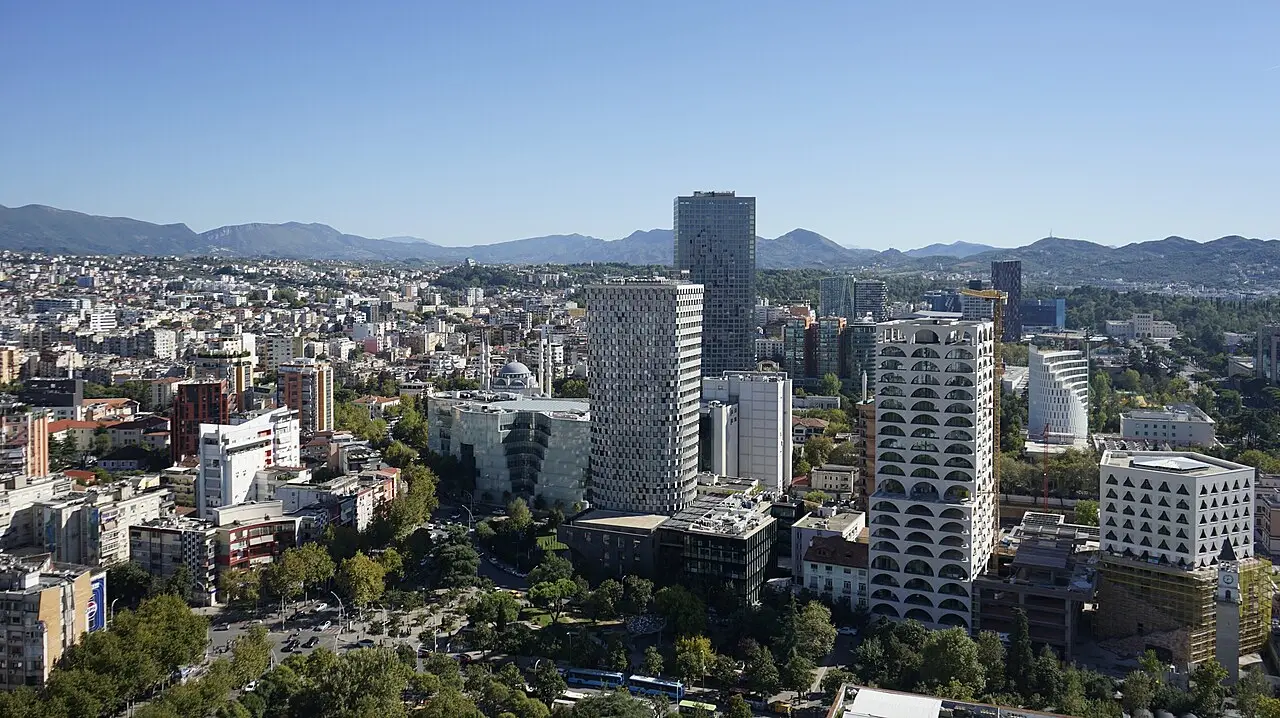
Tirana is the kind of capital you can size up in a single long weekend and still want to come back to. The headline things to do cluster within walking distance of one central square: stand under Skanderbeg’s statue, climb the reborn Pyramid, ride the Dajti cable car for the big mountain view, and step into a Cold War bunker turned museum. Around that core spreads a young, café-loud city of repainted apartment blocks and leafy boulevards that rewards a slow wander as much as a tick-list.
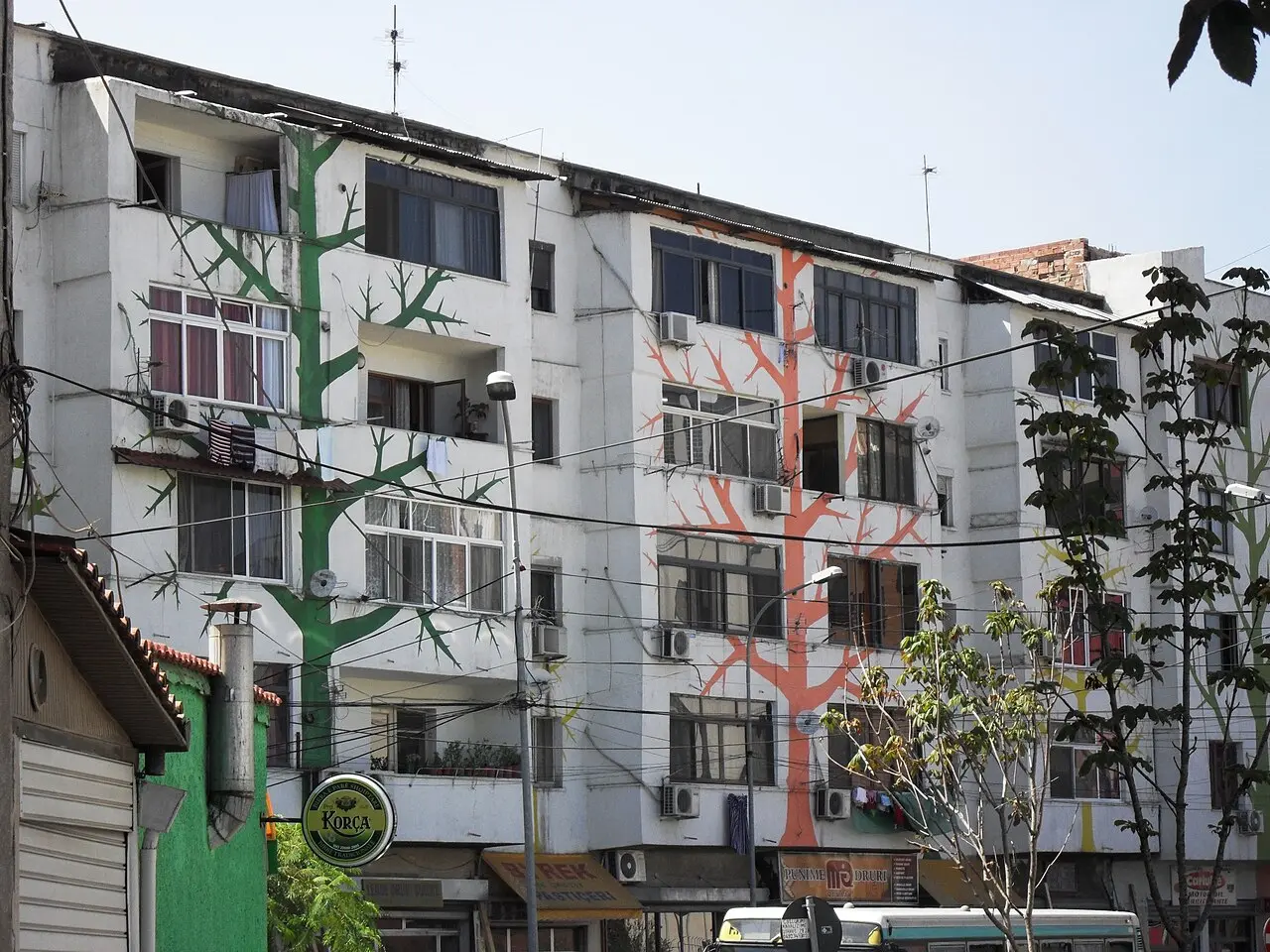
What gives Tirana its charge is transformation: a communist-era pyramid reclaimed as a public landmark, dictatorship bunkers reopened as museums, and grey socialist blocks splashed with colour. The sights are quick to see - the reason to linger is the mood of a city rebuilding itself out loud.
What to see in Tirana
The compact centre means most of the must-sees are a short walk apart, so you can cover the highlights on foot and save the cable car and outer museums for a relaxed half-day each.
Skanderbeg Square and the old core
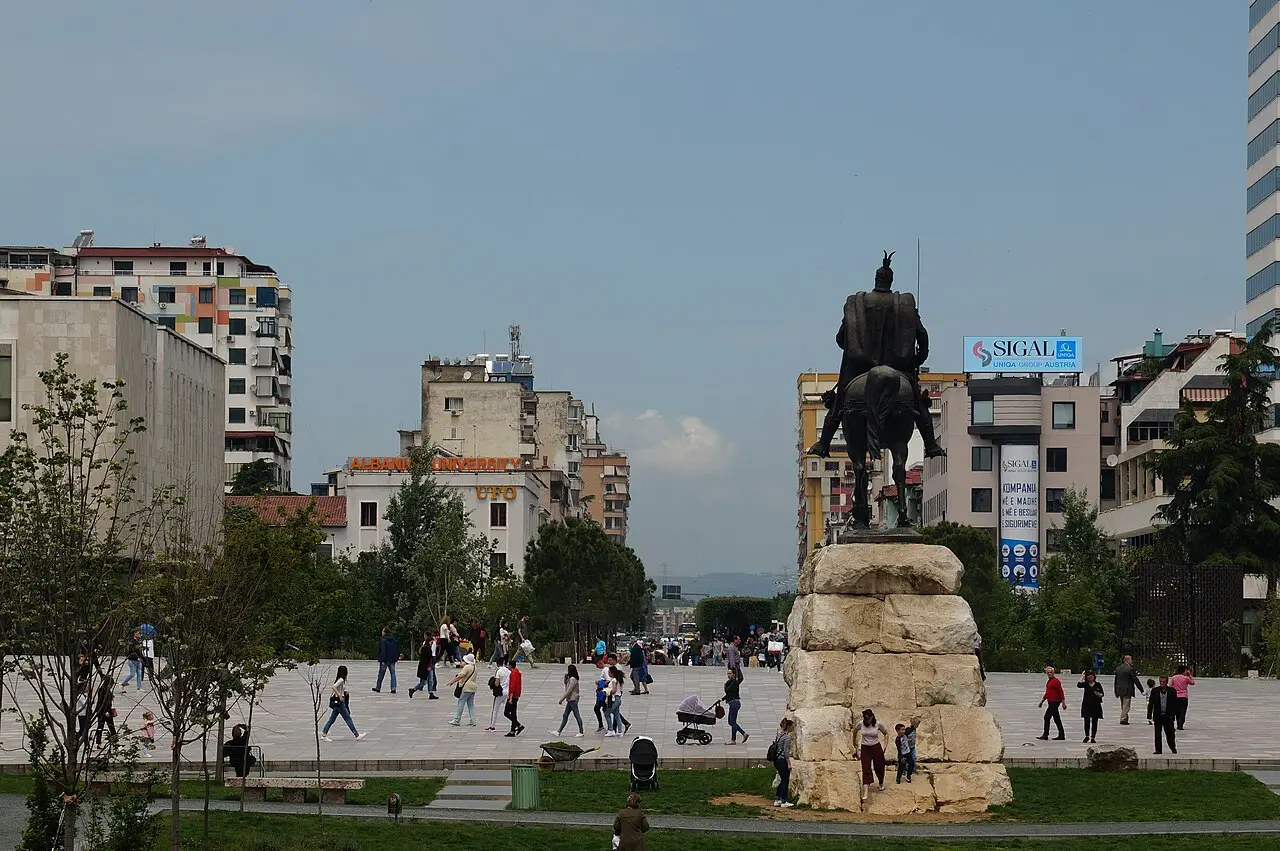
Everything starts at Skanderbeg Square (Sheshi Skënderbej), the vast pedestrianised plaza named for Albania’s national hero, whose equestrian statue presides over one edge. Once a roundabout, it’s now an open expanse of pale stone ringed by the city’s landmark institutions - the National History Museum with its mosaic facade, the opera house, and the buildings of the old Italian-built core. It’s the natural place to begin, get your bearings, and people-watch as the city cycles, scoots and strolls across it.
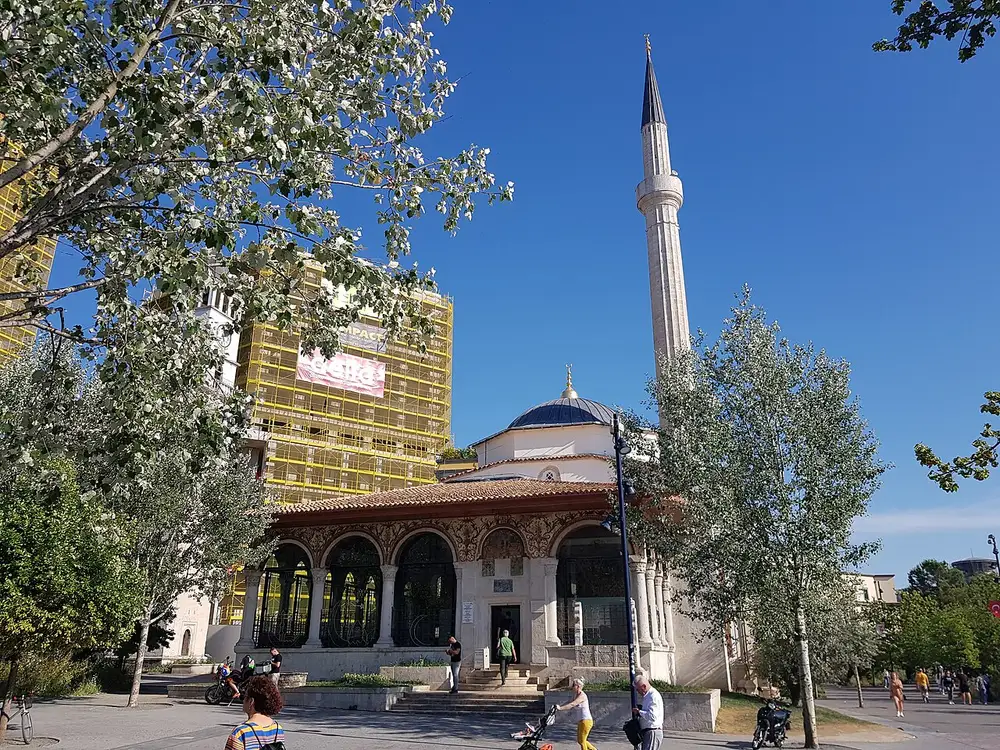
On the square’s southern side stand two of Tirana’s oldest survivors: the elegant Et’hem Bey Mosque, an early-19th-century building celebrated for the frescoes inside its portico, and the slender Clock Tower (Kulla e Sahatit) beside it, which you can usually climb for a quick view over the plaza. They make an easy first stop, a few steps from the statue - don’t skip them.
The Pyramid of Tirana
A few minutes’ walk south on the main boulevard, the Pyramid of Tirana is the city’s most photogenic comeback story. Built in the late 1980s as a museum to the communist dictator Enver Hoxha, it spent decades derelict before a 2021-2023 renovation by the Dutch studio MVRDV turned it into a public landmark wrapped in colourful boxes that now house TUMO, a free tech-education centre for teenagers. The point for visitors is simple and free - you’ll get it in minutes: you can walk up the new external staircase to the top for a sweeping view across the centre.
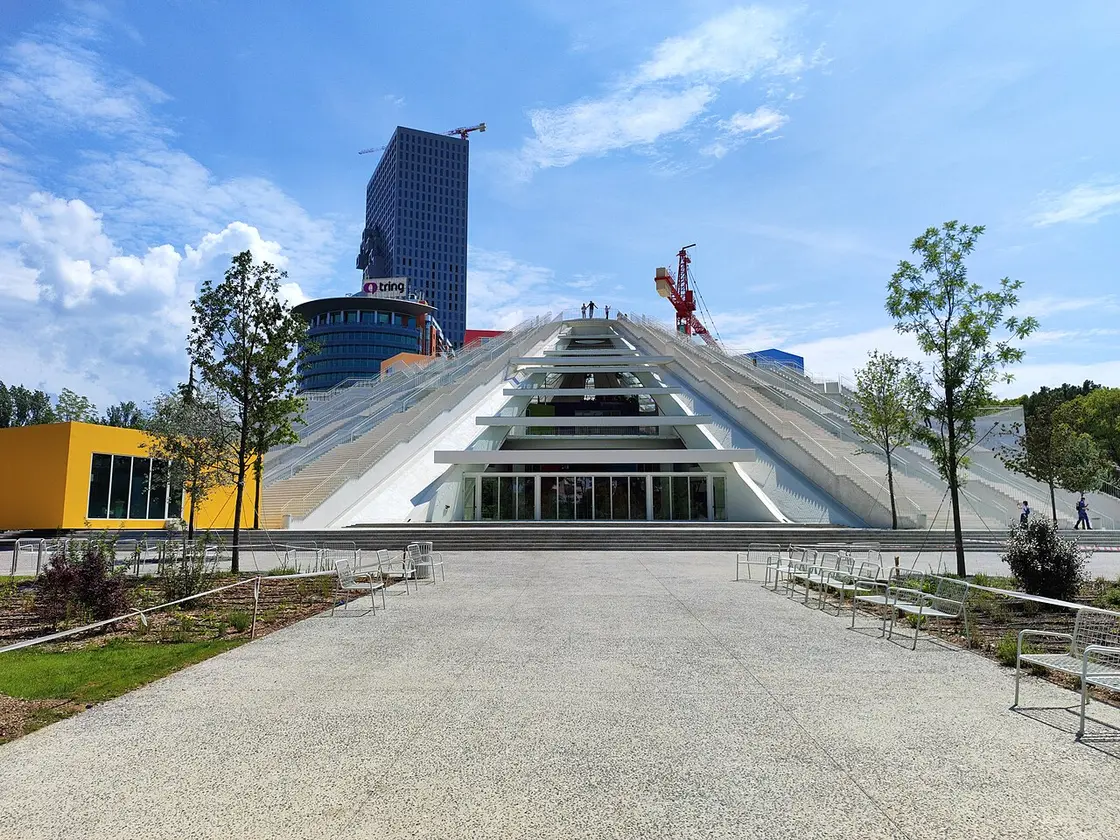
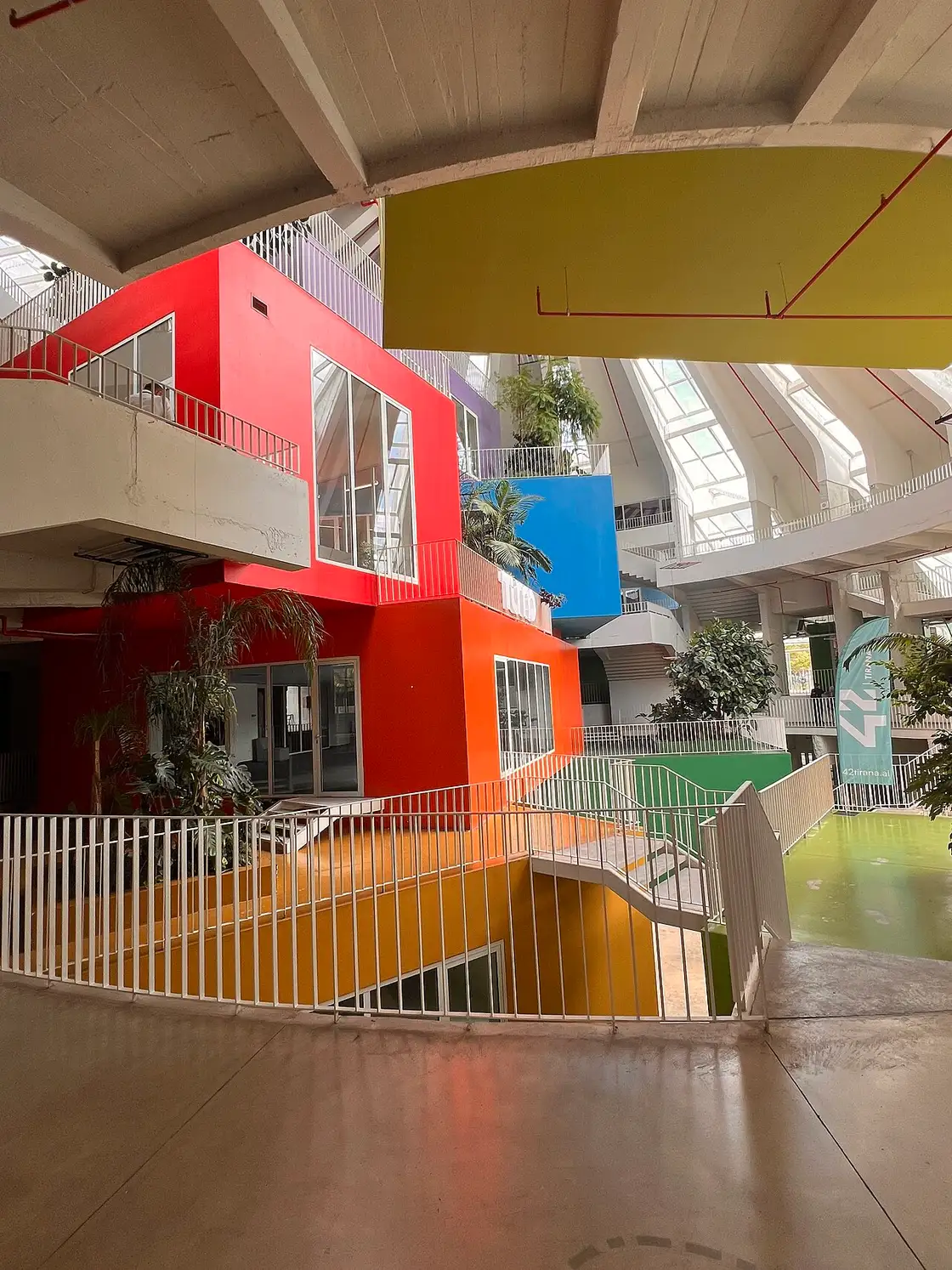
Mount Dajti and the cable car
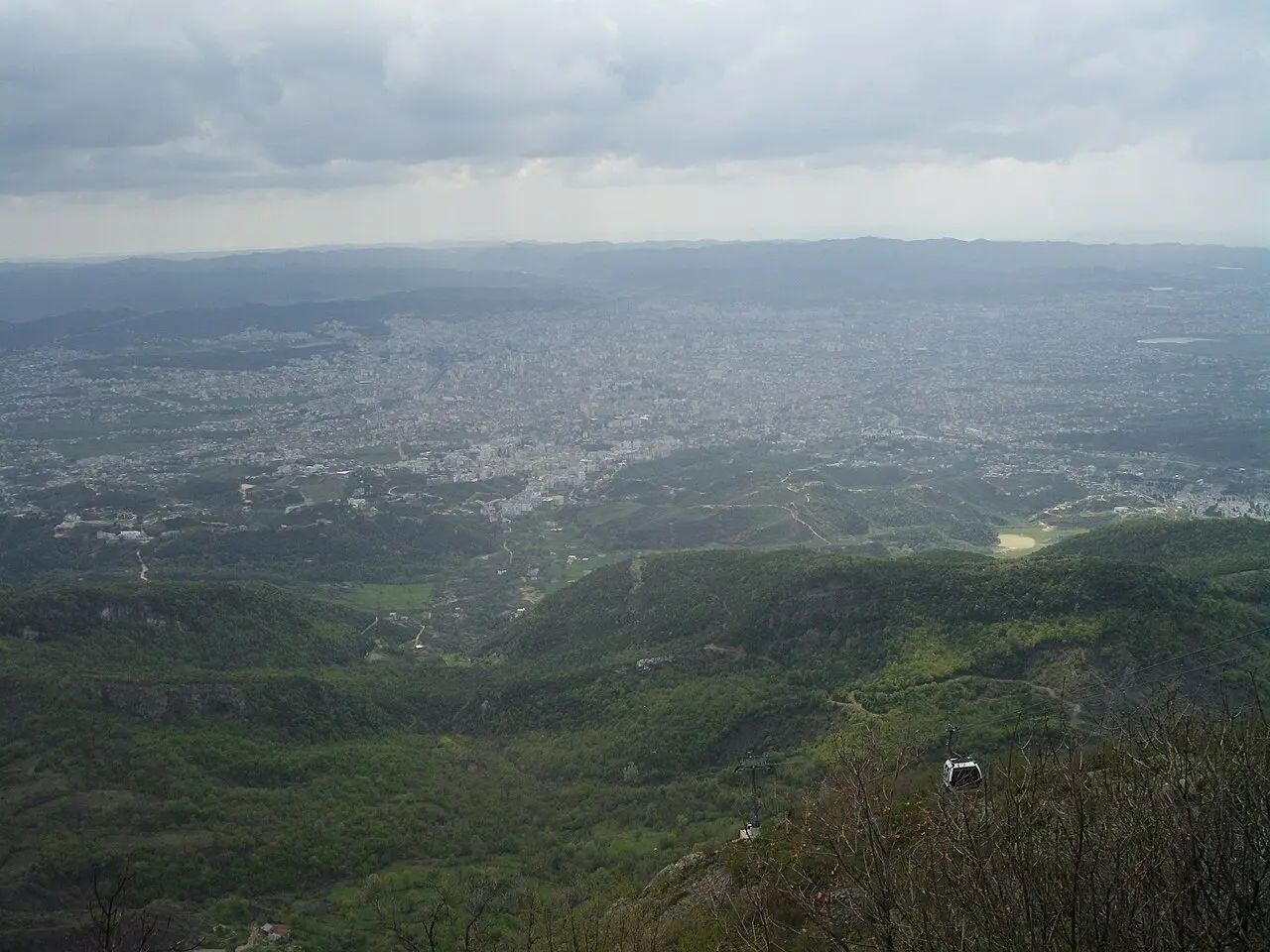
For the view that puts the whole city in perspective, you’ll want the Dajti Ekspres cable car up Mount Dajti, which rises behind Tirana to the east. The cableway - 4,354 m long, which the operator calls the longest in the Balkans - carries you over the foothills in roughly 15 minutes to a plateau with restaurants, walking trails and a panorama back over the capital. It runs daily except Tuesdays, the operator’s regular day off; check the current hours before you go, because they change with the season, and note that the operator publishes no tariff at all - the fare is whatever the lower-station window says on the day (operator info, checked September 2026). Fares, the 40-lek bus out to the lower station and the ridge walk at the top are in our Dajti Ekspres cable car guide. For the reservoir on the far side of the same massif, don’t miss the Bovilla Lake and Gamti Mountain page.
Bunk’Art and the bunker museums
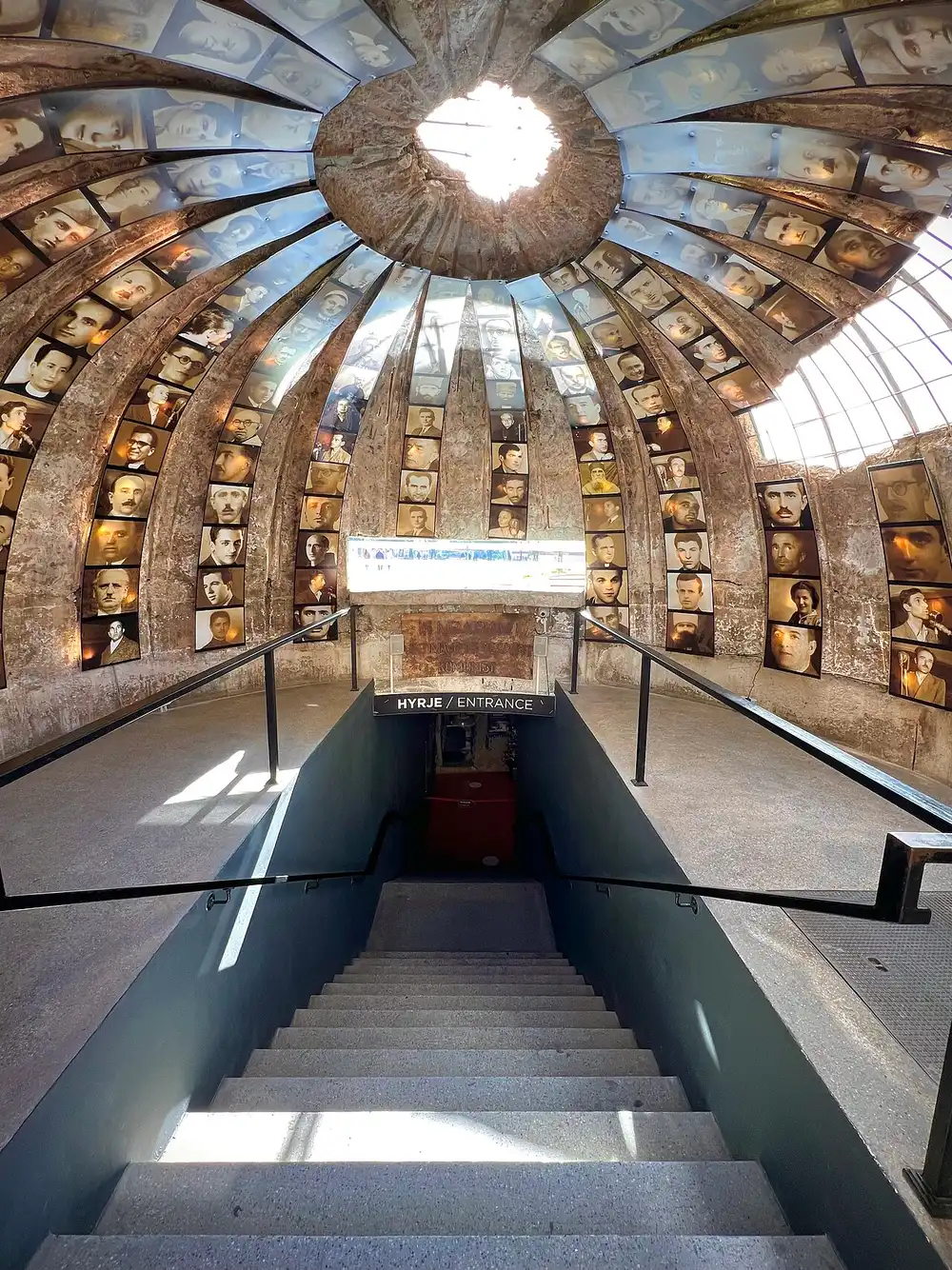
Tirana’s most distinctive museums are underground. Bunk’Art occupies a huge five-storey nuclear bunker built for the communist elite on the city’s edge near the cable-car base, while its smaller central sibling, Bunk’Art 2, sits just off Skanderbeg Square inside a bunker about surveillance and the secret police. Both pair the eerie Cold War architecture with exhibitions on Albania’s isolationist decades, and they’re the single best way to understand the country’s recent past. The nearby House of Leaves, the former secret-police headquarters, covers the same era through the lens of spying and informers. Tickets, opening hours and which of the two bunkers to choose if you only have time for one are in our Bunk’Art 1 and 2 guide.
Pazari i Ri and the Grand Park
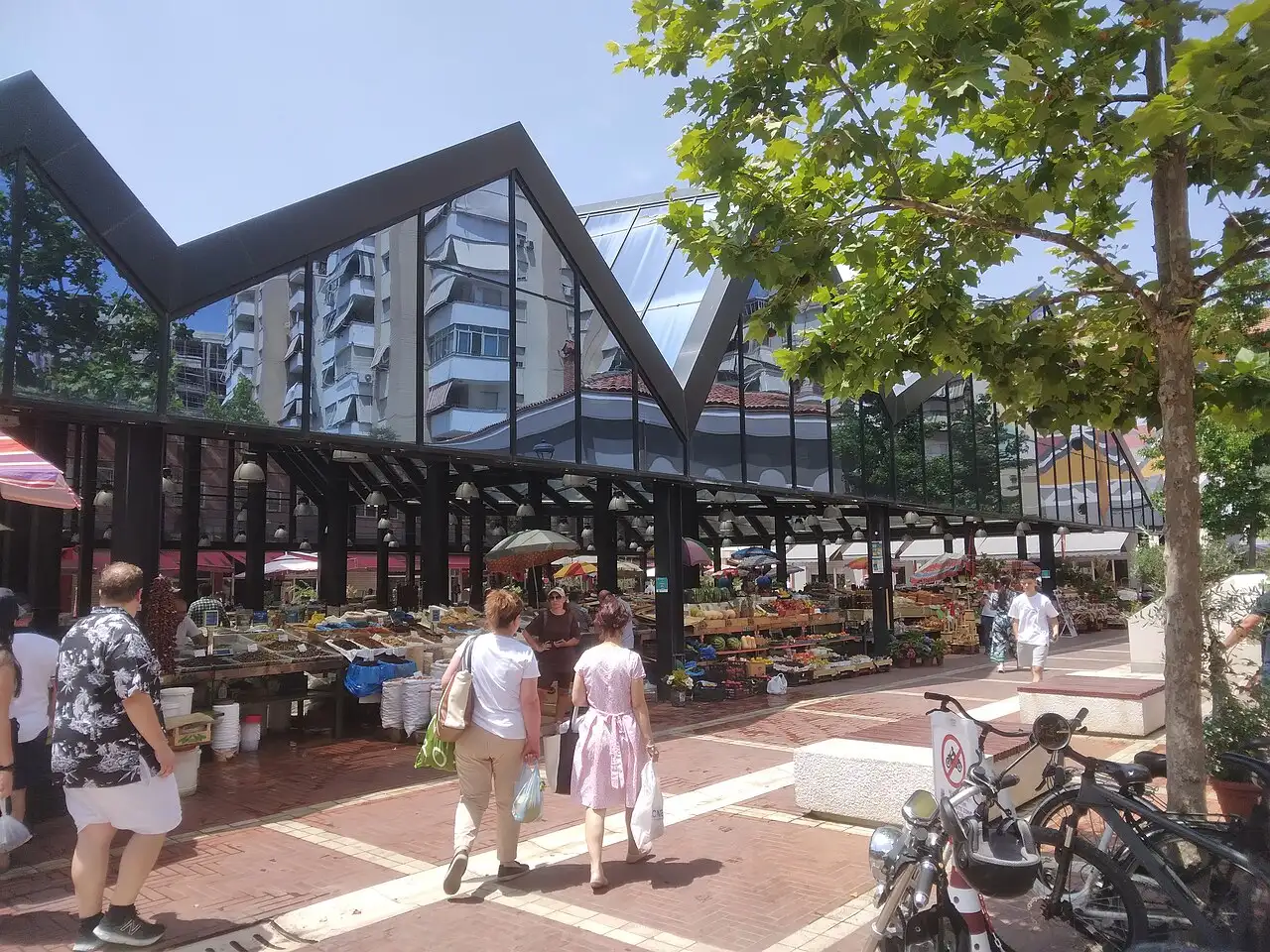
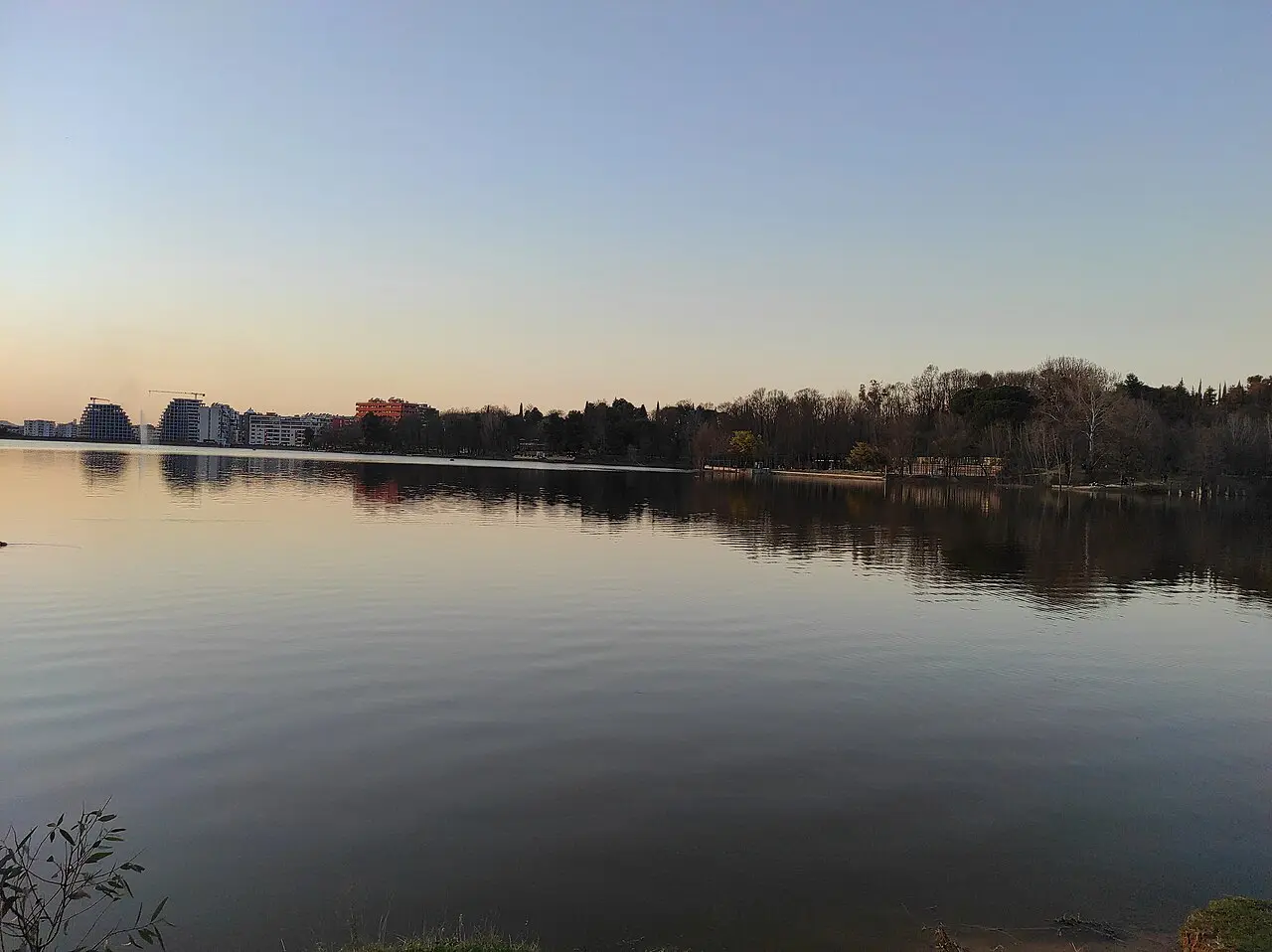
To feel the everyday city, spend an hour at Pazari i Ri (the New Bazaar), a renovated market quarter of produce stalls, bakeries and restaurants that’s one of the liveliest places to eat in the centre. For green space, head south to the Grand Park of Tirana and its artificial lake, where locals run, row and picnic - an easy escape on a hot afternoon. Along the way, look up at the painted apartment blocks: the city’s habit of splashing socialist-era facades in bold colour is a sight in itself.
Where to stay: Tirana’s neighbourhoods
Most visitors base themselves within walking distance of Skanderbeg Square, and for a short trip that’s the right call - you’ll be a few minutes from the sights and the nightlife.
- The centre (around Skanderbeg Square and the boulevard). Closest to the museums and mosque, with the widest range of hotels. Convenient and walkable, if a little less atmospheric in the evenings.
- Blloku. Once the sealed-off quarter reserved for the communist elite, now the city’s buzziest district - packed with cafés, cocktail bars and restaurants. The best base if you want to be in the middle of the going-out scene; see our guide to Tirana nightlife for where to drink and dance.
- Pazari i Ri / New Bazaar. A characterful pocket around the market, strong on places to eat and a short walk from the centre.
Rates swing with the season, so it pays to compare a few options for your dates rather than booking the first result. For a fuller breakdown of these neighbourhoods - Blloku, the centre, Pazari i Ri and the quieter fringes - see our dedicated guide to where to stay in Tirana; and for how the capital stacks up against the coast and the old towns across a whole trip, see the where to stay in Albania overview.
How to get from the airport to the city centre
Tirana International Airport (TIA), at Rinas about 17 km northwest of the centre, is Albania’s main gateway. You’ve three straightforward ways into town:
| Option | Roughly | Notes |
|---|---|---|
| Airport bus (Rinas Express) | ~30-45 min | Runs between the airport and Skanderbeg Square; pay the conductor on board (lek or euro). Confirm the fare and frequency on arrival. |
| Taxi | ~25-35 min | Quickest door-to-door; agree the price before you set off. |
| Rental car | ~25-35 min | Best if you’re continuing beyond Tirana - desks are at the airport. |
The Rinas Express airport bus is the cheap, no-fuss choice and drops you right in the centre; it runs frequently through the day, with a flat fare paid on board (airport info, checked June 2026). A taxi is faster and worth it with luggage or late at night - just settle the fare first. If Tirana is only your first stop and you’re heading for the coast or the mountains, picking up a car at the airport often makes more sense than coming back for it later; our guide to renting a car in Albania covers how that works.
Where to eat
Tirana eats well and cheaply by Western European standards. The centre and Blloku are thick with cafés and restaurants, from traditional Albanian grills and byrek (savoury pastry) to Italian-leaning trattorias and a growing wave of modern bistros. Pazari i Ri is the spot for casual grazing - bakeries, fresh produce and small restaurants around the market hall. For coffee, you’ll quickly notice that café culture is close to a civic institution here; expect strong espresso and pavement tables on almost every block. For named places with what to order and rough prices, see our guide to the best restaurants in Tirana, or browse the where to eat in Albania directory. We don’t quote specific prices or opening hours for individual venues, because they change often - check current menus when you go.
Practical tips for visiting Tirana
A few things worth knowing before you go:
- Currency. The currency is the Albanian lek (ALL). Cards are widely accepted in the centre, but keep some cash for the airport bus, markets and smaller cafés.
- Getting around. The centre is genuinely walkable, and city buses cover the wider area cheaply. For the cable car and the larger Bunk’Art on the edge of town, a short taxi ride saves time.
- When to go. Spring and autumn are the most comfortable; midsummer is hot, and many travellers use Tirana as a base before heading to the coast. See our best time to visit Albania for the month-by-month picture.
- How long to stay. Two days covers the headline sights at a relaxed pace; a third lets you fold in Mount Dajti and a slower wander through Blloku and the park.
- Tirana as a base. The capital is the obvious launch pad for the rest of the country, with good road links south to the Riviera and north toward the Alps.
Tirana isn’t a city of grand monuments so much as one of energy and reinvention - a place that wears its turbulent recent history openly while racing toward something new. Give it a couple of unhurried days, mix the museums with the cafés, and it’s a confident, characterful start to any Albanian trip.
What’s nearby and read also
- Going out after dark? See our guide to Tirana nightlife.
- Timing your trip around a festival? Check the Albania events calendar.
- Ready to explore beyond the city? Browse the best day trips from Tirana.
- Browse more Albanian city guides for your next stop.
- Planning to drive onward? See how to rent a car in Albania.
- Staying longer to work remotely? Read about the digital nomad visa.
- Sorting cover for the trip - see our Albania travel insurance guide.
Photos
On the map
The map loads on click - to keep the page lightweight.
The map didn’t load. Check your connection and refresh the page.
Read also

Cities · 10 min read
Korca Travel Guide: Bazaar, Beer & Southeast Albania
Updated · August 14, 2026Korca (Korce) guide: walk the Old Bazaar, see medieval icons, taste Birra Korca, then day-trip to Voskopoje or Lake Ohrid.

Cities · 10 min read
Permet, Albania: the Vjosa, Rafting & Gliko
Updated · August 8, 2026Permet travel guide: rafting the Vjosa (EUR 35), gliko and raki, the 1944 Congress, Leusa church, the Benja baths, where to stay and how to get there.

Cities · 13 min read
Dhermi, Albania: Beaches, Drymades & the Old Village
Updated · August 29, 2026Dhermi and Drymades guide: which beach is which, what a sunbed costs, boat trips to Gjipe, the old Greek village above the coast and the bus-stop catch.

Cities · 11 min read
Pogradec & Lake Ohrid: The Albanian Side
Updated · July 21, 2026Pogradec on the Albanian shore of Lake Ohrid: pebble beaches, the promenade, the Drilon springs, koran trout and Lin's mosaics, without Ohrid's crowds.