
Voskopojë and Dardhë: Painted Churches and Mountain Snow
Voskopojë and Dardhë sit about 20 km from Korçë, west and south-east: painted churches at about 1,200 m, a ski village at 1,344 m. Checked 8 Nov 2026.
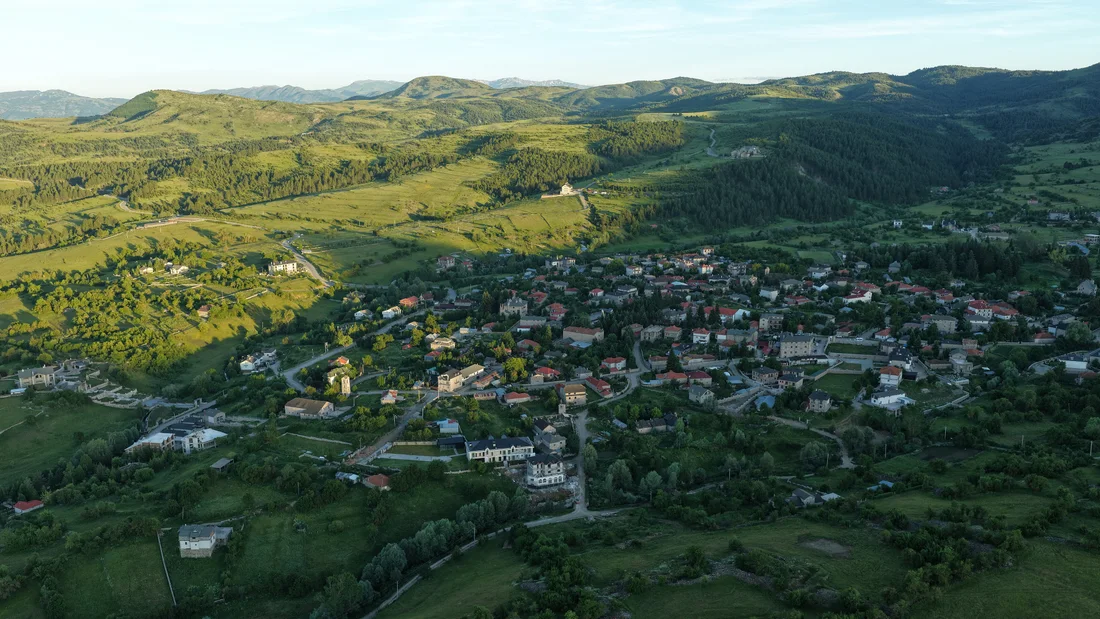
Voskopojë and Dardhë are about 20 km from Korçë each, Voskopojë to the west and Dardhë to the south-east, and they give you two different winter days: one has the painted churches (the village sits at about 1,200 m), the other has the snow and Albania’s small ski slope (the village sits at 1,344 m). If you’re after frescoes, the drive works in any month, but the keys decide whether you get inside. If you’re after snow, pick Dardhë and keep the plan loose.
Neither is a ski trip. Skiing here is a footnote, covered in our Albania in winter guide. The real questions are which village fits your day, whether you’ll get inside the churches, and when to turn round before dark.
Two villages, one city between them
By OpenStreetMap routing, Voskopojë is 19.9 km and about 40 minutes from central Korçë, and Dardhë is 18.4 km and about 39 minutes. The router’s road between the two villages is 34 km and 77 minutes, barely quicker than going back through Korçë (about 38 km and 79 minutes), so treat Korçë as the hub and plan each village as its own out-and-back.
That makes the day’s arithmetic simple. Two villages by car, each there and back from Korçë, is roughly 77 km of driving and a stop in the city for lunch. On a winter day with early dark that is a full day, and a second village is the first thing to drop.
Getting to Korçë from Tirana is covered in Tirana to Korçë by bus, including the last-coach problem. The Korçë town itself is in the Korçë travel guide.
What a town of 24 churches left behind
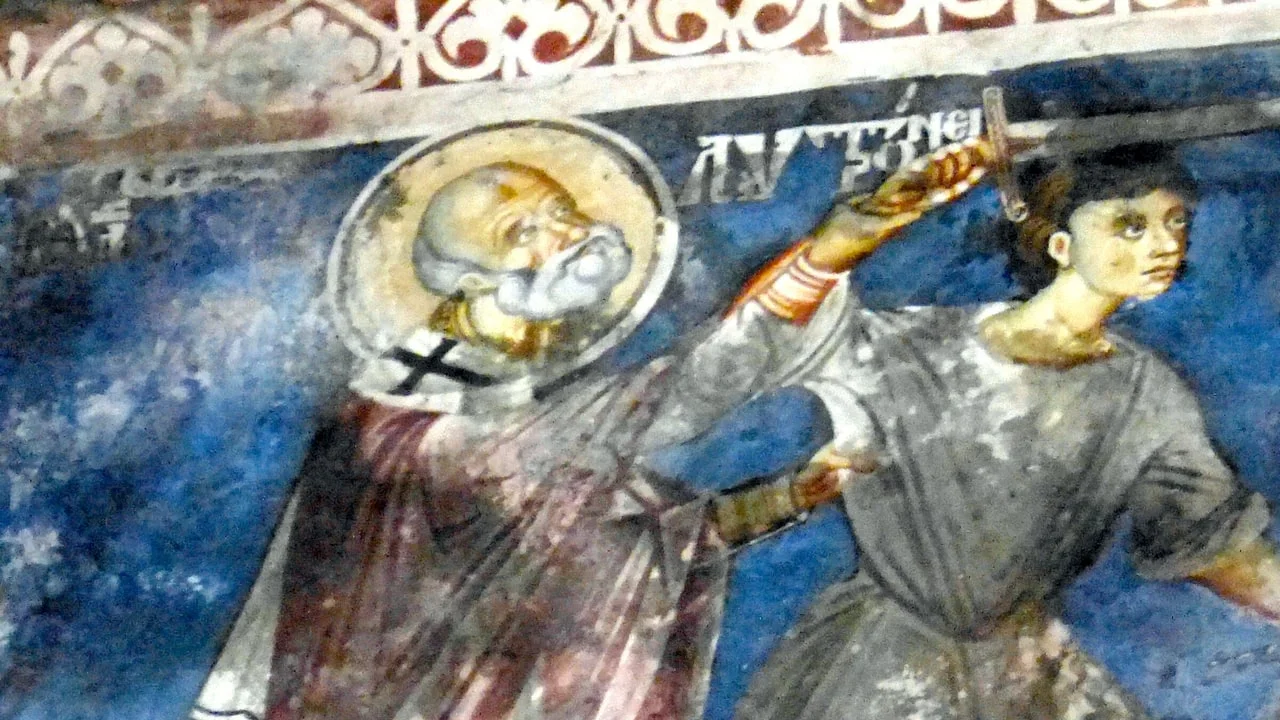
Voskopojë is a small mountain village now, which makes its past hard to believe; it’s worth knowing what it was before you go. At its peak in the 18th century it had about 24 churches, according to Wikipedia’s account. Then it was sacked in 1769 and razed in 1788, and the survivors fled. What’s left is five or six churches, depending on which source you trust.
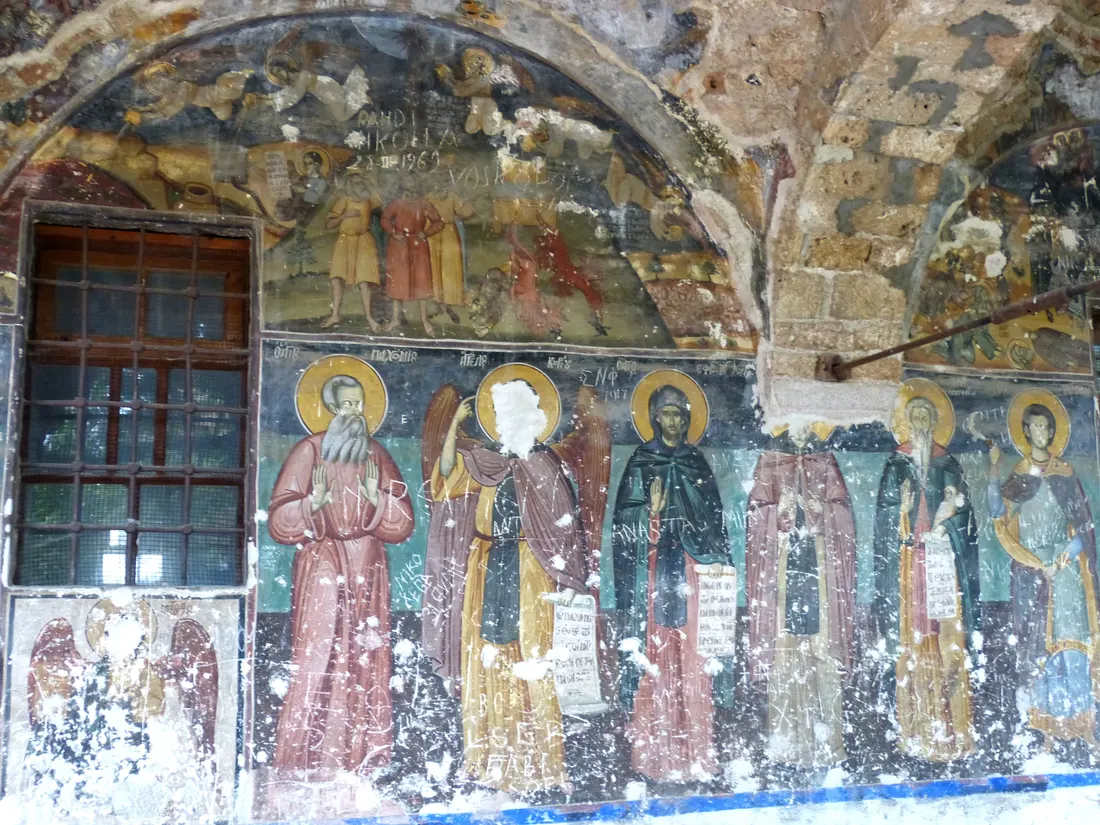
The Albanian Tourism Agency’s village brochure names five: St Nicholas, St Mary, St Athanasius, St Michael and St Elias, with frescoes by the post-Byzantine painters David Selenica and the Zografi brothers. Two of them, and a monastery that isn’t on that list, are worth knowing before you arrive:
- St Nicholas was built in 1721, and its frescoes, by David Selenica, were finished in 1726, according to Wikipedia’s account of the church’s inscription. The national heritage institute’s register lists it as a Category I Cultural Monument under a decision of 17 March 1948. It’s the first church the tourism agency’s brochure lists.
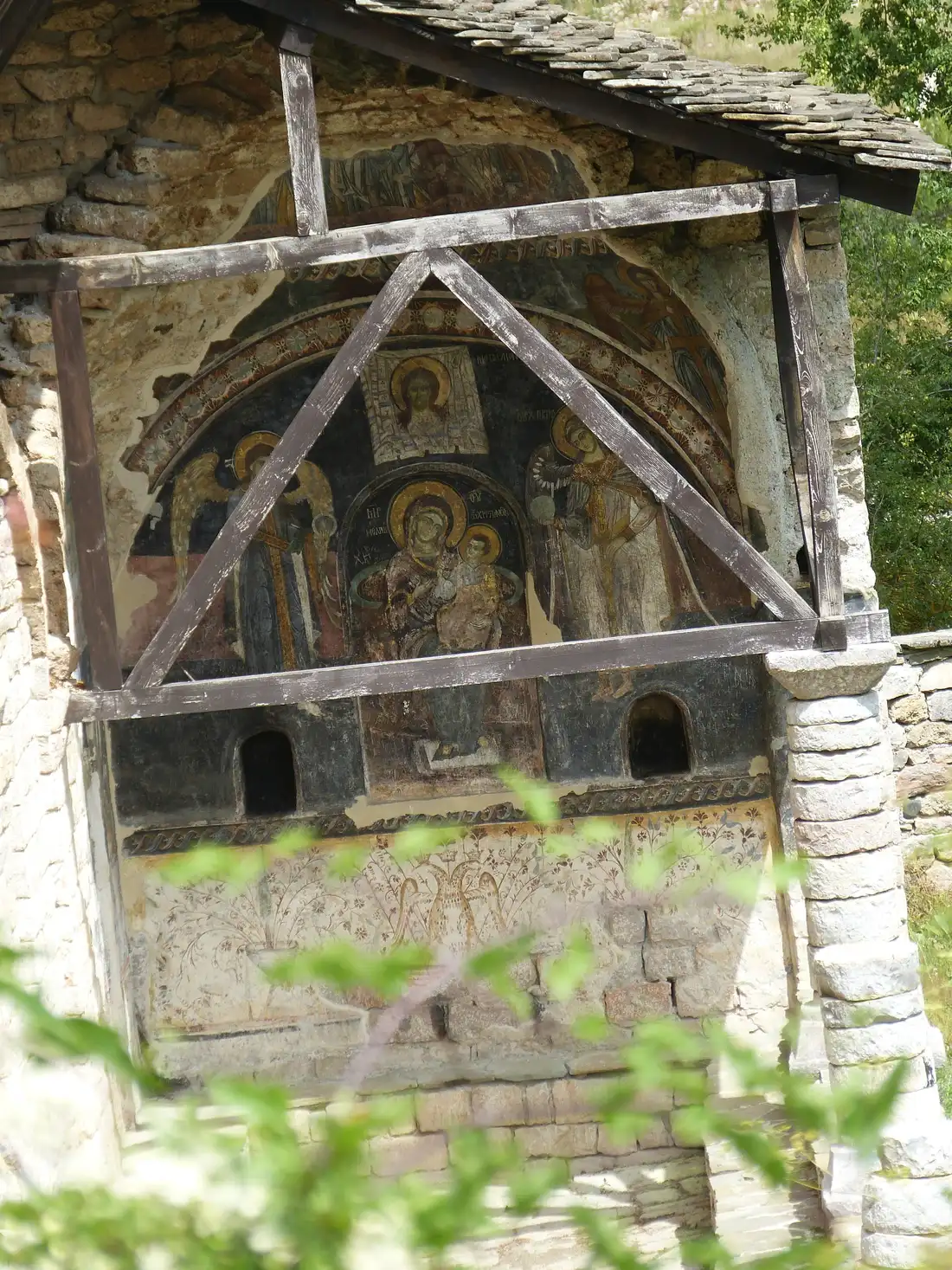
- St Mary is a three-nave basilica, and the donor’s inscription dates its frescoes to 1712. The EU Delegation reported on 29 July 2026 that its walls, roof, frescoes, bell tower and grounds had been restored, with cobbled paths and lighting added, and that visitors are welcomed through a gate under the bell tower.
- St Prodromos monastery sits in the northern heights of the village in a quiet pine wood: a large gate opens onto a garden, with the monks’ cells along one side and the church on the other. The EU report dates the church to around 1630 and its paintings to 1659, calls the monastery a Category I Cultural Monument, and says the restoration covered the roof, the vault and dome, and the conservation of the murals.
Getting inside
Access is the gap. The EU report gives no opening hours for either St Mary or St Prodromos, and we found no official tariff for entry at any of the churches. That leaves open who holds which key and on which days.
So build the visit around asking. When you reach the village, ask at a guesthouse or café where the churches’ keys are that day, and carry small change in lek in case a caretaker accepts a donation. If you arrive on a weekday in the cold months and nobody answers, the exteriors and the setting are still worth the drive, but don’t promise yourself the frescoes.
The same EU project also covers St Michael’s in Voskopojë and the monastery of St Peter and St Paul at Vithkuq, and the July 2026 report doesn’t say whether the work there is finished, so a church may be under scaffolding or shut when you arrive.
A pie, a walk and a pine wood
The tourism brochure’s list of what to eat up here is lakror në saç (a pie baked under an iron lid), roast lamb, wild plum raki and the apples it calls famous; we found no village menu with prices, so ask what’s cooking at the guesthouse. Between courses there’s something to do on foot: the agency’s Voskopojë page calls the pine forest one of the area’s most distinctive natural attractions and points to hiking on its mountain terrain, and the St Prodromos monastery above sits inside a pine wood of its own, so a walk and a monastery can be one outing. For the wider picture on what to order, our guide to what to try in Albania covers the dishes by region, and the Albanian wine guide maps the cooler east for evening glasses.
Dardhë: the one with snow
Dardhë is the village people mean when they say there’s skiing in Albania. The national tourism agency says its ski slope is equipped with the necessary infrastructure. The brochure puts the village at 1,344 metres, and the agency’s own page puts Voskopojë at about 1,200, so Dardhë stands well over 100 m higher and is the better bet of the two for snow on the ground.
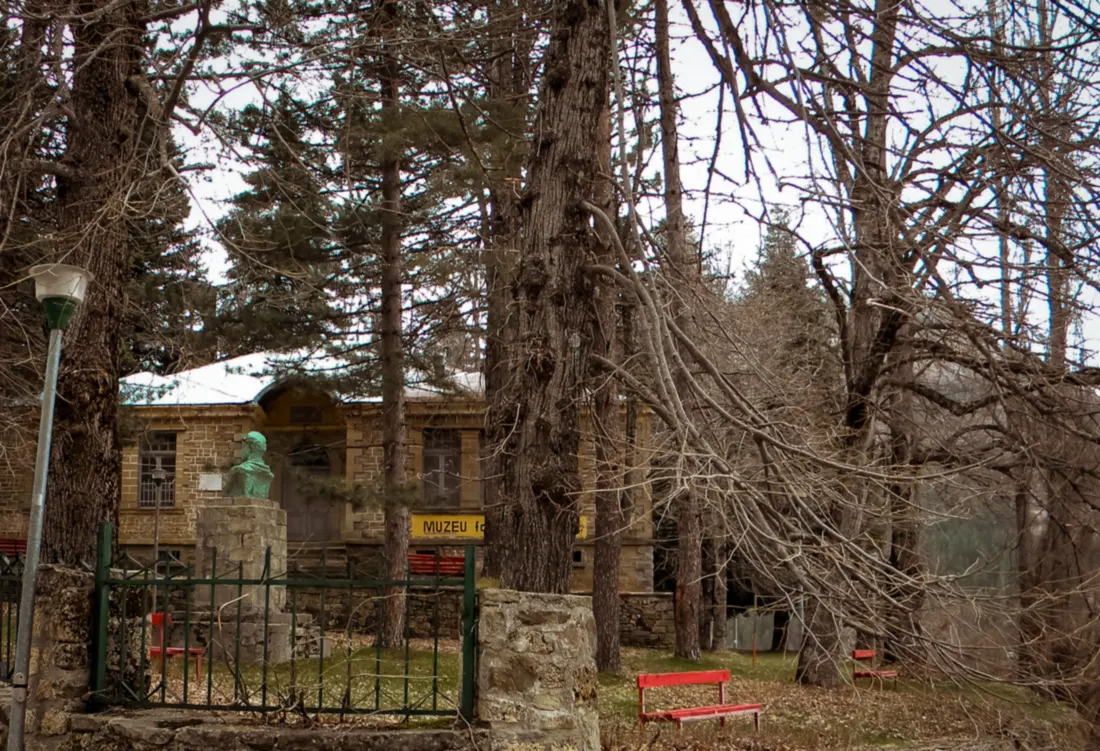
The ski area itself is Bigëll, at around 1,600 metres and about 4 km from the village by the Skiresort.com catalogue. It’s small, and our winter guide has the lifts and the snow record; if skiing is the point, ask the guesthouse whether the lifts are turning before you drive up.
The village itself, in the tourism agency’s words, is a place of green landscapes, dense forests and clean mountain air, with hiking among its outdoor draws; the brochure adds new buildings and contemporary hotels to the picture.
If snow is merely the backdrop, Dardhë works as a walk and a coffee. After snowfall in Korçë County in November 2023, local guesthouses reported many bookings for both Voskopojë and Dardhë, so the villages can fill up once snow is on the ground. Book a room you can cancel, early, and confirm it once the guesthouse says the snow has settled; one booked on the day after a snowfall may not exist.
Getting there and getting back before dark
Without your own wheels, the options narrow quickly. We found no published bus timetable from Korçë to either village, so a taxi arranged through your guesthouse in Korçë is the realistic plan, with the return agreed before you leave. With a car, the climbs are the issue. The Albanian Road Authority has listed Boboshticë-Dardhë and Korçë-Voskopojë among the Korçë County roads where chains are recommended, in a notice of 3 January 2019. It dates from January 2019 and we found no dated 2026 equivalent, so treat it as a pointer to where the climbs are, not as today’s rule.
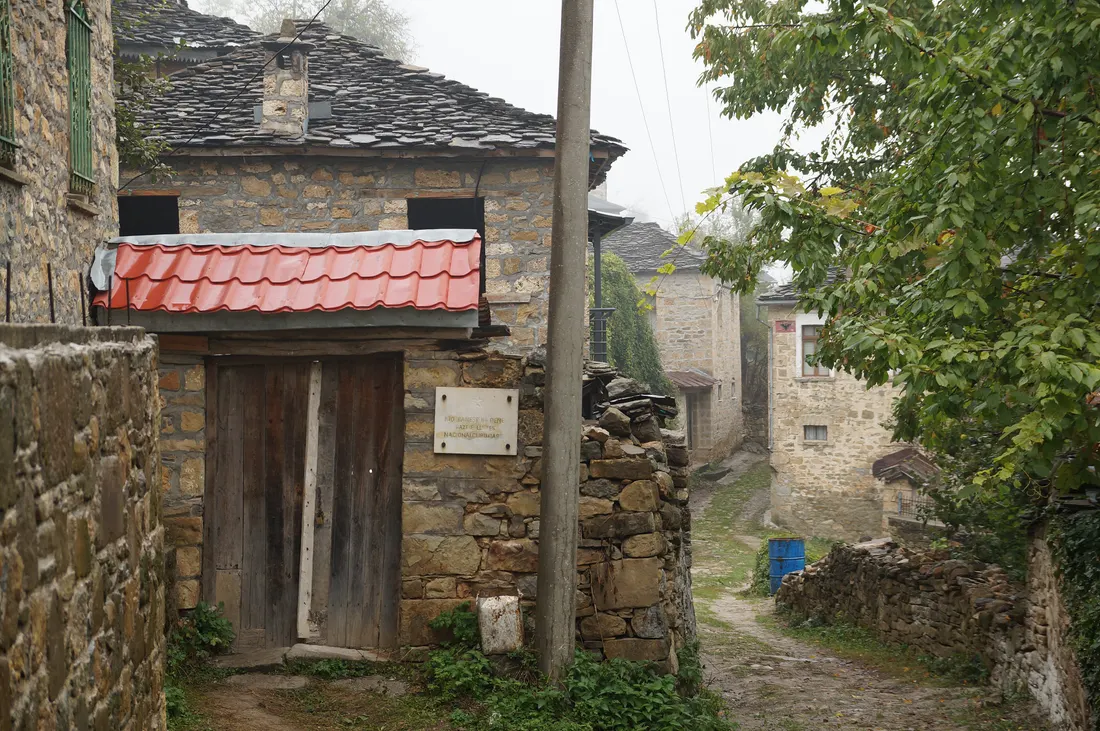
On a winter day, that means:
- Be at the foot of the climb early, not at 15:00.
- Check the forecast the night before, and the road with your guesthouse in the morning.
- Ask the rental supplier in writing whether winter tyres and chains come with the car, before you sign.
- If you came by bus from Tirana, count backwards from the last coach rather than forwards from breakfast.
If you can only pick one
Pick Voskopojë if it’s the frescoes you came for or the forecast is poor: it sits well over 100 m lower than Dardhë, and the village and its church exteriors are worth the drive even on a day the doors stay shut.
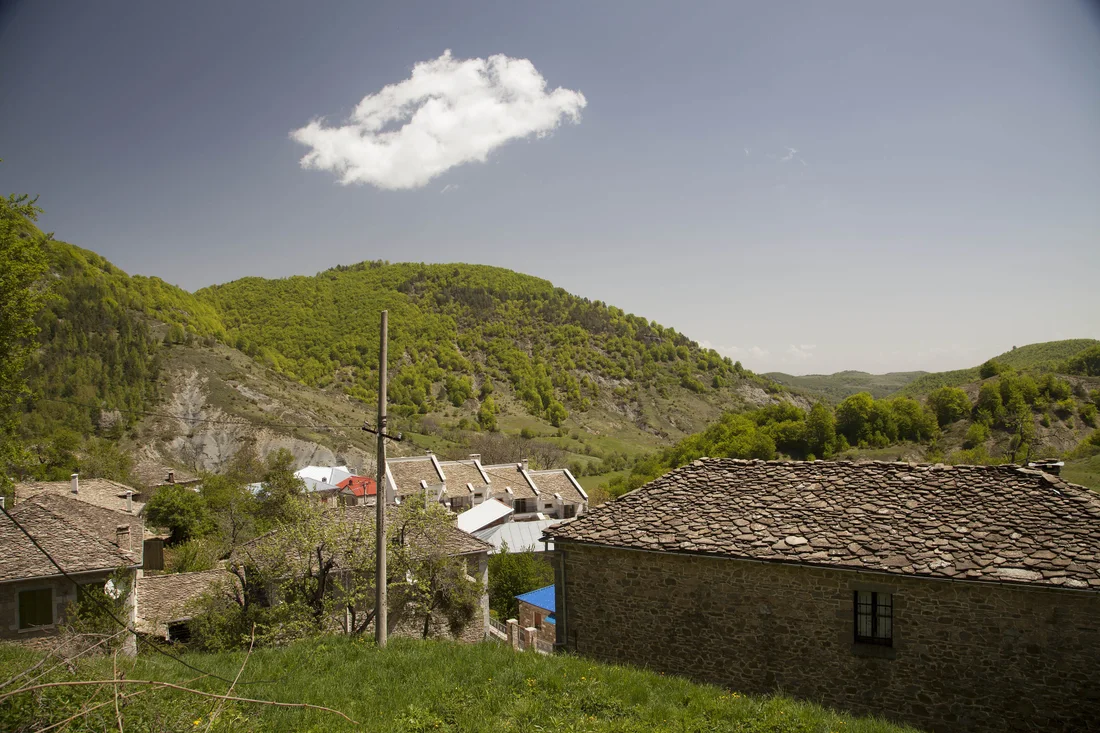
Pick Dardhë if you want snow, a walk and a winter lunch, and you’ve given yourself a night in Korçë so a closed road doesn’t cost you a flight.
Pick neither if your only day in the region ends at the last coach to Tirana (16:45 on GjirafaTravel’s board, 17:00 in the state register). Spend it in Korçë, and come back for the hills with a car and a night.
Read also

What to see · 7 min read
Lëkurësi Castle, Saranda: Sunset, Getting Up, Dinner
Verified · November 14, 2026Lëkurësi Castle sits about 4 km by road from Saranda promenade. Sunset times by season, the restaurant on the hill and how to get up. Checked 14 Nov 2026.

What to see · 9 min read
Hot Springs in Albania: Benja, Llixha & Peshkopi Compared
Verified · October 31, 2026Albania hot springs compared: lukewarm Benja, hotel pools at Llixha near Elbasan, sulphur baths at Peshkopi. Temperatures and drives from Tirana, Oct 2026.

What to see · 9 min read
Pellumbas Cave (Black Cave) & Erzen Canyon from Tirana
Verified · October 16, 2026Pellumbas Black Cave from Tirana: 20 km by road, a 2 km hike, 360 m of pitch-dark show cave, and why the Erzen canyon pools are a summer plan.

What to see · 9 min read
Berat Castle (Kala): Onufri Museum, Hours & Open Churches
Verified · October 13, 2026Berat Castle is a lived-in quarter with one paid museum inside and a second below. Winter hours, the 400-lek Onufri ticket, which churches open, the climb.