Albanian Wine Guide: Regions, Grapes & Where to Taste
Albanian wine guide to Shesh and Kallmet, key regions, verified tasting stops near Berat and Tirana, and current price guidance.
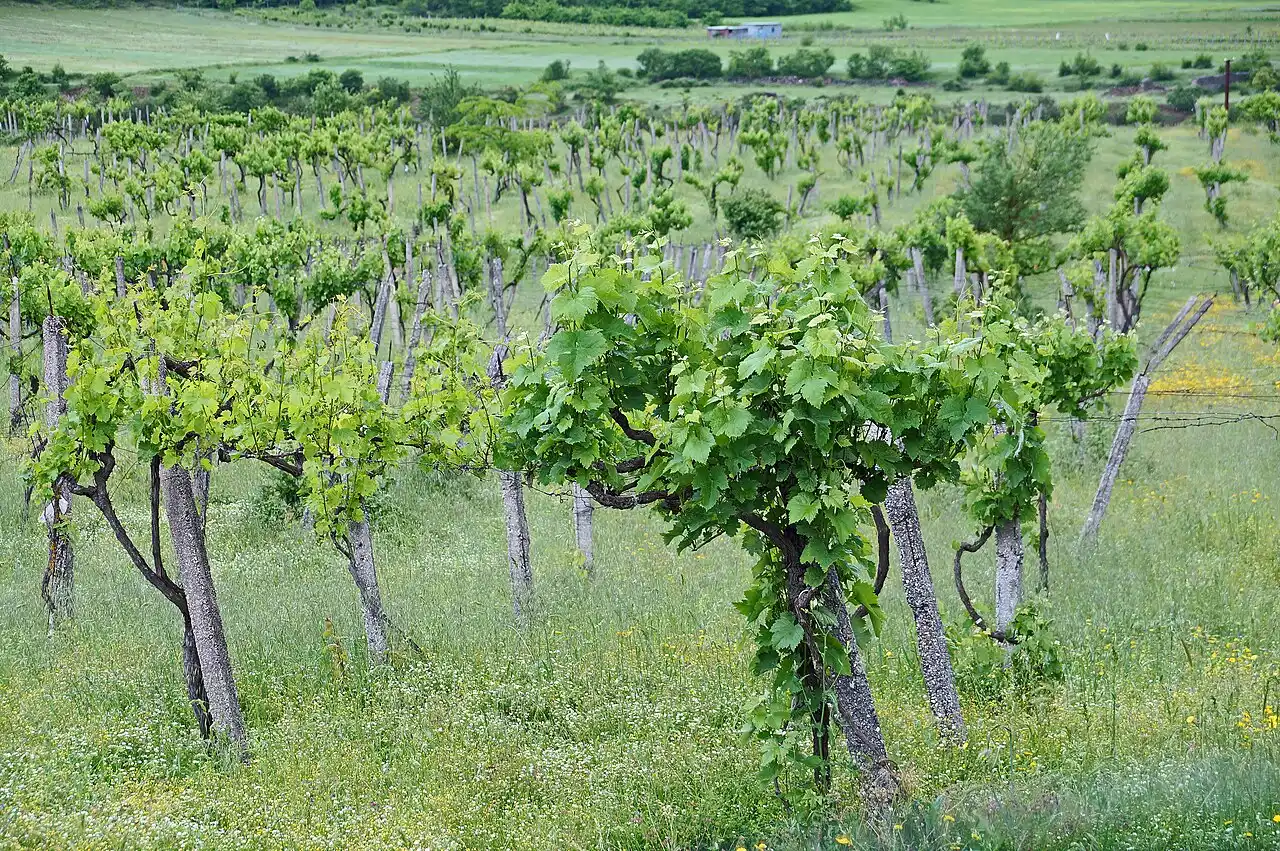
Albanian wine is easy to overlook on a restaurant list, but local labels are worth checking. Shesh i Bardhë, Shesh i Zi and Kallmet give you a direct introduction to the country’s own grapes, while current retail and tasting prices cover a much wider range than the old “always cheap” shorthand suggests.
The short version if you only remember three names: Shesh (white and red) from the plains west of Tirana, Kallmet from the Lezhë-Shkodër north, and Berat as the easiest town from which to book a tasting.
What makes Albanian wine different
Viticulture here’s old - Illyrian and Bronze Age roots, with wine vocabulary among the oldest words in Albanian - and Albania sits with Greece among Europe’s longest continuous wine cultures. What visitors meet in 2026 isn’t a museum of ancient amphorae. It’s a post-1990s private revival: small family kantina, a few ambitious estates, and a lot of house wine poured from unmarked bottles that tastes better than the tourist terrace wine next door.
The communist decades pushed volume over character, especially around the Durrës plains. Phylloxera had already hammered vineyards in the 1930s. Then the 1990s scramble left some slopes abandoned. The interesting bottles you see now come from the estates that rebuilt after that, often with diaspora capital and a stubborn focus on native grapes rather than only Cabernet for export.
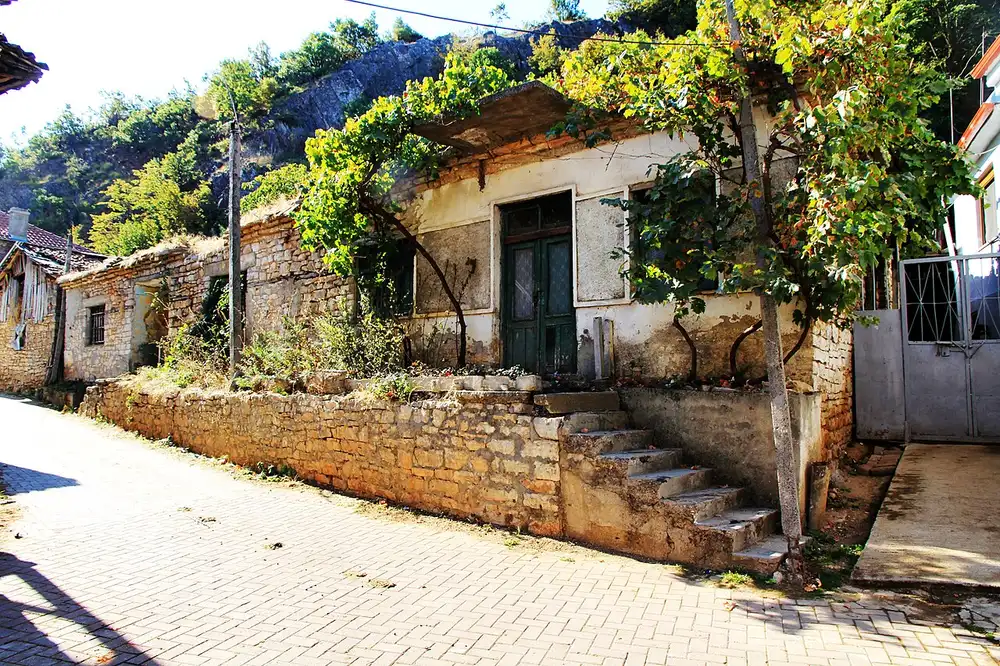
Restaurant lists don’t always explain which grapes are Albanian. Ask which local labels are available, then choose by producer, region and price rather than assuming every house wine represents the category.
Indigenous grapes: what to order
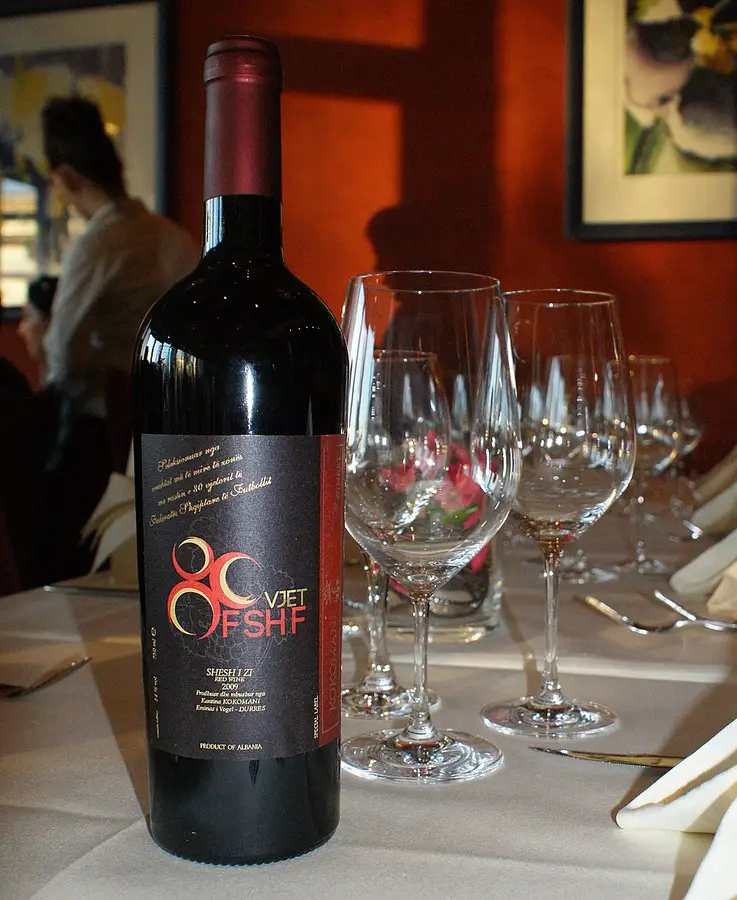
Shesh i Bardhë and Shesh i Zi
Shesh is the workhorse of central Albania. Both colour forms take their name from the village of Shesh, west of Tirana, and together they cover roughly 60% of the country’s vineyard area. They do best up to about 500 m, on deep, rocky or calcareous soils, with harvest usually in mid to late September.
Shesh i Bardhë (white Shesh) is used for dry white wine and is documented in the roughly 9.5-13.5% alcohol band. The grape name alone doesn’t predict quality or style, so compare producers and vintages when a list offers more than one.
Shesh i Zi (black Shesh) is used for ruby table wines. Both Shesh grapes are also used for raki, vinegar and grape preserves.
Kallmet
Kallmet is a northern red associated with the Lezhë-Shkodër area and the village that shares its name. It’s one of the indigenous varieties repeatedly identified in overviews of Albanian viticulture; styles differ by producer, so avoid treating one tasting note as a definition of the grape.
Other names worth recognising
On some lists you’ll also see Vlosh, Debinë (white and red forms), Pulës / Puls, Serinë, Mereshnik and Mjaltëz - varieties included in published lists of Albania’s indigenous set. Availability is patchy, and the producer matters more than the novelty of the name.
International grapes - Merlot, Cabernet Sauvignon, Pinot Noir, Sangiovese, Riesling - are widely planted and often blended. They can be fine. They’re not why you came.
Wine regions by altitude and itinerary
Albania’s wine geography is usually mapped by altitude, not by neat tourist maps.
| Zone | Rough altitude | Places that matter to travellers |
|---|---|---|
| Coastal plains | up to about 300 m | Tirana, Durrës, Kavajë, Vlorë, Shkodër, Lezhë plains |
| Central hills | about 300-600 m | Berat, Elbasan, Krujë, Përmet, Mirditë |
| Eastern hills | about 600-800 m | Korçë, Pogradec, Leskovik |
| Highlands | up to about 1,000-1,300 m | Alpine / Pindus slopes - tiny plantings |
Berat and the central hills
If you visit one wine area, make it Berat. The UNESCO town sits in the middle of the central-hill zone, with limestone slopes above the Osum and a cluster of family cellars in the Berat-Roshnik countryside. You can walk the castle in the morning and you’ll be at a tasting table by mid-afternoon without a heroic drive.
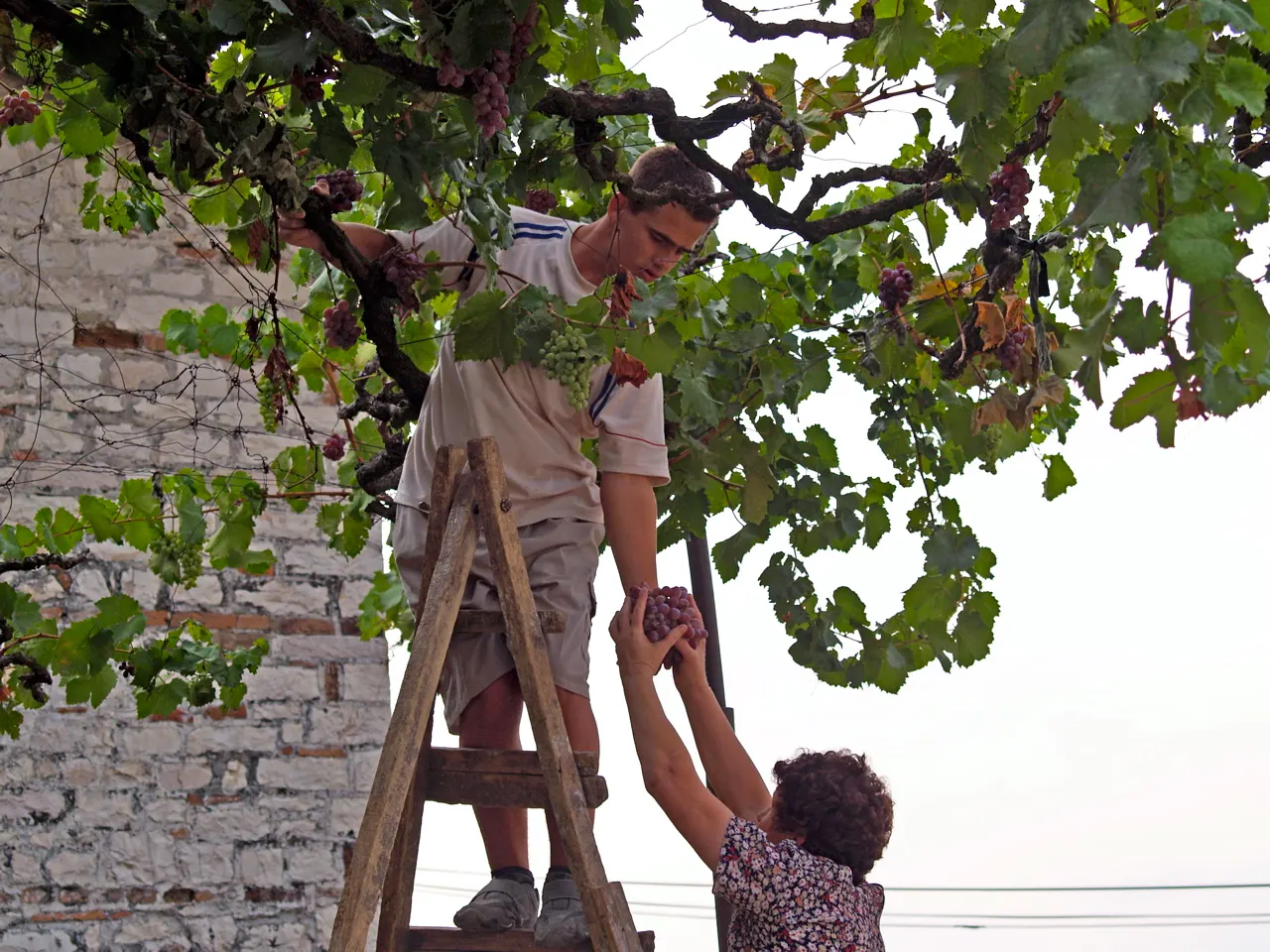
Berat also pairs cleanly with the Osumi Canyon if you want a rafting or viewpoint morning and a cellar afternoon. Two nights in town beats a rushed day trip from Tirana if wine’s the point.
Lezhë-Shkodër and Kallmet country
The north is Kallmet country. Vineyards sit on the plains and foothills toward Shkodër. Visitor access is less standardised than around Berat, so you’ll want to contact a named producer before making a dedicated drive.
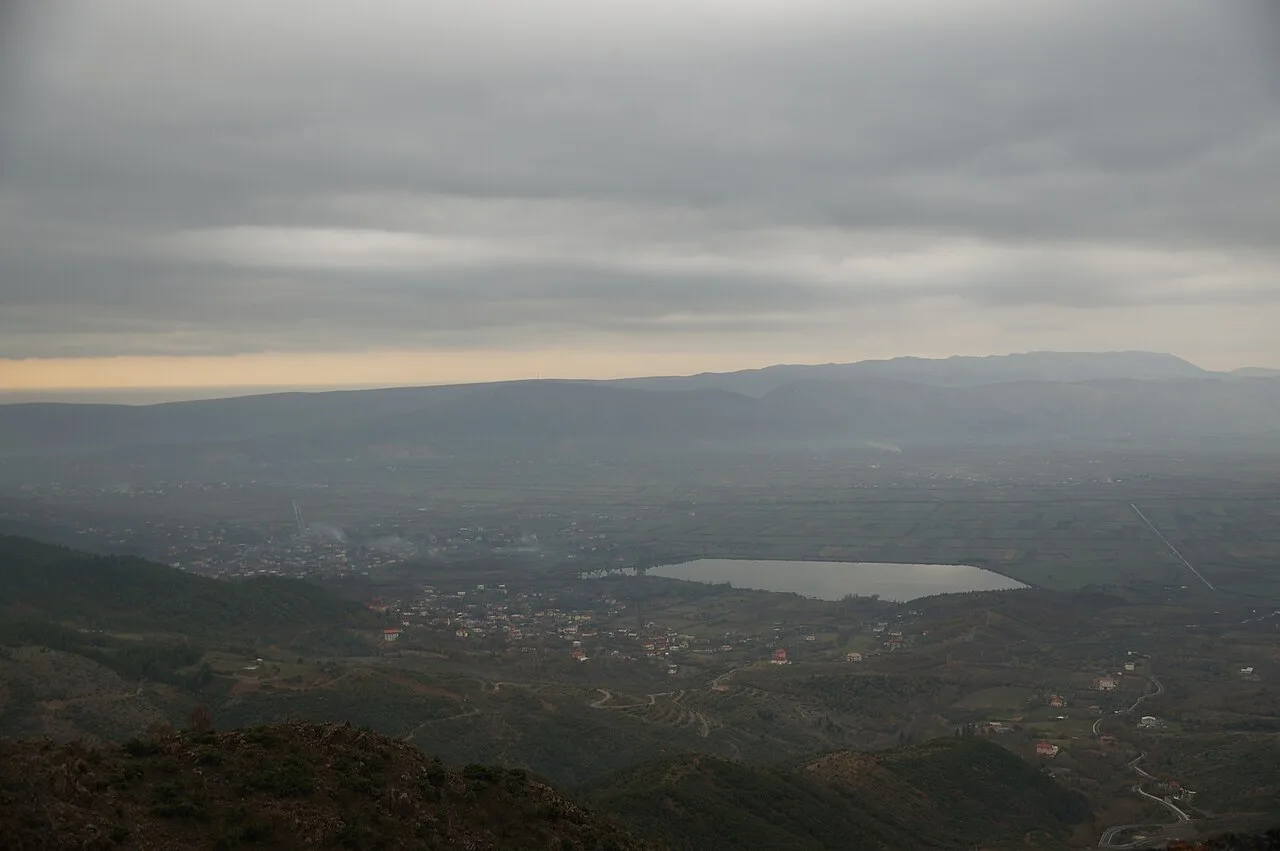
Tirana-Durrës plains and Shesh village
Volume and accessibility live here. Shesh village itself is a short hop west of the capital; the wider Tirana-Durrës corridor supplies many bottles sold in shops. Quality varies sharply. Don’t treat this zone as a single uniform style - compare named producers instead.
Përmet, Korçë and the east
Përmet and the upper Vjosa country sit in the central-hill belt and reward anyone already heading south for Benja thermal baths or Gjirokastër. Vineyard views are part of the landscape, and raki culture is as strong as table wine. Further east, Korçë sits higher and cooler - better known for beer to most travellers, but still part of the historic wine map.
Where to taste Albanian wine
Wine tourism is still less standardised than in established European wine regions. Published opening hours and walk-in policies are inconsistent, so book before making a dedicated trip.
Çobo and the Berat circuit
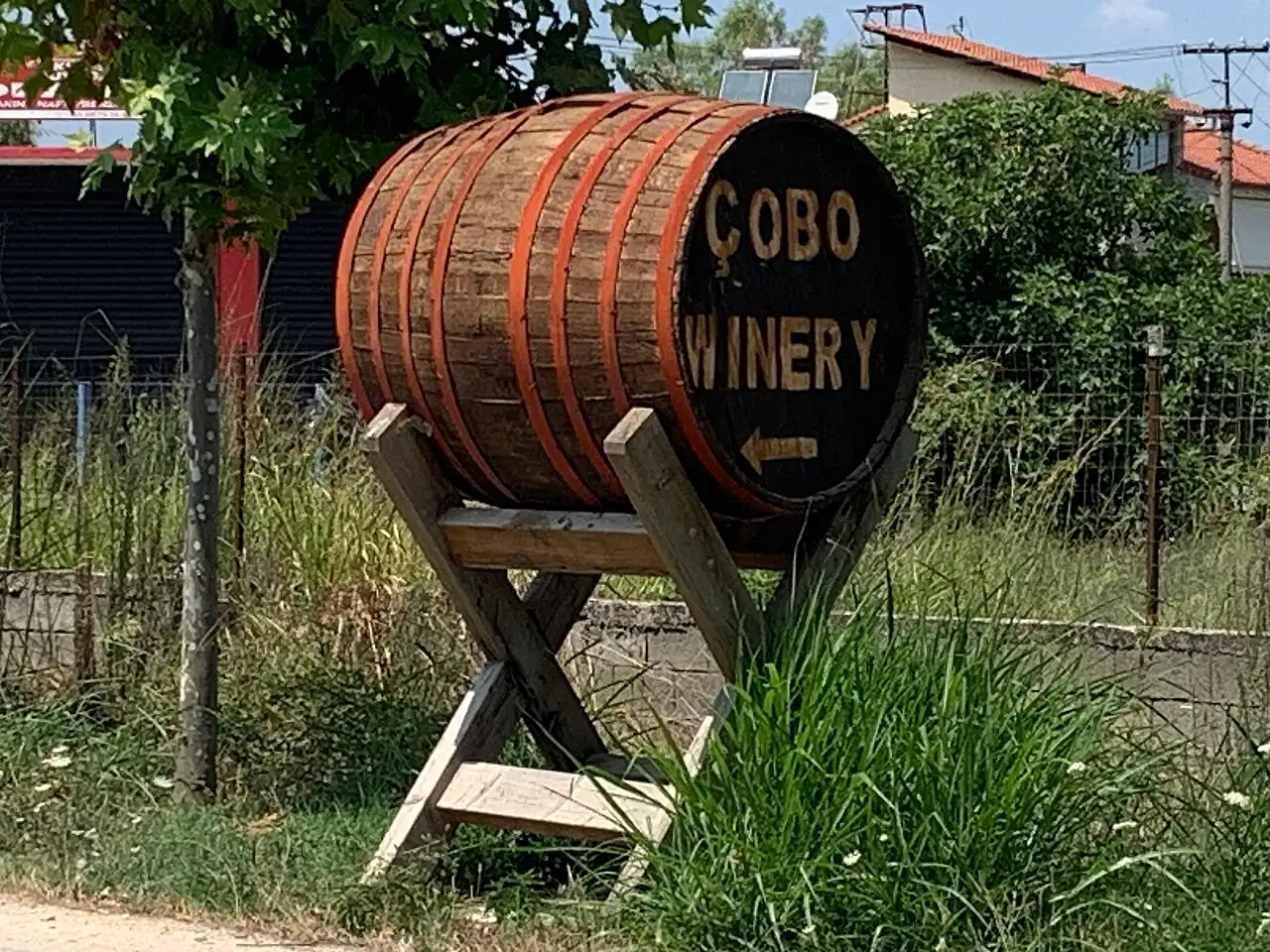
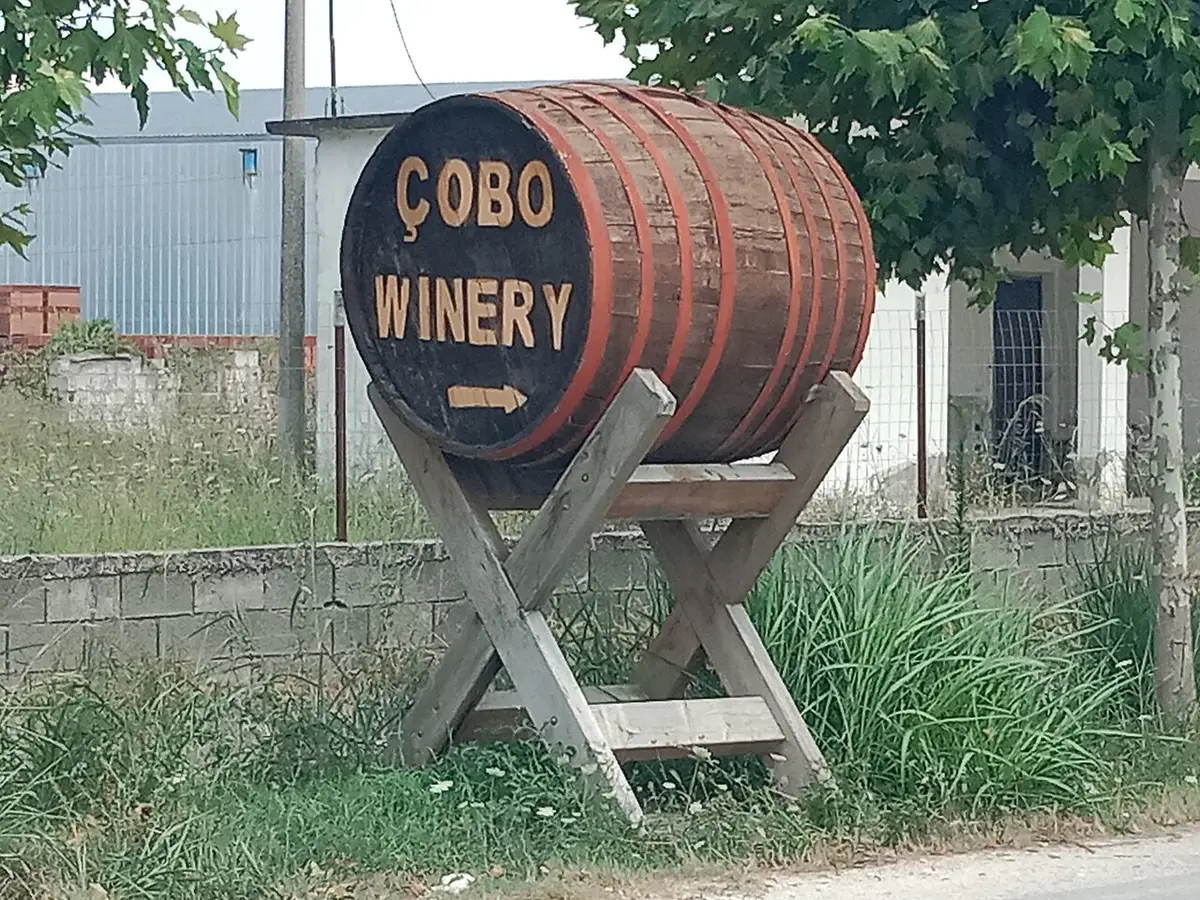
Çobo Winery (Kantina Çobo) near Berat is listed by Albania’s National Tourism Agency for tastings of local wines with traditional products, vineyard walks and views over the Berat hills. You’ll want to confirm the current package, start time and availability directly before travelling.
Nurellari near Berat
Nurellari Winery is at 5017 Fushë-Peshtan, southeast of Berat. Its official experience page lists classic, full and premium tastings plus accommodation, with an inquiry form for booking. The winery doesn’t publish prices on that page, so request the current package and start time directly before travelling: Nurellari wine experiences.
Uka Wine near Tirana
Uka Wine at Uka Farm is a verified option for travellers based in Tirana. The official tasting page lists the address as Uka Farm, Tirana and provides a date-and-time reservation tool; it also asks groups above 15 people to arrange a slot by email. Check the live calendar rather than relying on fixed hours copied elsewhere: Uka Wine tasting reservations.
These are bookable examples, not a ranking. Visit Berat also currently lists Luani, Alpeta and Pupa among the wineries used for its organised transfers, subject to availability.
Tasting without a formal cellar visit
Not every local wine requires a formal cellar tour. In Berat, Tirana and Shkodër, restaurants and wine bars can let you compare labelled bottles without arranging transport to a vineyard. A simple sequence is:
- One glass of Shesh i Bardhë with starters or fish.
- One bottle of Kallmet or Shesh i Zi with the mains.
- A small raki only after food - it’s a spirit, usually grape-based, and stronger than it looks.
For the wider food context those wines sit in, use our Albanian food and drink guide.
How to plan a wine day
Base in Berat for the cleanest logistics. Overnight there, book one cellar for late morning or mid-afternoon, and keep the other half of the day for the old town or a canyon drive. From Tirana, Berat is about 2-2.5 hours by bus or furgon, closer to 1.5-2 hours by car - doable as a long day, better as two. Reaching hillside cellars without a car means taxis, a guesthouse arrangement or a booked tour; public transport rarely drops you at the gate.
A rented car helps if you want to string two estates together - see how to rent a car in Albania - but designate a driver. Rural roads around Roshnik and the northern plains are fine in daylight and unforgiving after a tasting flight.
Rough cost orientation for 2026 (travel-guide ranges, not fixed tariffs - always confirm):
- A current Albania wine guide quotes about 250-500 lek for a restaurant glass, €3-5 for basic supermarket bottles and €7-15 for quality-focused local labels. Treat those as orientation, not a tariff.
- There’s no reliable mid-€20s ceiling. Specialist export listings checked on 6 August 2026 showed Albanian Kallmet at €21.30, Shesh i Bardhë at €26.60 and a Çobo Kallmet rosé at €31.20. Export prices aren’t local shelf prices, but they show why “Albanian wine never exceeds €25” is false.
- Direct cellar tastings may start around €10-20 according to the same current guide. For a package with transport, Visit Berat lists €25 for its Luani option and €35 for Çobo, Alpeta, Pupa or Nurellari, including pickup and drop-off in Berat and a guided visit to one winery.
Prices move with season, package and group size. The cited figures were checked on 6 August 2026; confirm the live booking page or a direct quote before committing. If a quote arrives only in euros, pay or convert carefully - the currency is still the lek (ALL).
Harvest atmosphere peaks in late August and September. Spring and autumn are cooler for walking vineyards; July-August cellar visits work if you book shade and an early slot.
What to choose, depending on your trip
| Your trip shape | What to do |
|---|---|
| 1-2 nights inland | Sleep in Berat and book Çobo or Nurellari in advance |
| North Albania loop | Add a Kallmet tasting near Lezhë/Shkodër; buy a bottle to drink that night |
| Capital only | Reserve Uka Wine near Tirana; save Berat for the next trip |
| South coast itinerary | Detour via Përmet/Benja for landscape + raki/wine culture, not a full cellar circuit |
| Serious wine traveller | Compare named producers across Berat and the north |
Albania isn’t yet a standardised wine-tourism destination. That makes advance contact more important than collecting a long list of winery names. Book a verified visitor-facing cellar, compare named local producers at restaurants, and treat unlabelled house wine as an unknown rather than proof of either exceptional value or poor quality.
If you take a bottle home, choose a labelled wine you’ve already tried and check your airline and destination customs limits before packing it.
Photos
Read also

Food · 9 min read
Best Seafood & Where to Eat on the Albanian Riviera
Updated · September 3, 2026Saranda to Ksamil seafood guide: fish by the kilo in lek, Black Marlin, Limani, Mussel House, and what dinner for two costs in 2026.

Food · 9 min read
Best Restaurants in Tirana: Where to Actually Eat
Updated · July 16, 2026Where to eat in Tirana: traditional tavernas, the new Albanian wave, seafood and cheap qofte and byrek spots, with 2026 prices in lek and where locals go.

Food · 11 min read
Albanian Food: What to Eat & Drink in Albania
Updated · July 5, 2026What to eat in Albania: tavë kosi, fërgesë, byrek, qofte and japrak, plus baklava, raki, Kallmet wine and Korça beer - and how to find the real thing.

Before you go · 13 min read
Theth vs Valbona: Where to Base in the Albanian Alps
Updated · September 13, 2026Theth vs Valbona in 2026: which Alps valley to base in without the full crossing - access from Tirana, guesthouse costs and crowds compared.