Albanian Food: What to Eat & Drink in Albania
What to eat in Albania: tavë kosi, fërgesë, byrek, qofte and japrak, plus baklava, raki, Kallmet wine and Korça beer - and how to find the real thing.
Albanian food is what happens when three big traditions - Mediterranean, Ottoman and Balkan - meet in one small country. From the Ottoman centuries you get byrek, baklava and grilled meat; from the Mediterranean, olive oil, fresh vegetables and seafood; from the mountains, dairy, slow-baked lamb and a lot of yogurt. The result is hearty, cheap by Western-European standards, and far less known than Greek or Italian cooking next door. This guide runs through the dishes worth ordering, the drinks to have with them, and how to find the real version rather than the tourist-menu one.
The short answer, if you only remember a few names: order tavë kosi (the national dish), fërgesë, a byrek for lunch, and wash it down with raki, local wine or a Korça beer. Here’s the longer version.
A cuisine split by geography
Albania is small but vertical, and the food changes as the land does. Roughly, there are three zones, and knowing which one you’re eating in explains most of what lands on the table.
The coast - the Ionian Riviera around Saranda and Vlorë, and the Adriatic around Durrës - eats like the Mediterranean it faces. This is seafood country: sea bass, red mullet, calamari, octopus and cuttlefish, usually grilled simply with olive oil and lemon, plus olives, citrus and plenty of vegetables. The south and the mountains lean on dairy and slow cooking - yogurt, white cheese, baked lamb and rice dishes that hold up in cold weather. The centre, around Tirana, blends the two, and it’s where a couple of the country’s signature dishes come from. None of this is a hard border - you will find byrek and grilled meat everywhere - but it’s a useful lens.
Tavë kosi: the national dish
If you try one Albanian dish, make it tavë kosi - baked lamb (sometimes mutton or goat) and rice under a thick, set custard of yogurt, eggs, flour and butter, baked until the top turns golden. It’s tangy, rich and comforting, somewhere between a bake and a soufflé, and it’s regarded as one of Albania’s national dishes. The taste to expect: the sourness of the yogurt cutting the fat of the lamb, with the rice soaking up the juices underneath.
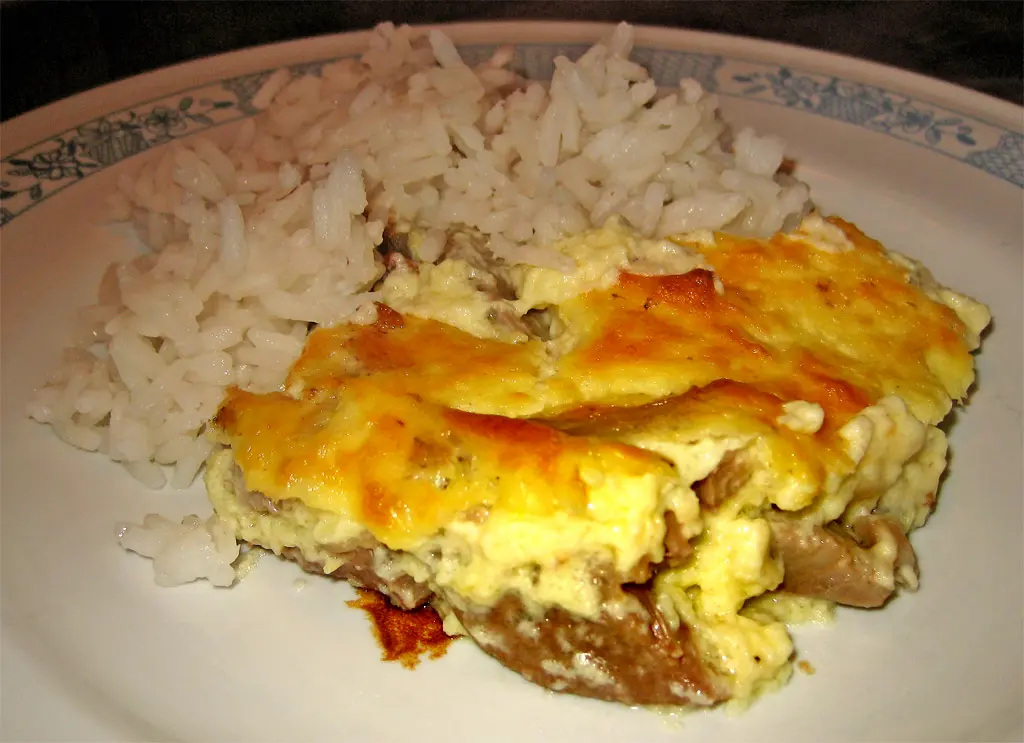
Here’s the detail most visitors miss: tavë kosi comes from Elbasan, an inland town most tourists skip, and you’ll often see it on menus as tavë Elbasani or “Elbasan tava” - same dish, older name. It travelled well: versions turn up across Greece, Kosovo, North Macedonia and Turkey. If a menu offers it made with chicken instead of lamb (tavë kosi me mish pule), that’s a lighter, common variant rather than a lesser one.
Fërgesë: Tirana on a plate
The dish to order in the capital is fërgesë - a dense, savoury bake of peppers, tomatoes, onions and gjizë (a soft Albanian curd cheese, close to ricotta), cooked down on the stove and finished in the oven, and eaten with bread as a starter or a light main. It is described as the most iconic dish of Tirana and central Albania, and it’s the kind of thing you scoop straight from the clay dish it’s baked in.
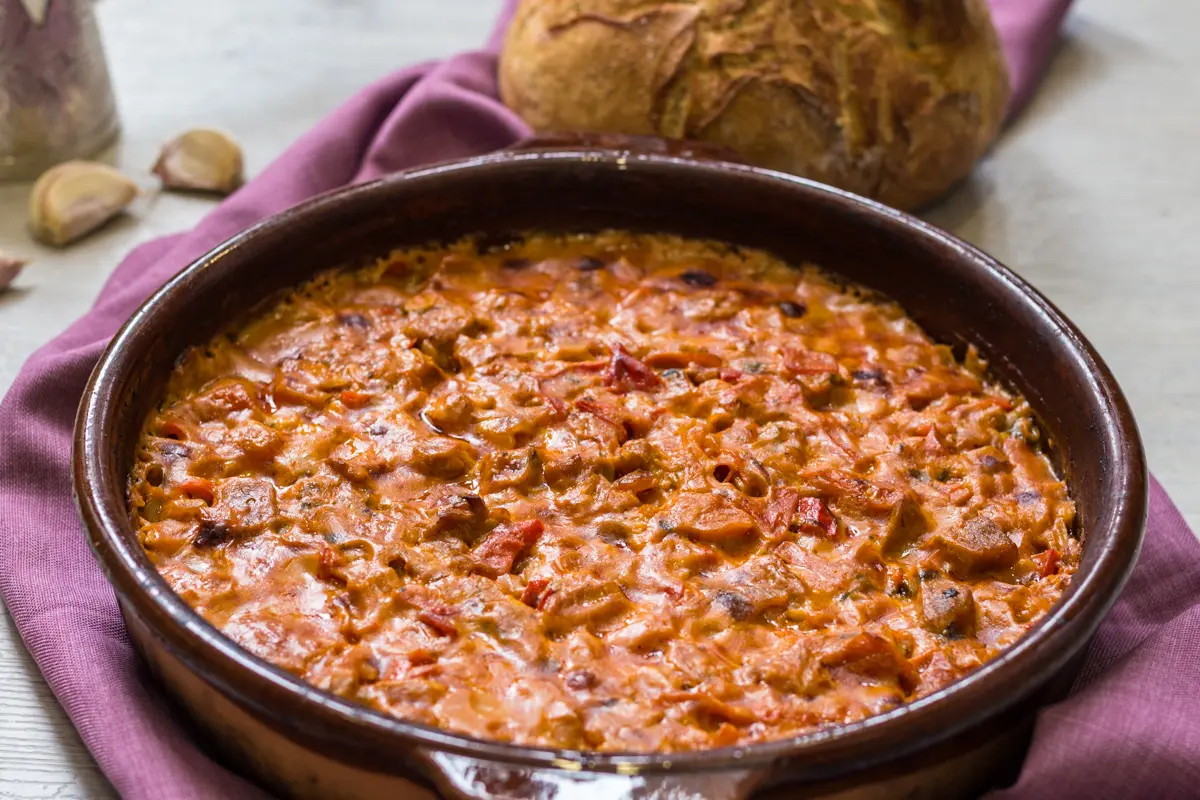
Worth knowing before you order: there’s more than one fërgesë. The old Tirana version, fërgesë Tirane, traditionally includes liver or pieces of beef, so it is a heartier, meatier plate; the summer version, fërgesë verore, drops the meat and leans on the vegetables and cheese, which makes it a reliable vegetarian pick. If you are eating your way around the capital, our guide to the best things to do in Tirana points you at Pazari i Ri, the market quarter where a lot of the good casual eating happens.
Byrek: the everyday pastry
Byrek is the food Albanians actually eat on the move - a pie of thin, hand-rolled pastry layered around a filling, sold hot from little shops called byrektore. The classic fillings are salted curd cheese (gjizë), spinach and egg, or a minced-meat-and-onion ragù, but you’ll also see tomato and onion, peppers and beans, potato, and a sweet pumpkin version; bean byrek is a winter favourite. It comes either as an individual triangle or as a big tray tin cut into slabs and often sold by weight.
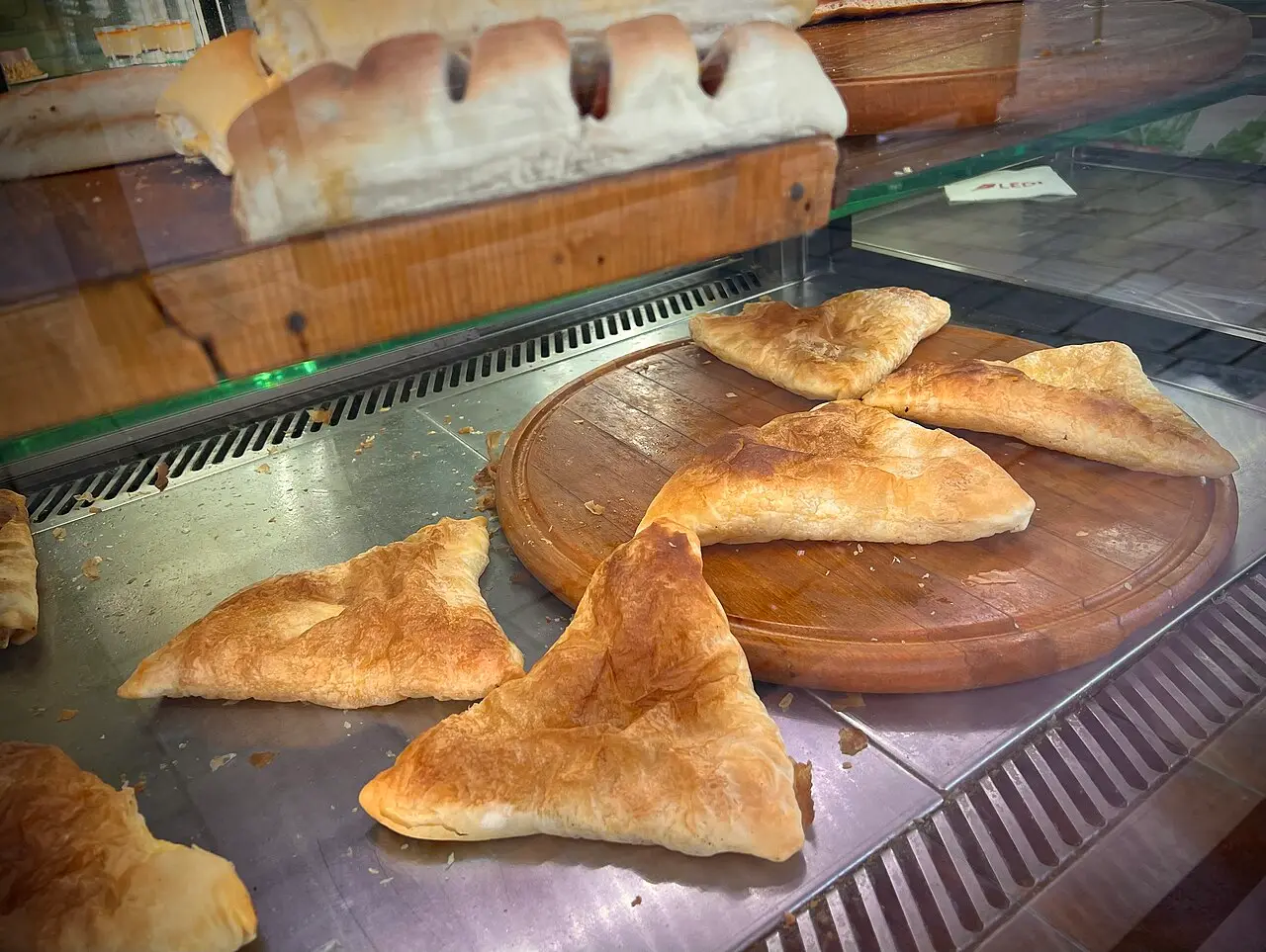
A tip: byrek is the single cheapest, most reliable meal in Albania. A slice with a yogurt drink (dhallë) is the standard workers’ breakfast, and it beats any hotel buffet for a couple of hundred lek. In the south you’ll also meet lakror, a close cousin from that region usually filled with wild greens or meat.
Qofte and japrak: grill and stuffed leaves
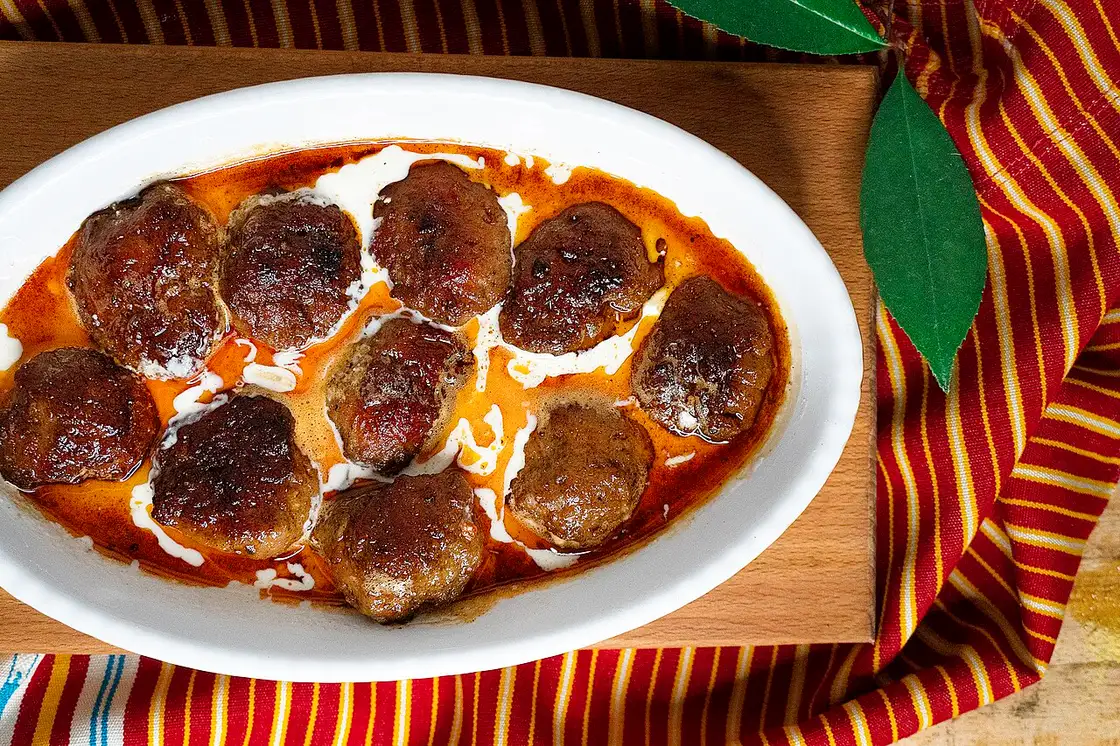
Off the grill, the everyday order is qofte - fried or grilled meatballs of minced meat mixed with herbs and spices, usually served with chips, salad and bread. They’re cheap, filling and turn up on nearly every taverna menu; regional versions abound, and a good grill house does them far better than any tourist terrace.
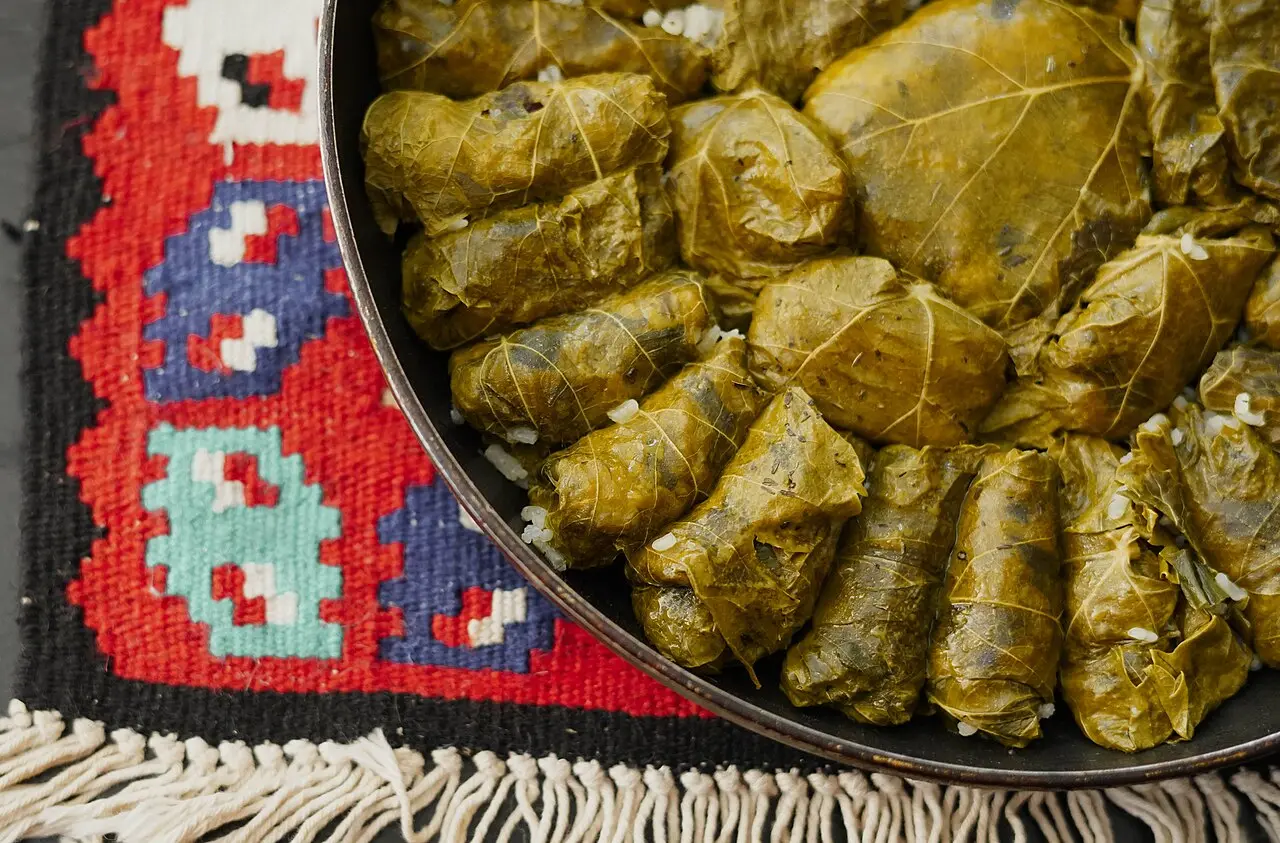
For something slower and more homestyle, look for japrak - vine leaves stuffed with rice, minced beef and onion, part of the wider dolma family you’ll recognise from across the former Ottoman world. It’s a dish you are more likely to find in a family-run place or a guesthouse dinner than on a quick lunch menu, and it is worth seeking out when you do.
Two more worth ordering if you see them: stuffed peppers (speca të mbushur) filled with rice or rice-and-meat, and the various oven bakes and clay-pot stews that anchor a southern lunch. Down in Gjirokastër, keep an eye out for the town’s own oddity - qifqi, little fried balls of rice and egg seasoned with herbs, found there and almost nowhere else.
Sweets: baklava, trileçe and petulla
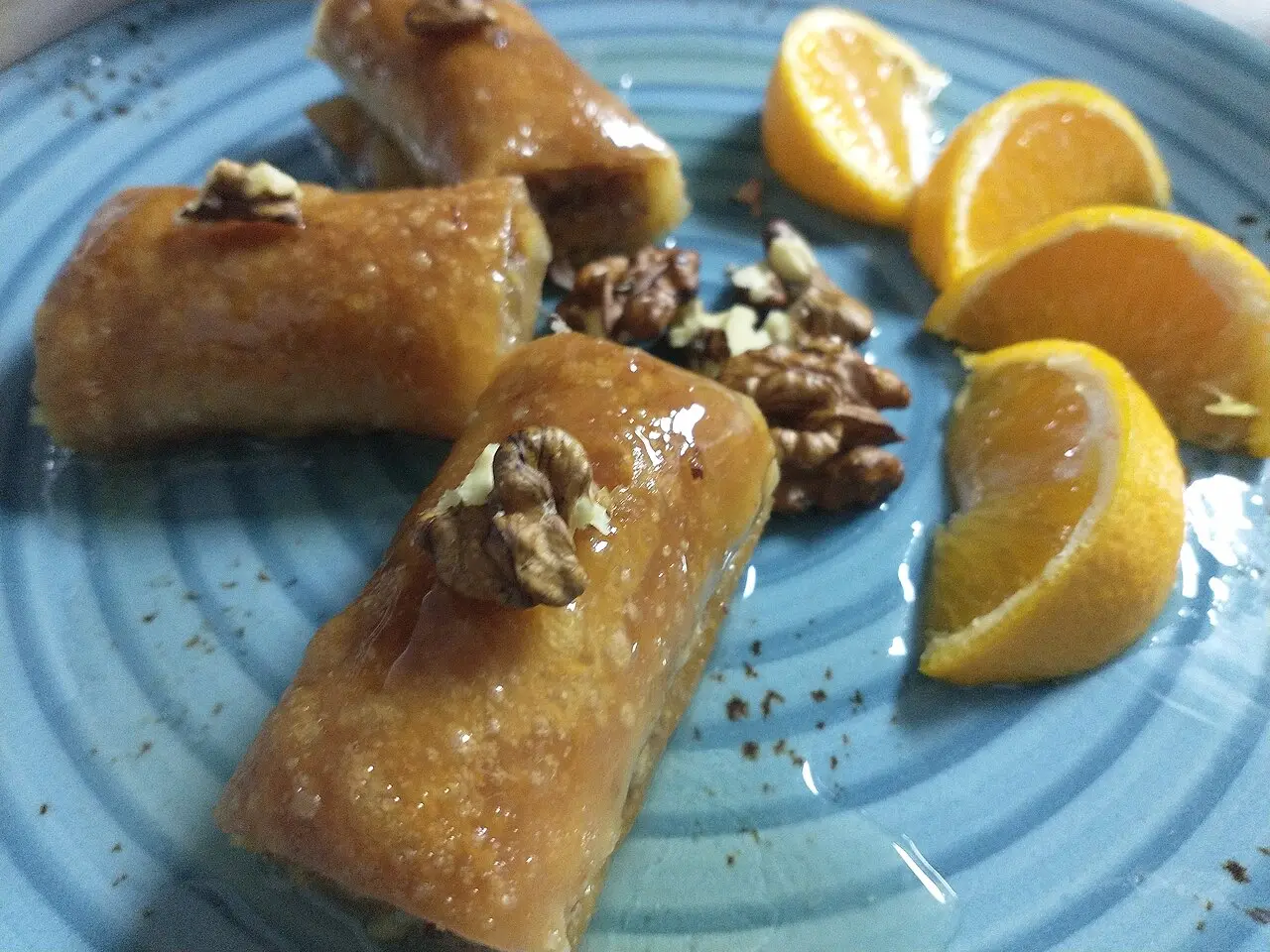
Albanian desserts skew syrupy and Ottoman. Baklava - layered pastry with walnuts or hazelnuts, drenched in sugar syrup - is the special-occasion sweet, richest around holidays, and every region has its own slightly different take.
The two you’ll meet most in cafés are trileçe, a sponge cake soaked in three kinds of milk and topped with caramel (a Latin-American import that the whole region has adopted wholesale), and petulla - simple fried dough, served either sweet with powdered sugar and jam, or savoury with feta cheese. Petulla doubles as a breakfast and a pudding, and a plate of it hot from the pan is a genuinely good, unpretentious end to a meal.
What to drink: raki, wine and beer
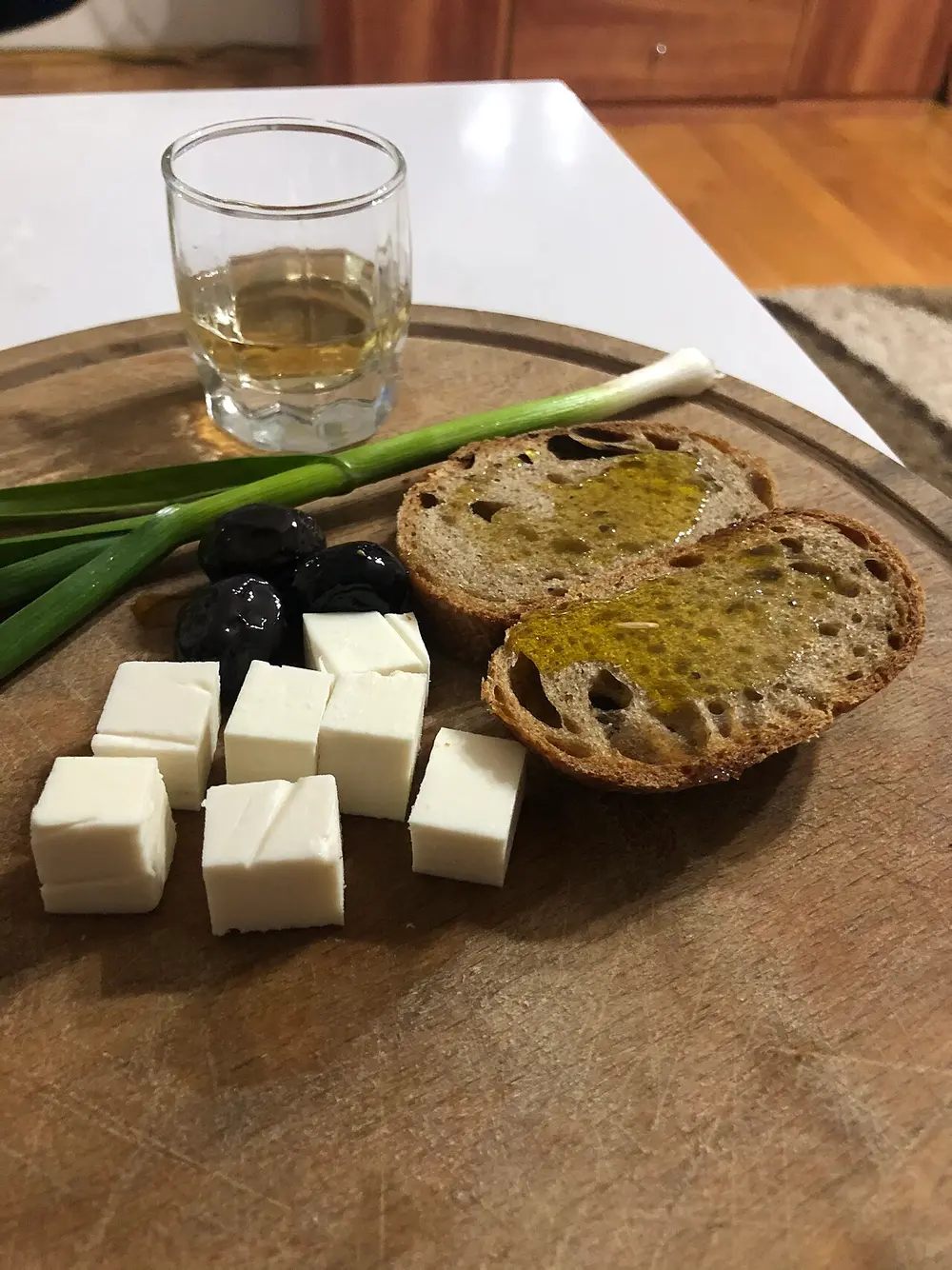
The drink you will be offered first, often before you have ordered anything, is raki - Albania’s ubiquitous fruit brandy, most commonly made from grapes but also plums or blackberries. It arrives as a welcome, a toast or a digestif, frequently homemade and frequently strong, so sip it rather than shoot it. It pairs with the standard Albanian spread of white cheese, olives, bread and olive oil that opens most meals.
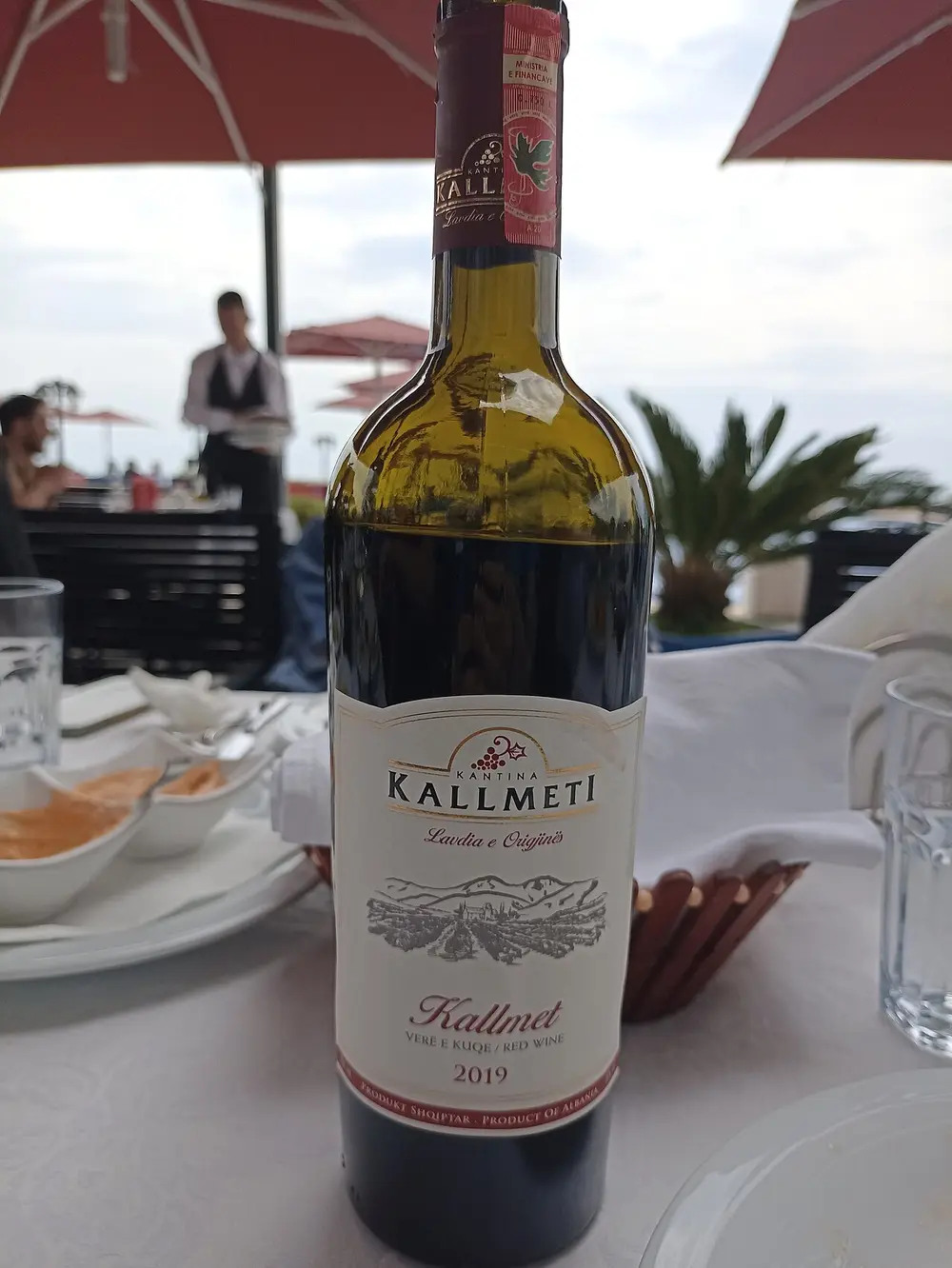
The bigger surprise is the wine. Albania, along with Greece, has one of the longest continuous winemaking histories in Europe, going back to the Illyrians, and it grows native grapes you’ll not find elsewhere. The one to order is Kallmet, a red from the Lezhë area in the north; look also for Shesh i Bardhë (white) and Shesh i Zi (red) from the plains around Tirana and Durrës. For regions, grapes and where to taste beyond a restaurant list, see our Albanian wine guide. The main wine regions are Berat, Korçë and the coastal plains - the countryside around Berat in particular is dotted with family wineries doing tastings.
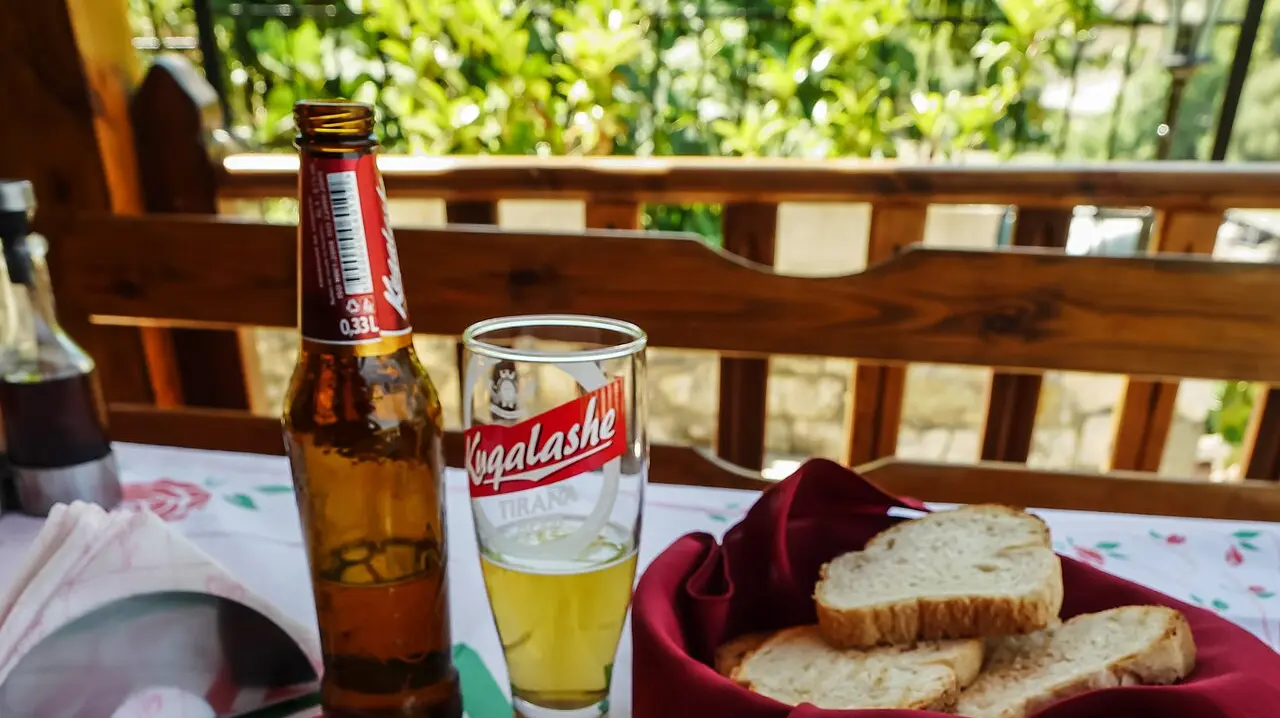
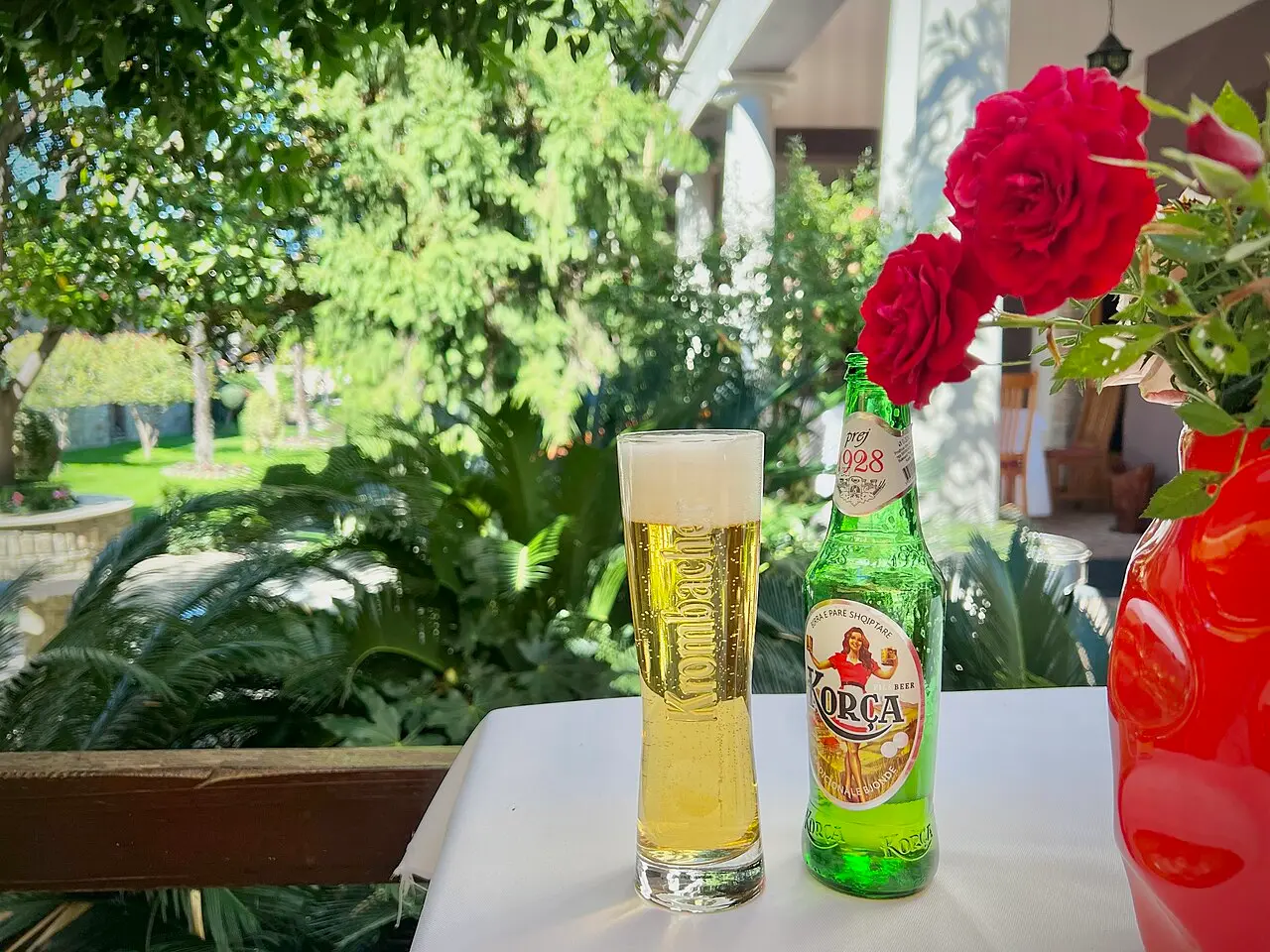
For something long and cold, the beer to know is Korça (Birra Korça), brewed in the eastern town of Korçë. It’s the country’s first brewery, founded in 1928, and it still runs a big summer beer festival in Korçë; the blonde lager is the everyday pour. You’ll also see Tirana beer, brewed in the capital since 1960. Neither will astonish a serious beer drinker, but an ice-cold Korça with a plate of qofte on a hot afternoon is exactly right.
One more thing you cannot avoid: coffee. Albania has one of the highest densities of cafés in the world, and the espresso is taken seriously - the pavement coffee, nursed slowly, is closer to a national pastime than a caffeine hit.
How and where to eat it
A few practical notes to get the good stuff:
- Look for the taverna, not the terrace. As on the coast everywhere, the family-run places a street or two back from the seafront or the main square cook better and charge less than the tourist-facing terraces. Inland guesthouses often serve the best home cooking of a trip.
- Currency and cash. Albania uses the lek (ALL); euros are sometimes taken near ports and at hotels, but you’ll usually get better value in lek. Carry cash for byrektore, market stalls and small tavernas, even where cards work.
- Seafood is priced by weight. On the coast, fresh fish is sold by the kilo and often brought to the table for you to choose - agree the size and the price before it’s cooked so the bill holds no surprises. Prices are gentle by Western-European standards, though prime seafront tables charge for the view. Town-by-town shortlists from Saranda to Himara and Ksamil are in where to eat on the Albanian Riviera.
- Eat where the region is strong. Order seafood on the Ionian coast, slow-baked lamb and tavë kosi inland, and byrek anywhere. In the capital, see our pick of the best restaurants in Tirana; for a short list of vetted places countrywide, browse our where to eat in Albania directory.
You will not find Albanian food dressed up or exported the way its neighbours’ cuisines are - it’s still mostly home cooking, eaten in family tavernas and washed down with someone’s own raki. That is exactly the appeal. Come hungry, say yes to the welcome plate, and you’ll eat very well for very little.
Read also

Food · 9 min read
Best Seafood & Where to Eat on the Albanian Riviera
Updated · September 3, 2026Saranda to Ksamil seafood guide: fish by the kilo in lek, Black Marlin, Limani, Mussel House, and what dinner for two costs in 2026.

Food · 10 min read
Albanian Wine Guide: Regions, Grapes & Where to Taste
Updated · August 6, 2026Albanian wine guide to Shesh and Kallmet, key regions, verified tasting stops near Berat and Tirana, and current price guidance.

Food · 9 min read
Best Restaurants in Tirana: Where to Actually Eat
Updated · July 16, 2026Where to eat in Tirana: traditional tavernas, the new Albanian wave, seafood and cheap qofte and byrek spots, with 2026 prices in lek and where locals go.

Transport · 12 min read
Tirana to Athens: Bus, Flights & the Overland Option
Updated · October 5, 2026Tirana to Athens by bus: 04:00, 15:00 and 17:00 daily, €45 one way and 12-14 hours via Kakavia, or four direct flights a day. Checked 6 Oct 2026.