Korca Travel Guide: Bazaar, Beer & Southeast Albania
Korca (Korce) guide: walk the Old Bazaar, see medieval icons, taste Birra Korca, then day-trip to Voskopoje or Lake Ohrid.
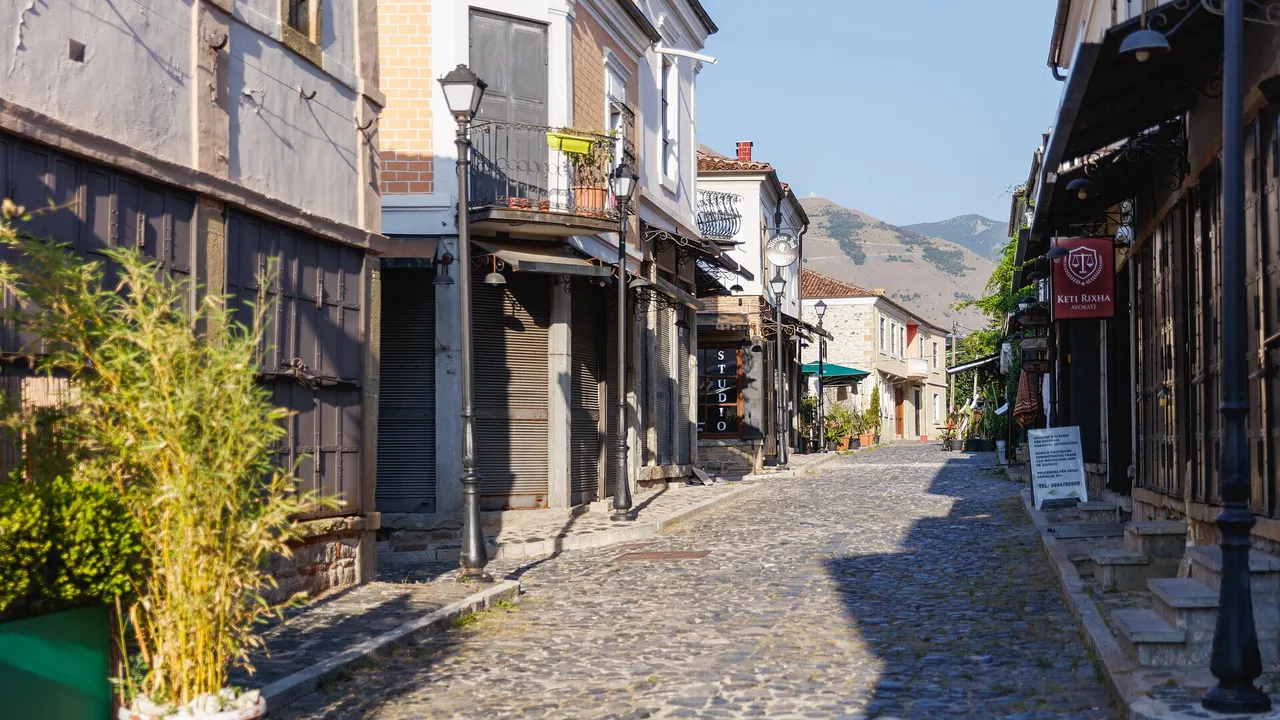
Korça (you’ll also see Korçë or Korce) is southeast Albania’s highland city: a walkable plateau town at about 850 m, cooler than the Riviera, built around an Ottoman bazaar, a serious icon museum and Albania’s oldest commercial brewery. Give it one full day for the centre, or two if you want Voskopojë’s churches or a swim stop in Pogradec on Lake Ohrid.
Most Albania itineraries hug the coast and swing through Berat or Gjirokastër. Korça sits off that loop on purpose. You come for cafés in the Old Bazaar, a museum that holds thousands of Byzantine and post-Byzantine icons, and nights that smell like Birra Korça rather than sea salt. In mid-August the city hosts what Albania’s national tourism agency calls the country’s biggest summer party; the rest of the year it’s quieter, and that’s when the streets feel most like themselves.
Cooler plateau, slower city
The Morava hills ring the plateau, so summer evenings drop faster than they do in Tirana or Saranda. By autumn the highland air is a different country from the Riviera - useful context if you’re reading Albania in October and wondering why inland packing lists keep mentioning a warm layer. The centre is flat enough that you don’t need a car once you’ve checked in: boulevards, the bazaar lanes and the museum cluster within a short walk of each other.
Korça earned the nickname “city of serenades” for a reason that still shows up after dark - music in the squares, brass on festival nights, students on the main promenade. It’s also the place where Albania’s modern schooling story starts, which is why a small 19th-century schoolhouse sits on the same mental map as the cathedral and the brewery.
Pazari i Vjetër and the Mirahori Mosque
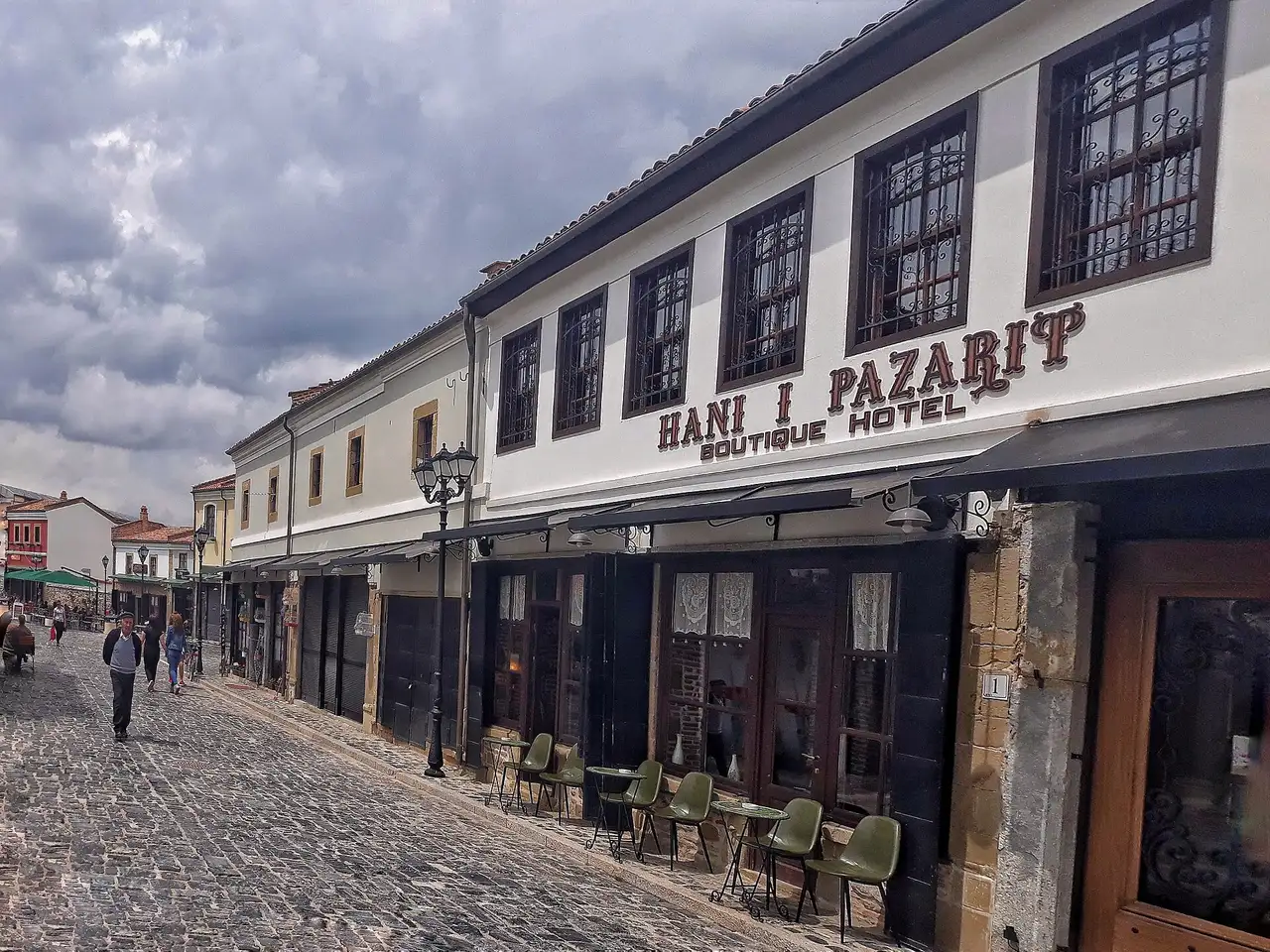
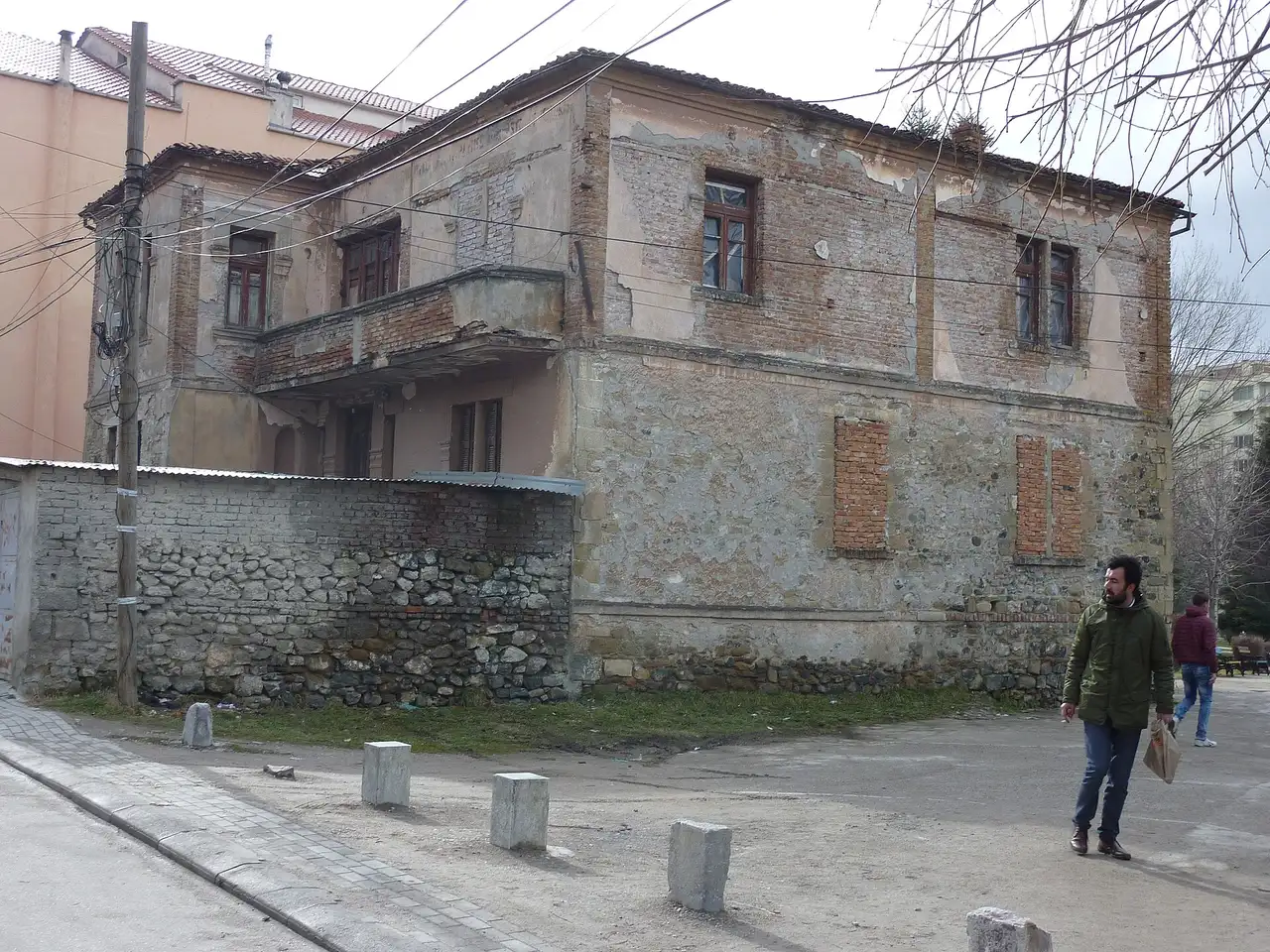
The Old Bazaar (Pazari i Vjetër) is still the city’s working commercial heart. The urban core grew from the late 15th and early 16th centuries around the charity foundations of the Ottoman Albanian nobleman Ilias Bey Mirahori; the bazaar itself was largely rebuilt in 1879 after fires and wear, and today it’s cafés, craft shops and restaurants under stone arches rather than a museum street. Come mid-morning for coffee, then again after dusk when the lanes fill with locals on their xhiro.
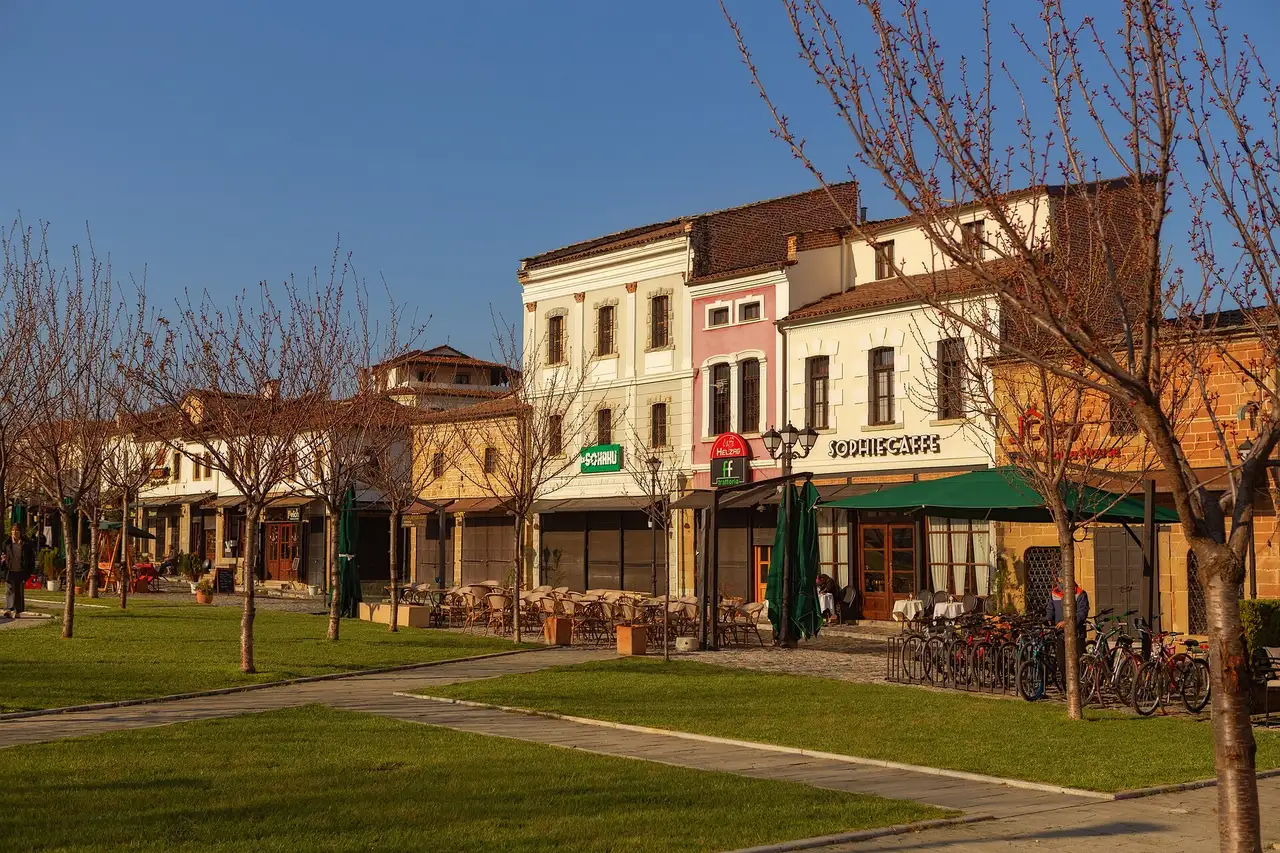
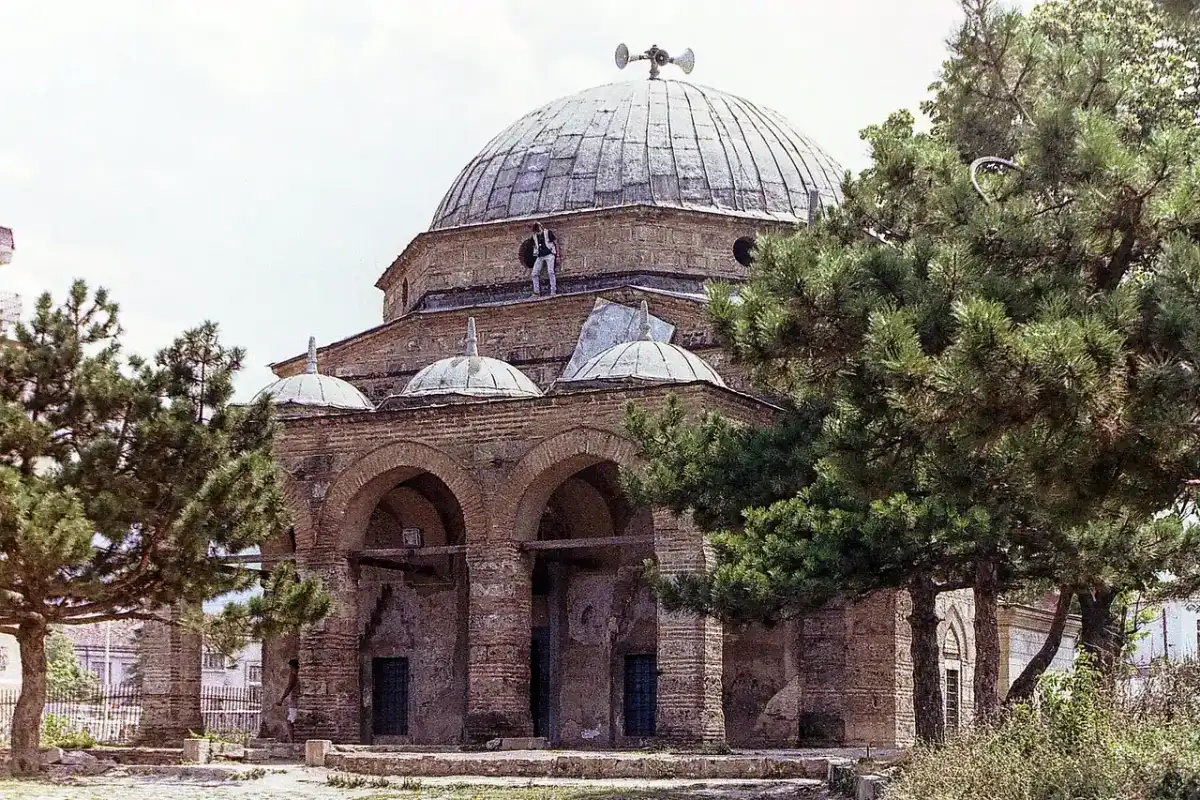
A short walk from the stalls brings you to the Mirahori Mosque, built between 1484 and 1495. It’s one of Albania’s earliest surviving mosques and the clearest reminder that the bazaar wasn’t invented for tourists - it grew beside a vakıf complex that founded the town. Pair the mosque courtyard with a slow loop through the bazaar rather than treating either as a five-minute photo stop.
Icons at the National Museum of Medieval Art
If you only enter one paid sight, make it the National Museum of Medieval Art (Muzeu Kombëtar i Artit Mesjetar) on Fan Noli boulevard. It opened on 26 April 1980 and today administers 8,265 objects, about 6,400 of them icons spanning the 13th to 20th centuries - one of the densest Byzantine and post-Byzantine collections you’ll see in the Balkans. The permanent rooms move from early panels through Onufri-era colour and later workshops; give yourself at least 90 minutes, longer if icons are why you came inland.
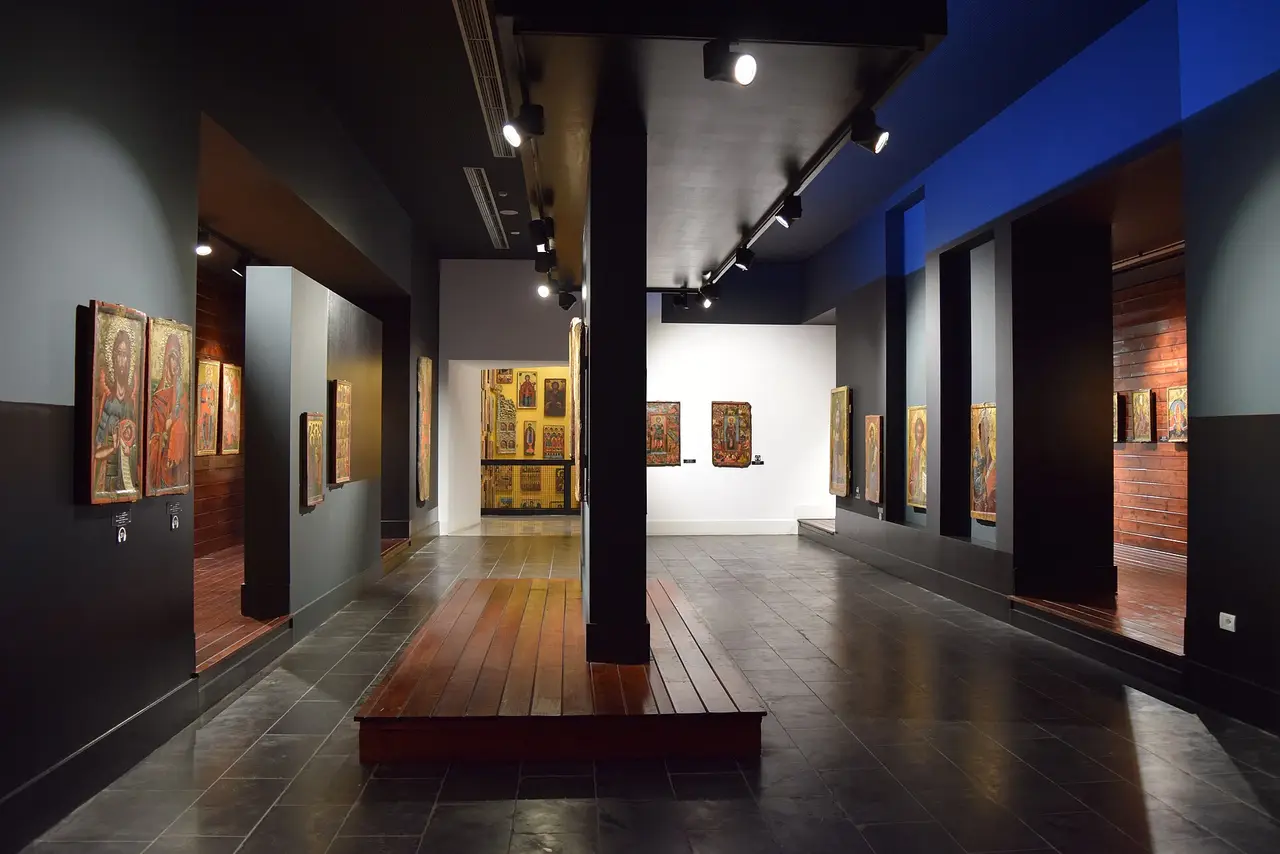
As of 14 August 2026, the museum’s own tickets page lists a standard ticket at 700 lek, groups of 12+ at 500 lek, pensioners and disabled visitors at 350 lek, students at 210 lek, and under-12s free (bring ID for any reduced rate). Summer hours run daily 09:00-19:00; winter hours are Monday-Saturday 09:00-14:00 and Sunday 10:00-15:00. Confirm on muzeuiartitmesjetar.com/biletat/ before you go - seasonal boards change, and the site also lists free-entry national heritage days. Visitor photography and filming are not allowed inside, so leave the camera bag habits at the desk.
Cathedral boulevards and the first Albanian school
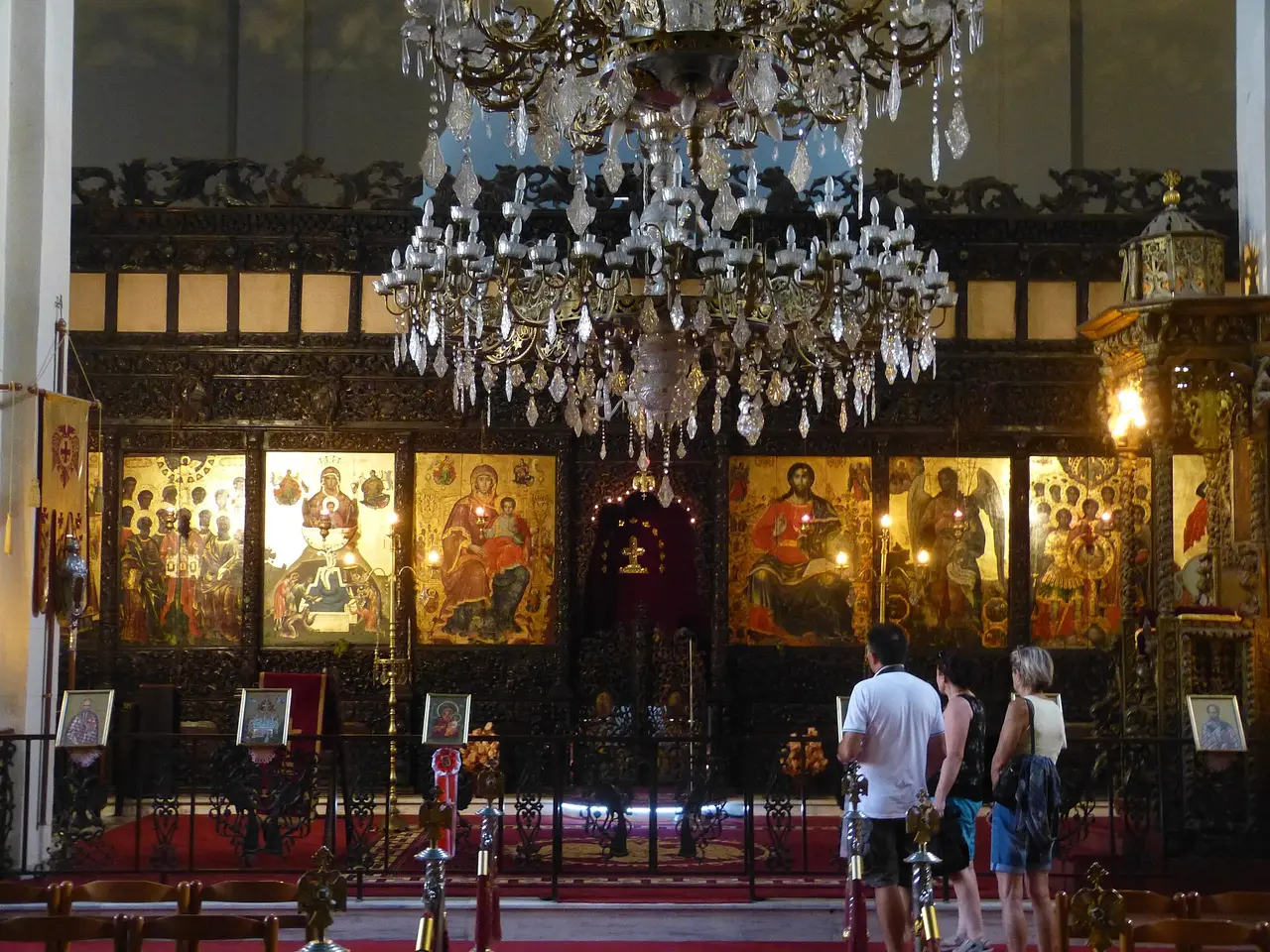
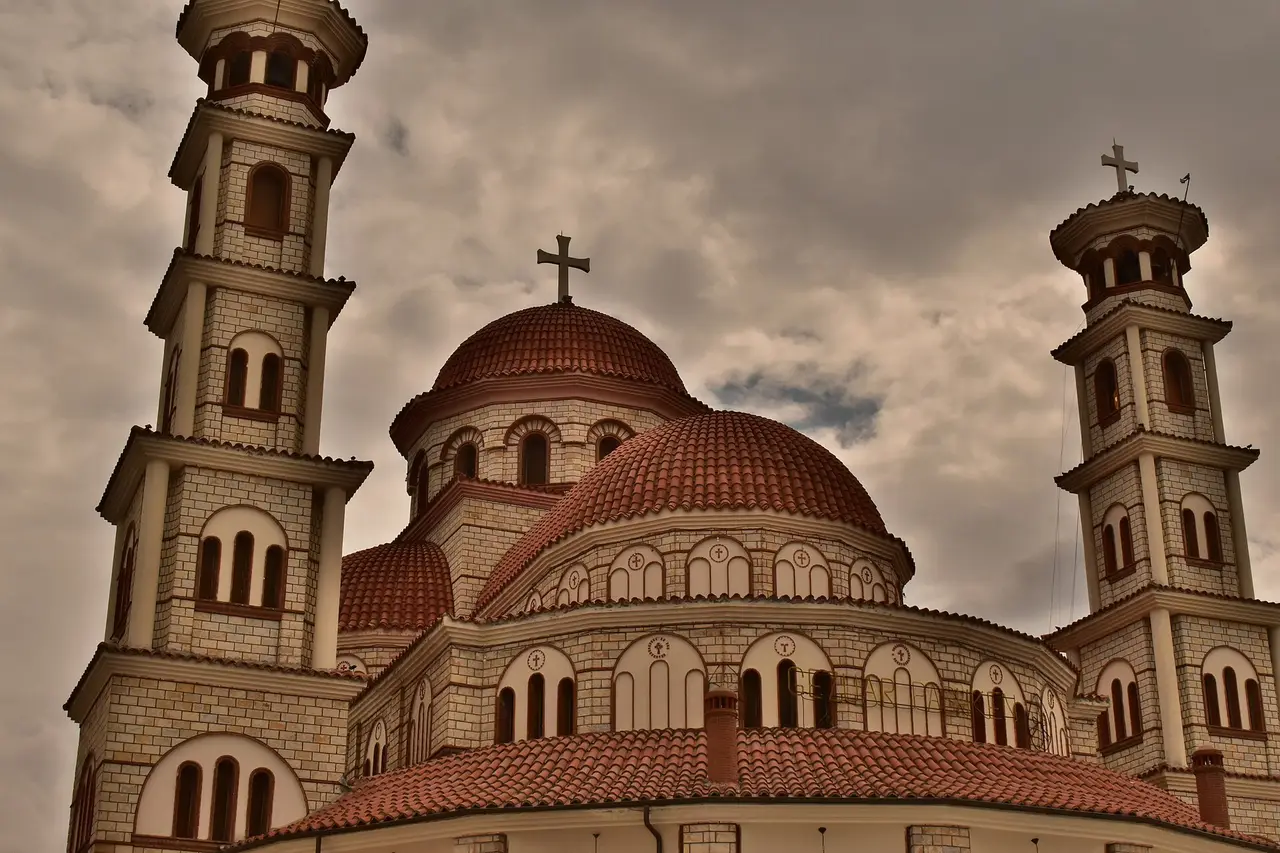
The Cathedral of the Resurrection of Christ (Katedralja “Ngjallja e Krishtit”) anchors the modern Orthodox centre of town - large domes, a broad approach, and the postcard view that shows up whenever someone writes “Korça skyline.” It’s a living church, so dress respectfully and treat opening for prayer as the rule rather than a ticketed attraction. Hours aren’t posted as a tourist product on an operator site we could verify for this page, so ask locally or check the notice board on the day.
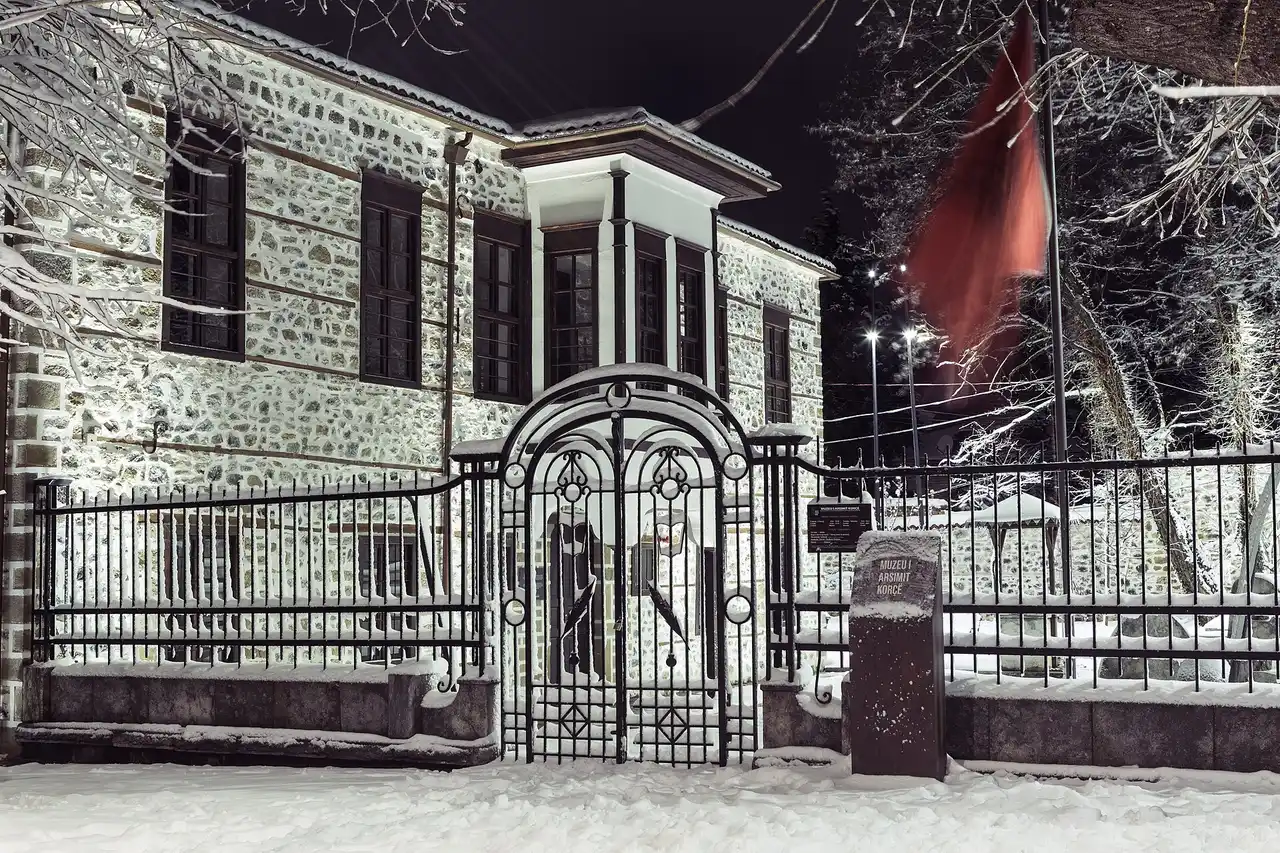
A few blocks away, the Mësonjëtorja - the first officially recognised Albanian-language school, opened in March 1887 by the city’s Secret Committee with support from the Frashëri brothers - now works as a small museum of education. You don’t need to be a history specialist to feel why Korça calls itself an intellectual capital: the building is modest, and that’s the point. Ticket prices and opening hours weren’t confirmed on an operator page in this research pass, so treat a visit as “confirm on arrival” rather than a timed booking.
Birra Korça and festival week
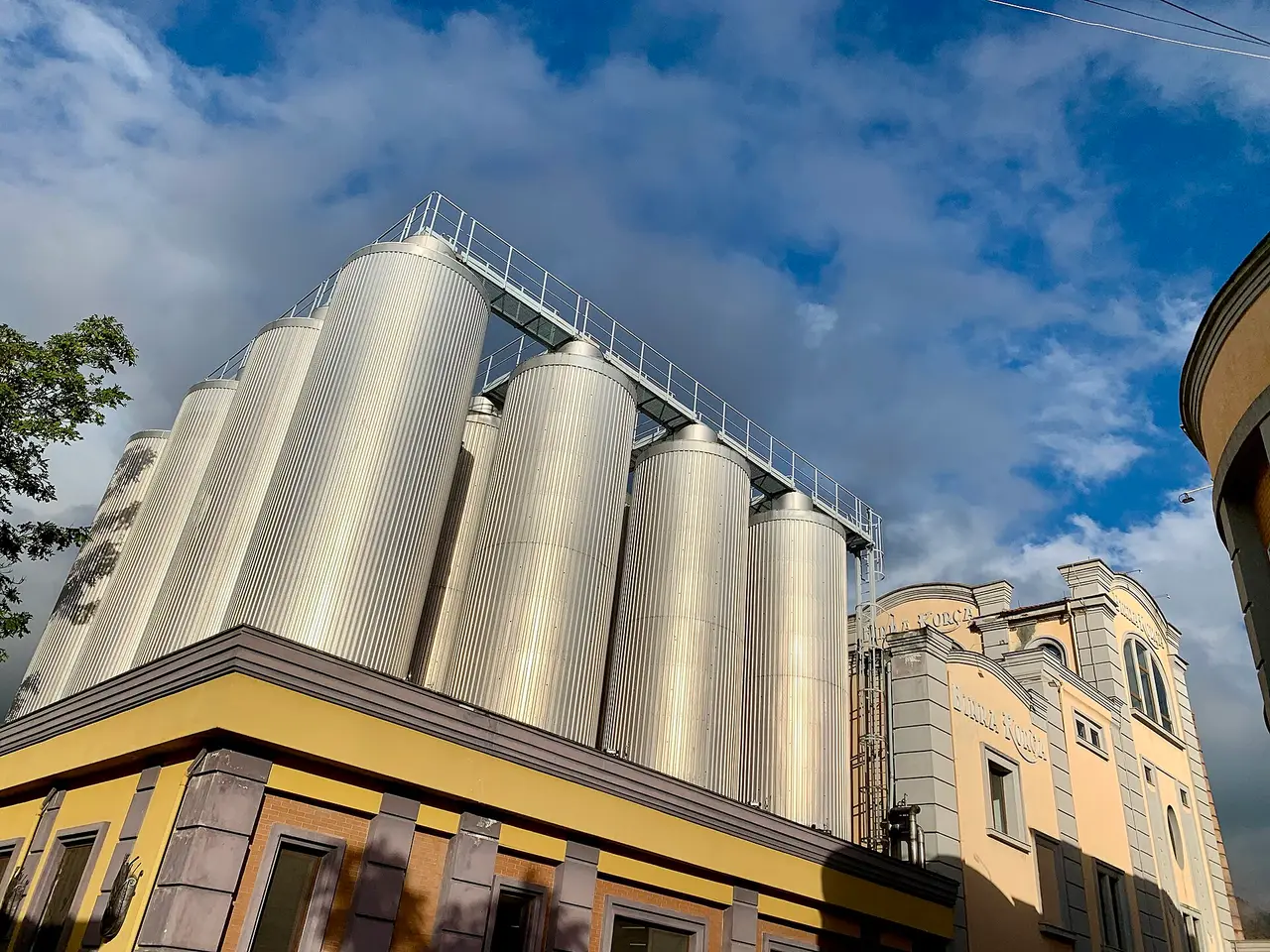
Birra Korça isn’t a souvenir sticker - it’s the city’s industrial pride. The brewery dates to 1928, and the pale lager is what you’ll see on tables from Shkodër to Saranda. The brewery buildings sit on the edge of the centre; organised tours exist in some seasons, but we didn’t lock a current public price list or fixed timetable from the operator for this guide, so don’t plan a morning around a tour you haven’t confirmed that week. A cold glass in the bazaar still does the cultural job.
If your dates fall in mid-August, the calendar flips. The Korça Beer Fest takes over the city around then every year; the 2026 edition ran 12-16 August, free entry each night, and it was the 20th - the first to move its stages out to the events ground in Drenovë, about 5 km from the centre rather than the main squares. Beds vanish early; people sleep in Pogradec and Voskopojë when the city fills. For lineup, shuttles and the venue-name confusion (Poli i Jugut vs Poli i Eventeve), use our dedicated Korça Beer Fest guide. The wider year - carnival in June, quieter autumn weekends - sits in the Albania events calendar.
Where to stay in Korça
Base yourself near the Old Bazaar or the central boulevards if you want to walk everywhere after dinner. The hotel stock is smaller than Tirana’s or Saranda’s, so festival week and national holiday weekends need advance booking more than shoulder-season Tuesdays. If you can’t find a room in town during Beer Fest, Pogradec is the usual overflow - lake mornings, festival nights. For a country-wide framing of bases, see where to stay in Albania.
Guesthouses in restored houses are the local signature; chain comfort is thinner. Ask about heating if you’re coming outside high summer - 850 m is real altitude once the sun drops.
Day trips from Korça
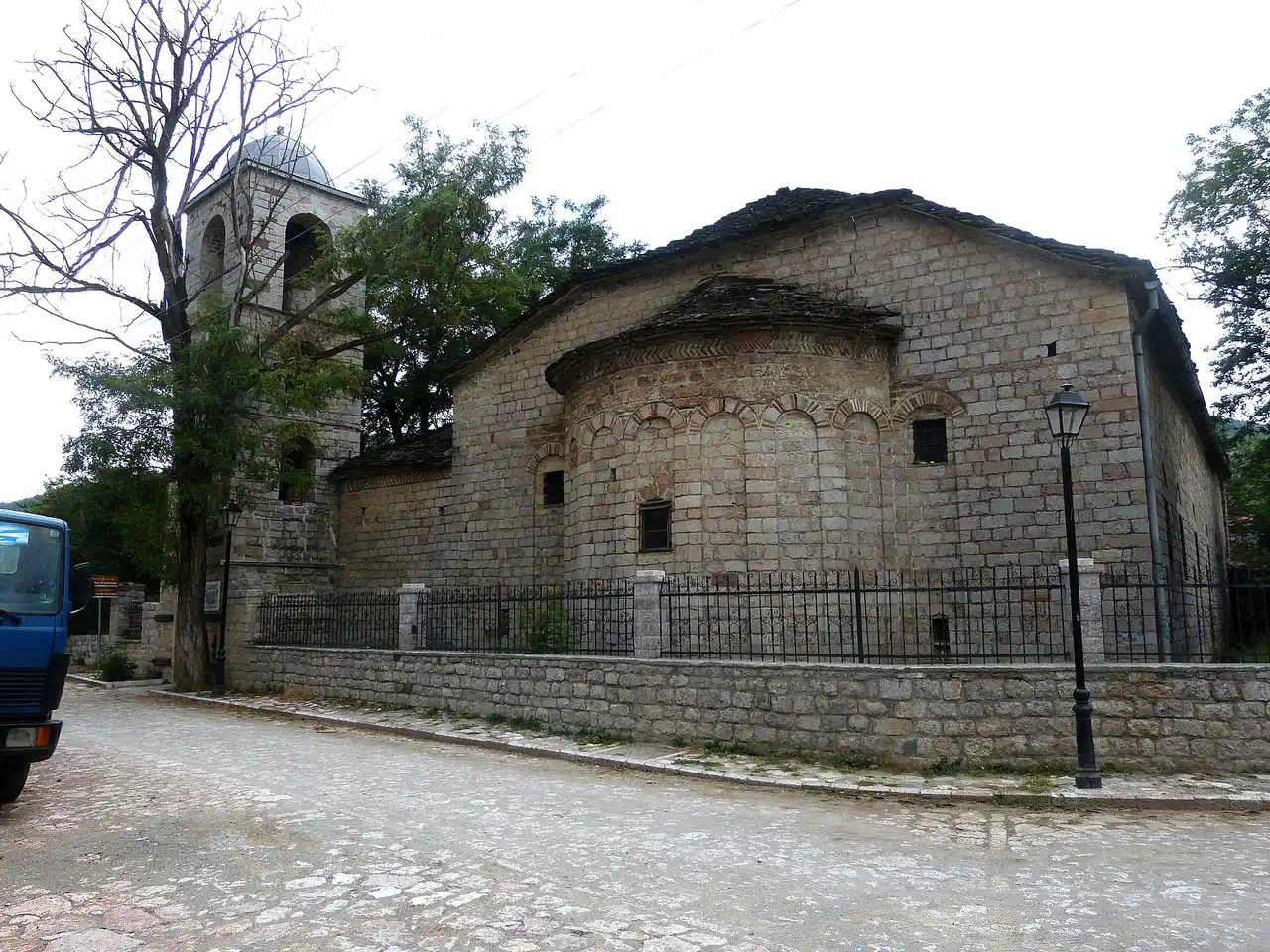
Voskopojë (Voskopoja), up in the hills west of the city, was a major Orthodox centre in the 18th century and still holds frescoed churches that reward a half-day. St Nicholas and neighbouring churches are the usual stop; entry arrangements and any caretaker fees change, so confirm on the day rather than trusting a blog price. The drive is short enough for a morning out and a late lunch back in the bazaar.
Pogradec and the Albanian shore of Lake Ohrid sit roughly 40 minutes away by frequent minibus. Swim, walk the promenade, eat koran trout, then either return the same evening or sleep by the water. Full practical detail - Drilon springs, Lin mosaics, the hop toward Ohrid town - lives on the Pogradec guide.
Prespa and the wider Korçë County parks are real options if you’ve got a rental car and more than a weekend, but they need their own logistics day; don’t squeeze them into a bazaar-and-museum morning. For grapes and eastern hills context, the Albanian wine guide maps the cooler east, even though beer still owns the city’s reputation. Plate-side, what to eat in Albania covers the wider table once you’ve ordered a Korça lager.
How to get to Korça
There’s no useful passenger rail. From Tirana, intercity coaches to Korça leave from the East Terminal at the TEG mall - not the Regional Bus Terminal that handles Berat, Vlorë and much of the south. The road run is on the order of 160 km and usually a little over three hours, depending on traffic and stops. Schedules and fares shift by operator and season; check a current aggregator or the ticket desk rather than a cached blog number, and read the terminal map in how to get around Albania before you order a taxi to the wrong depot.
From Pogradec, minibuses are frequent and short. From the Greek border approaches, Korça is a natural first Albanian stop if you’re entering from the southeast - still confirm which crossing your bus actually uses on the day you travel.
Driving is straightforward in good weather; winter snow on the plateau is a real possibility, so don’t treat a July rental-car plan as year-round advice. If you’re choosing when to visit the whole country, best time to visit Albania puts the highland calendar next to the Riviera one.
How long you need
One day covers the bazaar, Mirahori Mosque, the medieval museum, the cathedral exterior and a beer. Two days add Voskopojë or Pogradec without rushing. Festival week is its own animal - build nights around Drenovë and keep daytime soft. Korça won’t replace a beach week, and it isn’t trying to. It’s the southeast’s cultural base camp: cooler air, denser museums, and a city that still feels lived-in after the tour vans leave.
Photos
On the map
The map loads on click - to keep the page lightweight.
The map didn’t load. Check your connection and refresh the page.
Admission and opening hours
- Admission price
- Medieval Art Museum: 700 lek standard (students 210, under-12 free)
- Opening hours
- Summer daily 09:00-19:00; winter Mon-Sat 09:00-14:00, Sun 10:00-15:00
Museum prices and hours from muzeuiartitmesjetar.com/biletat/ - confirm before you go; other sites vary.
Details checked: August 14, 2026
Distance ≈160 km · ~3-3.5 h by road
- Tirana ≈160 km · ~3-3.5 h by road Intercity buses leave from Tirana East Terminal at the TEG mall; no useful passenger train.
Read also

Cities · 10 min read
Permet, Albania: the Vjosa, Rafting & Gliko
Updated · August 8, 2026Permet travel guide: rafting the Vjosa (EUR 35), gliko and raki, the 1944 Congress, Leusa church, the Benja baths, where to stay and how to get there.

Cities · 13 min read
Dhermi, Albania: Beaches, Drymades & the Old Village
Updated · September 25, 2026Dhermi and Drymades guide: which beach is which, what a sunbed costs, boat trips to Gjipe, the old Greek village above the coast and the bus-stop catch.

Cities · 11 min read
Pogradec & Lake Ohrid: The Albanian Side
Updated · October 2, 2026Pogradec on the Albanian shore of Lake Ohrid: pebble beaches, the promenade, the Drilon springs, koran trout and Lin's mosaics, without Ohrid's crowds.

Cities · 10 min read
Kruja, Albania: Skanderbeg Castle & Old Bazaar Guide
Updated · August 24, 2026Kruja day-trip guide: Skanderbeg's castle and museum, the Ottoman Old Bazaar and Ethnographic Museum, how to get there from Tirana and how long to stay.