Is Albania Expensive? Real 2026 Daily Costs
Is Albania expensive? Real 2026 daily costs for food, hotels, transport, beaches and car rental, with budget ranges and source dates.
No, Albania isn’t expensive by European standards in 2026, but it’s no longer the almost-free bargain some older blogs describe. A realistic Albania budget per day is about EUR 35-50 for a careful backpacker, EUR 60-90 for a comfortable mid-range traveller, and EUR 100-150+ if you want coastal hotels, a rental car, beach clubs and tours in July or August. The big rule is simple: inland towns and shoulder seasons are still excellent value; Ksamil, Saranda and the Riviera in peak summer can feel surprisingly close to Greece or Croatia.
This guide uses ranges, not fake precision. Prices change by season, booking date and exchange rate, so treat every number as a planning band and check current prices before you book.
Currency converter
- ALL
- 8,201
- USD
- $100
- EUR
- €89.25
- GBP
- £75.62
Daily budgets at a glance
| Travel style | Realistic daily spend | What that usually includes | CheckedAt |
|---|---|---|---|
| Backpacker | EUR 35-50 | Hostel or cheap guesthouse, bakeries and local meals, buses/furgons, mostly free sights | 2026-06-25 |
| Budget couple | EUR 45-70 per person | Private guesthouse room split two ways, sit-down local meals, intercity transport | 2026-06-25 |
| Mid-range | EUR 60-90 | Private room or 3-star hotel, restaurants, some taxis or paid sights | 2026-06-25 |
| Coast in peak summer | EUR 90-150+ | Saranda/Ksamil hotel rates, beach sets, seafood meals, taxis or a car | 2026-06-25 |
Those ranges line up with 2026 budget guides from Grand Royal Travel and Love Albania, but they’re still estimates. A dorm-heavy trip through Tirana, Shkoder, Berat and Gjirokaster can stay near the low end. A week in Ksamil in August won’t.
Use this as the short budget answer, then pair it with our Albania travel budget guide for building a whole-trip total, plus the route and transport guides below before you lock in hotels or a car.
Accommodation: still good value, except the coast in August
Accommodation is where Albania can either feel cheap or suddenly not cheap at all. In Tirana, Berat, Gjirokaster and Shkoder, a hostel dorm is commonly in the EUR 8-18 band, while simple private rooms and guesthouses often sit around EUR 25-45. Solid mid-range hotels usually start around EUR 40-70 inland and in the capital, depending on location and season.
The Riviera is the exception. In Saranda and especially Ksamil, summer rates climb fast. A basic private room that looks reasonable in May can cost twice as much in July or August, and waterfront or beach-adjacent places sell out early. For the best value, book the coast early or move your beach dates to June or September. The same sea looks better when you’re not paying peak-season scarcity prices.
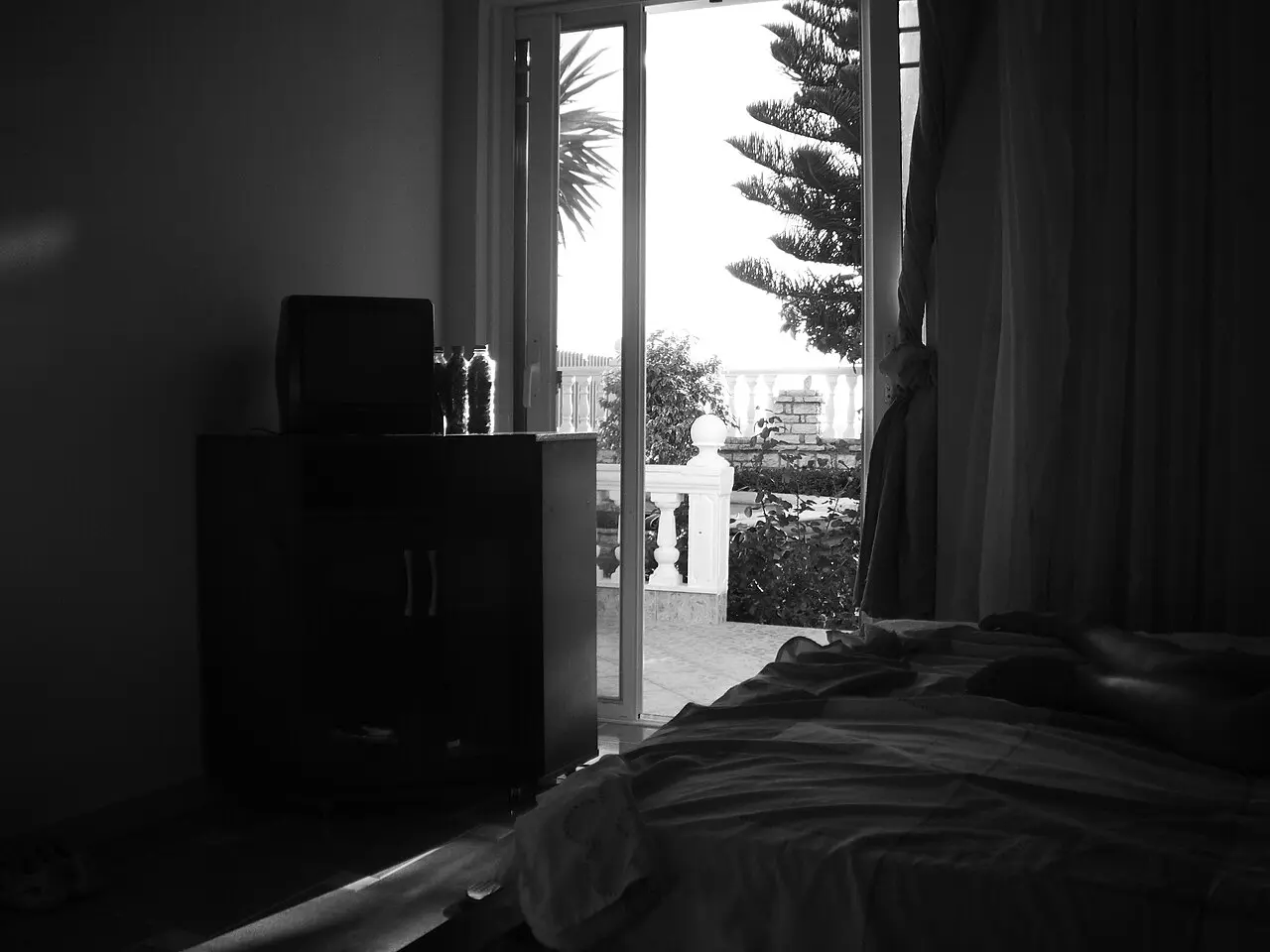
For planning your route, the next practical question is where to sleep in each region. Start from the Tirana guide and Saranda guide for real base examples, and check live hotel prices for your exact dates before you commit.
Food, coffee and groceries
Food is still one of Albania’s strongest value points. A bakery breakfast can be as little as EUR 1-3 if it’s coffee plus byrek or another pastry. A simple local lunch is often EUR 5-8, while a proper traditional meal in a local restaurant is commonly around EUR 8-12 outside the most touristy coast. Mid-range restaurant meals in Tirana and the Riviera can land closer to EUR 12-25 per person, especially if seafood, wine or a prime seafront table is involved.
The pattern matters more than the exact number. Local bakeries, grill houses, family tavernas and markets keep costs low. Imported brunch, rooftop cocktails and restaurants facing the water push the budget up quickly. If you’re weighing Albania against the obvious alternative next door, our Albania vs Greece comparison puts the two beach holidays side by side on price.
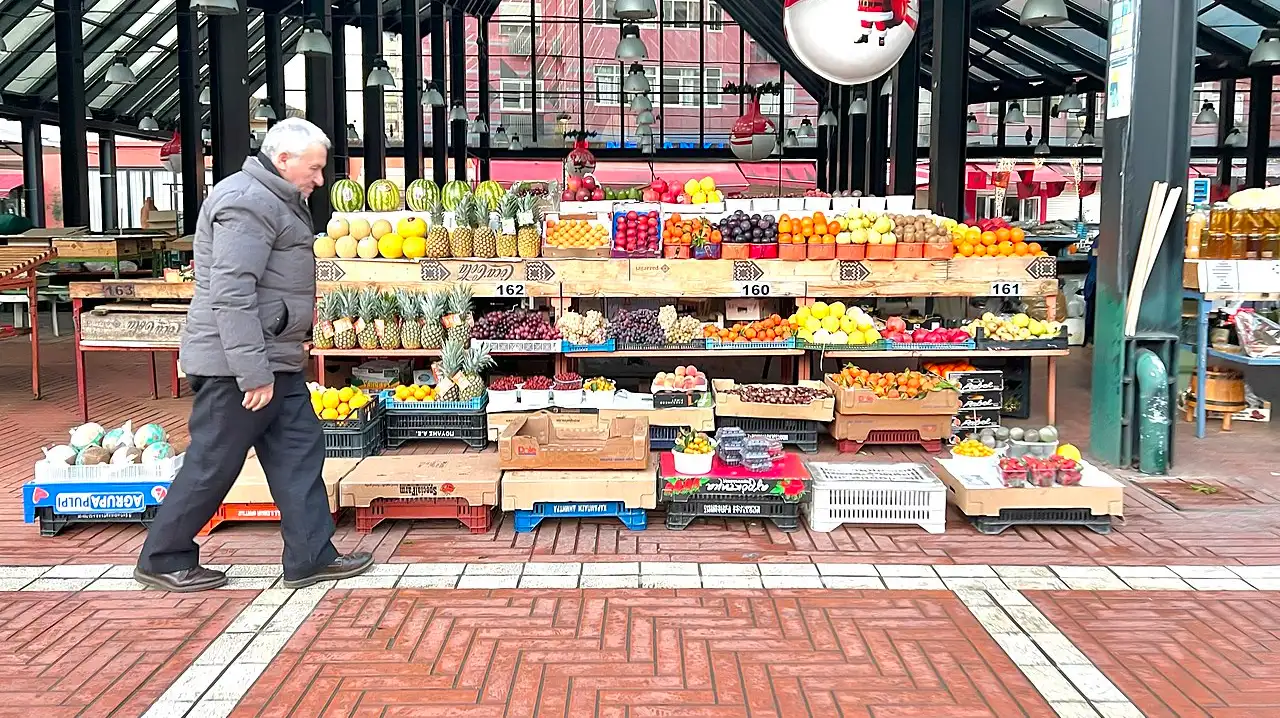
Groceries are useful if you’re in apartments or hiking towns: fruit, bread, cheese, yoghurt and water are easy to buy, and markets still feel inexpensive compared with Western Europe. But on a short trip, don’t over-optimise food. Albania’s best value is often a proper local meal that would cost much more in Italy, Greece or Croatia.
Getting around: buses are cheap, cars change the budget
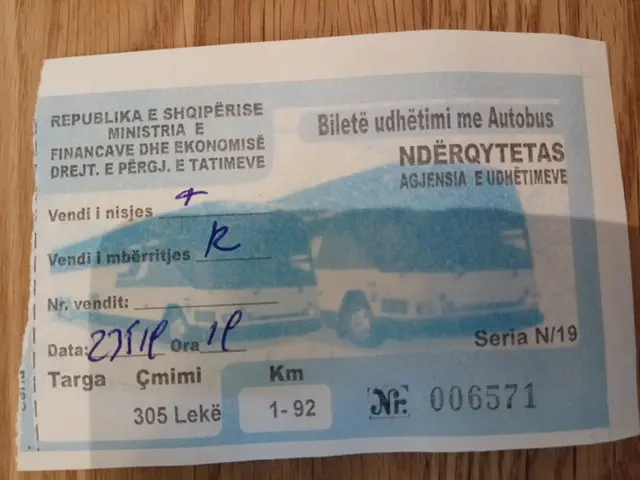
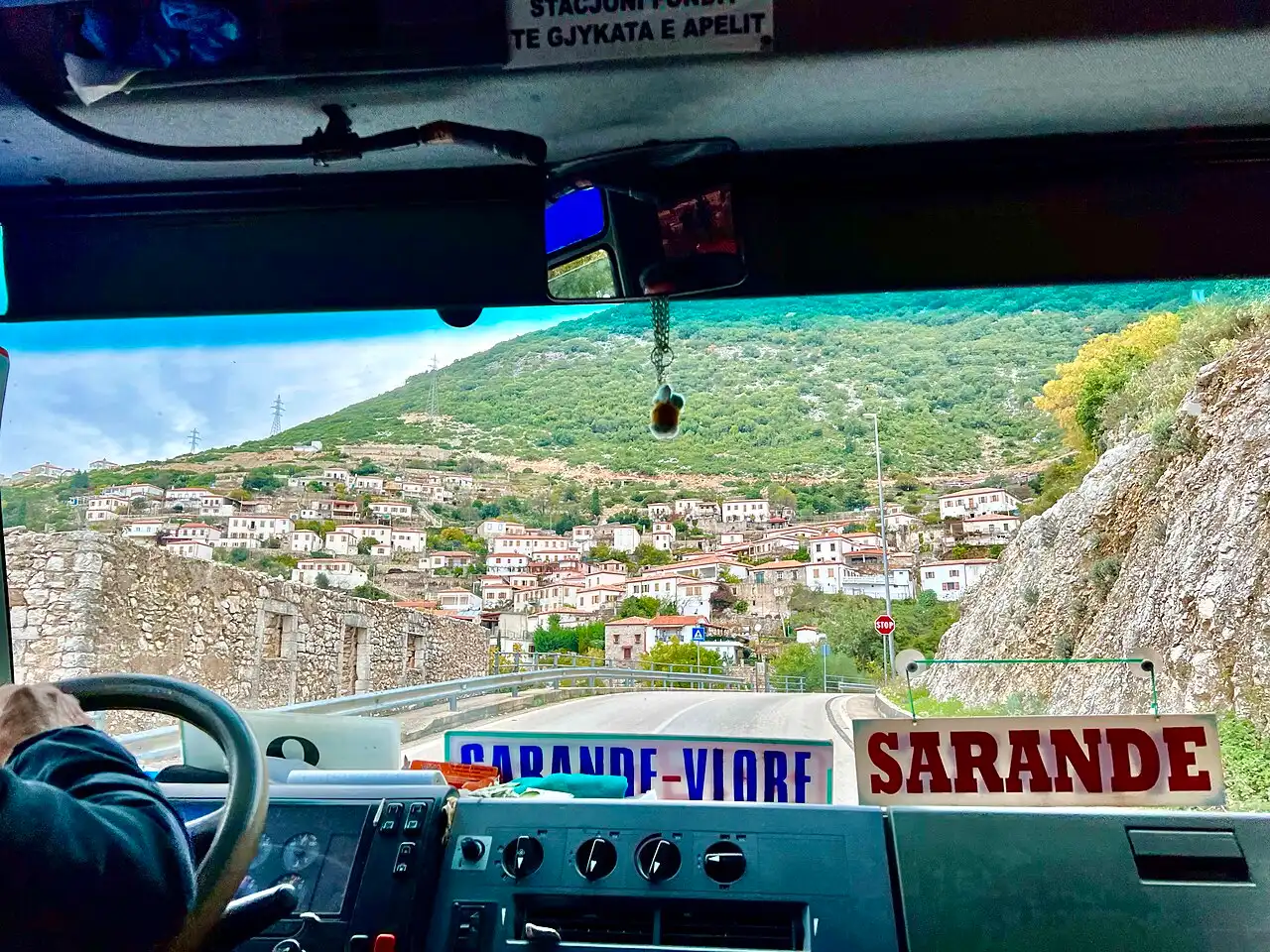
Public transport keeps a trip affordable. City buses and intercity furgons are cheap by European standards, although schedules can be informal outside major routes. The one official, easy benchmark is Tirana Airport: the airport page and Luna Travel list the Tirana-Rinas bus at 400 ALL / EUR 4, running hourly 24 hours a day, re-checked against the airport 2026-08-29. That’s the kind of cost level you can expect for simple public transport: low, cash-friendly and not always bookable far ahead.
A rental car’s the budget swing factor. It saves time and gets you to the Riviera, Theth, the Blue Eye, Llogara and smaller villages, but it adds daily rental, insurance, fuel and parking. Local rental platforms in 2026 show small cars from roughly EUR 7-20 per day in low season and EUR 20-35+ in high season, while broader market guides put compact cars more conservatively around EUR 20-50 per day depending on provider and date. Treat any “from EUR 5” headline as a starting quote, not the final trip cost.
You’ll want to read the insurance terms carefully, because tyres, glass and undercarriage are often excluded. If driving is part of your plan, start with how to rent a car in Albania and the Albania road trip before relying on a bus-only route in remote areas.
Beach, sights and activity costs
Many of Albania’s best moments are free: old-town walks in Berat and Gjirokaster, sunset promenades in Saranda, viewpoints, village lanes and most beach access. The paid costs come from organised beach sets, archaeological sites, cable cars, boat trips and guided tours.
Official sight prices are easier to trust than beach-club rumours, but only where there is an official price to read. Butrint’s own ticket page and the cultural-sites ticketing platform both list the standard adult ticket at 1,000 ALL, with group and child reductions, checked on 2026-06-25, so that one you can budget to the lek. The Dajti Express cable car above Tirana is the opposite case: it publishes hours and ticket rules but no tariff anywhere, and tells you to ask at the lower station. Visitor reports from late 2025 put an adult return around 1,400-1,500 ALL, so carry that much and confirm at the window.
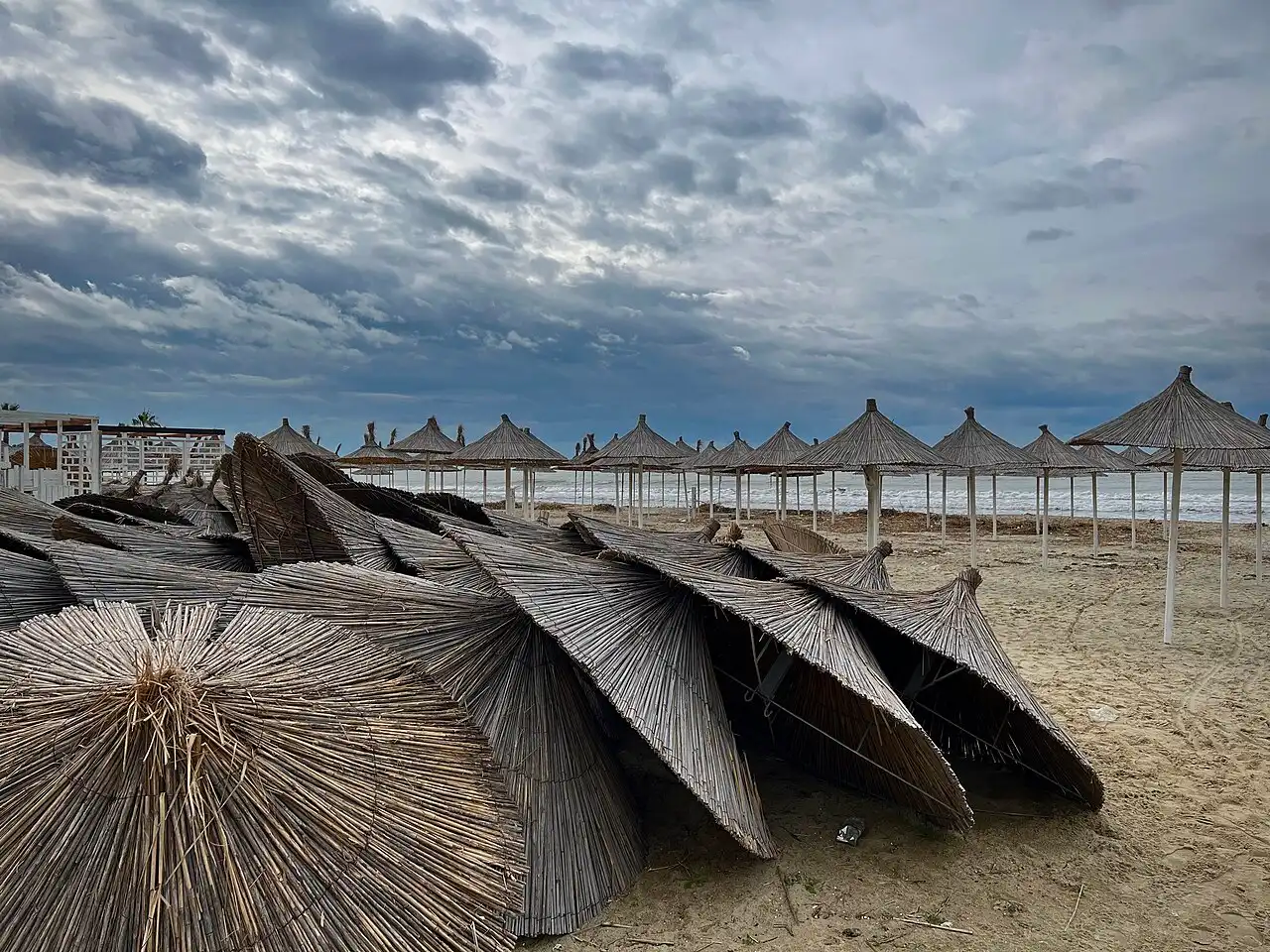
Beach spending is harder to pin down because each operator sets its own rate. In a quiet bay in June, a pair of loungers and an umbrella may feel reasonable; in front-row Ksamil in August, the same setup can become one of the day’s biggest costs. Use this rule: if a beach is viral, tiny and reachable by day-trippers, don’t sit down before you’ve checked the current sunbed price.
Where Albania gets expensive
You’ll hit expense in three predictable situations.
First, the coast in peak summer. Saranda, Ksamil, Dhermi and Himare have a short high season, and accommodation supply near the best beaches is limited. July and August compress demand into a few weeks, so prices jump.
Second, transport mistakes. A cheap bus trip becomes expensive if the route doesn’t run when you need it and you replace it with taxis or private transfers. A cheap rental car becomes expensive if the deposit, insurance exclusions, fuel or one-way fee aren’t clear.
Third, imported habits. Western-style brunch, cocktails, international restaurants, beach clubs and last-minute boutique hotels are still cheaper than in much of Europe, but they’re not “budget Albania.” If you travel like you would in Croatia in August, Albania won’t feel ultra-cheap.
Sample daily budgets
For a backpacker in Tirana, Berat or Shkoder, a realistic day could be EUR 38-48: EUR 12-18 for a dorm, EUR 12-18 for food, EUR 5-10 for transport and small extras, plus a few euros for coffee, water or a low-cost sight.
For a couple travelling mid-range, think EUR 60-85 per person: a EUR 50-80 private room split two ways, two proper meals, coffees, a taxi or intercity transfer, and one paid sight. Add a rental car and the number depends heavily on whether the cost is split over two, three or four people.
For a peak-summer Riviera trip, use EUR 100-150+ per person as the safer planning band if you want a decent room, beach sets, seafood dinners and flexible transport. You can spend less, but only by booking early, moving away from the waterfront, using buses and limiting beach-club days.
How to keep Albania affordable
The best budget move isn’t eating less or skipping everything. It’s choosing the right timing and route. Travel in May, June, September or early October; spend more nights in Berat, Gjirokaster, Shkoder and Tirana; use Saranda or Himare carefully rather than treating Ksamil as your default base; and book coastal rooms early.
Keep cash in Albanian lek for buses, markets and small guesthouses. Compare hotel prices by exact date, not by what another traveller paid last year. For transport, decide early whether you’re doing a bus-led trip or a road trip: mixing the two can work, but last-minute taxis across long distances are what quietly wreck budgets. If you’re still shaping the itinerary, start with the Albania road trip, the best time to visit Albania and the Tirana guide before locking in the expensive parts.
Sources and how to read the prices
Price ranges in this draft were checked on 2026-06-25 against official operator pages where possible: Tirana Airport and Luna Travel for the airport bus, Butrint and Myticket for Butrint tickets, and Dajti Ekspres for cable-car rules and hours. Broader daily budgets, accommodation bands and car-rental ranges were cross-checked against 2026 travel-budget guides and live rental-market pages. Where no official fixed tariff exists, the article deliberately uses ranges and the wording check current rather than pretending that one number is universal.
So, is Albania expensive? Not if you travel with a little planning. It’s still one of the better-value Mediterranean countries, but the cheap version of Albania lives in local food, inland towns, public transport and shoulder seasons. The expensive version lives on the coast in August, in last-minute hotels, and in assuming every old bargain still exists in 2026.
Read also

Before you go · 13 min read
Theth vs Valbona: Where to Base in the Albanian Alps
Updated · September 25, 2026Theth vs Valbona in 2026: which Alps valley to base in without the full crossing - access from Tirana, guesthouse costs and crowds compared.

Before you go · 8 min read
Where to Stay in Gjirokaster: Old Town Stone Hotels
Updated · September 3, 2026Where to stay in Gjirokaster: Old Town stone boutiques and guesthouses versus the flat new town - cobbles, parking and what each lodging type really costs.

Before you go · 10 min read
Berat vs Gjirokaster: Which Ottoman Town to Visit?
Updated · September 25, 2026Berat vs Gjirokaster in 2026: white-window Berat is closer from Tirana; stone Gjirokaster fits the south. Compare sights, travel times and who each suits.

Before you go · 11 min read
Where to Stay in Shkodra: Old Town, Lake or Alps Base
Updated · September 25, 2026Where to stay in Shkodra: the Old Town, quiet Zdrale, lakeside Shiroka, or a hiker hostel that runs its own transfer to Theth and the Koman ferry.