Is Albania Safe to Visit in 2026? An Honest Guide
Yes - Albania is a generally safe country with low violent crime and warm locals. The honest 2026 picture: crime, roads, solo travel and official advice.
Yes - Albania is generally a safe country to visit, and in 2026 it remains one of the calmer corners of the Balkans for tourists. Violent crime against visitors is rare, the people are genuinely warm and helpful, and the biggest risks you are likely to meet are ordinary ones: petty theft in crowds, chaotic traffic, and the usual tourist scams. None of the main Western governments warn against normal tourist travel to Albania. Below is the honest picture, broken down by the things travellers actually worry about - with a clear note on where to verify the latest official advice before you go.
Safety advice is time-sensitive. The US, UK and Canadian positions here were re-checked on 27 July 2026 and the Australian one on 20 July 2026; governments reword and re-rate these pages without notice, so treat this as orientation and confirm the live advisory for your own passport before you travel.
How safe is Albania overall? Crime and the official advice
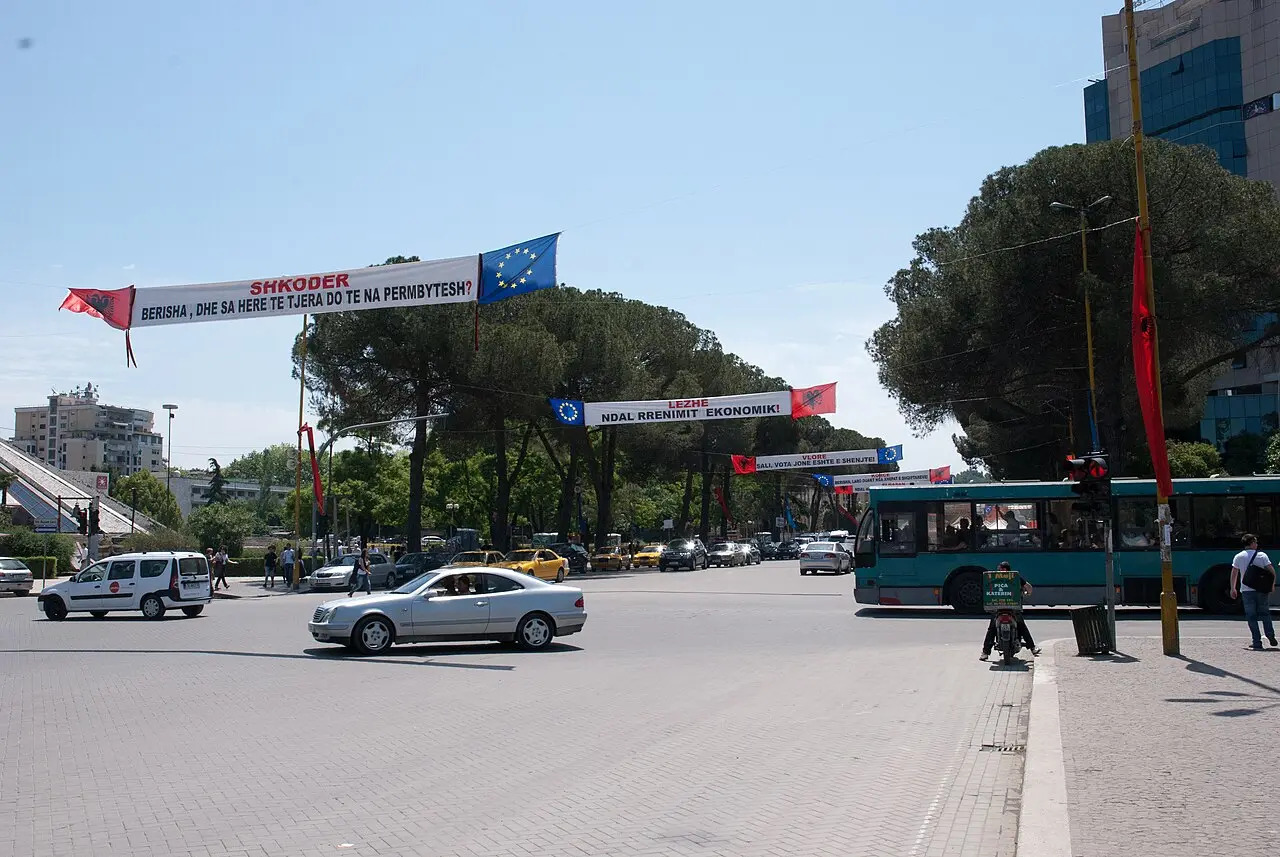
Albania is a low-crime destination by European standards, and the threat to tourists is mostly limited to opportunistic, non-violent crime. As last checked in July 2026, the big Western advisories differ in tone but none tell tourists to stay away. The UK FCDO doesn’t advise against travel, and notes that reports of crime targeting foreigners are rare (advice updated December 2025). The US State Department places Albania at Level 2, “exercise increased caution,” citing crime - the same level it gives France, Italy and much of Western Europe. Australia’s Smartraveller takes a more cautious line, leaning on the country’s dangerous roads and advising a higher degree of caution than the UK does. The gap between them is more about how each government hedges than about any real change on the ground - which is exactly why the link to the live page matters more than any single summary, including this one.
One current item the country pages don’t carry: the US Embassy in Tirana warned on 1 April 2026 that Iran-linked groups might target US-associated entities and ordinary venues such as hotels and restaurants, and the State Department reissued its Worldwide Caution on 20 July 2026 - Albania’s own rating didn’t move, and Canada, which updated its page on 23 June 2026 after that alert, still rates the country at the lowest of its four levels.
The practical risks are the familiar ones:
- Pickpocketing and bag-snatching in busy spots - markets, public transport, crowded squares in Tirana, and tourist hubs on the coast. This is the single most common problem foreigners report.
- Theft from parked cars, especially rentals left with visible luggage at trailheads, viewpoints and beaches.
- Scams aimed at tourists (see the money section below).
Organised crime exists in Albania, as in many countries, but it operates well away from visitors and isn’t something a tourist is likely to encounter. The things that keep most trips trouble-free are the same anywhere: keep valuables out of sight, stay aware in crowds, and don’t leave bags unattended.
One cultural note that surprises first-timers: Albanians have a strong tradition of hospitality (besa), and strangers will often go out of their way to help a lost or confused tourist. It’s one of the things people remember most about the country. You can get a feel for the everyday rhythm in our guide to the best things to do in Tirana.
For a number rather than a description: Numbeo’s crowd-sourced Crime Index put Albania at 44.3/100 (“Moderate”), last updated 14 May 2026, rechecked here 2 August 2026 - below the “high crime” band. It’s self-reported, not police data, so weigh it alongside the advisories above, not instead of them.
Safety by region: a quick snapshot
Risk isn’t spread evenly, and where you are matters more than any single national score.
| Region | What the risk actually looks like |
|---|---|
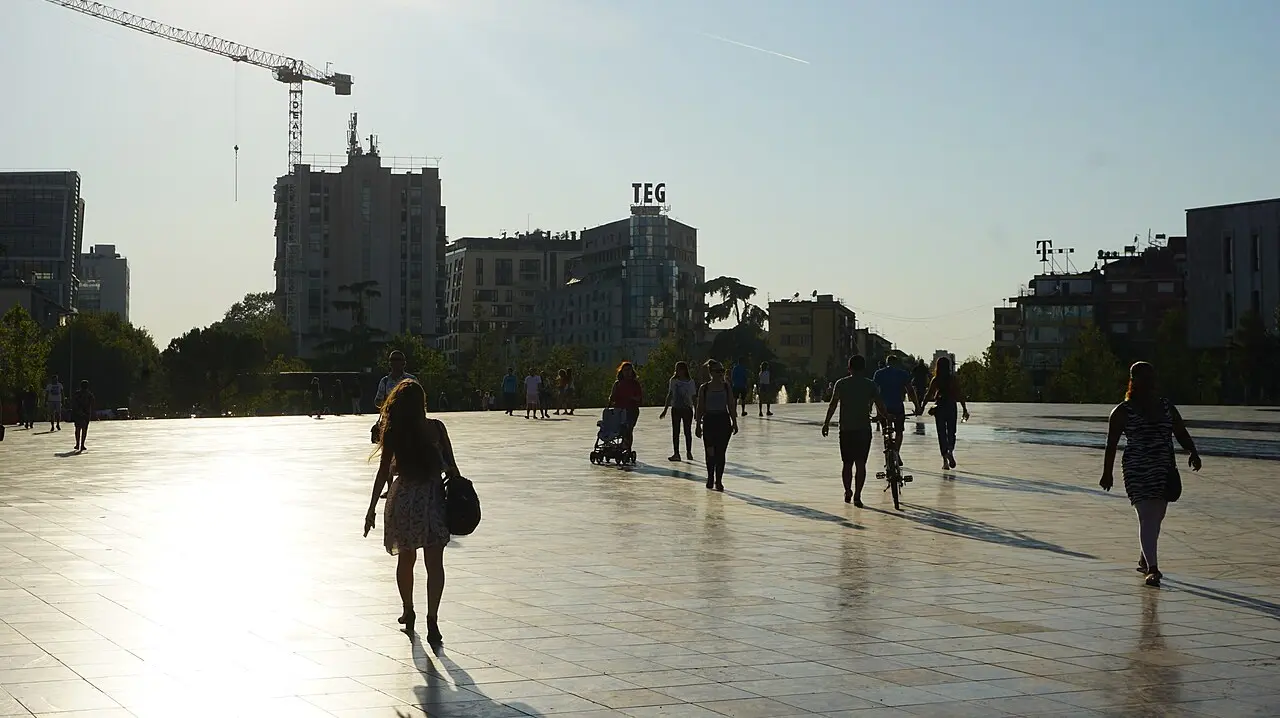
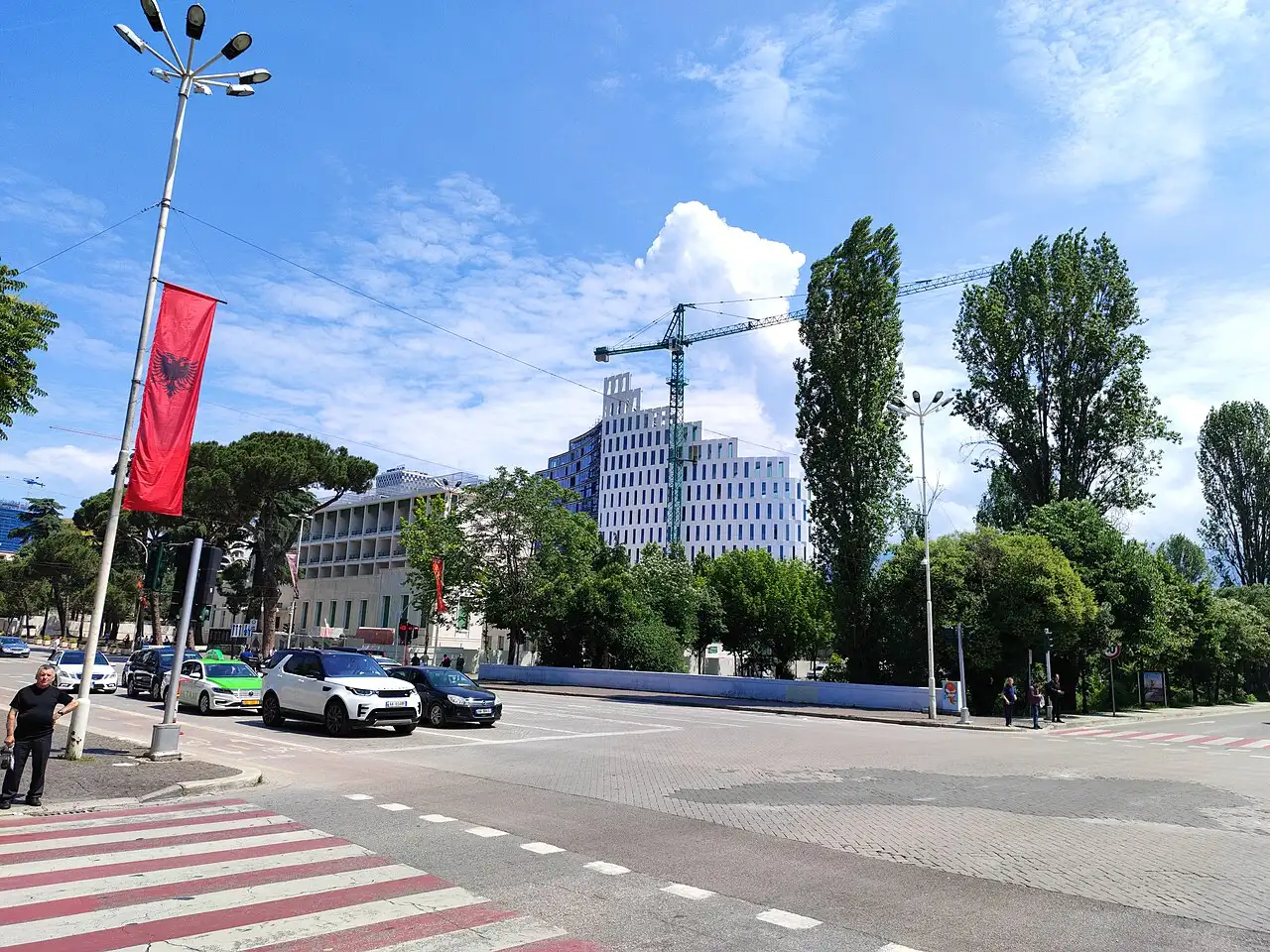
| Tirana and the cities | Lowest-risk part of the country: busy, well-policed streets, mixed crowds day and night. Main issue: pickpocketing in dense spots - Skanderbeg Square, markets, city buses. |
| The coast (Saranda, Ksamil, Vlore, the Riviera) | Safe and heavily touristed in summer; the realistic risk is a phone left on a beach towel. The interior ministry expanded coastal policing for 2026 - patrols, water scooters, drone monitoring - a seasonal measure. |
| The north (Theth, Valbona, the Accursed Mountains) | Remote rather than dangerous. The US State Department’s own wording: “Law enforcement’s ability to protect and assist travelers is limited in some areas, especially in remote regions.” Tell your guesthouse your route and carry an offline map. |
| Rural roads after dark, anywhere | The one place risk genuinely rises - not crime but unlit roads, livestock and unmarked hazards. Covered in full below. |
Is Albania safe for solo female travellers?
For the most part, yes - Albania is considered a reasonably safe place for women travelling alone, and many solo female travellers describe it as friendlier and less hassly than parts of Western Europe. The honest caveat is that most of what women report is verbal, not physical: catcalling, over-attentive “helpers” and the odd stare, more common in small inland towns than in cosmopolitan Tirana or the tourist-used coast. Reports of serious incidents against visitors are uncommon.
One cultural quirk worth knowing: in smaller towns the evening cafés and the xhiro (the sunset stroll) skew heavily male, so a woman sitting alone with a coffee can feel looked-at even when nothing is wrong. It’s a social habit, not a threat, and it evaporates in Tirana, on the beaches and anywhere used to tourists.
The pace is unhurried and locals are used to seeing independent travellers, so a solo woman walking the promenade in Saranda or exploring the old town of Berat is an ordinary sight, not a remarkable one. The detailed version of this - what changes after dark, how the taxi apps actually work, female dorms, hiking alone in the north and the numbers worth saving - is in our guide to solo female travel in Albania. Our 20 things to know before visiting Albania covers the everyday etiquette that smooths a solo trip further.
Driving and road safety
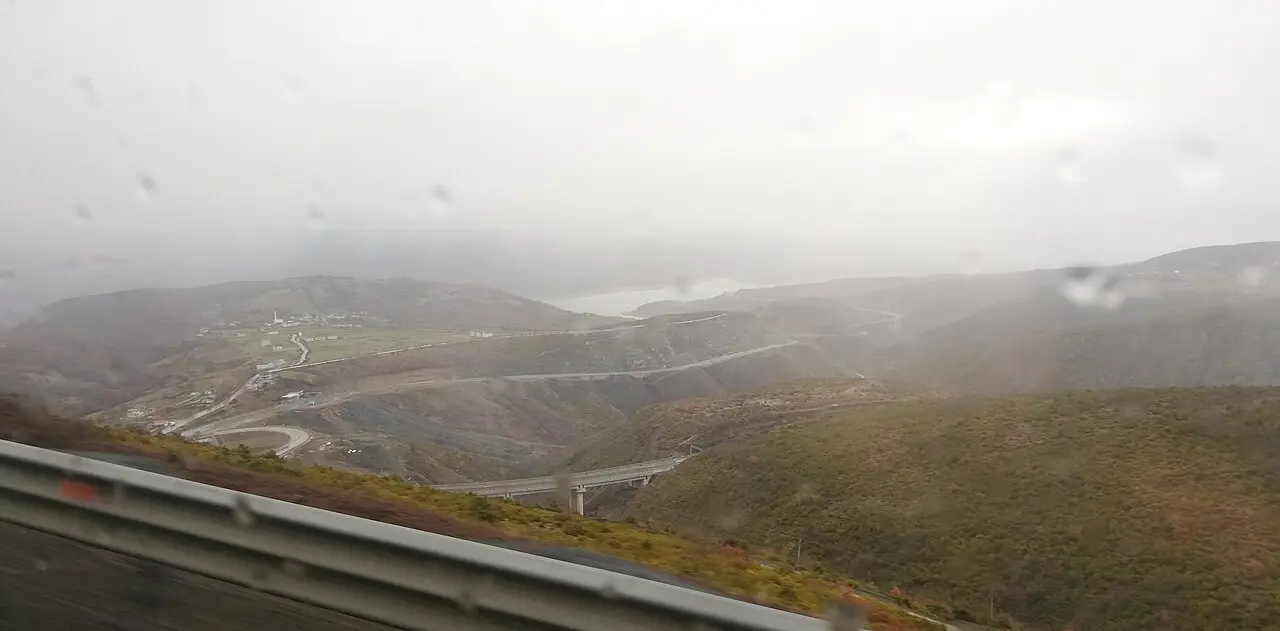
This is where most of the genuine risk lives. Road safety is the area where Albania scores worst, and traffic accidents - not crime - are the most realistic danger to a visitor. Driving standards are assertive, overtaking on blind bends happens, and rural roads can be narrow, unlit, and shared with livestock. The official advisories specifically flag this: the UK FCDO warns that deaths from road accidents in Albania are among the highest in Europe, and Australia’s Smartraveller singles out the mountain roads of the north and southeast as especially dangerous.
If you plan to drive - and a car is the best way to see the country - read our guide to renting a car in Albania and our full guide to driving in Albania first, then keep these in mind:
| Point | What to expect |
|---|---|
| Road quality | Main highways are good; secondary and mountain roads vary widely (potholes, no barriers, no lighting). |
| Driving style | Fast, assertive, unpredictable overtaking. Defensive driving essential. |
| Night driving | Avoid where possible - poor lighting, animals and unmarked hazards. |
| Hazards | Livestock, pedestrians and parked cars on the carriageway, sudden weather in the hills. |
Drive defensively, don’t rush, and treat the mountain passes with respect, particularly in rain or fog. Our Albania road trip itinerary is built around manageable daily distances for exactly this reason. The passes also have their own calendar - see best time to visit for when the high routes clear of snow.
Beaches and swimming: how safe is the sea?
The Albanian coast is beautiful and generally safe to swim, but the sea deserves the same respect as anywhere on the Mediterranean and Ionian. The bigger, more developed beaches around Ksamil and Saranda are calm and shallow in many spots - great for families - while open stretches can pick up currents and waves when the wind turns. Most popular beaches don’t have year-round lifeguard cover, so judge conditions yourself, don’t swim far out alone, and keep an eye on children.
A few practical points for the coast:
- Sun and heat in July and August are intense; midday shade, water and sunscreen matter more than people expect.
- Rocky entries and sea urchins are common on the rockier coves - water shoes save a lot of grief.
- Boat and watersports operators vary in standards; check that equipment looks well kept before you commit.
Petty theft on busy beaches is the most likely problem, so don’t leave phones and wallets on a towel while you swim.
Money, cards and common scams
Albania is largely a cash economy outside the bigger hotels and city restaurants, and the currency is the Albanian lek (ALL). Carrying some cash is normal, but it also makes a few well-worn tourist scams worth knowing:
- Taxi overcharging - agree a price before you get in, or insist on the meter. Airport and tourist-area taxis are the usual culprits.
- Currency tricks - count change, be wary of anyone offering to “change money” on the street, and prefer official exchange offices or bank ATMs.
- ATM and card fraud - use machines attached to banks where possible, cover the keypad, and watch for unusually high “convenience” fees on standalone ATMs. Choosing to be billed in lek rather than your home currency usually gives a better rate.
- Inflated restaurant bills - in heavy tourist zones, check the menu prices and your bill, especially for “specials” quoted without a price.
None of this is unique to Albania, and none of it should put you off - a little attention to cash and cards is all it takes. Our guide to cash or card in Albania covers the payment side in full, from ATM fees to tipping.
Emergencies, phones and health
Albania uses the pan-European emergency number 112, which connects you to police, ambulance and fire/rescue services. It’s the single number worth saving before you arrive; older dedicated lines still exist, but 112 is the one to remember. If you’ve travel insurance with a 24-hour assistance line, save that too - they can point you to a suitable hospital and handle billing directly.
On health: there are no special mandatory vaccinations for ordinary tourist travel, but you should confirm routine vaccinations are up to date and check the latest official health advice for your situation before you go. Tap water is treated in cities but tastes and quality vary by region, so many travellers stick to bottled or filtered water, especially in rural areas and the mountains. Pharmacies (farmaci) are widespread and well stocked for everyday needs.
Travel insurance: the one thing not to skip
Albania has no reciprocal healthcare agreement with the UK, the US, the EU or Australia, which means any medical treatment you need is something you pay for yourself. That is exactly why every major advisory recommends comprehensive travel insurance with solid medical and emergency-evacuation cover - the evacuation part matters most if you’re hiking or driving in remote areas. It isn’t a border requirement for tourists, but in practice it’s close to essential. Our companion guide explains travel insurance for Albania and what a good policy should include; if you plan to hike, dive or ride a scooter, confirm those activities are covered before you buy.
The bottom line: is Albania safe in 2026?
Albania is a safe and welcoming country to visit in 2026. Violent crime against tourists is rare, the people are exceptionally hospitable, and the practical risks are manageable with ordinary care: watch your belongings in crowds, drive defensively, respect the sea, and keep an eye on cash and card transactions. The one genuine hazard worth planning around is the roads - and the one thing not to skip is travel insurance with proper medical and evacuation cover. Before you book, take two minutes to read the current official advice for your nationality (US State Department, UK FCDO or Australia’s Smartraveller), since wording is updated periodically, and check the entry and visa rules that apply to your passport. Then start lining up the rest of your trip with our 20 things to know before visiting Albania and the wider planning hub.
Photos
Read also

Before you go · 13 min read
Theth vs Valbona: Where to Base in the Albanian Alps
Updated · September 25, 2026Theth vs Valbona in 2026: which Alps valley to base in without the full crossing - access from Tirana, guesthouse costs and crowds compared.

Before you go · 8 min read
Where to Stay in Gjirokaster: Old Town Stone Hotels
Updated · September 3, 2026Where to stay in Gjirokaster: Old Town stone boutiques and guesthouses versus the flat new town - cobbles, parking and what each lodging type really costs.

Before you go · 10 min read
Berat vs Gjirokaster: Which Ottoman Town to Visit?
Updated · September 25, 2026Berat vs Gjirokaster in 2026: white-window Berat is closer from Tirana; stone Gjirokaster fits the south. Compare sights, travel times and who each suits.

Before you go · 11 min read
Where to Stay in Shkodra: Old Town, Lake or Alps Base
Updated · September 25, 2026Where to stay in Shkodra: the Old Town, quiet Zdrale, lakeside Shiroka, or a hiker hostel that runs its own transfer to Theth and the Koman ferry.