
Albanian Riviera Road Trip: Vlora to Saranda
Drive the Albanian Riviera from Vlora over the Llogara Pass to Dhermi, Himara and Saranda - distances, driving times, tunnel or pass and where to stop.
The Albanian Riviera is the best day and a half of driving in the country: a coast road that climbs the Llogara Pass, drops to the Ionian, and threads a string of pebble coves from Vlora down to Saranda. It’s only about 140 km end to end, but the road is slow and the beaches keep stopping you, so give it 2-3 days rather than trying to blast through in an afternoon. This plan runs south from Vlora, over the pass to Dhermi and Drymades, an overnight in Himara, a beach break at Borsh, and a final base in Saranda for the far-south sights. This is a coast-only run; if you’re planning the whole country, how many days you need in Albania helps you budget the days.
You want your own car for this. The best coves have nowhere to park a tour bus, the villages are strung out along one road, and rural bus timetables are thin. Distances below are road estimates, not straight lines - the coast and the pass are slower than the kilometres suggest, so pad every leg.
Why this drive needs a car
Public transport does exist on the Riviera - buses and furgons run the coast road in summer - but they tie you to a handful of towns and a handful of daily departures. The whole point of this stretch is the freedom to pull over: a viewpoint on the Llogara switchbacks, a cove with no name and no bus stop, a taverna in an Old Town up the hill. With a car you drive the pass in good light and stop where the water looks best.
If you’re flying into Tirana first, the classic move is to pick the car up there and drive down, or start it in Vlora. The full run from the capital, with the Karavasta lagoon, Apollonia and Zvernec on the way to Vlora, is our Tirana to Saranda road trip. Before you book, read our guide to renting a car in Albania for costs, insurance and the local driving quirks - the excess and the winter-tyre rules matter more than the daily rate. For an inland alternative through Permet, the Vjosa and the Benje thermal baths, see our southern Albania road trip.
Start: Vlora and the road south
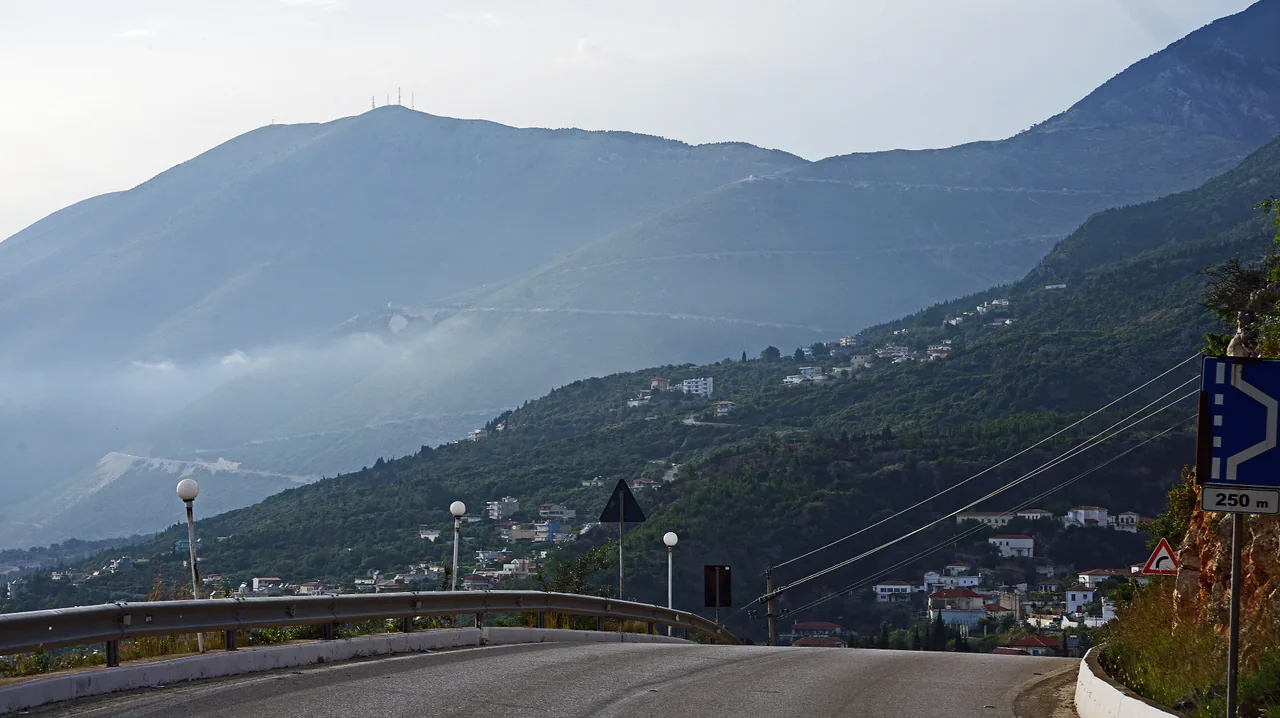
Vlora is where the two seas meet - the Adriatic to the north, the Ionian beginning just south of town - and it’s the natural gateway to the Riviera. It’s a working city rather than a resort, so most people use it as a start point: fill the tank, buy cash from an ATM, grab a coffee on the seafront, and point the car south. From here the coast road begins its climb toward the pass.
Give it a couple of hours unless you want a first night on the Adriatic side. Our Vlora travel guide covers the beaches, the castle at the tip of the bay and where to eat if you do stay.
The Llogara Pass (or the tunnel)
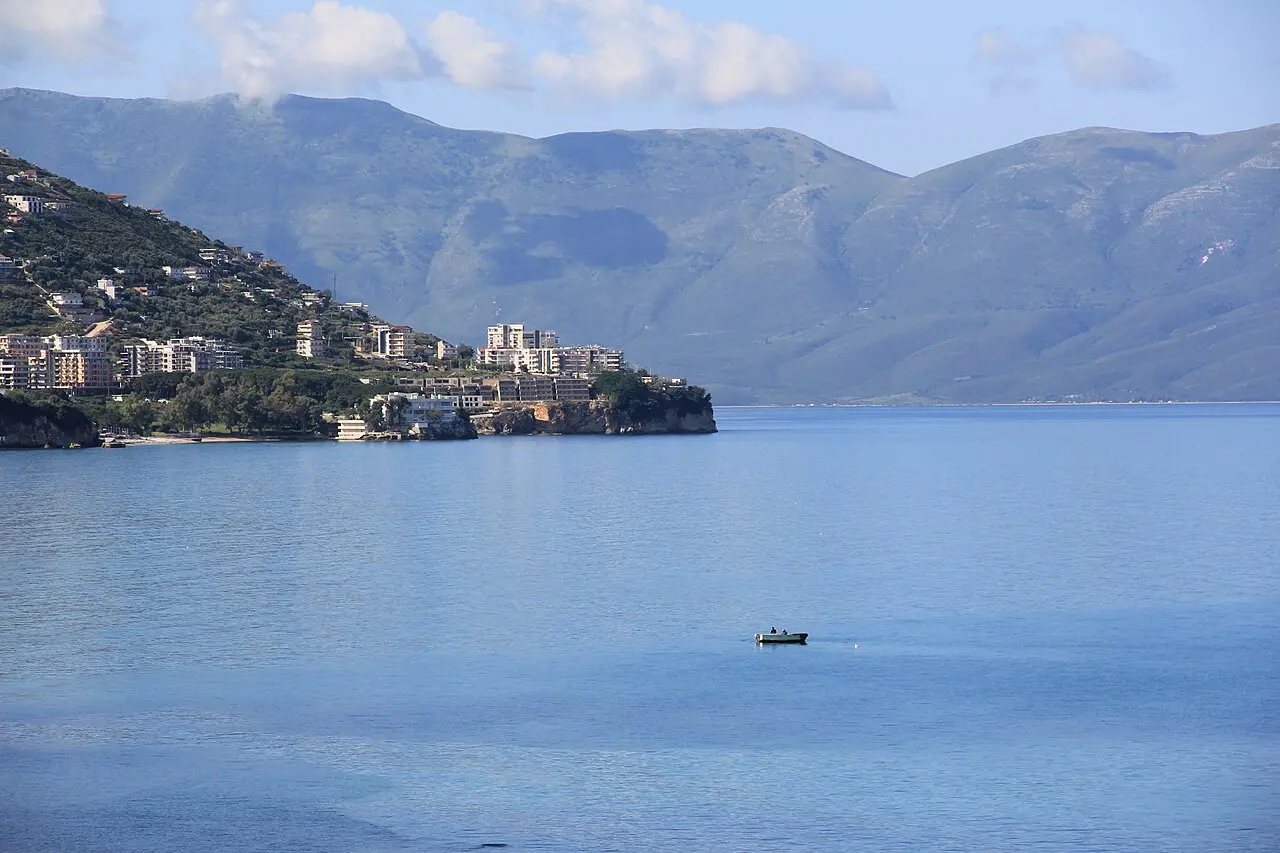
This is the part everyone remembers. From Vlora the road winds up to the Llogara Pass at around 1,027 m, switchbacking through pine forest before the whole Riviera opens up below you - the mountains dropping straight into the sea. There’s a viewing platform near the top; use it, and drive the descent slowly. Our full guide to the Llogara Pass covers the park, the history and the paragliding off the top.
Here’s the decision that has changed since 2024. The Llogara Tunnel - a 5.9 km tunnel under the pass on the SH8, the longest in Albania - opened in July 2024 and cuts the climb from roughly 30 minutes over the top to about 7 minutes underneath. It has been free since it opened, and it still is. A tariff was approved in April 2026 (about 250 ALL each way, 500 ALL round trip for a car), but Albanian reporters at the plaza on 18 July 2026 found vehicles passing without paying: the cameras read plates, nobody collects, and no start date has been announced. Budget the 250 ALL in case it goes live, and expect not to spend it. The old pass road stays open and free right beside it.
My honest take: take the pass at least one way for the view, and keep the tunnel in reserve. In peak summer the Llogara switchbacks get busy and slow, so if you’re crossing late in the day, tired, or the queue at the top is bad, the tunnel is the sensible call. Don’t drive the pass in the dark just to reach the coast faster - you lose the whole point of it and gain a slow mountain road at night.
Dhermi and Drymades
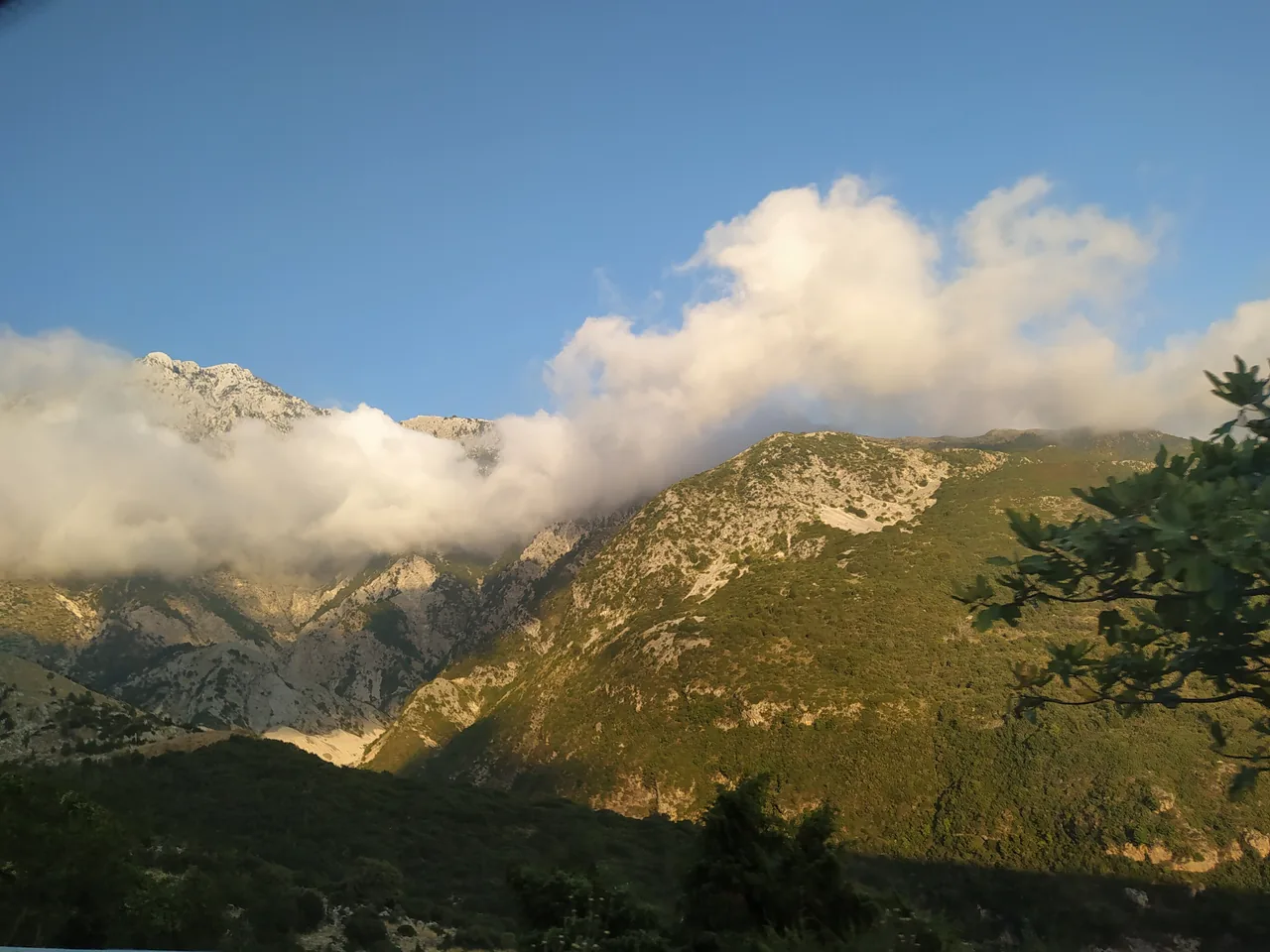
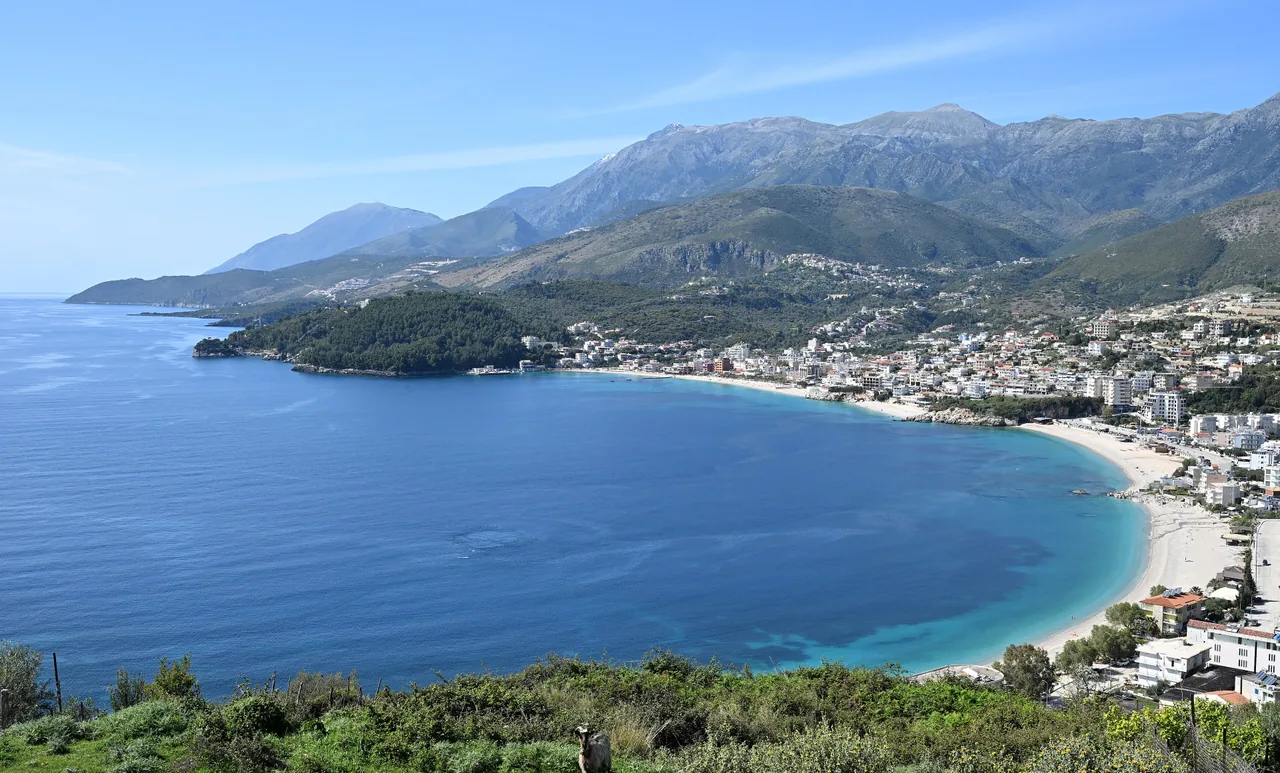
Over the pass, the first big beaches are Dhermi and, just south of the village, Drymades. Dhermi is the Riviera’s boutique-hotel-and-nightlife hub; Drymades is the swim-and-atmosphere strip, with beach clubs clustered at the north end and clearer water than the busiest town beaches further south. It’s roughly 50 km / 1.5 hours from Vlora including the pass, so an easy first stop.
If you’ve got the legs for it, the wild card near here’s Gjipe, tucked at the mouth of a canyon whose walls rise about 70 m. There’s no road down: it’s a 20-30 minute walk from the Gjipe car park (parking from about 300 ALL) or a boat from Himara. No electricity, no shops beyond a drinks wagon - come prepared, and it rewards you with one of the emptiest beaches on the coast.
Himara: the best base
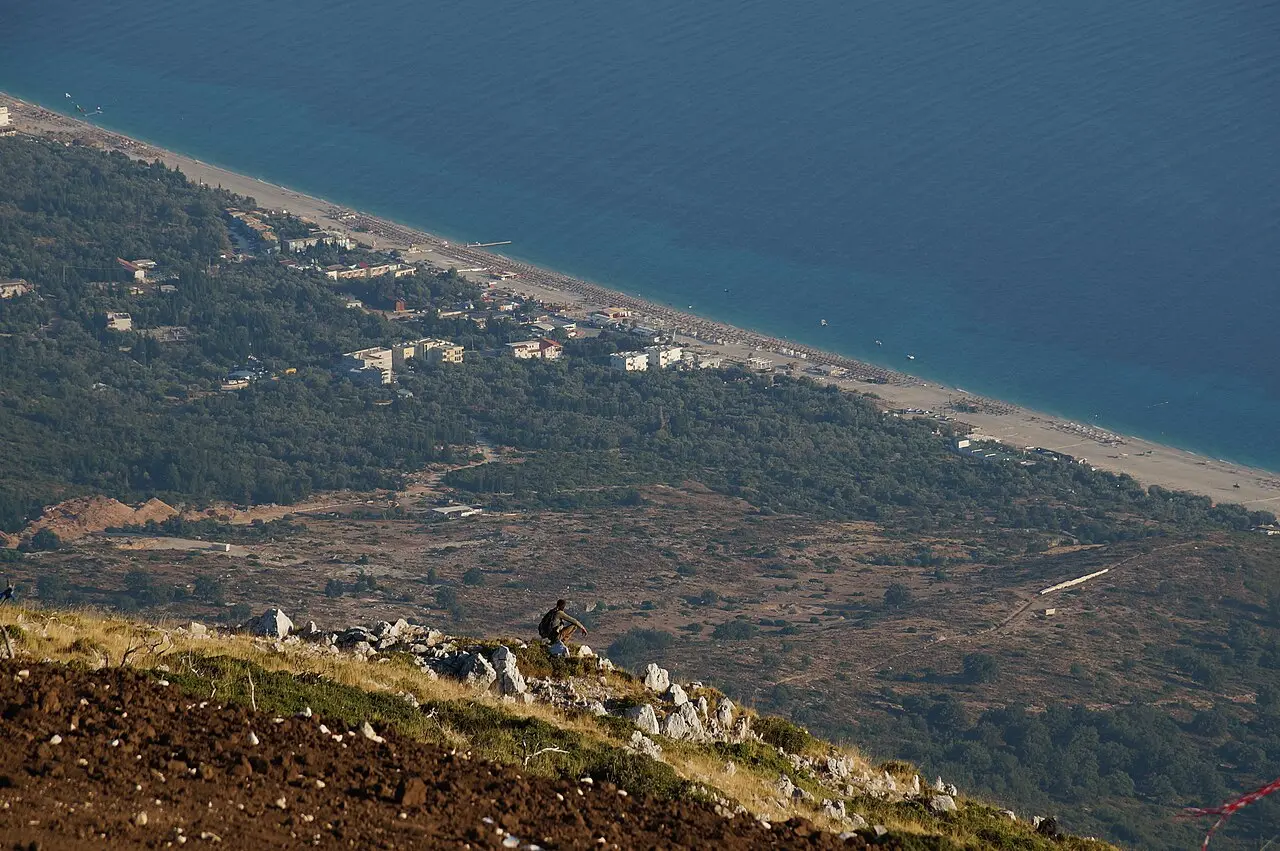
Himara is about 16 km / 30 minutes on from Dhermi, and it’s the town I would base in for a Riviera night. It’s the biggest place between Vlora and Saranda and the most balanced: town beaches you can walk to, a working harbour, actual restaurants rather than just beach bars, an Old Town on the hill, and a scatter of satellite beaches - Livadi, Potami, Filikuri - within about 15 minutes by car. Livadi is the shallow, pine-backed one to send families to.
Stay here rather than pushing straight to Saranda. It breaks the drive at a natural halfway point, and it’s a nicer evening than the coves that empty out after dark. If you’re deciding which town to give the most nights to, our Himara vs Saranda vs Ksamil comparison weighs the three head to head on beaches, price and crowds. For where to sleep across the whole coast, our guide to where to stay on the Albanian Riviera compares the towns.
Borsh: the leg-stretch beach
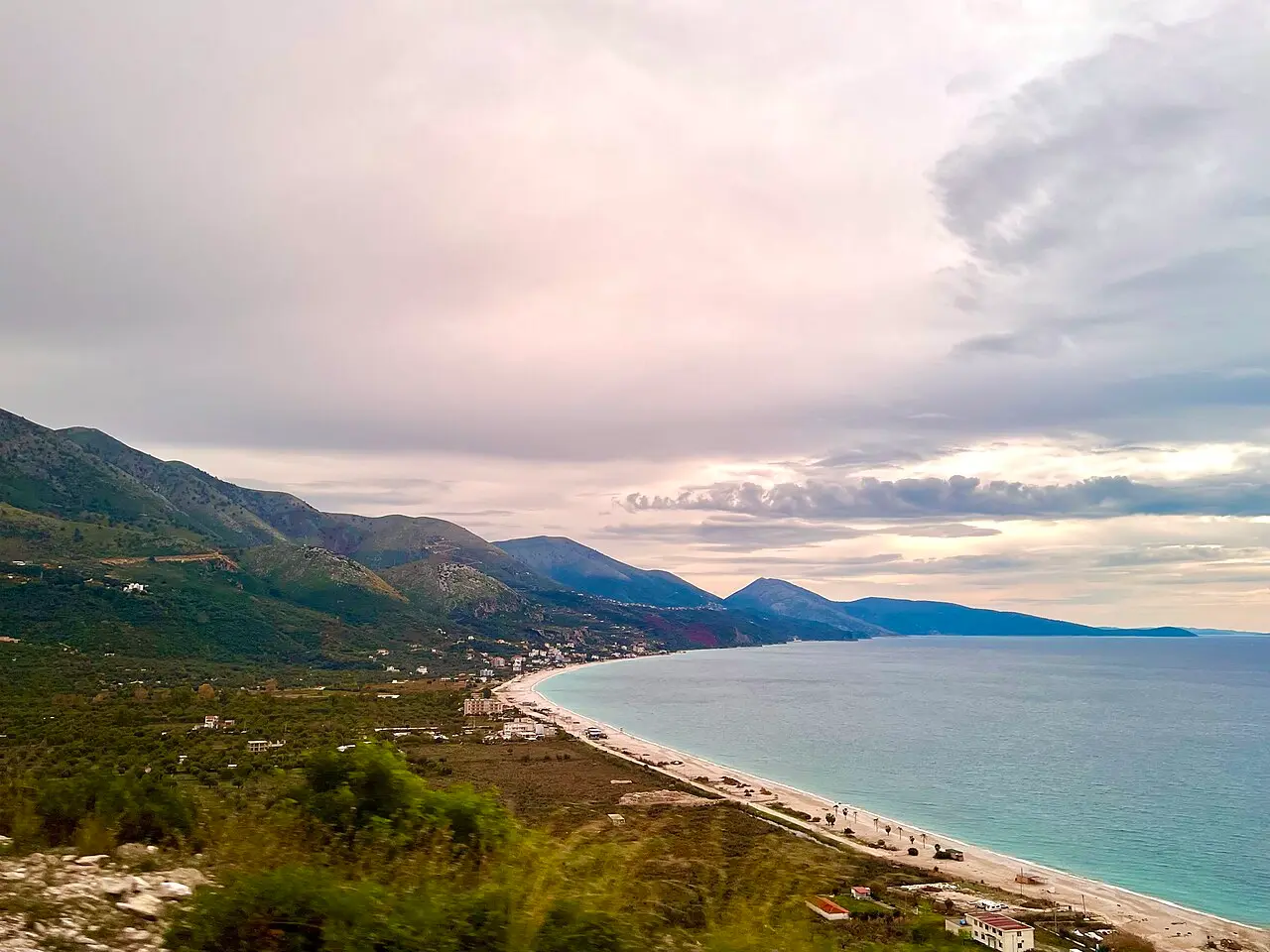
Between Himara and Saranda the road runs past Borsh, the longest beach in Albania at roughly 7 km of sand and gravel. It’s far less developed than the headline beaches - a good place to stop, swim where you like without fighting for a sunbed, and eat at a beach taverna before the last push south. From Himara it’s about 25 km, and the stretch beyond Borsh through Qeparo and the smaller villages is one of the prettier parts of the whole coast.
Saranda and the far south
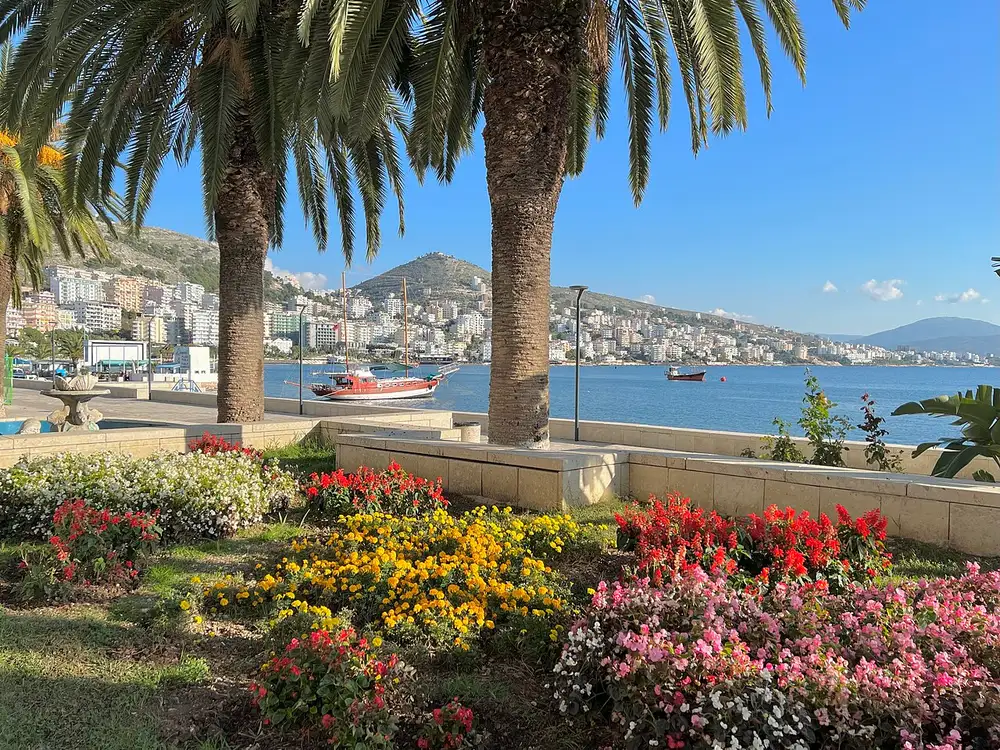
Saranda is the end of the Riviera and the base for the far south. It’s the biggest town on the southern coast - a long seafront promenade, ferries across to Corfu, and a spread of hotels - and from here everything worth seeing in the deep south is a short drive. Plan to sleep here at least one night, two if you want to do the sights properly.
The trio to fit in: Butrint, the ancient city on a peninsula just south (see our Butrint National Park guide); the Blue Eye spring, about 22 km / 30-40 minutes inland toward Gjirokastër, where entry is a token 50 ALL and car parking is about 200 ALL, both cash; and the sunset from Lekursi Castle on the hill above town, which is worth timing dinner around. Come early to the Blue Eye car park in July and August - it fills up, sometimes completely. The full breakdown of beaches, day trips and logistics is in our Saranda travel guide.
Distances at a glance
| Leg | Roughly | Drive time |
|---|---|---|
| Vlora → Dhermi (via Llogara) | ~50 km | 1.5 h |
| Dhermi → Himara | ~16 km | 30 min |
| Himara → Borsh | ~25 km | 40 min |
| Borsh → Saranda | ~40 km | 1 h |
| Vlora → Saranda total | ~140 km | 3 h driving |
Three hours is moving time with no stops; with the pass, the beaches and lunch, that’s comfortably a two- to three-day trip, not a day.
Practical tips for the drive
- When to go. The Riviera season runs roughly May to October. July and August are hottest, busiest and most expensive; late May-June and September-October give you warm sea, open roads and far fewer crowds - you’ll thank yourself for the shoulder. See our guide to the best time to visit Albania.
- The pass vs the tunnel. Drive the Llogara Pass in daylight for the view; keep the tunnel (free as of 18 July 2026, with a 250 ALL tariff approved but not yet collected) for a tired evening or a bad queue.
- Cash. The currency is the Albanian lek (ALL). Carry cash for beach parking, the Blue Eye and small guesthouses; cards work in larger hotels and restaurants but not at a beach wagon.
- Roads. The coast road is paved but narrow and winding, with tight bends and the odd stretch of roadworks. Watch for scooters, pedestrians and the occasional goat, and don’t rush the switchbacks.
- Book beds ahead in peak. Himara and Saranda fill up in July and August; you’ll want to reserve before you drive rather than hoping to find a room on the coast.
Read also
- The wider picture: our guide to the Albanian Riviera - beaches, towns and how the coast fits together.
- More itineraries: browse all our Albania road trips and routes.
- Getting the car sorted: how to rent a car in Albania.
- Where to sleep: where to stay on the Albanian Riviera.
- The southern hub: our Saranda travel guide.
Route day by day
- Days on the road
- 3
- Distance
- ≈140 km
- Budget from
- 55 EUR
- Best season
- May, June, September, October
The route at a glance
-
Vlora
Route startstop ≈240 min
The gateway where the coast road south begins and the Adriatic gives way to the Ionian. Pick up the car and stock up before the Riviera villages.
Photo: Anila Amataj / Wikimedia Commons, CC BY-SA 4.0 ( source) -
Dhermi & Drymades
50 km from the startstop ≈720 min
Over the Llogara Pass to the first big Riviera beaches - Dhermi is the boutique-and-nightlife hub, Drymades the swim-and-atmosphere strip just south of the village.
Photo: Albinfo / Wikimedia Commons, CC BY-SA 4.0 ( source) -
Himara
75 km from the startstop ≈1440 min
The biggest town between Vlora and Saranda and the most balanced base - town beaches, a working harbour, real restaurants and 5-10 satellite coves within 15 minutes.
Photo: Ekki3 / Wikimedia Commons, CC BY-SA 4.0 ( source) -
Borsh
100 km from the startstop ≈180 min
The longest beach in Albania - roughly 7 km of sand and gravel, far quieter than Ksamil, an easy leg-stretch on the run down to Saranda.
Photo: Sharon Hahn Darlin / Wikimedia Commons, CC BY 2.0 ( source) -
Saranda
140 km from the startstop ≈1440 min
The southern coast hub - seafront promenade, Corfu ferries, and the base for Butrint, the Blue Eye and the Lekursi Castle sunset.
Photo: Sharon Hahn Darlin / Wikimedia Commons, CC BY 2.0 ( source)
Route map
The map with stops loads on click - to keep the page lightweight.
The map didn’t load. Check your connection and refresh the page.