Vlora Travel Guide: Independence, Riviera & Sazan
Vlora guide: where Albania declared independence in 1912, the Lungomare, Zvërnec island monastery, the Sazan marine park and the road to the Riviera.
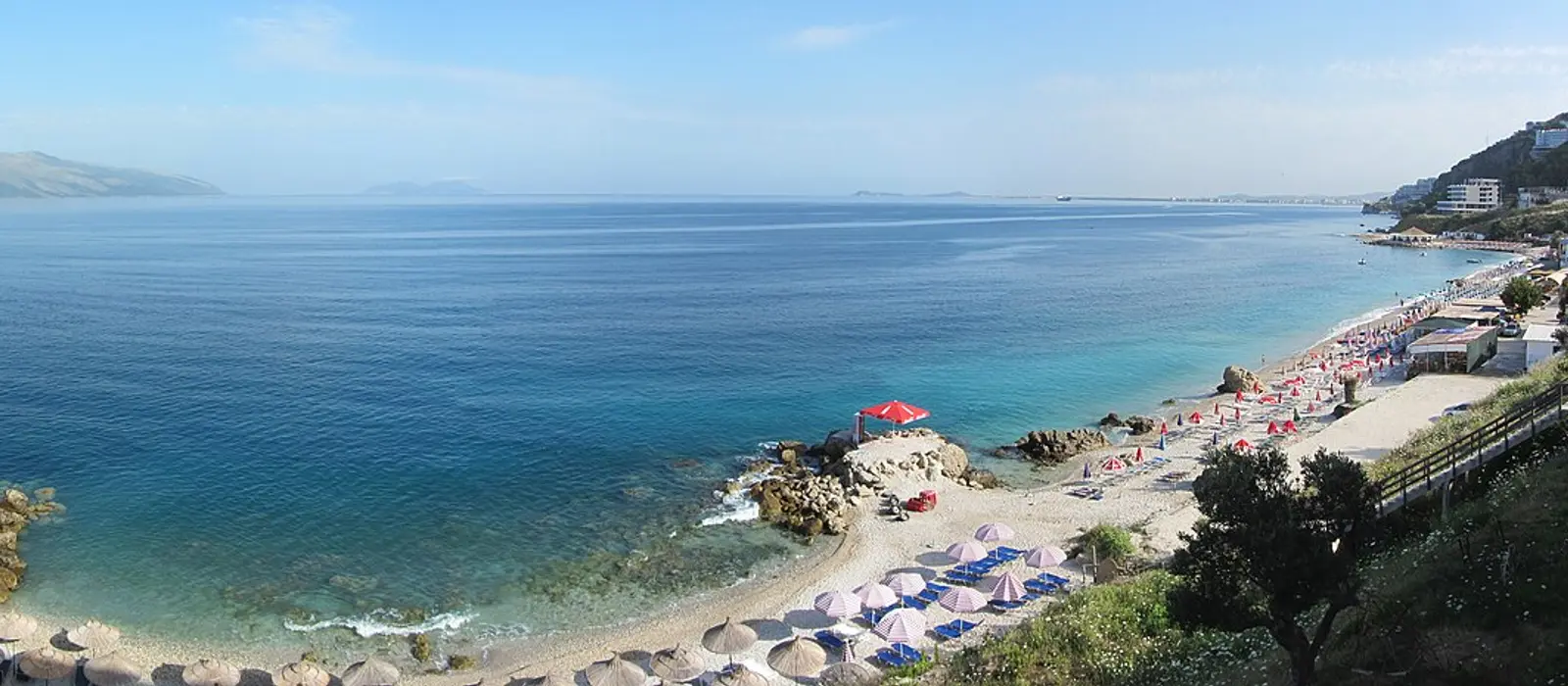
Vlora is the city where Albania was born - the place where independence was declared in 1912 - and today it’s the gateway to the country’s most beautiful coastline. It sits at the exact point where the Adriatic gives way to the Ionian, so it wears two hats: a proud, history-heavy town with a monument-lined square and a seafront promenade, and the launch pad for the Albanian Riviera, the marine national park at Sazan, and the island monastery in the lagoon. Most travellers use it as a one-night base before the coast; give it a full day and it repays the stop.
The pull of Vlora is a pairing you get nowhere else in the country: the city where independence was declared in 1912, wrapped around the gateway to Albania’s most spectacular coast. Most people give it a night on the way south - enough for the history and a boat trip before the Riviera takes over.
Is Vlora worth visiting?
Yes - with the right expectations. Vlora is Albania’s third city, a busy port and university town, and its own beaches are urban and ordinary. What makes it worth a stop is the combination you don’t get elsewhere: genuine national history (this is the country’s founding city and first capital), a lively palm-lined waterfront made for the evening stroll, and unmatched access to three very different day trips - the wild Sazan-Karaburun marine park by boat, the serene island monastery of Zvërnec, and the Riviera coast that starts just over the mountain.
Think of Vlora as a hinge: the last real city before the coast turns spectacular. Spend a day on its history and its boat trips, then point south over the Llogara Pass to the beaches. If you only want turquoise water, you’ll pass straight through - but you’ll be missing the one Albanian city that explains how the nation began.
The birthplace of Albania
Vlora’s identity is bound up with a single date. On 28 November 1912, in this city, Ismail Qemali raised the flag and proclaimed the Albanian Declaration of Independence, ending centuries of Ottoman rule - and Vlora briefly became the young country’s first capital. That history is written across the centre.
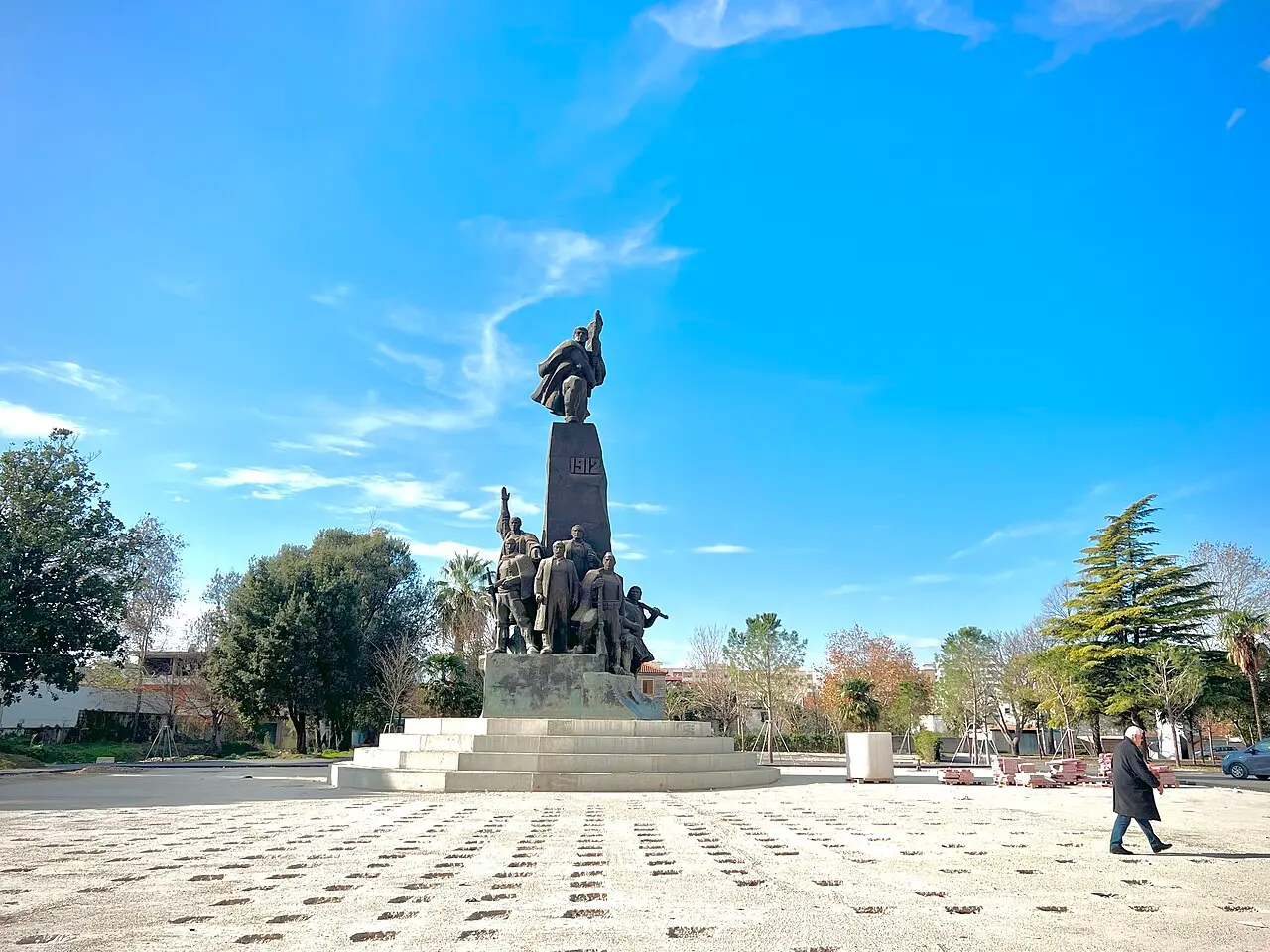
The focal point is Flag Square (Sheshi i Flamurit), a broad plaza dominated by the Independence Monument, a dramatic bronze group of the founding fathers gathered around the flag. It’s the symbolic heart of the city and the place every Albanian schoolchild knows from the history books.
A short walk away, the Museum of Independence occupies the actual 19th-century building that served as the seat of the first provisional government - the rooms where the founders met and signed, including Ismail Qemali’s preserved office. It’s a modest, moving little museum, and it’s the one indoor stop that gives the square its meaning. Opening hours and the entry fee aren’t reliably posted online, so check locally when you arrive.
What else to see in town
The Lungomare
The city’s social spine is the Lungomare, the long, wide seafront promenade that runs along the bay behind a row of palms. Rebuilt in recent years, it’s where Vlora comes out to walk, cycle and drink coffee in the cool of the evening - the local version of the xhiro. It’s the nicest part of the city to be at sunset, with the bay turning gold and the Karaburun ridge dark across the water.
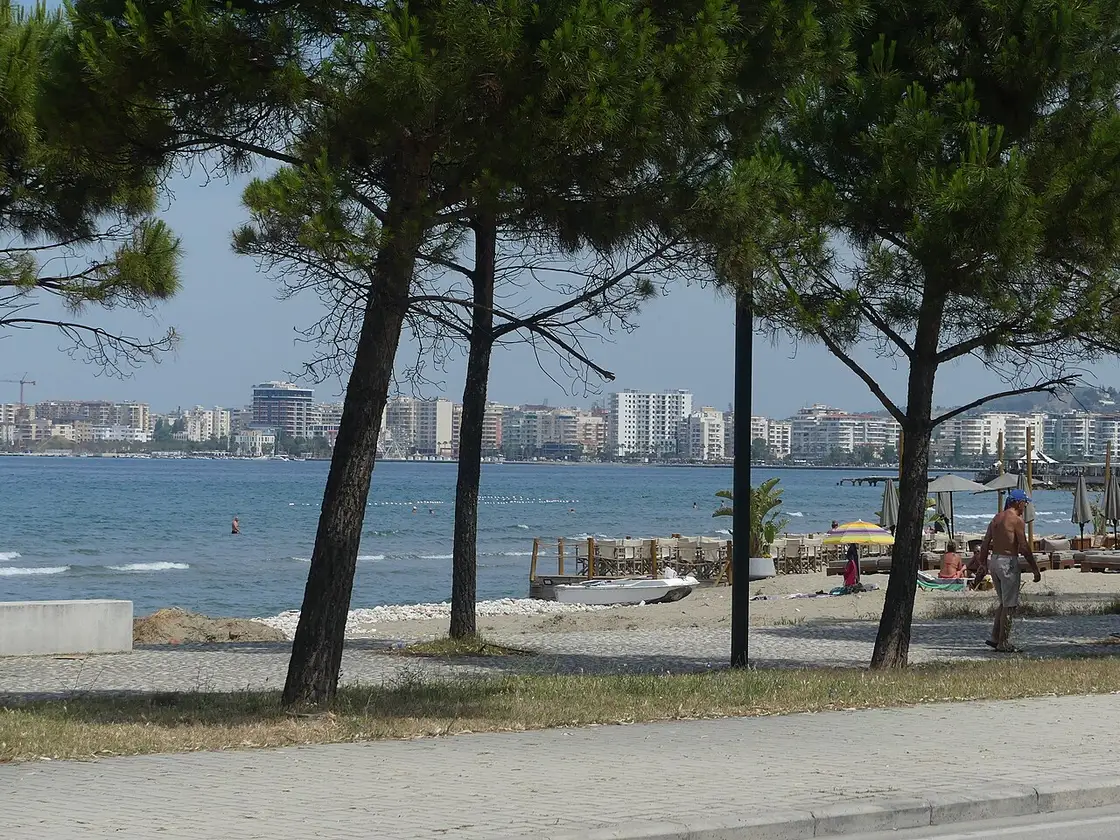
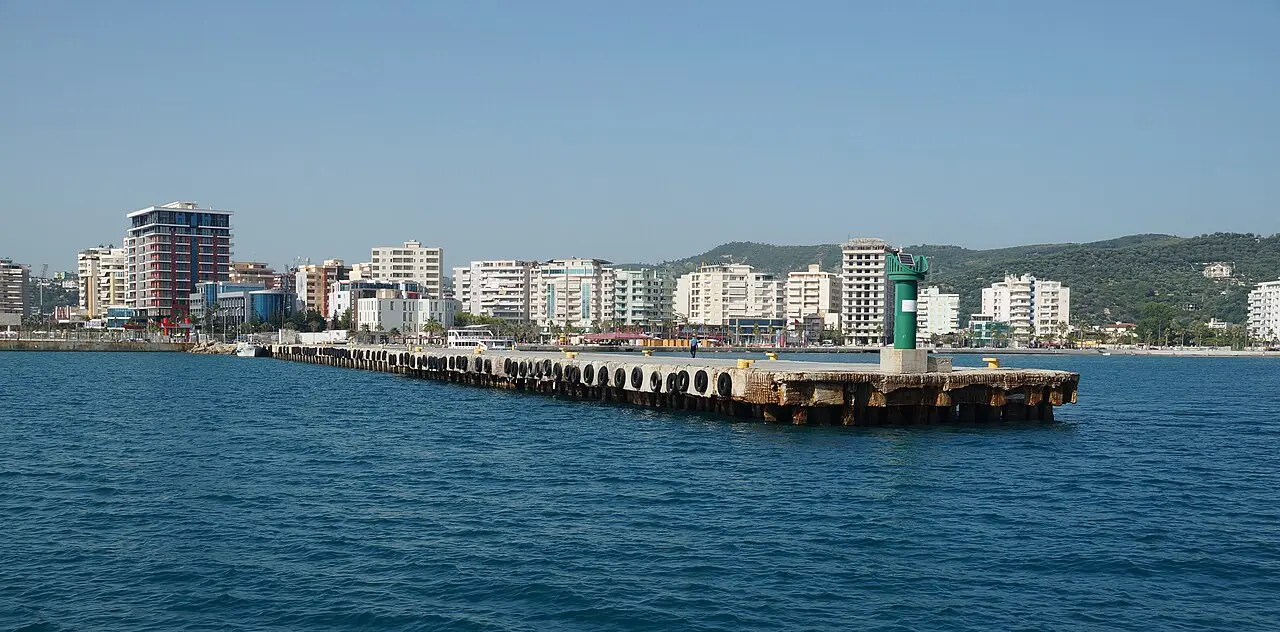
At the far end the promenade runs down to the working harbour and passenger quay (the skela), while the Sazan and Karaburun day boats load from decks along the Lungomare itself - so a stroll along the front doubles as a look at where the next day’s trip begins.
Kanina Castle
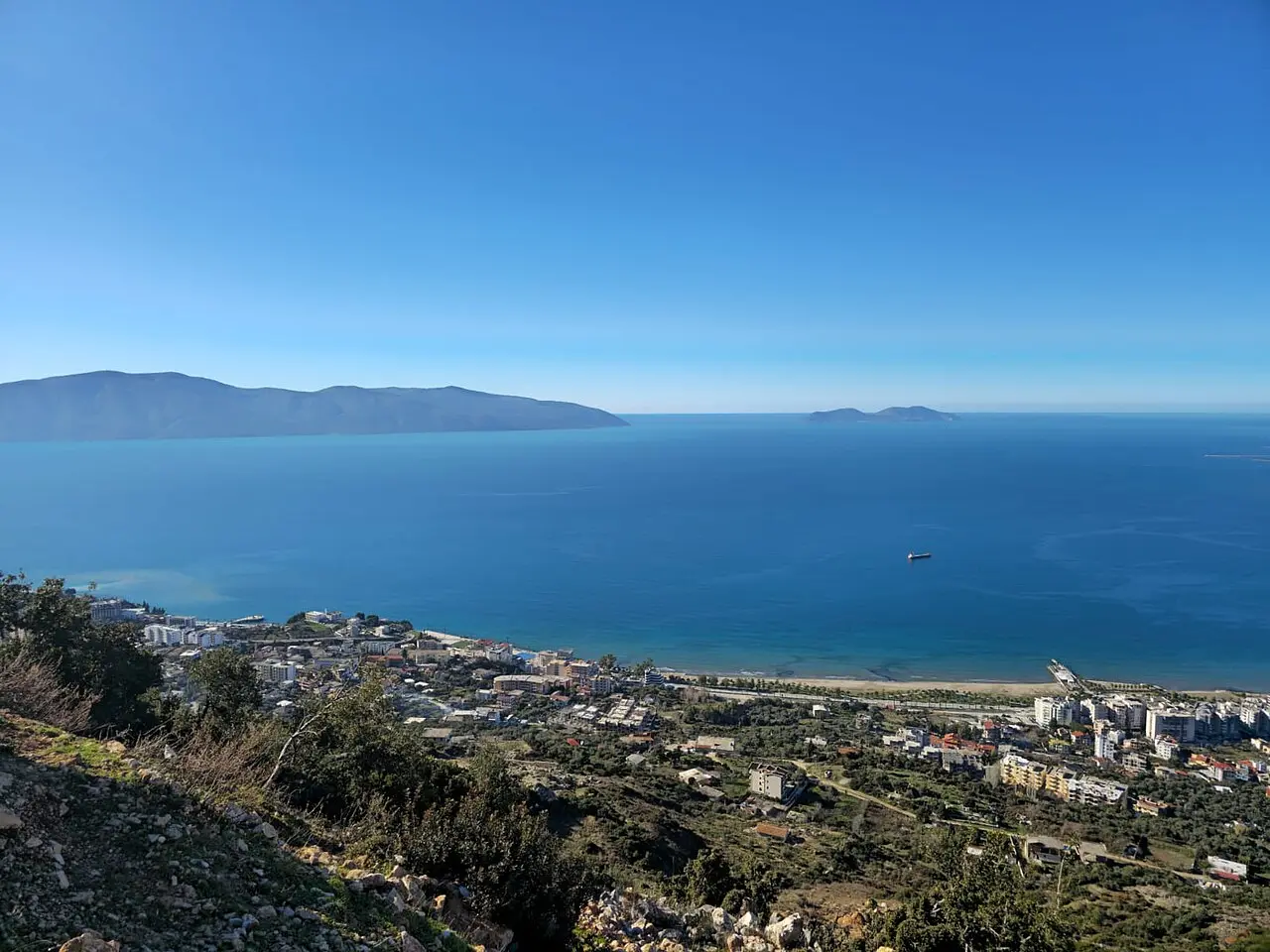
For the long view, head up to Kanina Castle, the hilltop fortress a few kilometres above the city on the site of ancient Aulon, the settlement Vlora grew from. The ruins are ancient and medieval in layers, but the reason to climb is the panorama - the whole bay, the Narta Lagoon and the plain spread out below. It’s a short drive or a taxi from the centre.
Best day trips from Vlora
This is where Vlora earns its keep. Three standout trips fan out from the city, and no two are alike. For distances, costs and how to combine them - plus Apollonia inland and a full Riviera beach day - see our full day trips from Vlora guide.
Zvërnec island monastery and the Narta Lagoon
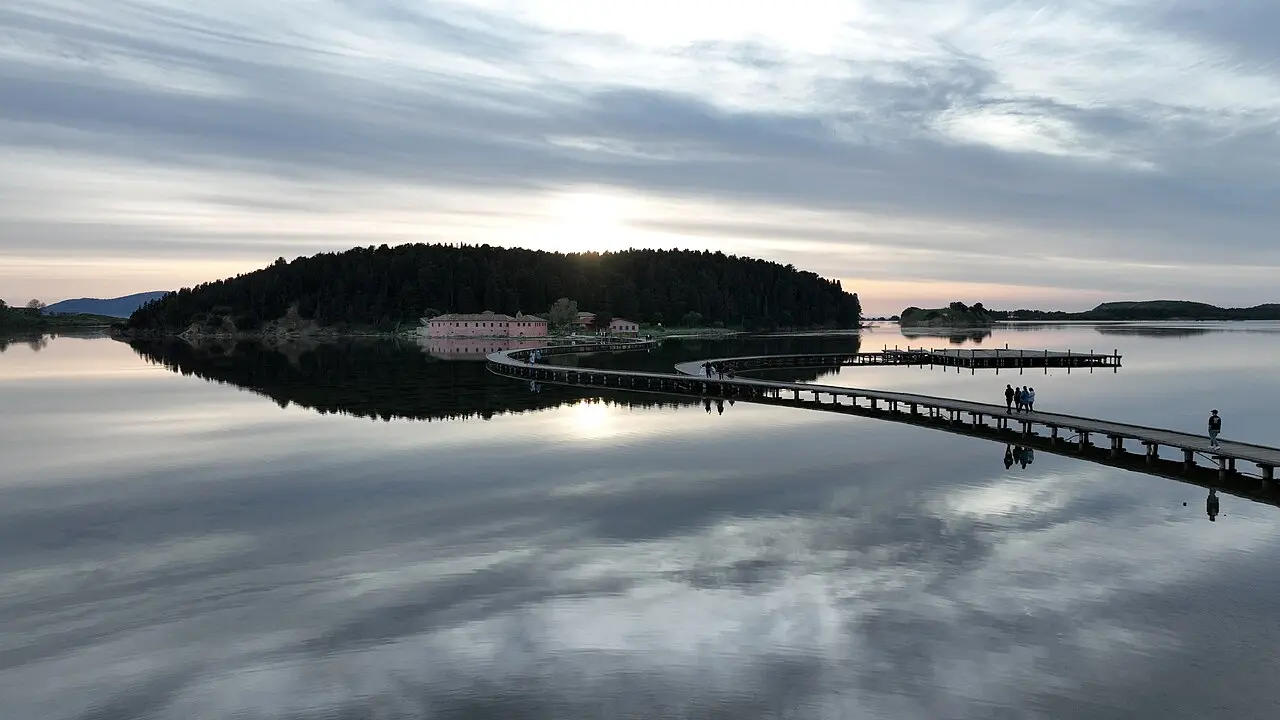
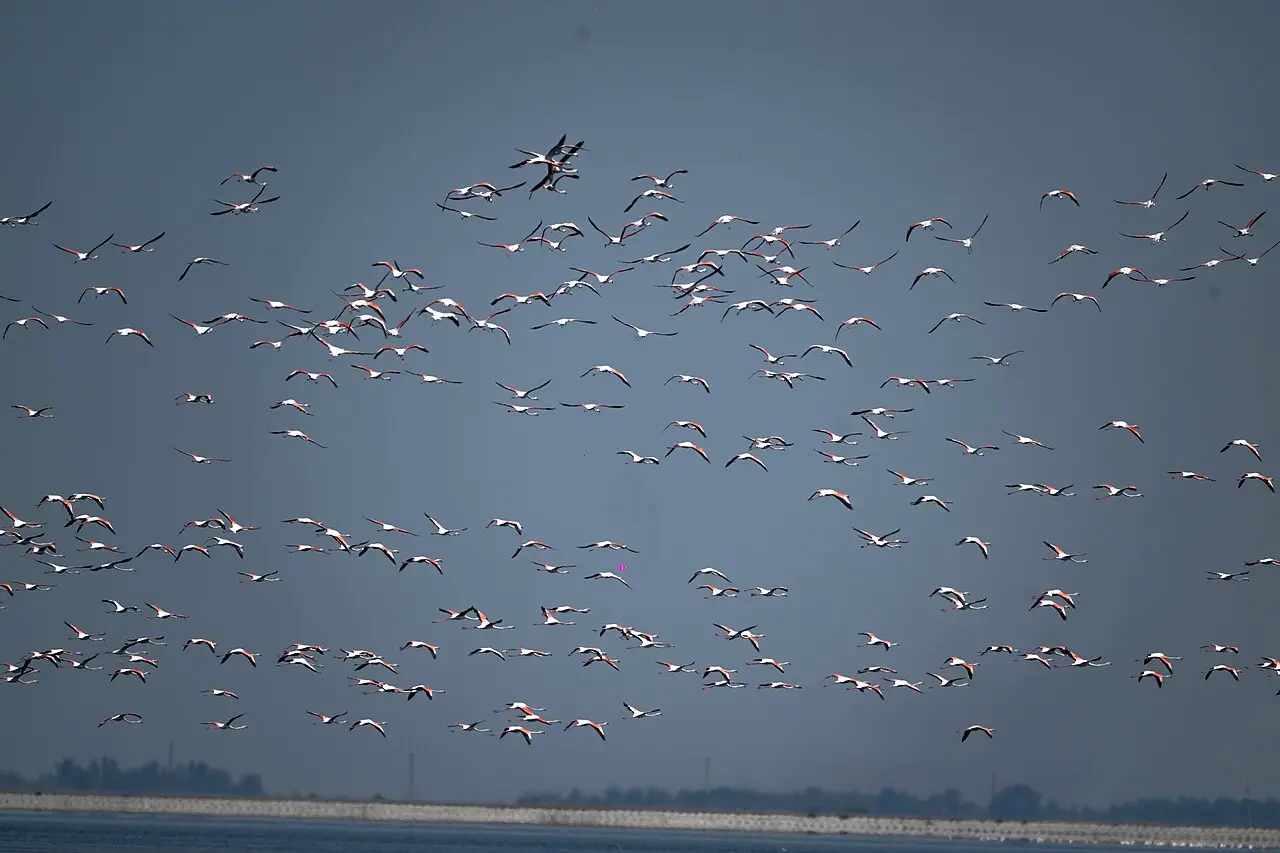
Just north of town, in the shallow Narta Lagoon, a small wooded island holds the Zvërnec Monastery - a 13th-century Byzantine church of St Mary shaded by tall cypresses, reached across the water on a long (about 270-metre) wooden causeway. It’s one of the most tranquil spots near any Albanian city: you walk the boardwalk over the still lagoon, loop the quiet island, and walk back. The surrounding lagoon and its salt pans are a haven for birds, flamingos among them, and the whole excursion is an easy half-day.
Sazan Island and the Karaburun peninsula
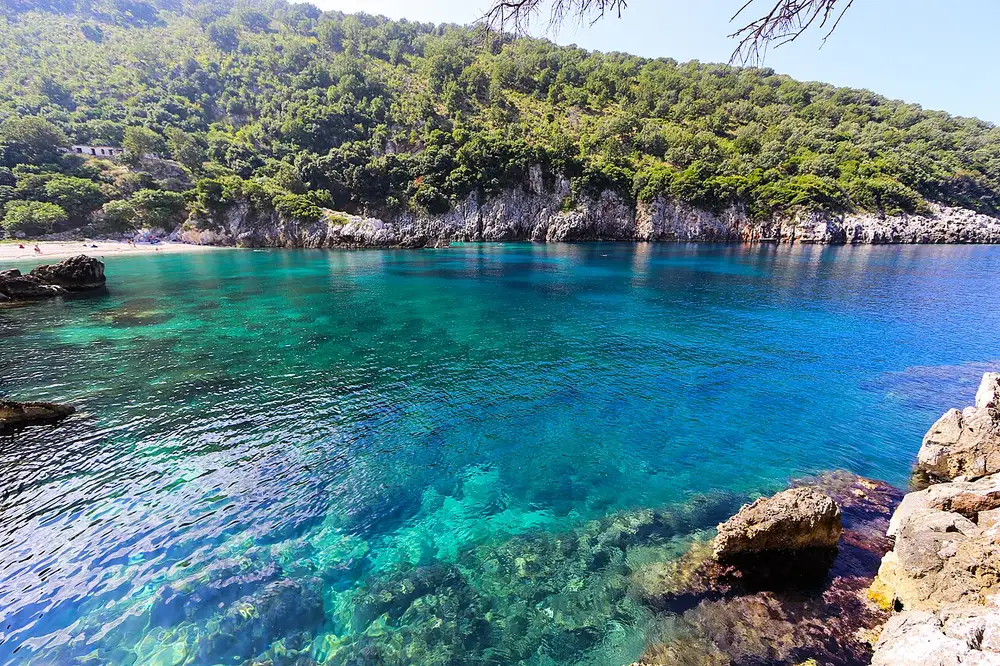
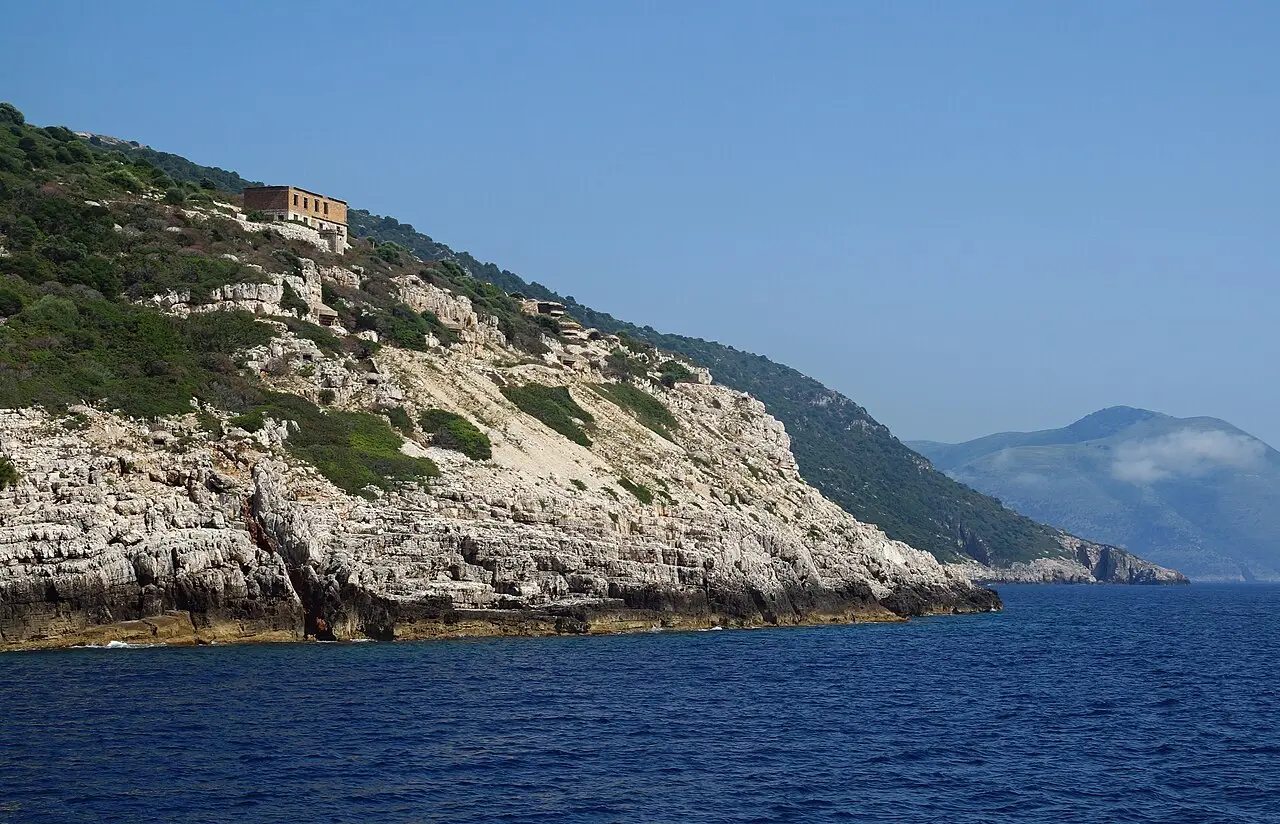
The blockbuster trip is by boat into the Karaburun-Sazan Marine National Park, the country’s only marine national park. Karaburun is a long, wild, uninhabited peninsula of cliffs, hidden coves and sea caves - including the much-visited Haxhi Ali Cave - while Sazan, the island guarding the mouth of the bay, was a closed military base for decades and only opened to visitors in July 2015, its bunkers and tunnels still in place. You reach it all on a boat tour from the Vlora seafront - operators board off decks along the Lungomare - in a speedboat, a rigid inflatable or a slower cruise, stopping to swim and snorkel in water that’s suddenly, gloriously clear once you round the headland. Which of the four itineraries to book, what each one costs and what the hour ashore on Sazan is actually like are all in our Karaburun-Sazan marine park guide.
Over the Llogara Pass to the Riviera
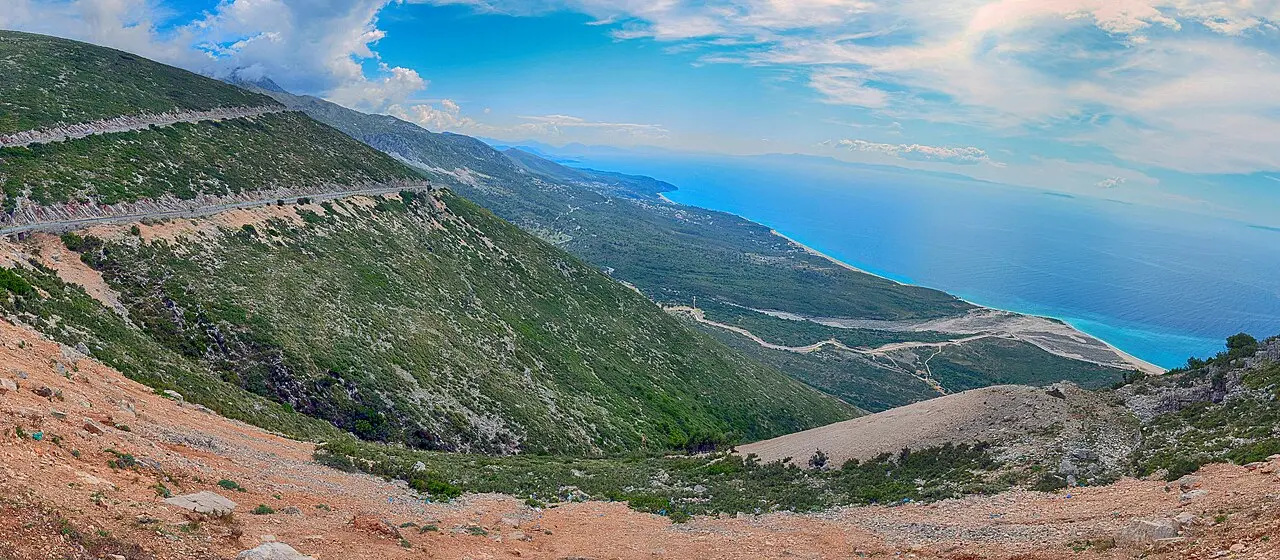
South of Vlora the coast road climbs into Llogara National Park, a shelf of alpine pine forest perched high above the sea, then drops to the first Riviera beaches at Palasa and Dhërmi. The old Llogara Pass road is a spectacular sequence of hairpins with a famous viewpoint straight down onto the Ionian - worth driving for the scenery alone, and covered start to finish in our Llogara Pass guide. Since July 2024 there’s also a faster option: the Llogara Tunnel, at 6 km the longest in Albania, which bores under the mountain and cuts the Vlora-Palasa run from about 45 winding minutes to under ten. It is still free: a tariff of about 250 ALL (around €2.50) one way was approved in April 2026, but as of 18 July 2026 it was not being collected and no start date had been set. Take the tunnel to save time, or the pass for the view - either way, this is the doorway to the best of the Albanian coast.
For everything below the pass - Dhërmi, Himarë, the coves and which town suits you - see our full guide to the Albanian Riviera, and for beds along the coast, where to stay on the Albanian Riviera.
Where to stay in Vlora
Most visitors stay near the Lungomare, which puts you on the promenade, close to the restaurants and an easy walk from Flag Square. It’s the natural choice for a night or two before the coast.
- Along the Lungomare. The widest range of hotels and apartments, right on the waterfront and the evening action. Busiest and dearest in July-August.
- The centre. A little back from the sea near Flag Square and the museum - handy for the history and slightly quieter.
- South toward Radhimë and Orikum. If you want cleaner swimming than the city beaches, the resorts strung south along the bay are a compromise on the way to the Riviera.
Rates climb steeply in high summer and are gentle in the shoulder months. If Vlora is one stop on a longer trip, our guide to where to stay in Albania shows how it fits against Tirana, the coast and the south.
How to get to Vlora
Vlora sits about 154 km down the coast from Tirana, and the bus is the standard way in.
| Route | Roughly | Notes |
|---|---|---|
| Tirana → Vlora (bus/furgon) | ~2.5 h | Frequent departures through the day; pay on board. |
| Tirana Airport → Vlora (bus) | ~3 h | Several scheduled daily runs; confirm the current timetable. |
| Vlora → Riviera (Palasa) | ~10-45 min | Fast via the Llogara Tunnel, or slower and scenic over the pass. |
| Durrës → Vlora | ~1.5-2 h | Common pairing along the coast. |
The workhorse is the Tirana-Vlora bus, which runs through the day and takes around two and a half hours; there’s no train worth using. One thing to note for 2026: the new Vlora airport is not operating over the summer, so don’t plan to fly in - arrive by bus or car. For the step-by-step, see Tirana to Vlora; for the wider picture of buses, furgons and driving, how to get around Albania. If you want to drive the Riviera on your own schedule, renting a car makes the coast south of Vlora far easier.
When to go and how long to stay
- May-June and September are the sweet spot: warm sea, boat trips running, the Riviera open, and none of the peak-summer scrum.
- July-August are hot and packed - the boat tours and Lungomare are at their liveliest, but prices peak and Sazan trips book out.
- Winter is quiet; the history and the promenade are still there, but boat tours thin out and the high Llogara road can be cold or closed in bad weather.
- How long: one full day covers the independence sights, the Lungomare and one boat or lagoon trip. Give it two nights if you want both Sazan and Zvërnec before heading over the pass. For the month-by-month picture, see the best time to visit Albania.
Vlora is where Albania’s story starts and where its finest coastline begins - a working city with a monument at its heart and a marine park at its doorstep. Walk Flag Square, take a boat out to Sazan’s clear water, cross the boardwalk to the island monastery, and then drive south over Llogara. Few Albanian cities pack so much difference into one bay.
What’s nearby and read also
- Continue with more Albanian city guides - pair Vlora with the Saranda travel guide for the whole south coast.
- Heading down the coast? Read the Albanian Riviera and where to stay on the Riviera.
- Coming from the capital? See Tirana to Vlora and the best things to do in Tirana.
- Timing the trip - check the best time to visit Albania before you book.
Photos
On the map
The map loads on click - to keep the page lightweight.
The map didn’t load. Check your connection and refresh the page.
Distance ≈154 km · ~2.5 h by road
- Tirana ≈154 km · ~2.5 h by road Frequent buses through the day (roughly every 30-40 min in season); no useful train.
Read also

Cities · 10 min read
Korca Travel Guide: Bazaar, Beer & Southeast Albania
Updated · August 14, 2026Korca (Korce) guide: walk the Old Bazaar, see medieval icons, taste Birra Korca, then day-trip to Voskopoje or Lake Ohrid.

Cities · 10 min read
Permet, Albania: the Vjosa, Rafting & Gliko
Updated · August 8, 2026Permet travel guide: rafting the Vjosa (EUR 35), gliko and raki, the 1944 Congress, Leusa church, the Benja baths, where to stay and how to get there.

Cities · 13 min read
Dhermi, Albania: Beaches, Drymades & the Old Village
Updated · September 25, 2026Dhermi and Drymades guide: which beach is which, what a sunbed costs, boat trips to Gjipe, the old Greek village above the coast and the bus-stop catch.

Cities · 11 min read
Pogradec & Lake Ohrid: The Albanian Side
Updated · October 2, 2026Pogradec on the Albanian shore of Lake Ohrid: pebble beaches, the promenade, the Drilon springs, koran trout and Lin's mosaics, without Ohrid's crowds.