Shkodra Travel Guide: Rozafa, the Lake & the Alps
Shkodra guide: Rozafa Castle and its legend, the Marubi photo museum, Lake Shkodra and bike culture, plus reaching Theth, Valbona and the Koman ferry.
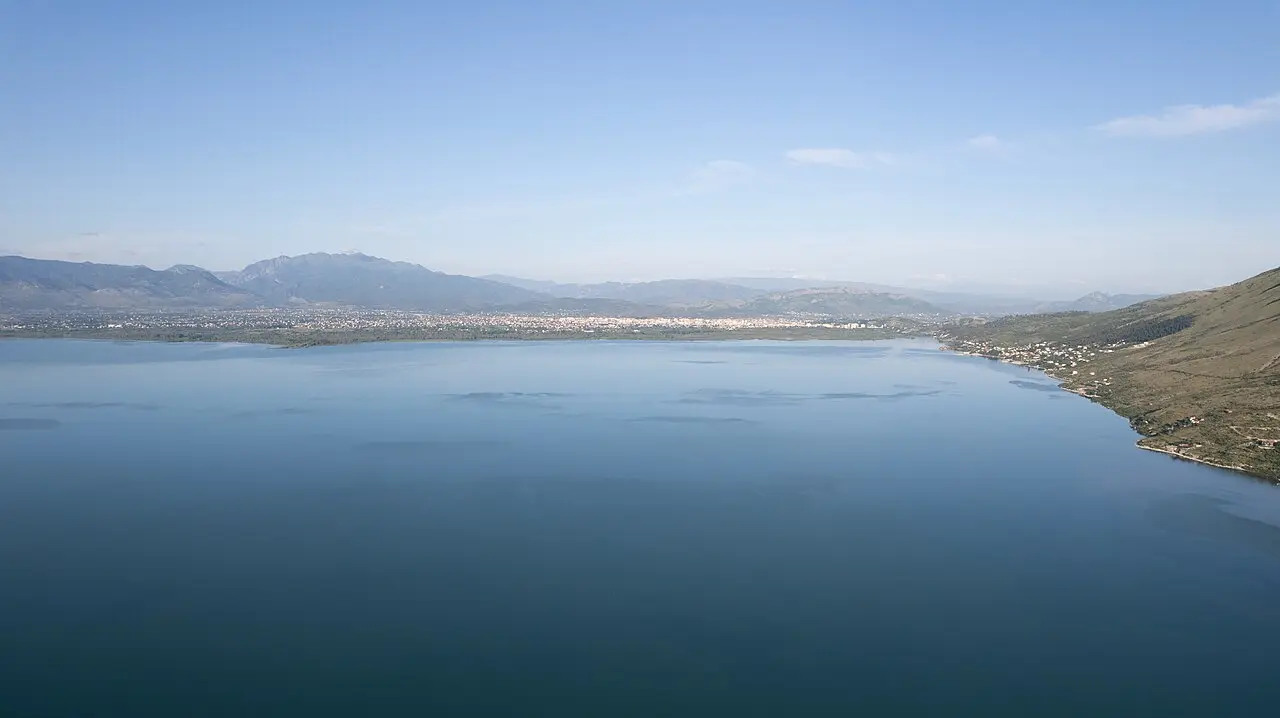
Shkodra is northern Albania’s oldest city and the obvious base for its wildest scenery - a flat, bike-riding lakeside town where a hilltop Ottoman-Venetian fortress looks out over the largest lake in the Balkans, and where the road to the Albanian Alps begins. Most travellers come for two reasons that fit neatly together: a day of city sights (Rozafa Castle and its grim founding legend, the Marubi photo archive, the café-lined pedestrian street) and a launchpad for the mountains - the Theth and Valbona valleys and the spectacular Koman ferry all start from here.
Most people treat Shkodra as a launch pad, and its two big departures both reward a little homework: the Koman Lake ferry through the mountains, and the road up to the Theth and Valbona valleys. Sort the timing and the booking before you arrive and the city becomes the perfect first night in the north.
Is Shkodra worth visiting?
Short answer: yes, but know what it is. Shkodra isn’t a museum-town of cobbled perfection like Berat or Gjirokastër - it’s a real, slightly worn provincial capital that lives at its own pace. What it offers is a genuine sense of place (this is the heartland of northern, Catholic, Gheg-speaking Albania), one first-rate small museum, a castle with the best view in the north, and unbeatable access to the mountains. A day and a night is enough to see the town; most people give it two, using the second to ride out to the lake or to stage an early start for the Koman ferry.
If you’re deciding where it fits, think of Shkodra as the northern hinge of an Albania trip: the last city before the Alps, and a natural stop coming from or heading to Montenegro, whose border and the Skadar side of the same lake are less than an hour away. If you’re carrying on across that border by car, our Albania-Montenegro road trip picks up right here in Shkodra and runs down to the Bay of Kotor. Albania borders Kosovo too, further east, though that crossing starts from Tirana rather than here - our Albania and Kosovo road trip covers the drive via Krujë and Kukës to Prizren and Pristina, if that’s the border you’re aiming for instead.
What to see in Shkodra
The centre is small and flat, and everything except the castle and the lake is walkable - which is exactly why the whole city runs on bicycles. Give the town itself a relaxed half-day on foot, then take wheels (bike, taxi or car) for the castle and the lake.
Rozafa Castle and the legend
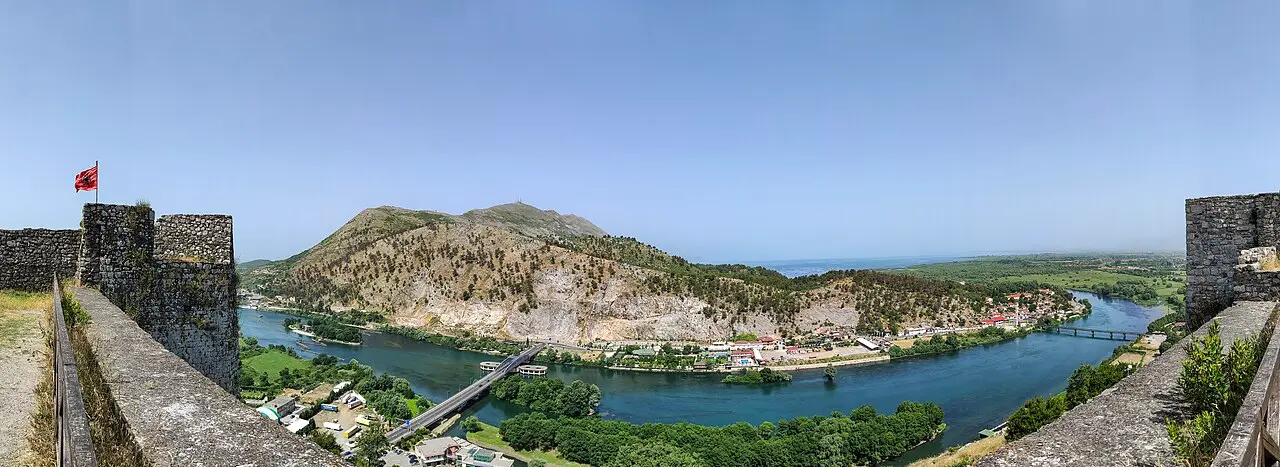
The one unmissable sight is Rozafa Castle, sprawled across a rocky hill about 3 km south of the centre where the Buna (Bojana) and Drin rivers meet. It’s an old site: the Illyrians raised the first walls here, but most of what you walk through today is Venetian stonework, taken by the Ottomans after the brutal siege of 1478-79. Inside the walls are the ruins of a 13th-century church - St Stephen’s, later enlarged under Venice - which stayed a church for two centuries after the Ottomans took the city, and was rebuilt as the Fatih Sultan Mehmet Mosque only in 1685, plus a small museum on the site’s Roman, Byzantine and Ottoman past. Nobody, though, comes only for the masonry: the reason to climb up is the view, a slow 360° sweep over the two rivers braiding together, the flat silver sheet of Lake Shkodra, the city, and the wall of the Alps rising behind it.
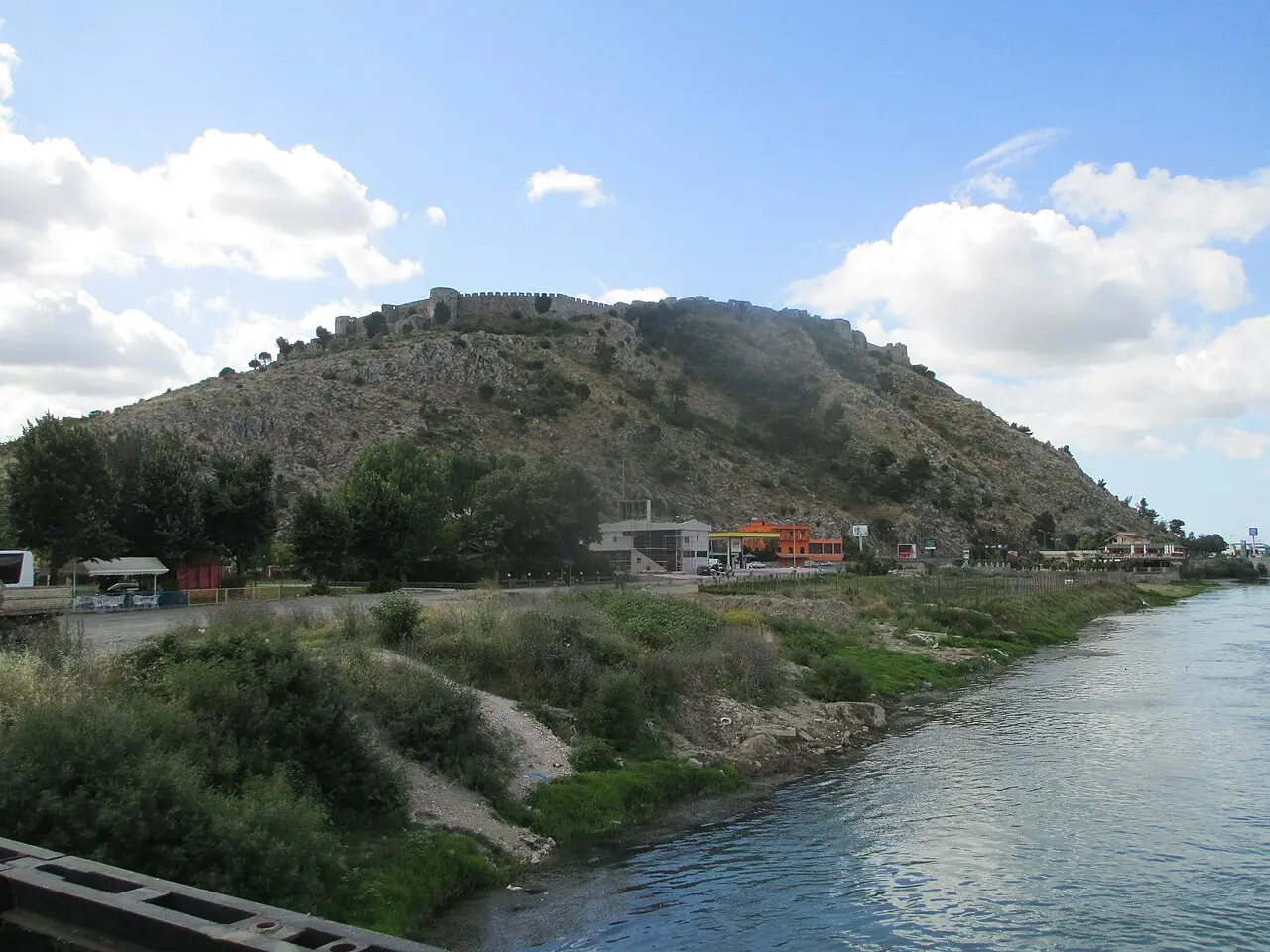
The castle takes its name from the legend that every Albanian child knows. Three brothers were building the walls, but whatever they raised by day collapsed by night. A wise old man told them the stones would only hold if one of their wives was walled in alive - and it must be whichever wife brought the men their lunch the next day, with no warning. Two brothers tipped off their wives; the youngest kept his word, and it was his wife, Rozafa, who came. She accepted her fate on one condition: that a gap be left so that her right breast, eye, hand and foot stayed free, so she could still nurse and rock her infant son. It’s a bleak, beautiful story about sacrifice, though younger on paper than you’d guess. When the Shkodra-born priest Marin Barleti wrote up the Ottoman siege in 1504, the founders he named were a brother and sister, Rosa and Fa. A woman walled into the foundations only reached print in the 19th century, and in the Shkodra version that Hyacinthe Hecquard, the French consul here, published in 1858, she’s Fa herself, a young mother still nursing her son. Skender Kraja’s sculpture of Rozafa is in the castle museum at the top, if the museum’s open when you visit. Whether you find the story moving or macabre, it gives the ruins a weight the walls alone wouldn’t have.
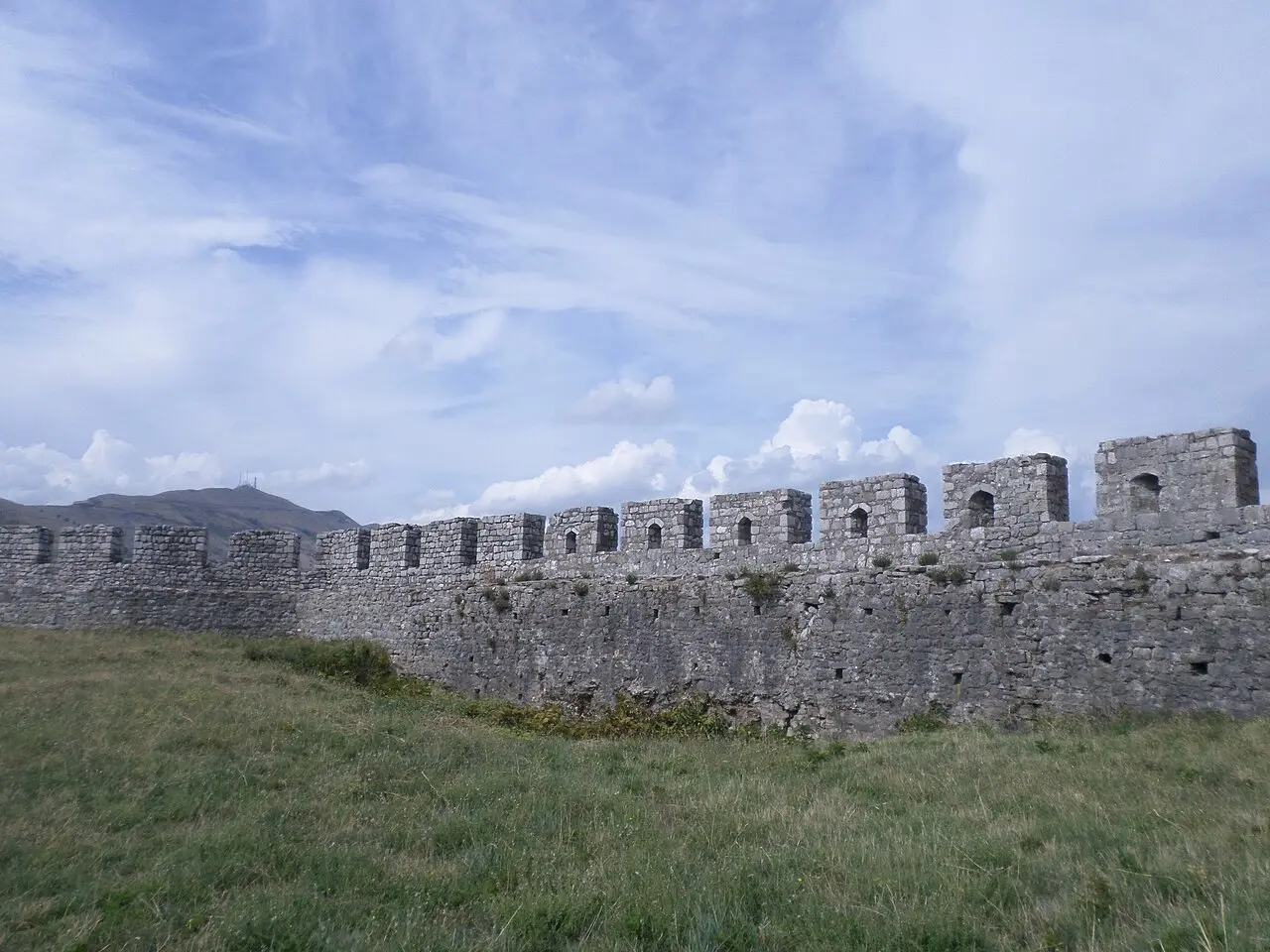
Practical bits: it’s a 10-minute drive or a stiff uphill walk from town; there’s a café inside the grounds if you time it for the late-afternoon light, which is when the view is at its best. An adult ticket is 400 lek at the gate, or 300 lek online through e-Albania plus a 50-lek card fee, and under-12s go free; those are the culture ministry’s prices. E-Albania’s instructions only mention cards from Albanian banks, so if a foreign card is refused, the gate sells the same ticket for 400. In 2026 the gate is open every day from 09:00 to 20:00 until the end of October. From November it’s closed on Mondays, open 09:00-16:00 Tuesday to Saturday and 09:00-14:00 on Sundays. The Rozafa Castle visit guide has the full price list and how to walk the site.
The Marubi National Museum of Photography
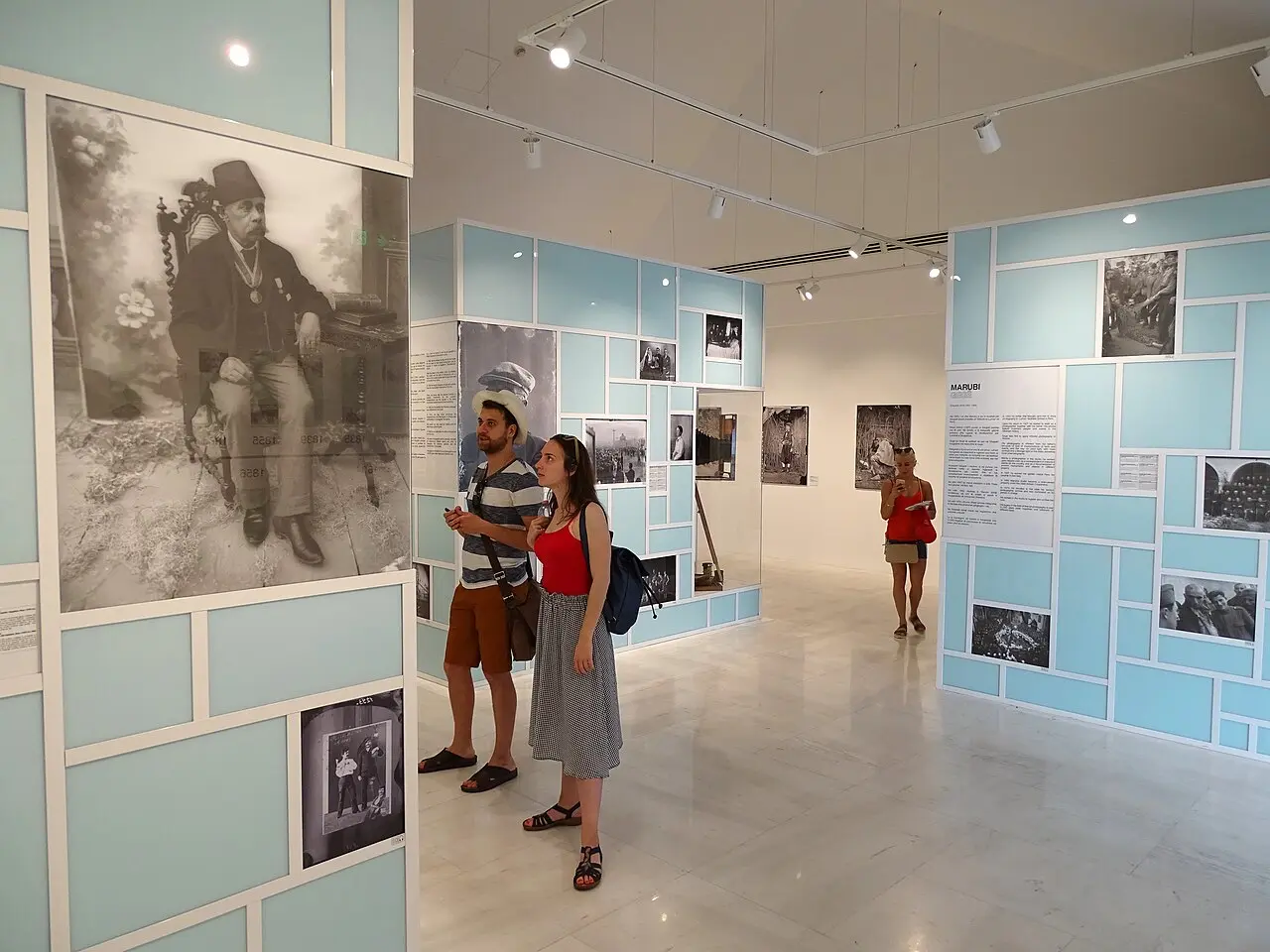
Shkodra’s cultural crown jewel is small and easy to miss, and it’s the one indoor sight worth planning around. The Marubi National Museum of Photography holds the archive of the Marubi dynasty - a family of photographers who ran a studio here from the 1850s and, over three generations, ended up documenting an entire country. The collection runs to over 150,000 glass-plate negatives, and it contains the oldest photograph ever taken in Albania. What makes it grip you isn’t the cameras (though the antique kit is there); it’s the faces - highland chieftains in full costume, brides, revolutionaries, ordinary Shkodrans - staring out of the 19th century with startling clarity. For a town this size to hold the visual memory of the nation is remarkable, and an hour here does more to explain northern Albania than any castle.
The old bazaar and the pedestrian street
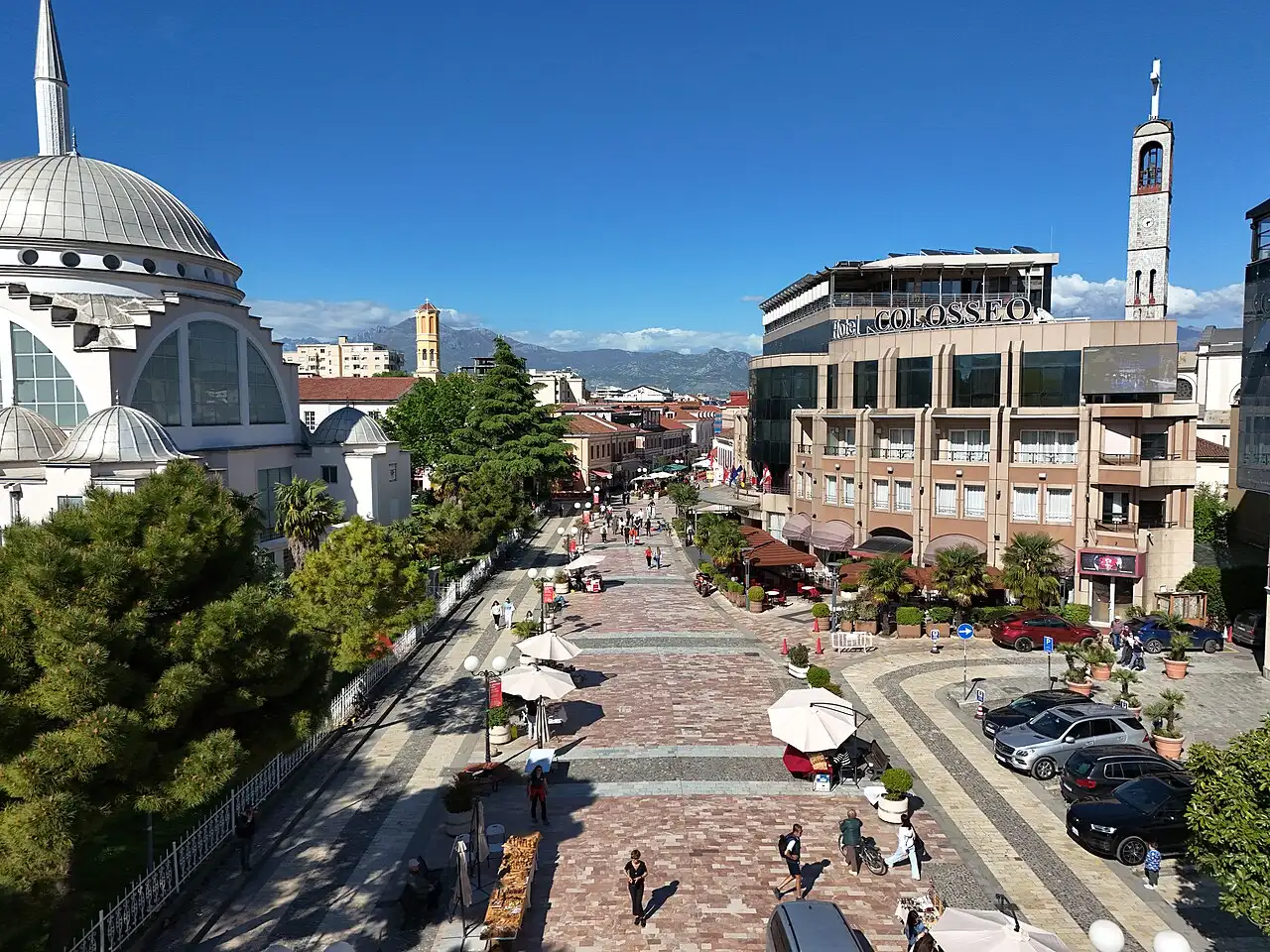
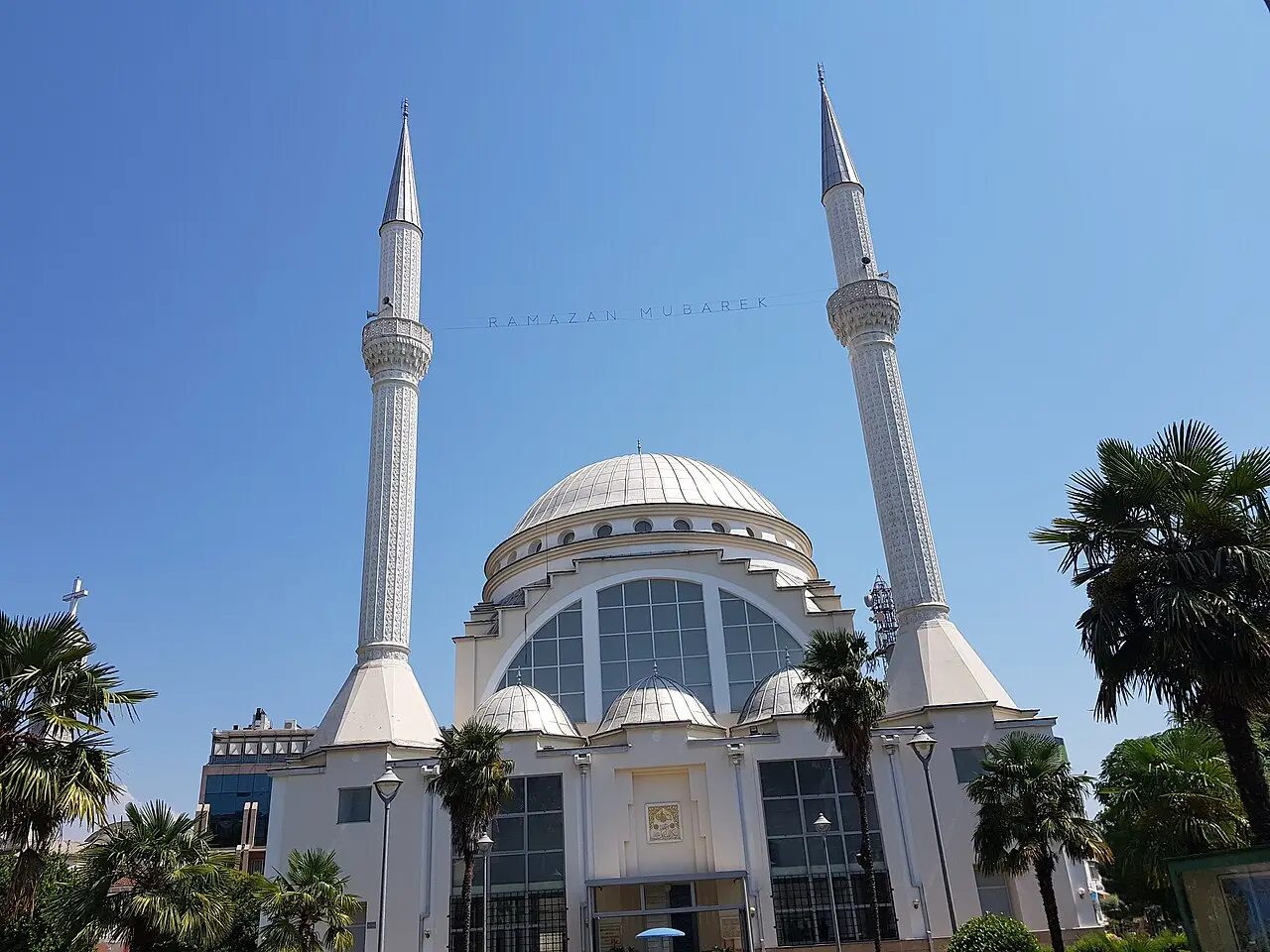
The social heart of town is Rruga Kolë Idromeno, the restored pedestrian street that locals just call the pedonale. Its low, colour-washed Venetian- and Ottoman-style houses now hold cafés, bars and shops, and in the early evening the whole city seems to drift here for coffee and the xhiro, the ritual stroll. Around it spreads the old bazaar quarter, and the street runs toward two landmarks that sum up Shkodra’s mixed soul: the big Ebu Bekr Mosque and, a short walk away, the enormous Catholic cathedral - reminders that this is one of Albania’s most religiously mixed cities, historically as Catholic as it is Muslim.
The bikes
You’ll notice it within minutes of arriving: Shkodra runs on bicycles. The land is dead flat and the town has cycled to work, school and market for generations, so the streets hum with upright old bikes ridden by everyone from schoolkids to grandmothers. It’s the easiest and most local way to get around, and renting one (about 300 ALL for a half day, 500 ALL - roughly 5 € - for a full day, from hostels and shops) is the single best decision you can make here - it turns the flat run out to the lake or the Mesi bridge from a chore into the highlight of the day.
Lake Shkodra and the Mesi bridge
Just west of town lies Lake Shkodra (Skadar Lake on the Montenegrin side), the largest lake in the Balkans and a Ramsar-protected wetland alive with birds - including pelicans. Only about a third of it is in Albania; the rest is Montenegro, and the border runs through open water. The easy way to touch it is to ride or drive the 6 km out to Shiroka, a strung-out lakeside village of fish restaurants and swimming spots where the summer water warms to around 28 °C. It’s an unhurried half-day: pedal out, swim, eat carp or eel by the water, pedal back.
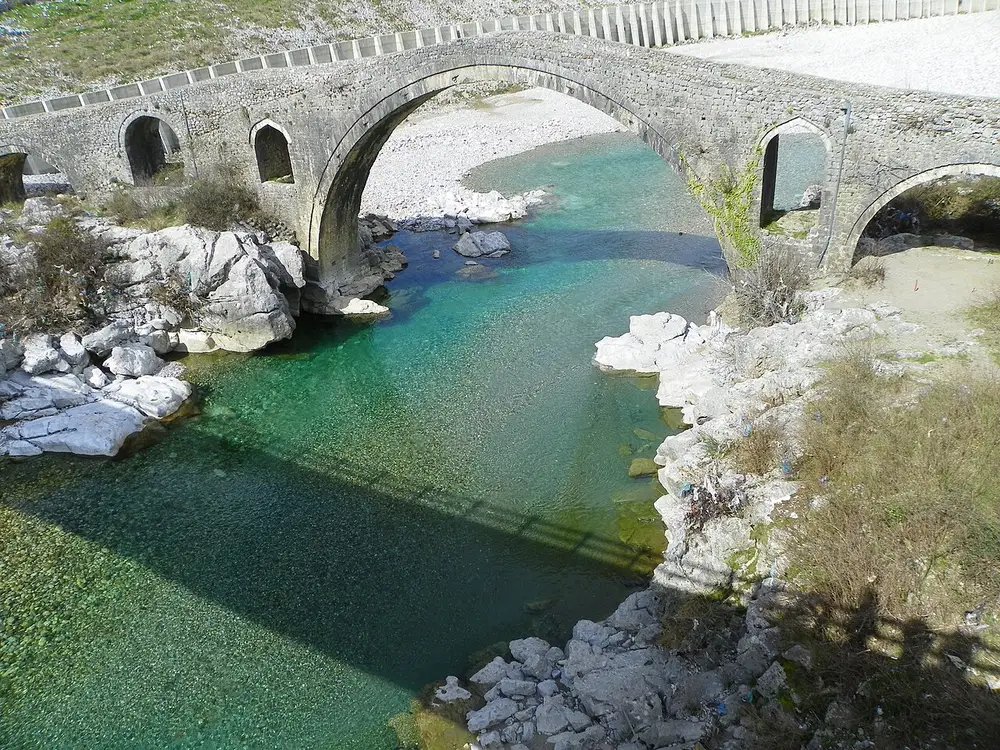
A little northeast of town, the Mesi Bridge (Ura e Mesit) is the other classic short trip - an 18th-century Ottoman stone bridge over 100 m long, carried on thirteen arches across the Kir river. The clear green water underneath is a popular spot for a swim on a hot day. It pairs naturally with a lake ride if you have a bike or a car for the afternoon.
Shkodra as a gateway to the Albanian Alps
This is the real reason many people come. Shkodra is the staging post for the Accursed Mountains - the Albanian Alps - and specifically for the Theth and Valbona valleys and the ferry that links the region together.
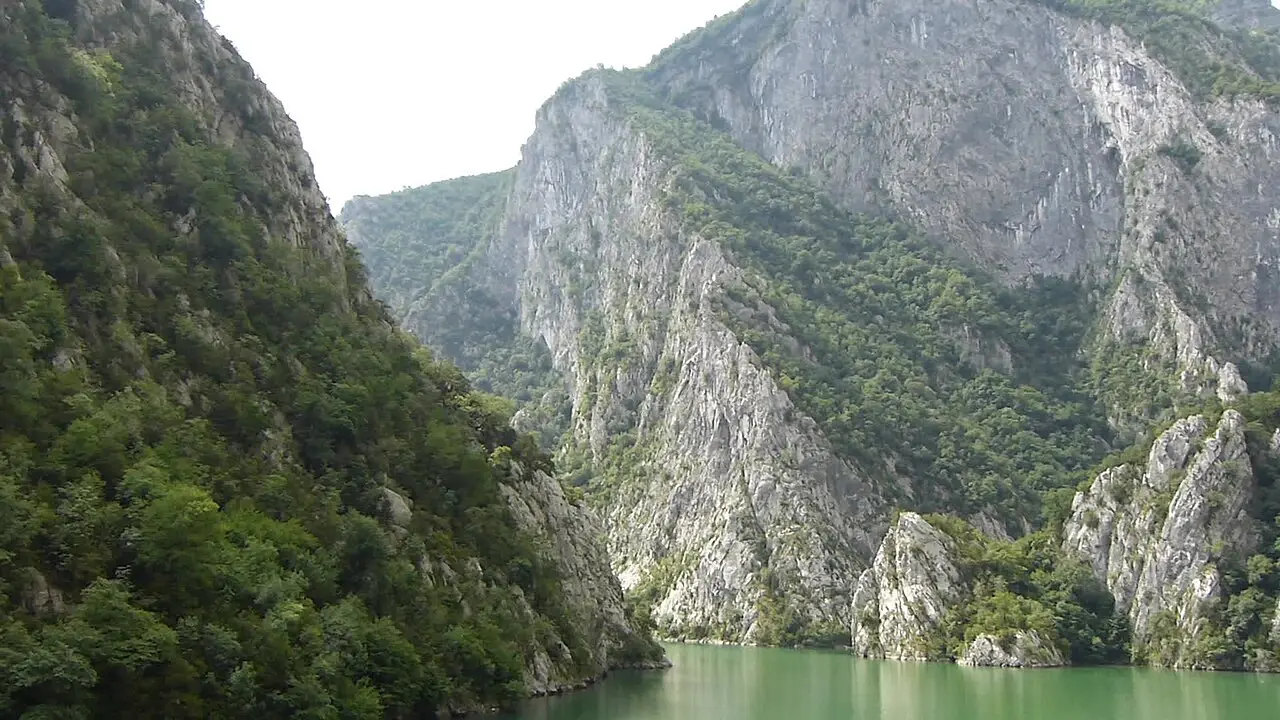
The showpiece is the Koman Lake ferry, a boat that threads a reservoir hemmed in by near-vertical cliffs, so narrow in places it feels like a fjord - which is why people call it “a Norwegian fjord at Balkan prices.” It runs between Koman and Fierza, and it’s genuinely one of the great scenic journeys in Europe. From Fierza you continue by minibus to Valbona, and from Valbona the most famous trek in the country climbs over the pass to Theth in about six to seven hours. Done as a loop - ferry in, hike across, transfer back - it’s the classic multi-day highlight of northern Albania. For a dedicated swim-and-boat day up the Shala tributary without the full Valbona hike, see our Shala River day-trip guide. Our northern Albania Alps itinerary maps that whole four-to-five-day loop out of Shkodra, day by day.
The logistics are the catch, and they’re worth getting right. Reaching the boat means an early start: the popular Berisha minibus leaves Shkodra around 06:30, takes roughly two hours to the dock at Koman, and drops you in time for the ferry at about 09:00. Book the transfer and the ferry the day before through your guesthouse - seats fill in summer, and this is not a trip to improvise on a whim. For the full breakdown of operators, timetables, tickets and how to do the crossing in either direction, see our dedicated guide to the Koman ferry, and check the current schedule before you commit, since departures shift with the season.
Where to stay in Shkodra
Most visitors stay in or just around the centre, which is the sensible call - you’re walking (or cycling) distance from the sights, the pedestrian street and the buses. Shkodra has a strong hostel and guesthouse scene, partly because it’s a hub for hikers assembling before the Alps, so it’s easy to find a bed, swap trail information and arrange onward transfers in one place.
- The centre and old town. Nearest the pedestrian street, cafés and museum, with the widest choice of guesthouses and small hotels. Best base for a car-free stay.
- Toward the lake. Quieter guesthouses on the western edge and out at Shiroka put you closer to the water - good if you have wheels and want lake mornings.
- Hiker hostels. Several places specialise in the Alps crowd and are the easiest spot to book the Koman transfer and get current trail conditions.
Rates are gentle by Western-European standards and rise in July and August. For the area-by-area detail - including the quiet Zdrale quarter and which hostels run their own Alps transfers - see our where to stay in Shkodra guide. If Shkodra is one stop on a longer trip, our guide to where to stay in Albania shows how it slots in against Tirana, the coast and the southern towns.
How to get to Shkodra
Shkodra sits in Albania’s far north, well connected to Tirana and to the Montenegrin border.
| Route | Roughly | Notes |
|---|---|---|
| Tirana → Shkodra (bus) | 1 h 48 on the timetable | Every 30 min, 05:30-18:00, every day of the week; pay the conductor in lek. |
| Tirana Airport → Shkodra (Hermes van) | 1 h 40 on the timetable | Runs day and night; 1,000 lek, 1,300 lek on the night runs. Check the times on Hermes’ own site. |
| Shkodra → Koman (transfer) | ~2 h | Early-morning minibus for the ferry; book the day before. |
| Montenegro border → Shkodra | under 1 h | Buses run to Ulcinj and Podgorica; the border is close. |
The workhorse is the Tirana-Shkodra bus, which leaves every half hour and is timetabled at 1 hour 48 minutes; there’s no passenger train. Heading on into Montenegro, our Tirana to Podgorica guide covers the direct buses that pass through Shkodra. For the step-by-step on schedules and where the buses leave from, see Tirana to Shkodra, and for the bigger picture of buses, furgons and driving across the country, how to get around Albania. If you want the freedom to reach the lake, the Mesi bridge and the mountain trailheads on your own schedule, renting a car makes the north much easier - though for the Koman ferry most people leave the car and take the organised transfer.
When to go and how long to stay
- May-June and September are the sweet spot: warm, dry-ish, and the mountains and ferry are fully open without the peak-summer crush. Note that Shkodra is one of the wettest places in Europe, with heavy rain outside summer - spring can be green and lush but damp.
- July-August are hot and busy, and the best window for combining the city with the Alps; book Koman transfers ahead. The second half of July is also when Za Fest runs its three nights, two of them up at Rozafa Castle and one down in the city, so check its dates before you fix yours if you want to catch it. The crowd is counted in hundreds rather than thousands, so it won’t overrun the town, but the rooms do go.
- Winter is quiet and often wet; the high mountain routes and some guesthouses in Theth and Valbona close or thin out.
- How long: one full day and a night covers the city - castle, museum, pedestrian street. Add a second day for the lake and Mesi bridge, or use Shkodra as the launch night before a two- to three-day Alps loop. For the month-by-month picture, see the best time to visit Albania.
Shkodra rewards travellers who treat it as more than a transit stop. Rent a bike, climb Rozafa in the late afternoon (from August to October you can stay for the sunset), spend an hour with the ghosts in the Marubi archive, eat by the lake at Shiroka - and then, if the mountains are calling, use the town for exactly what it does best: pointing you north into the Alps.
What’s nearby and read also
- Continue with more Albanian city guides - pair Shkodra with the south for the full picture.
- Heading into the mountains? Start with the Koman ferry guide.
- Coming up from the capital? See Tirana to Shkodra and the best things to do in Tirana.
- Timing the trip - check the best time to visit Albania before you book.
Photos
On the map
The map loads on click - to keep the page lightweight.
The map didn’t load. Check your connection and refresh the page.
Distance ≈95 km · 1 h 48 by bus, about 2 h by car
- Tirana ≈95 km · 1 h 48 by bus, about 2 h by car Buses every 30 minutes from 05:30 to 18:00, seven days a week, from Tirana's South and North Terminal; pay the conductor in lek. No passenger train.
Read also

Cities · 10 min read
Korca Travel Guide: Bazaar, Beer & Southeast Albania
Updated · August 14, 2026Korca (Korce) guide: walk the Old Bazaar, see medieval icons, taste Birra Korca, then day-trip to Voskopoje or Lake Ohrid.

Cities · 10 min read
Permet, Albania: the Vjosa, Rafting & Gliko
Updated · August 8, 2026Permet travel guide: rafting the Vjosa (EUR 35), gliko and raki, the 1944 Congress, Leusa church, the Benja baths, where to stay and how to get there.

Cities · 13 min read
Dhermi, Albania: Beaches, Drymades & the Old Village
Updated · September 25, 2026Dhermi and Drymades guide: which beach is which, what a sunbed costs, boat trips to Gjipe, the old Greek village above the coast and the bus-stop catch.

Cities · 11 min read
Pogradec & Lake Ohrid: The Albanian Side
Updated · October 2, 2026Pogradec on the Albanian shore of Lake Ohrid: pebble beaches, the promenade, the Drilon springs, koran trout and Lin's mosaics, without Ohrid's crowds.