Albania: 1 Year Visa-Free for US Citizens (2026)
US citizens can stay in Albania visa-free for up to one year - how the 365-day rule works, the 90-day reset, remote work and long-stay tips.
Yes - and it is real. A US citizen can enter Albania as a tourist with no visa and stay for up to one full year, 365 days, without ever applying for a residence permit. That is per the U.S. State Department (travel.state.gov), and it’s one of the most generous visa-free windows an American gets anywhere in Europe. But the year comes with a couple of catches that trip people up: you cannot simply hop out for a weekend and reset it, and a tourist stay isn’t a work permit. Here’s exactly how the rule works, and how to actually spend a year here without a nasty surprise at the border.
General information, not legal or immigration advice. Entry and residence rules change and depend on your circumstances. Confirm the current position with the official sources - the U.S. Embassy in Tirana and Albania’s Ministry for Europe and Foreign Affairs - before you travel or make plans around a long stay.
What the one-year rule actually says
The core of it’s short. According to travel.state.gov, “you may enter the Republic of Albania as a tourist without a visa,” and “U.S. citizens may stay up to one year in Albania without applying for a residency permit.” No application, no fee, no paperwork on arrival beyond the normal passport check. You show up, you get waved in, and the clock starts.
The document requirements are just as light. Your passport must be valid for at least three months after the date you leave Albania - the Albanian foreign ministry counts validity from departure, not arrival, and also wants the passport issued within the last ten years - and by Article 10(1) of Law No. 79/2021 it must carry at least two blank pages. That is the whole entry bar for an American. There is no onward-ticket rule written into the year, though airlines occasionally ask for one at check-in regardless, so it is worth having a rough exit plan on paper even if you don’t know your real dates yet.
The catch most people miss: how to reset the clock
This is the part that costs people money and stress, so read it twice. The year isn’t a rolling allowance you can top up with a quick border run. Per the U.S. Embassy in Tirana, to restart the clock on the one-year limit you must leave Albania and stay out of the country for at least 90 days before you re-enter without a residence permit. And crucially: shorter trips out during your stay don’t lengthen or reset the year. A weekend in Corfu or a week in Montenegro does not buy you extra days.
So the mental model is a single 365-day budget that runs from your first entry, not a per-visit counter. Duck over to Greece for a long weekend and come back, and you’re still on the same clock you started. Only a genuine 90-day absence returns you to a fresh year. Plan around that from day one if a long stay is your goal - it changes how you think about mid-year travel, and it’s the single most misunderstood thing about the Albania year.
It is a stay, not a work permit
The year lets you be in Albania. It doesn’t, by itself, give you the right to work here. The U.S. Embassy is explicit that if you intend to work or study, you must apply for a residence permit rather than lean on the tourist year. That matters for the crowd this rule attracts, because a lot of Americans come precisely to live cheaply and work remotely.
Two honest cautions. First, remote work for a foreign employer while on a tourist stay sits in the same grey zone it does almost everywhere - it’s widely done, rarely policed, and still not the same as having a work status; if your income comes from an Albanian source, that’s a different matter and you need the permit; our guide to working in Albania explains which one. Second, tax: many countries, Albania included, treat you as a tax resident once you’ve spent enough of the year in the country (a common threshold is around 183 days in a tax year). A full year here can pull you into that bracket, so if you are earning while you stay, get advice from someone who knows Albanian tax rather than assuming a tourist stamp keeps you invisible. If a proper long-term base is the plan, the formal routes include our digital nomad visa guide, buying property in Albania for owners who want Article 84 residence, and the wider relocation section.
Keep proof of when you arrived
A quiet practical point that has grown into a real one. Albanian border officers are meant to stamp your passport with the entry date, but the embassy notes they increasingly don’t stamp because the arrival is logged electronically instead. On a 90-day trip that’s fine. On a year-long stay, where the exact entry date defines when your clock runs out, a missing stamp can leave you with nothing to prove when you came in.
The fix is simple: keep your boarding pass or ticket as evidence of your entry date, and hold onto it for the whole stay. If you drove or bussed in over a land border, keep whatever you can. It costs you nothing and it’s the kind of thing you only wish you had done once a question comes up on the way out.
Insurance and healthcare for a year here
A year is long enough that you shouldn’t wing the health side. Albania has public and private hospitals, and Tirana’s private clinics are decent, but as an American on a tourist stay you’re paying out of pocket and there’s no reciprocal cover to fall back on. For a stay this length most people want a policy that runs the whole time and actually covers a serious event - a hospital admission, a medical evacuation - not just a two-week holiday’s worth of cover.
Look specifically for long-stay or nomad-style plans you can hold for months and renew, rather than a short trip policy, and read what they say about pre-existing conditions and any home-country coverage gap. We walk through the trade-offs in our Albania travel insurance guide - worth reading before you commit to a year, because the right cover for 12 months is a different product from the one you would grab for a fortnight.
Where to base yourself for a long stay
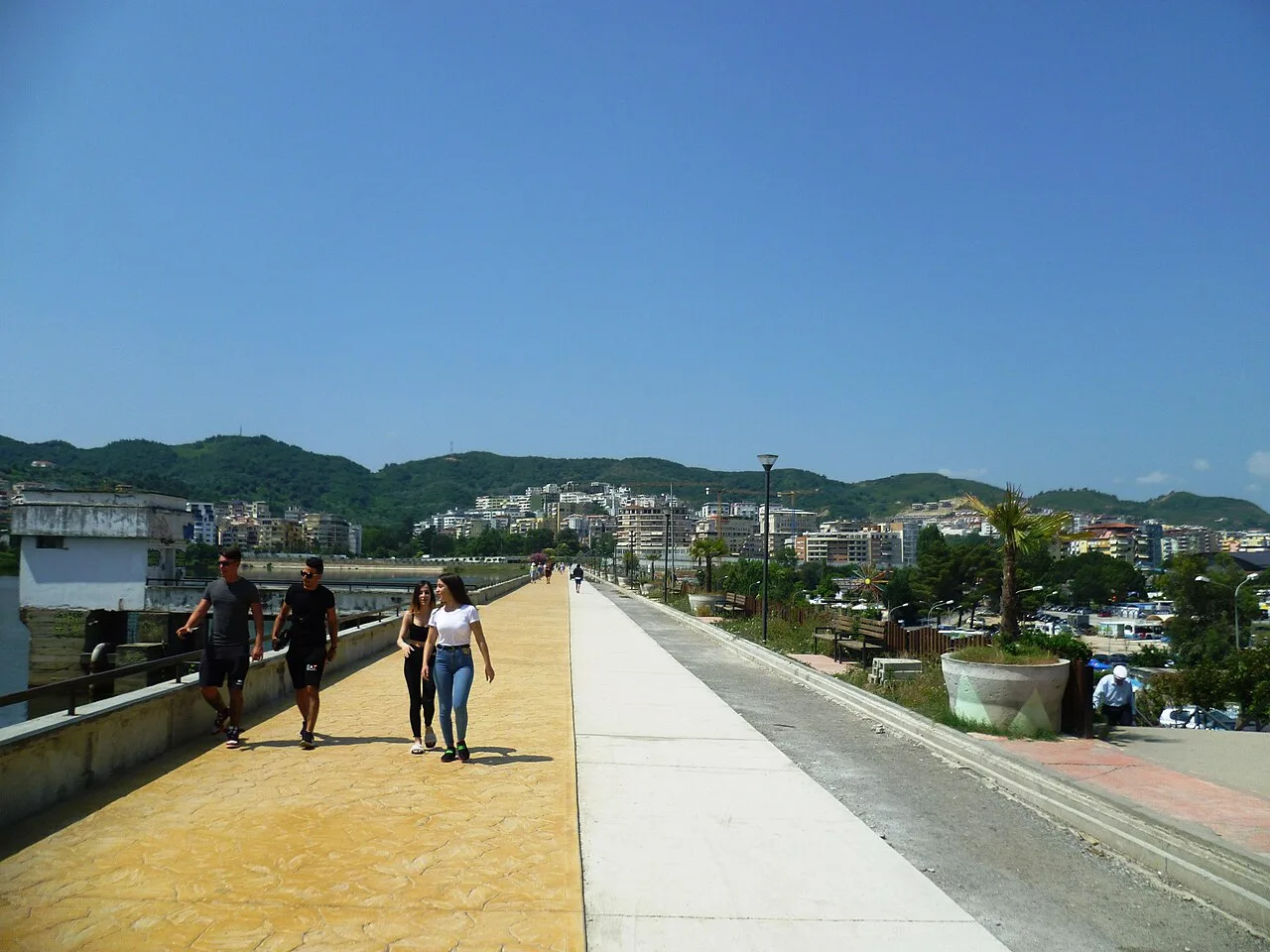
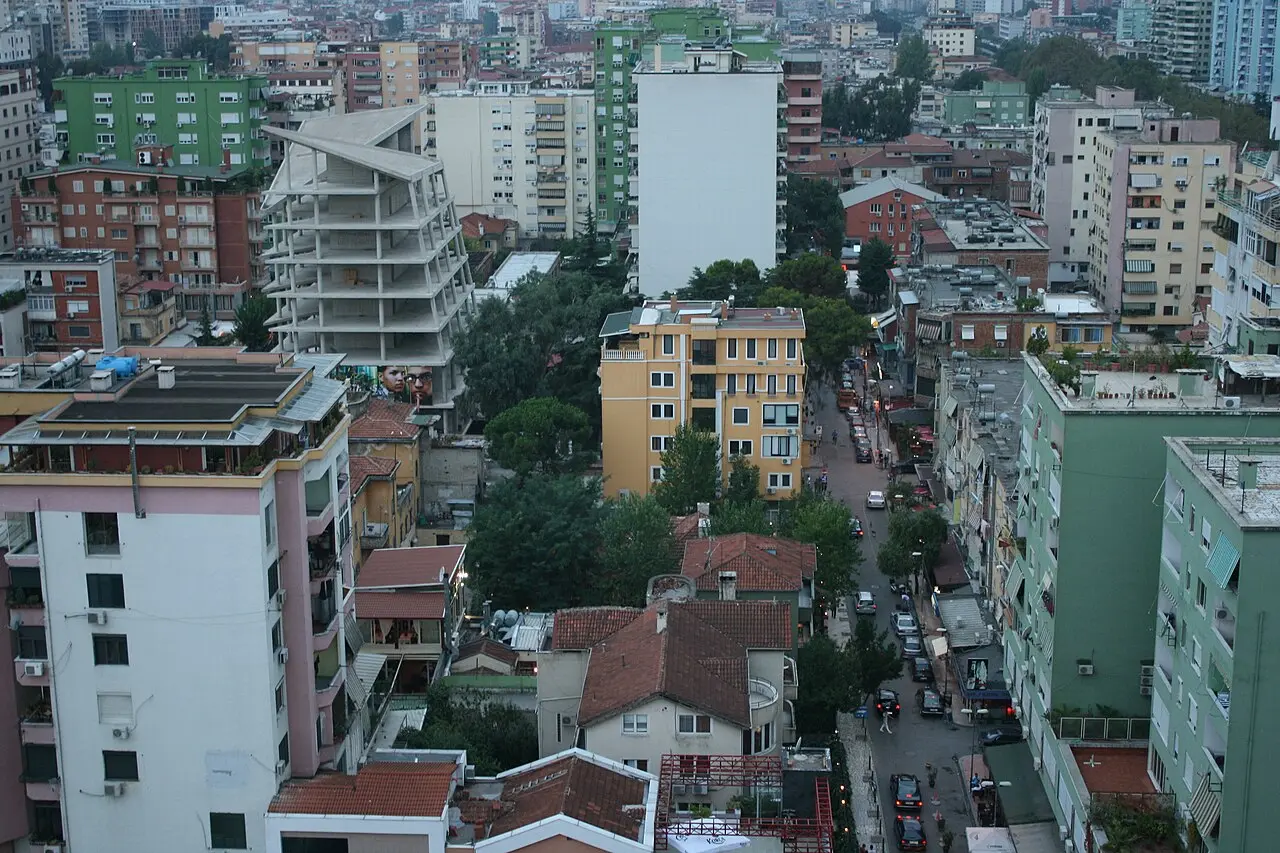
A year gives you the luxury of not rushing, so pick a base that suits how you actually want to live rather than a spot that photographs well. Tirana is the practical default: it has the flights, the coworking, the clinics, the international food, a fast-growing cafe scene and the widest choice of medium-term apartments. If you’re working remotely, it’s the easiest landing, and our Tirana long-stay and nomad guide digs into neighbourhoods and monthly rentals.
The coast - Saranda, Vlora, the Riviera towns - is the tempting alternative, and it’s glorious from roughly May to October. The honest caveat is that the southern beach towns empty out and half-shut in winter, so a year-round coastal base means accepting a quiet, wind-blown off-season. A common play is to split the year: coast for the warm months, Tirana when the beach towns close down. For choosing a town, start with where to stay in Albania, and budget the whole thing with our cost of living in Albania breakdown - one of the main reasons Americans use the full year is how far the dollar stretches here.
Why this beats the Schengen 90/180 rule
For context on why the Albania year is such a draw: most of Europe boxes Americans into the Schengen rule of 90 days within any 180, after which you are out for 90. That’s fine for a holiday and frustrating for anyone who wants to slow-travel or test-drive living abroad. Albania isn’t in Schengen, so its clock is entirely separate - the days you spend here do not touch your Schengen allowance at all.
That combination is the real appeal: a low-cost country where you can legally sit still for a year, keep your Schengen days in reserve for trips to Italy or Greece, and decide at a relaxed pace whether you want to make it more permanent. For travellers doing a longer Balkans loop, Albania becomes the anchor you can always return to. And if you do want the rest of the region, our neighbouring guide covers the Corfu ferry from Saranda for an easy hop to Greece.
If you want to stay longer than a year
Past the 365 days, the tourist route ends and you switch to a residence permit (retirees have a pensioner permit of their own). Per travel.state.gov, you can apply once you are in the country, at the Regional Directorate of Border and Migration Police that covers where you live. Albania has also built out a formal digital nomad / unique permit track aimed at remote workers who want to stay properly - the details, costs and current status are in our digital nomad visa guide, which is the page to read if a year isn’t going to be enough.
For the full picture of who needs what across every nationality - the UK, EU, e-Visa cases and the seasonal schemes - see our main Albania visa and entry guide. This page is the American-specific deep dive; that one is the map for everyone else.
The short version
- You get up to one year visa-free as a US citizen, no residence permit, granted on arrival (travel.state.gov).
- Passport valid 3+ months, issued within ten years, two blank pages. No visa, no fee.
- The year does not reset with short trips. To restart it you must leave Albania for at least 90 days (US Embassy).
- It is a stay, not a work permit. Work or study means applying for a residence permit; mind tax residency on a full year.
- Keep your boarding pass as proof of your entry date, since passports often go unstamped now.
- Verify before you rely on any of this - rules change; check travel.state.gov and the embassy for your dates.
Because the finer points - the reset, the tax rules - do move, treat this as your orientation and confirm the specifics with the official sources above before you build a year around them.
Read also

Before you go · 13 min read
Theth vs Valbona: Where to Base in the Albanian Alps
Updated · September 25, 2026Theth vs Valbona in 2026: which Alps valley to base in without the full crossing - access from Tirana, guesthouse costs and crowds compared.

Before you go · 8 min read
Where to Stay in Gjirokaster: Old Town Stone Hotels
Updated · September 3, 2026Where to stay in Gjirokaster: Old Town stone boutiques and guesthouses versus the flat new town - cobbles, parking and what each lodging type really costs.

Before you go · 11 min read
Berat vs Gjirokaster: Which Ottoman Town to Visit?
Updated · September 25, 2026Berat vs Gjirokaster in 2026: white-window Berat is closer from Tirana; stone Gjirokaster fits the south. Compare sights, travel times and who each suits.

Before you go · 11 min read
Where to Stay in Shkodra: Old Town, Lake or Alps Base
Updated · September 25, 2026Where to stay in Shkodra: the Old Town, quiet Zdrale, lakeside Shiroka, or a hiker hostel that runs its own transfer to Theth and the Koman ferry.