Do You Need Cash in Albania? Cards, ATMs & Currency Tips
Cash or card in Albania in 2026: where cards actually work, the cheapest ATMs, how to dodge conversion fees, euros vs lek, and how much to tip.
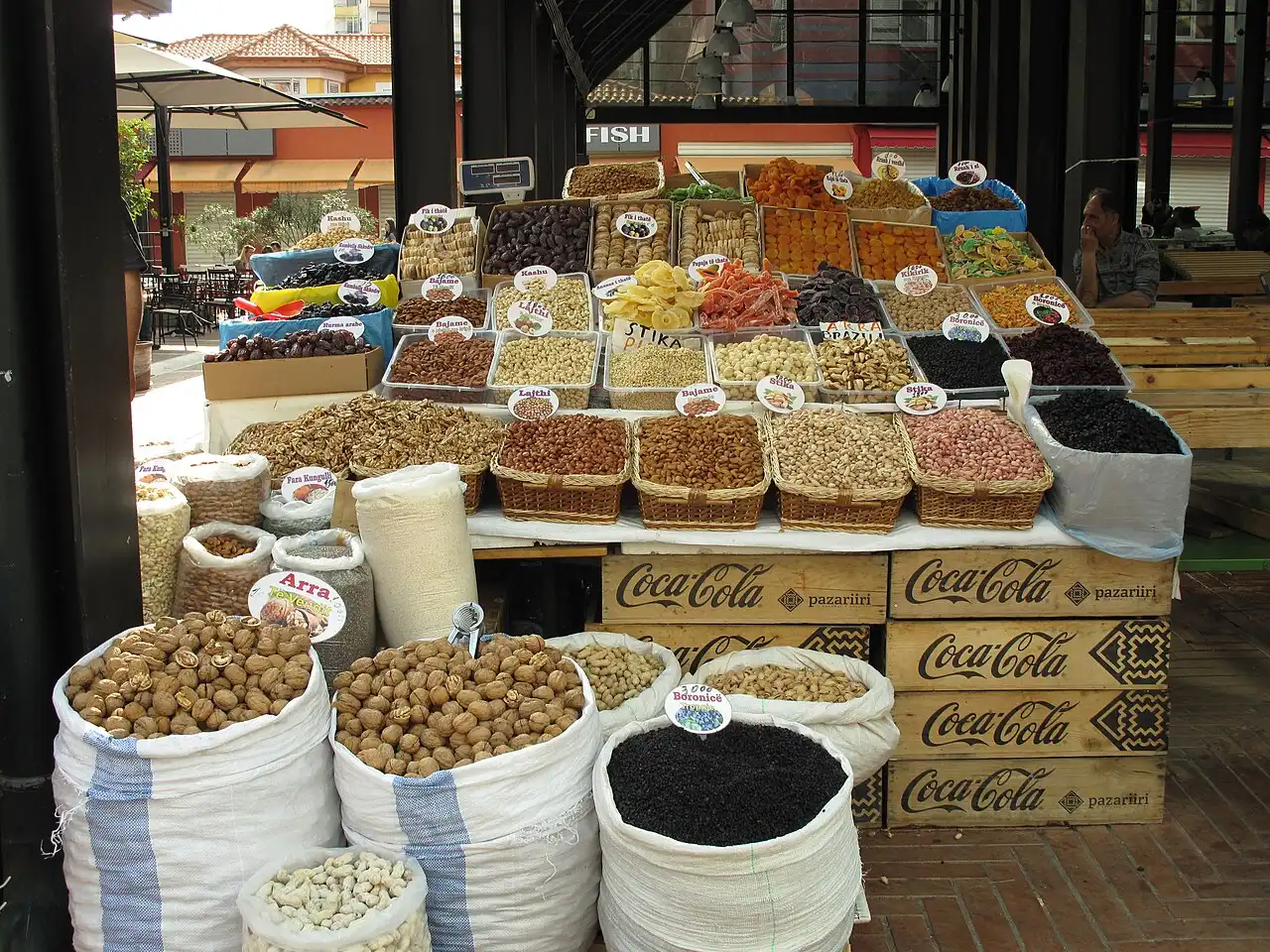
You need both, but you need cash more than most guides admit. Albania is still a cash-first country: cards work fine in city hotels, bigger restaurants and supermarkets, but the furgon driver, the mountain guesthouse, the beach kiosk and the market stall all want lek in hand. The honest rule is to carry enough cash for a day or two of small spending, keep a card for the big card-friendly things, and pull that cash out in the way that costs you least, because the ATMs here have a habit of skimming a few euros off every withdrawal.
This guide is about the mechanics of paying, not how much a trip costs. If you want daily budgets and trip totals, that lives in our Albania travel budget guide. Here the focus is narrow and practical: where your card is accepted, how to draw cash without overpaying, whether to bother with euros, and what to leave as a tip.
The currency, and the trick that catches everyone
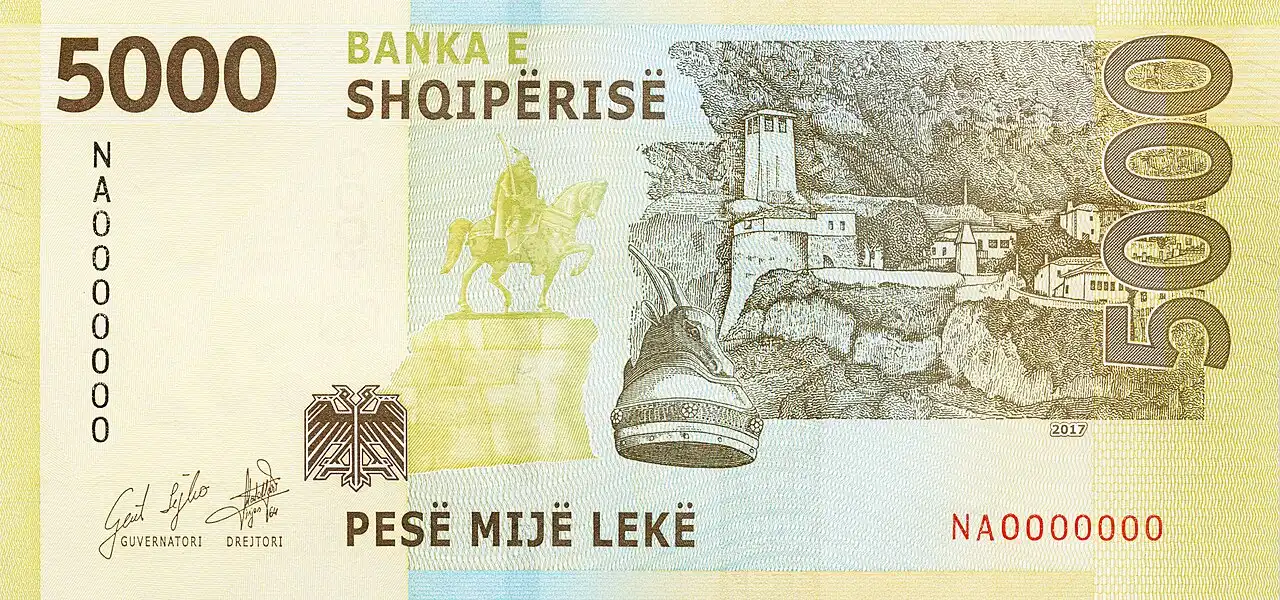
The currency is the Albanian lek (ALL). Notes run 200, 500, 1,000, 2,000, 5,000 and 10,000 lek; coins go up to 100. In mid-2026 you get roughly 93 to 94 lek to the euro and about 81 to the US dollar (Bank of Albania official rate, 3 August 2026), so the old traveller shorthand of “100 lek to a euro” now slightly overpays you in your head. The lek has quietly strengthened over the last few years, so check the day’s rate rather than trusting a guidebook from 2021.
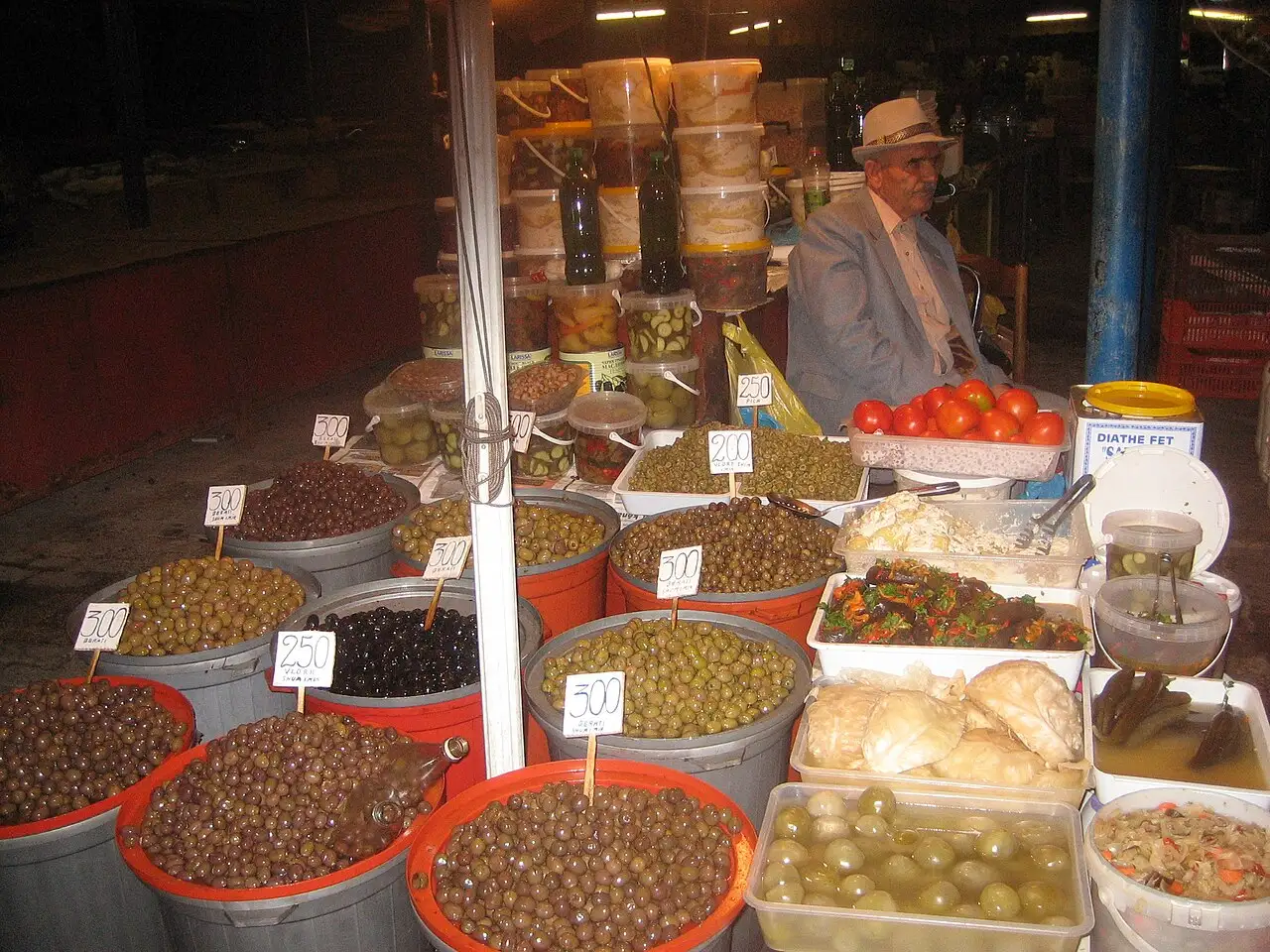
Now the trick that trips up almost every first-timer: the “old lek.” Until a 1965 revaluation the lek was worth a tenth of today’s, and older Albanians, market traders and some taxi drivers still quote prices in that old money out of habit. So when someone says “three thousand” for a bag of tomatoes, they usually mean 300 lek, not 3,000. If a price sounds like it has an extra zero, it probably does. Confirm the figure, ideally by having it typed into a phone or pointed at on a note, before you hand anything over. It’s rarely a scam, just a linguistic hangover, but it can turn a cheap coffee into an argument.
Where your card actually works
Cards, and Visa and Mastercard in particular, are now genuinely normal across the parts of Albania a tourist spends most in. You can tap or dip in city and resort hotels, mid-range and upper restaurants, supermarkets like Spar and Conad, shopping malls, pharmacies, car-rental desks and most established shops in Tirana, Durres and the coastal towns. Contactless is widespread wherever a terminal exists; Apple Pay and Google Pay work in a growing minority of places but aren’t something to rely on. American Express is widely useless here, so bring a Visa or Mastercard as your main plastic.
There’s one place a card isn’t just accepted but effectively required: the car-rental counter. Almost every agency wants to freeze the security deposit on a credit card in the main driver’s name, and a debit card will often get you turned away or pushed toward an expensive cash deposit. If you plan to drive, travel with a real credit card, as our guide to renting a car in Albania explains in detail.
Where it is cash or nothing
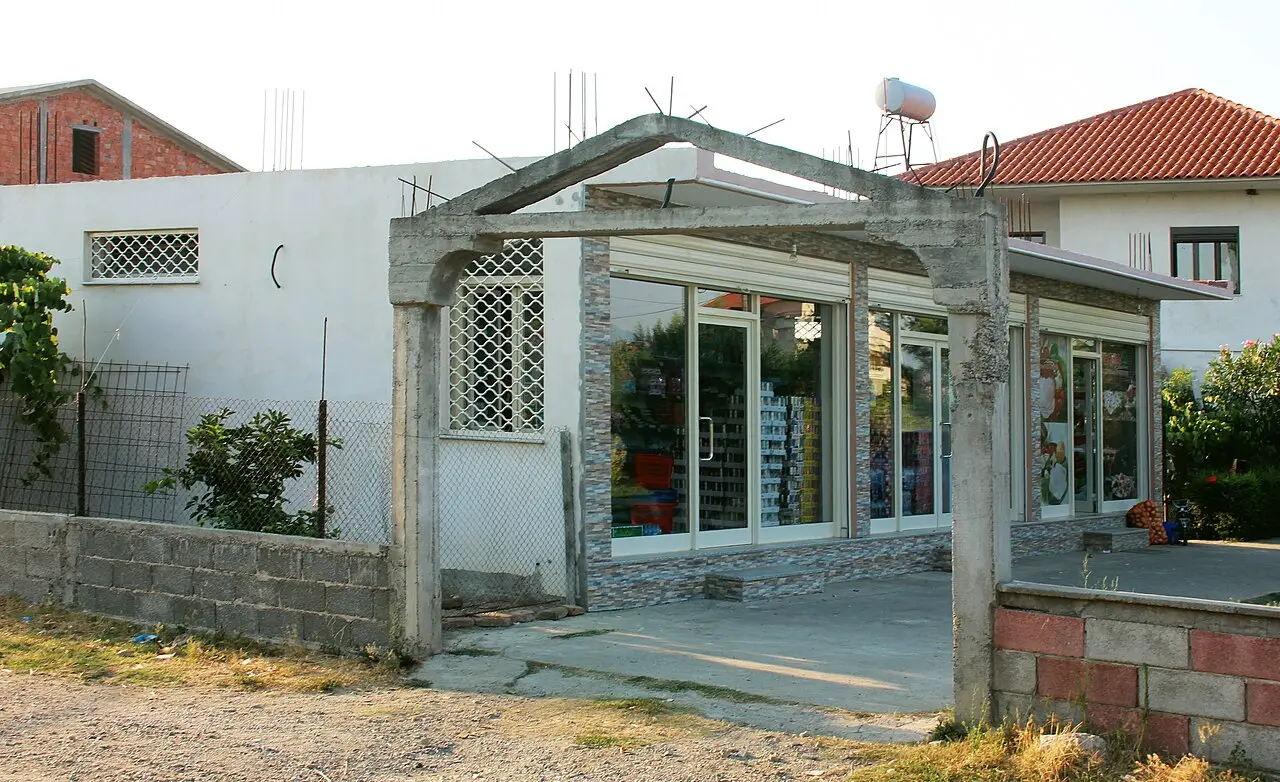
Step off the main tourist track and the terminals vanish. Plan to pay cash for furgons (the shared minibuses) and city buses, most taxis, family-run guesthouses, the New Bazaar and every farmers’ market, bakeries, small cafes and bars, street food, parking meters, small museum and castle entries, and just about everything in villages and the mountains. Tips are cash too. The single most important case is the northern Alps. There’s no ATM in Theth or Valbona, so if you’re heading up for the Theth to Valbona hike, draw several days of cash in Shkoder first, because the guesthouses, the Koman ferry ticket and the trailhead cafes all run on notes.
The ATM game: how to lose the least
Getting lek is easy. Getting it cheaply takes two habits. Nearly every Albanian ATM charges foreign cards a flat access fee, usually somewhere between 500 and 800 lek per withdrawal, most often around 700, and there’s essentially no fee-free machine for a foreign card in the country. On top of that your own bank may add a foreign-transaction fee, so a careless withdrawal can cost you the equivalent of five to ten euros before you’ve spent a lek.
Two moves fix most of the damage:
- Pick the cheaper bank and withdraw larger amounts, less often. Union Bank and ABI Bank machines tend to sit at the low end, around 500 lek, while the worst offenders are the standalone Euronet ATMs (the blue-and-yellow ones clustered in tourist areas), which combine high fees with a pushy conversion screen. Since the fee is flat, one 40,000 lek withdrawal costs a fraction of four 10,000 ones. Many bank ATMs cap a single withdrawal somewhere around 30,000 to 40,000 lek, though some allow more.
- Always refuse the conversion. When the machine offers to bill you “in your home currency” or shows a helpful-looking rate in euros or pounds, say no and choose to be charged in lek. That screen is dynamic currency conversion, and it lets the machine set the exchange rate instead of your bank, quietly adding anywhere from about 4 to 13 percent. Declining it, every single time, on ATMs and on card terminals in shops, is the biggest money-saver in this whole guide.
A travel card such as Revolut, Wise or Monzo helps on the conversion side, because it gives you a near-interbank rate and no home-bank markup. But it doesn’t dodge the Albanian machine’s own flat access fee, and you should still choose lek at the prompt. Use it as your everyday card, not a magic wand. Staying for months and paying rent or utilities locally is a different problem - that is when opening a bank account in Albania stops being optional.
Should you bring euros?
You don’t need to, but a small euro float does no harm. Some coastal hotels and tour operators will quote or accept euros, though usually at a rate that favours them, so paying in lek is almost always cheaper. Where euro cash earns its place is as a backup you exchange on arrival: licensed exchange offices, common in every town centre, give close to the official rate with little or no commission, and beat both airport desks and hotel receptions. Avoid anyone changing money on the street. US dollars are less useful and are best swapped at an exchange office rather than spent directly. As a rule, land with enough euros to get a taxi and a meal, change a modest amount, then let the ATM do the rest.
Tipping: normal, modest, and in cash
Tipping in Albania is appreciated rather than expected, and there’s usually no automatic service charge, though it is worth a glance at the bill in heavily touristy restaurants. Keep it simple and keep it in cash, because a tip added to a card payment rarely reaches the person who served you.
- Restaurants: in tourist-area places, rounding up to 5 to 10 percent is a comfortable norm; in everyday local spots, leaving the coins or rounding the bill up is plenty. A 1,200 lek taverna bill becomes 1,300; a 5,000 lek dinner, 5,500.
- Cafes and bars: drop your small change or round to the next 100 lek.
- Taxis: round the fare up to the nearest 100 lek. A 750 lek ride becomes 800.
- Hotels: around 200 lek, or a euro or two, per night for housekeeping, and roughly a euro a bag for a porter at the bigger places.
- Guides and drivers: a private guide or driver who has made your day is worth 5 to 10 euros per person for a full day, more for a small private tour. This is where a tip is genuinely felt.
A few habits that keep it painless
None of this is hard once you settle into it. Break big notes early, because a 5,000 spat out by an ATM is awkward at a bakery. Keep a stash of small notes and coins for taxis, tips and the furgon. Draw cash in a town before heading rural, and draw a proper amount before the mountains, where there’s no machine at all. Refuse conversion everywhere. And don’t over-withdraw at the end of a trip, since changing leftover lek back outside Albania is difficult and poorly rated, so aim to spend down to a small remainder. A few of the same tricks feature in our rundown of common tourist scams in is Albania safe, which is worth a look before you go.
Do that and the money side of an Albania trip more or less disappears into the background. Carry lek for the small stuff, tap a card for the big card-friendly stuff, say no to every conversion screen, and keep the mountains stocked with notes. For the bigger picture of what a trip actually costs, read our Albania travel budget next, see whether the country still counts as a bargain in is Albania expensive, or skim the 20 things to know before visiting Albania for the rest of the practicalities. And before you fly, sort your mobile data with our best eSIM for Albania guide, since Albania sits outside the EU roaming zone and your home SIM will otherwise roam at a premium.
Read also

Before you go · 13 min read
Theth vs Valbona: Where to Base in the Albanian Alps
Updated · September 25, 2026Theth vs Valbona in 2026: which Alps valley to base in without the full crossing - access from Tirana, guesthouse costs and crowds compared.

Before you go · 8 min read
Where to Stay in Gjirokaster: Old Town Stone Hotels
Updated · September 3, 2026Where to stay in Gjirokaster: Old Town stone boutiques and guesthouses versus the flat new town - cobbles, parking and what each lodging type really costs.

Before you go · 11 min read
Berat vs Gjirokaster: Which Ottoman Town to Visit?
Updated · September 25, 2026Berat vs Gjirokaster in 2026: white-window Berat is closer from Tirana; stone Gjirokaster fits the south. Compare sights, travel times and who each suits.

Before you go · 11 min read
Where to Stay in Shkodra: Old Town, Lake or Alps Base
Updated · September 25, 2026Where to stay in Shkodra: the Old Town, quiet Zdrale, lakeside Shiroka, or a hiker hostel that runs its own transfer to Theth and the Koman ferry.