Italy to Albania Ferry 2026: Routes, Times & Fares
Ferries from Italy to Albania 2026: Bari and Ancona to Durres, Brindisi to Vlore, foot fares from EUR 35, crossing times, car prices and booking.
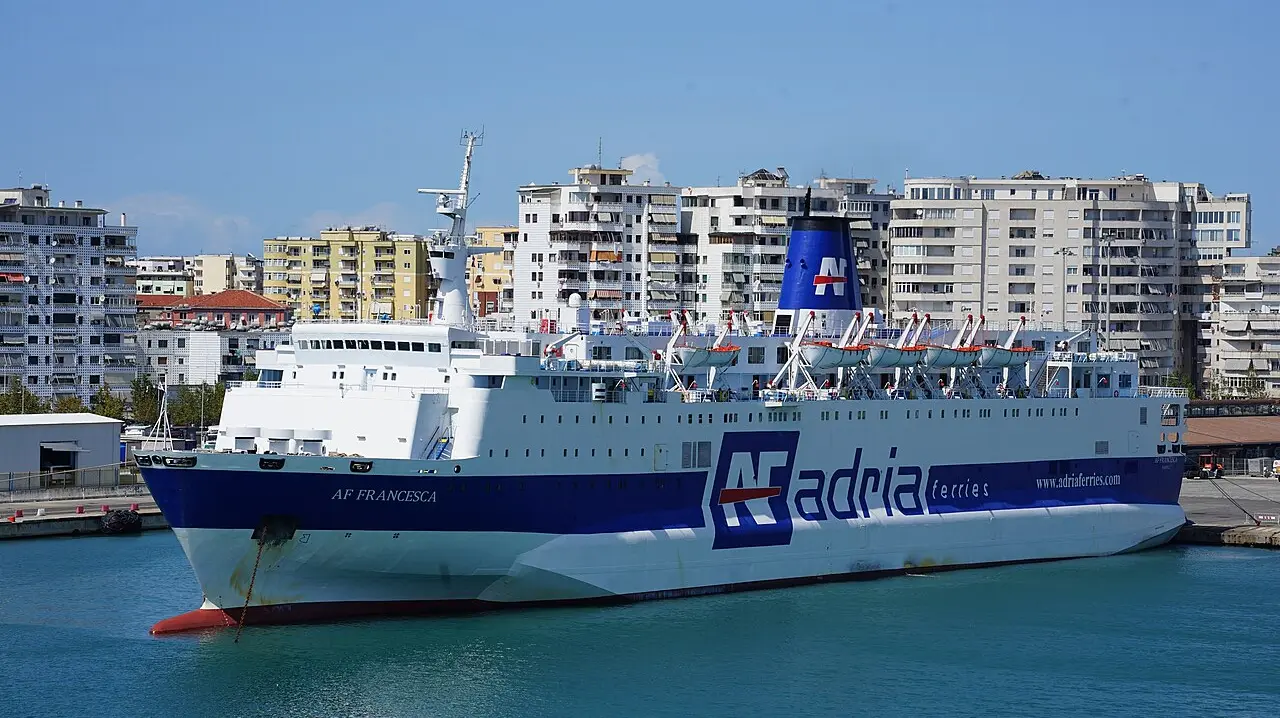
Ferries from Italy to Albania run on three main routes: Bari to Durres (about 8.5-10 hours), Ancona to Durres (a long 16-19 hours), and Brindisi to Vlore (the shortest, roughly 5-8 hours). The Bari and Ancona crossings run year-round; Brindisi to Vlore is busiest in summer. Foot-passenger fares start around EUR 35-55 depending on route and season, and you can bring a car on all of them. There’s no ferry to Saranda, so for the far south you arrive at Durres or Vlore and drive on.
Schedules, durations and fares below were checked in July 2026 against the ferry booking platforms and operator listings. Crossing times vary by vessel and prices swing hard with season and how early you book, so treat the figures as ranges, book ahead for July and August (especially with a car or a cabin), and confirm the live timetable before you travel.
The three routes at a glance
All three cross the Adriatic and all three take cars, motorbikes and campers as well as foot passengers. Which one you pick usually comes down to where you are in Italy and how much sea time you’ll tolerate.
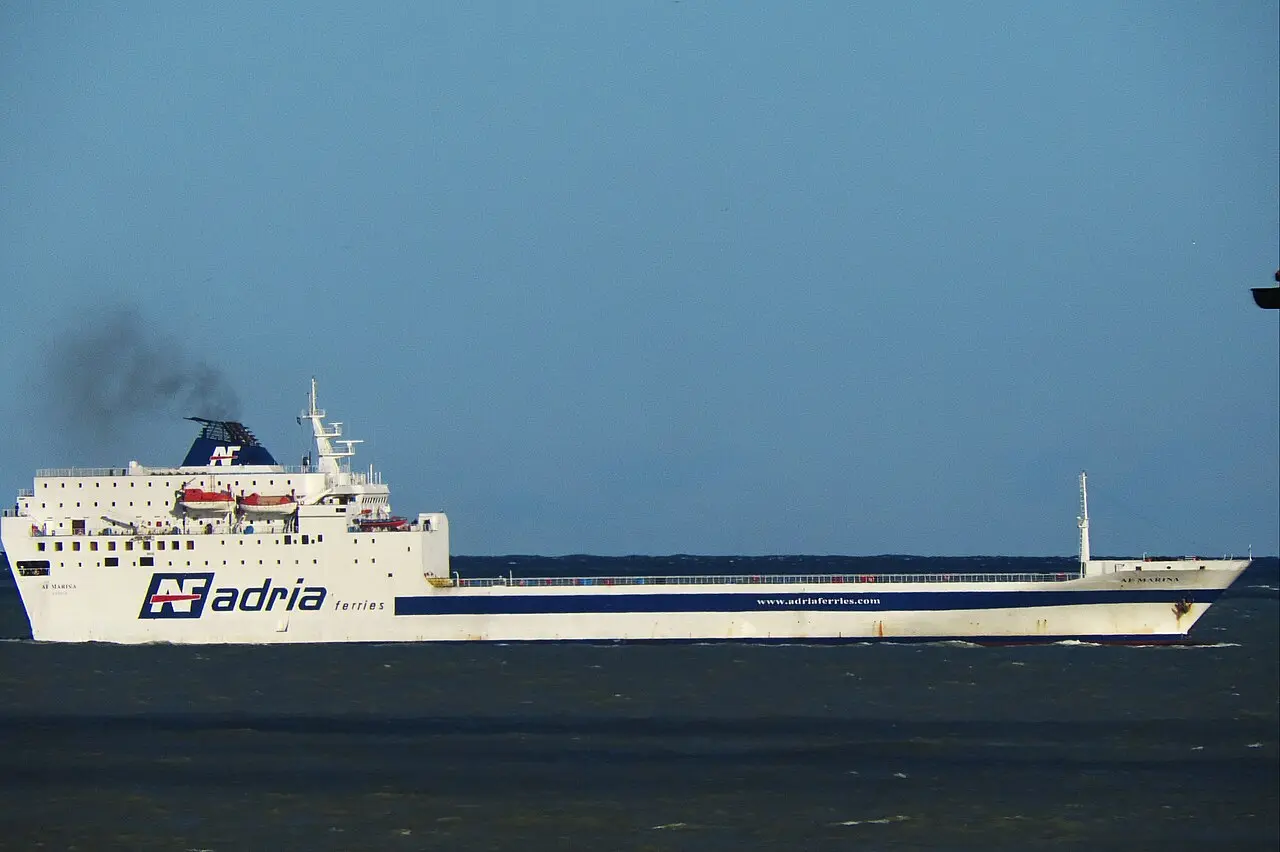
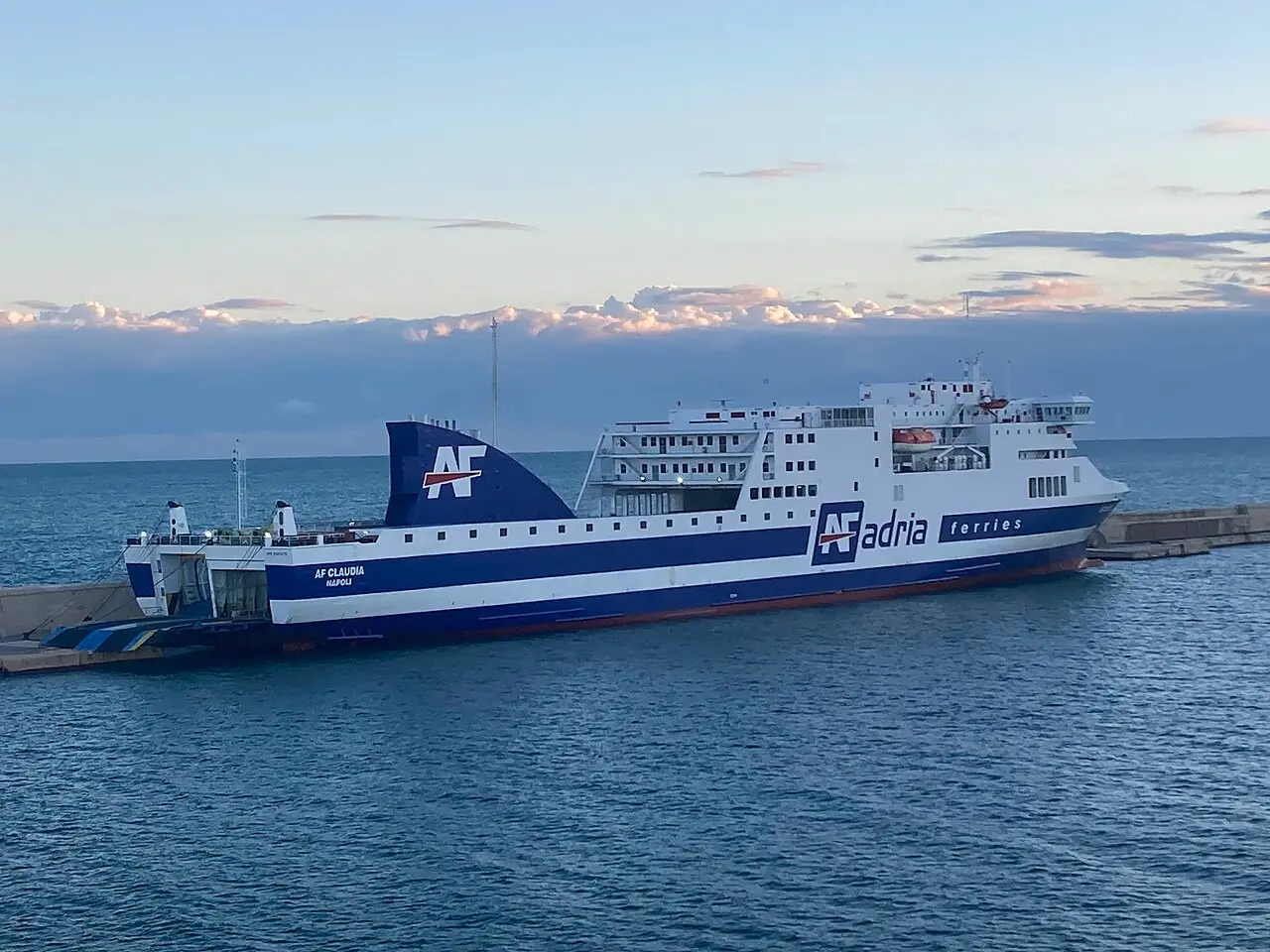
Bari to Durres is the workhorse. It runs all year, with the most departures of any route - somewhere around a dozen crossings a week, up to three or four a day in peak summer - and the crossing takes roughly 8.5 to 10 hours, usually overnight. The route is operated by Grandi Navi Veloci (GNV), Ventouris Ferries and Adria Ferries, so you’ve got real choice of sailing times and price. This is the default for most travellers landing in central Albania.
Brindisi to Vlore is the quick one. The distance is shortest, so the crossing is the fastest - anywhere from about 5 hours up to 7 or 8 depending on the ship, with fast vessels at the lower end. It runs roughly six days a week (no Sunday sailing on most timetables), heaviest in summer, operated by lines including European Ferries, Red Star and A-Ships Management / Starlines. If you’re already in Puglia’s heel and heading for the southern coast, this drops you straight at Vlore, the gateway to the Riviera.
Ancona to Durres is the long haul for travellers coming from further north in Italy. Adria Ferries runs it year-round, with up to seven departures a week in summer, but the crossing is a serious 16 to 19 hours - an overnight-plus sailing where a cabin makes a real difference. You pay for the distance: fares start higher here, but it saves a long drive down the length of Italy to Bari.
Bari to Durres: the default crossing
If you’re not sure which to take, this is usually it. Bari is well connected by train and motorway, the timetable is the densest, and Durres puts you 35 km from Tirana and within reach of the whole country - and if you’ve time to spare on landing, the port city itself has a Roman amphitheatre and old town worth an afternoon (our Durrës travel guide has the details). Most sailings are overnight: a typical service leaves in the evening and arrives the next morning, so you trade a night’s hotel for a night at sea. On the reverse leg, the overnight ferry from Durres has left around 22:00 and reached Bari about 08:00, which gives you a sense of the timing.
Fares depend entirely on when you book and what you book. A foot passenger with a numbered seat starts around EUR 35-55; a bed in a shared cabin runs roughly EUR 65-75, and a private cabin from about EUR 100 upward, climbing in August. Bringing a car adds substantially more on top - vehicle space is limited and sells out first - so if you’re driving, book early. Each operator sets its own luggage allowance for foot passengers (GNV is generous, Adria Ferries tighter), worth checking if you’re loaded down.
Brindisi to Vlore: the short hop south
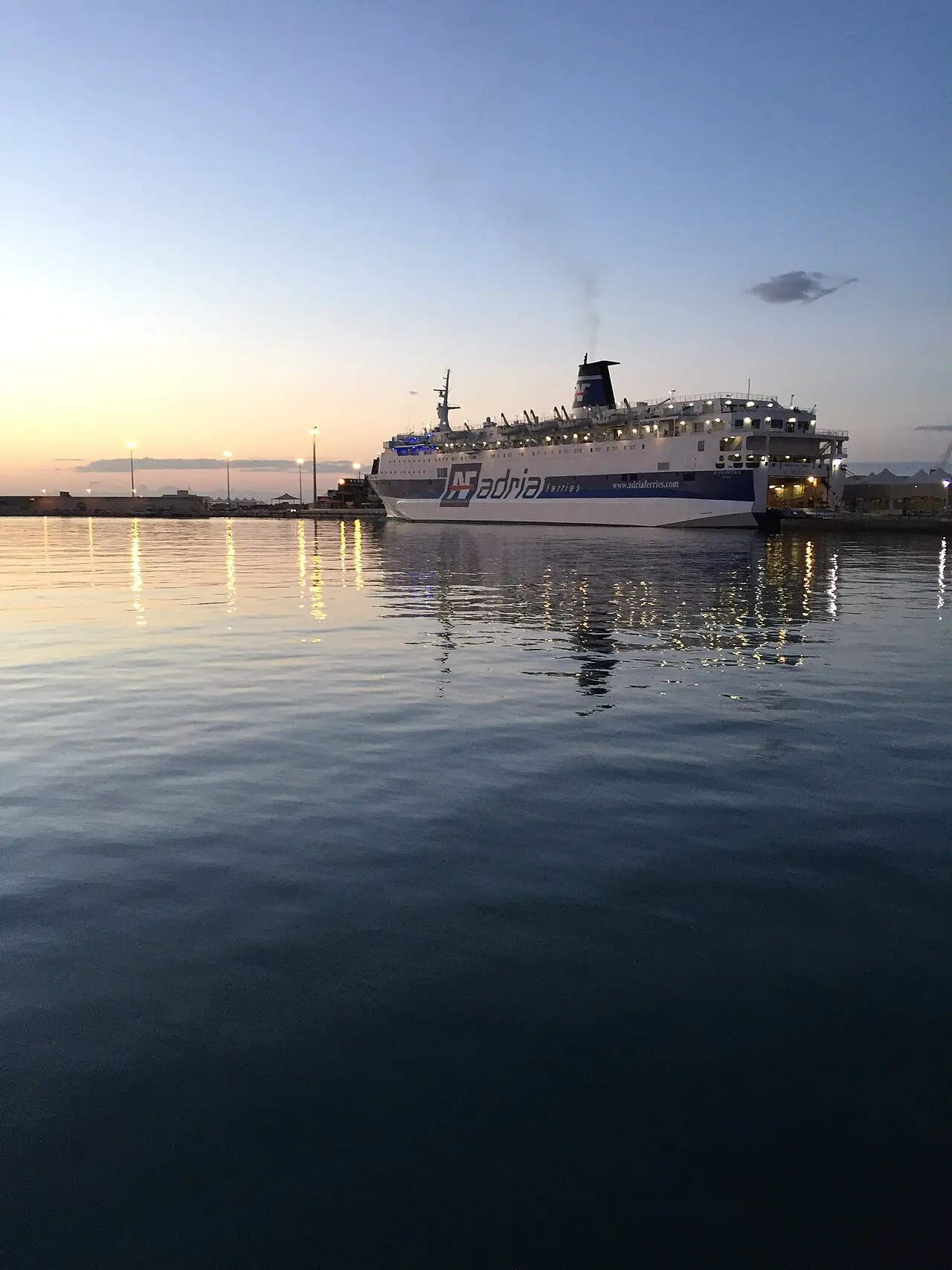
Brindisi to Vlore is the route to choose if your target is the Albanian Riviera rather than Tirana. It’s the shortest crossing of the three and lands you at Vlore, where the coast road south toward Himare, Dhermi and Saranda begins. Foot fares start low - often quoted from around EUR 31-45 one way - with cars again costing a good deal more. The trade-off is frequency and season: sailings thin out sharply outside summer, and there’s usually no Sunday service, so it’s less of a turn-up-and-go option than Bari. Check the calendar before you commit to a date.
Ancona to Durres: long but useful from the north
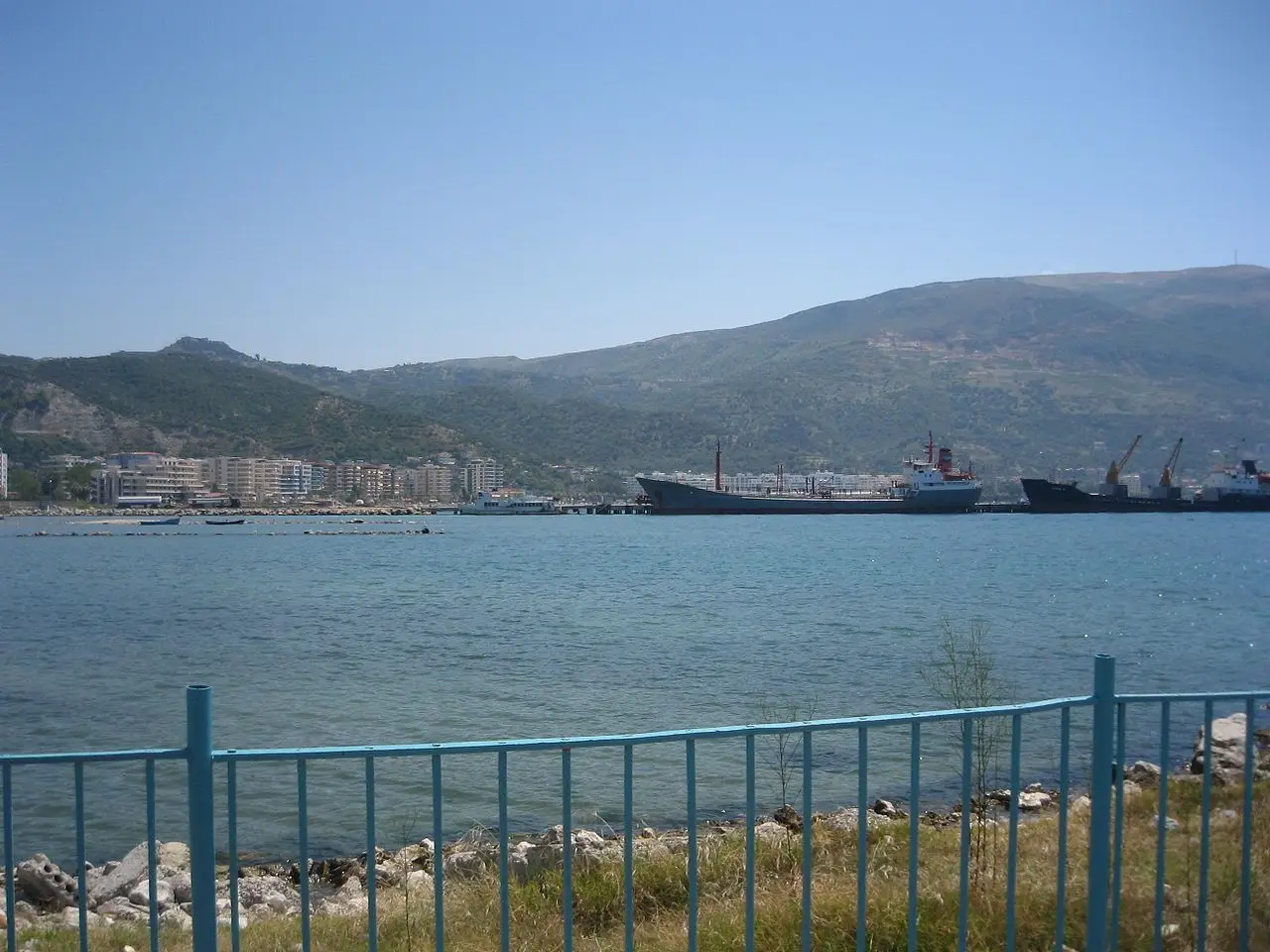
For travellers in central or northern Italy, the Ancona route can be worth the extra hours at sea precisely because it spares you the drive south to Puglia. Adria Ferries runs it through the year, ramping up to roughly seven sailings a week in summer, and the crossing of 16 to 19 hours means you’ll be aboard for a full night and then some. Fares start from around EUR 78 for the basic ticket and rise steeply for cabins and vehicles. Because you’re effectively living on the ship, a cabin rather than a deck seat is the sensible choice on this one.
Foot passenger or car?
The big decision is whether to bring a vehicle. Going as a foot passenger is cheap and simple: you walk on, take a seat or a cabin, and pick up local transport at the other end. Durres has frequent buses and furgons to Tirana and the south, so you’re not stranded - the broader network is covered in how to get around Albania, and the quick run from the port up to the capital is in the Tirana to Durres guide.
Bringing a car changes the trip. It’s how a lot of road-trippers from Western Europe do Albania, because a vehicle unlocks the mountains and the quieter coast that buses barely reach. But car spaces are the first thing to sell out, the fare jump over a foot ticket is significant, and you’ll want to confirm your insurance covers Albania (a Green Card extension is usually needed). If you don’t bring one, hiring locally once you land is often cheaper than ferrying your own across - worth pricing both ways.
Booking and boarding: how it actually works
A few practical things smooth the crossing. Book online ahead of time through a ferry aggregator or the operator’s own site, especially in summer and especially with a car or cabin - these sell out before deck seats do, and early-bird fares are noticeably cheaper. Prices are dynamic, so the same sailing can cost very different amounts depending on the week you look.
At the port, arrive early - an hour or two before departure for foot passengers, more with a vehicle. You collect a boarding pass at the operator’s desk before passing through the exit immigration check, and you’ll need your passport (the crossing is an international border, even though Albania is visa-free for most Western visitors - the rules by nationality, and the passport validity Albania actually requires, are in our Albania visa and entry requirements guide). On board, overnight ferries have seats, cabins, a bar and a basic restaurant; bring water, snacks and motion-sickness tablets if you’re prone, because the Adriatic can get choppy and onboard prices are not cheap.
Which route should you take?
Match the crossing to your destination and your tolerance for sea time. Heading for Tirana or central Albania, take Bari to Durres - most frequent, year-round, an easy overnight. Aiming straight for the Riviera and the south, take Brindisi to Vlore for the shortest crossing, accepting that it’s seasonal. Coming from northern Italy and not keen on the long drive to Puglia, Ancona to Durres trades a long night at sea for the saved miles. Whichever you choose, book early in summer, bring your passport, and decide the car question before you pay.
For the wider arrival picture - flights, the Corfu link and cross-border buses as alternatives to the ferry - see how to get to Albania, and if Greece is part of your trip there’s the short Saranda to Corfu ferry at the southern end.
Sources and how to read the fares
Routes, operators, durations and fares here were checked in July 2026 against ferry booking platforms and operator listings, cross-referenced across several aggregators because no single source holds every sailing. Fares are given as “from” figures and ranges because ferry pricing is dynamic - it shifts with season, demand, cabin class and vehicle, and the cheapest advertised price rarely matches a peak-summer booking. Use the numbers to compare routes, then get a live quote for your dates and reconfirm the timetable before you travel.
Read also

Transport · 12 min read
Tirana to Athens: Bus, Flights & the Overland Option
Updated · October 5, 2026Tirana to Athens by bus: 04:00, 15:00 and 17:00 daily, €45 one way and 12-14 hours via Kakavia, or four direct flights a day. Checked 6 Oct 2026.

Transport · 9 min read
Tirana to Podgorica: Bus, Border & Onward to Kotor
Updated · October 5, 2026Tirana to Podgorica: about 160 km and 3.5-4 hours by direct bus via the Hani i Hotit border, two daily lines, then on to Kotor. Times checked 3 Oct 2026.

Transport · 10 min read
Butrint Day Trip from Corfu: Ferry + Site in One Day
Updated · October 4, 2026Butrint from Corfu in a day: a 30-45 min boat to Saranda, 18 km by road, a 1,000-lek ticket. Which boats work in October, November and winter.

Transport · 14 min read
Albania Border Crossings by Car: Queues, Docs & Green Card
Verified · October 2, 2026Albania's 13 customs road crossings: which stay open all night, when queues build, Green Card rules by plate, Kosovo's €15 insurance and EES into Greece.