Durrës Travel Guide: Roman Port, Beach & Ferries
Durrës guide: the Roman amphitheatre, Byzantine walls, Venetian tower, archaeological museum and beach, plus the Italy ferry and day trips from Tirana.
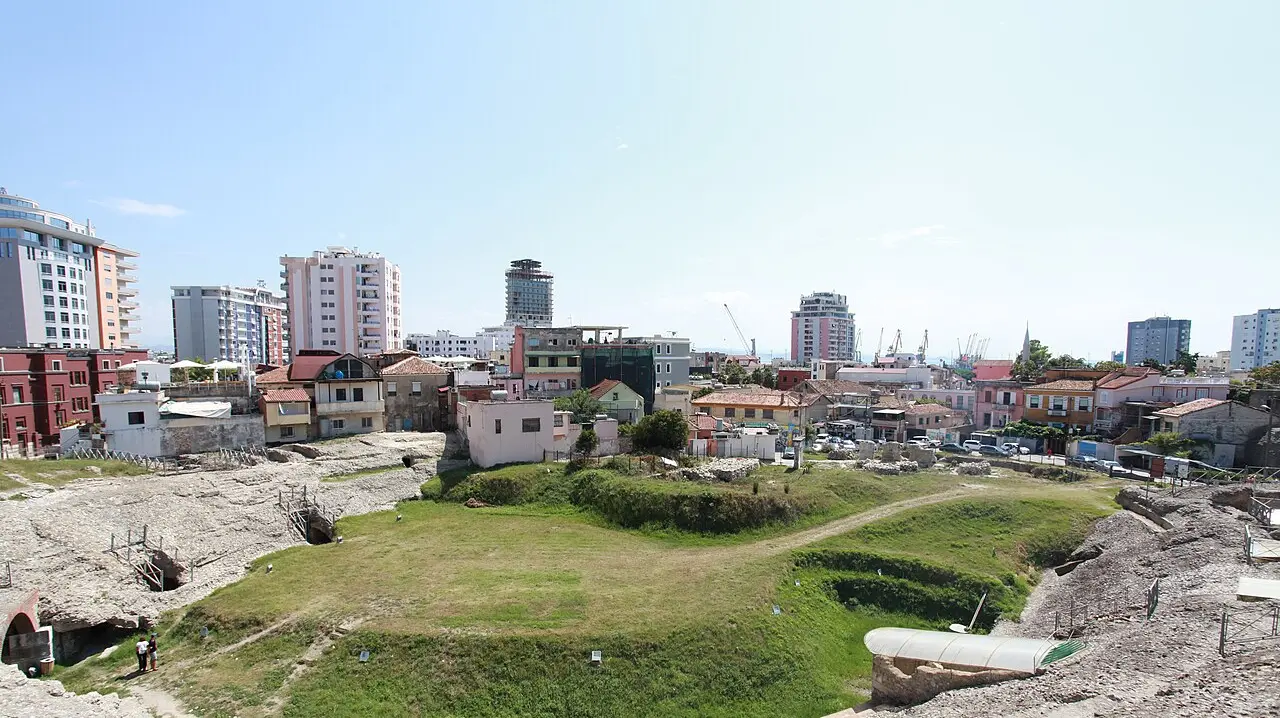
Durrës is Albania’s second city, its biggest port, and the spot where 2,500 years of history sit right under a summer beach. Most of the country’s traffic to and from Italy passes through here, and half of Tirana seems to decamp to its long sandy shore in July - but the reason to stop is the ancient layer underneath: the largest Roman amphitheatre in the Balkans, thick Byzantine walls, a Venetian tower and a freshly restored archaeological museum, all packed into a compact old core a short walk from the ferries.
The pull of Durrës is the contrast: a working Adriatic port and a packed July beach sitting right on top of the largest Roman amphitheatre in the Balkans, with thick Byzantine walls and a Venetian tower a few streets away. That ancient core, not the sand, is the reason to stop.
Is Durrës worth visiting?
Honestly, it depends what you want. If you’re picturing the turquoise coves of the southern Riviera, Durrës will disappoint - its beach is long, sandy and popular, but the sea is Adriatic-grey and the shoreline is a wall of Soviet-era and modern hotels. What Durrës does have, and nowhere else in Albania matches, is a genuinely important ancient city you can walk in an afternoon. The amphitheatre alone justifies the trip.
The smart way to see it’s as a half-day or day trip from Tirana, which is only about 35 km away - the closest coast to the capital. Come for the Roman and Byzantine sights, eat fresh fish by the water, and either head back or push on. If you’re arriving in or leaving Albania by ferry, you’ll pass through anyway, and a few hours in the old town turns a transit stop into something worthwhile.
What to see in Durrës
The historic sights cluster in the old town between the hillside and the port, all within a 15-minute walk of each other. You can see the lot in half a day.
The Roman amphitheatre
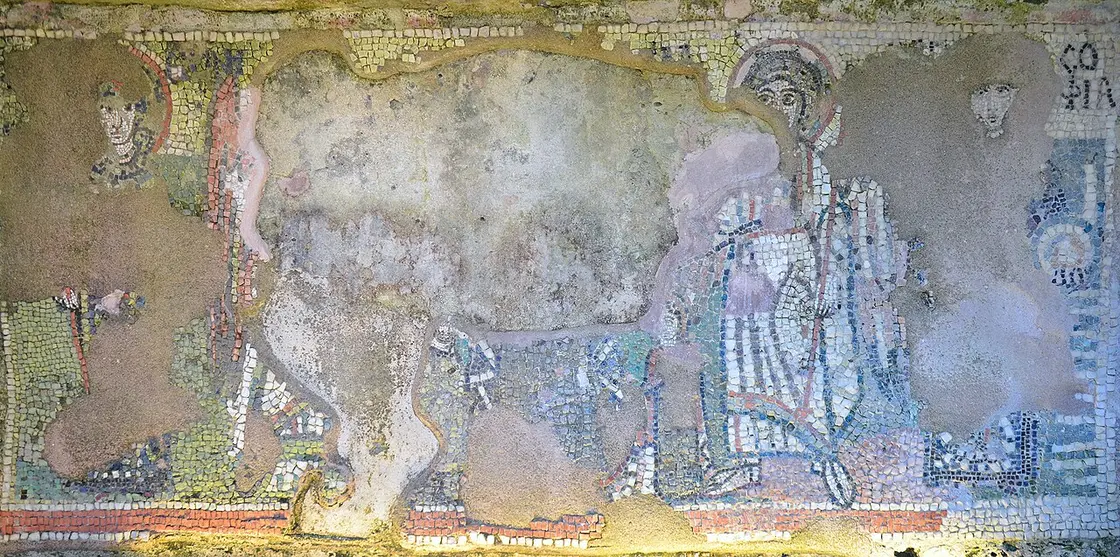
The headline sight is the Amphitheatre of Durrës, the largest Roman amphitheatre ever built in the Balkans. It went up in the early 2nd century AD, under Emperor Trajan, and once seated somewhere between 15,000 and 20,000 spectators for gladiator fights and public spectacles - a scale that tells you how important Roman Dyrrhachium was. The strange thing is how it hides: the modern town grew right over it, and it was only rediscovered in 1966, so a chunk of the ellipse still runs under the houses next door. You climb down into the arena and up the surviving tiers, and tucked into the structure are early Christian chapels with fragments of wall mosaics and frescoes, added centuries later when the arena’s blood sports were long gone. It’s on Albania’s tentative list for UNESCO World Heritage status.
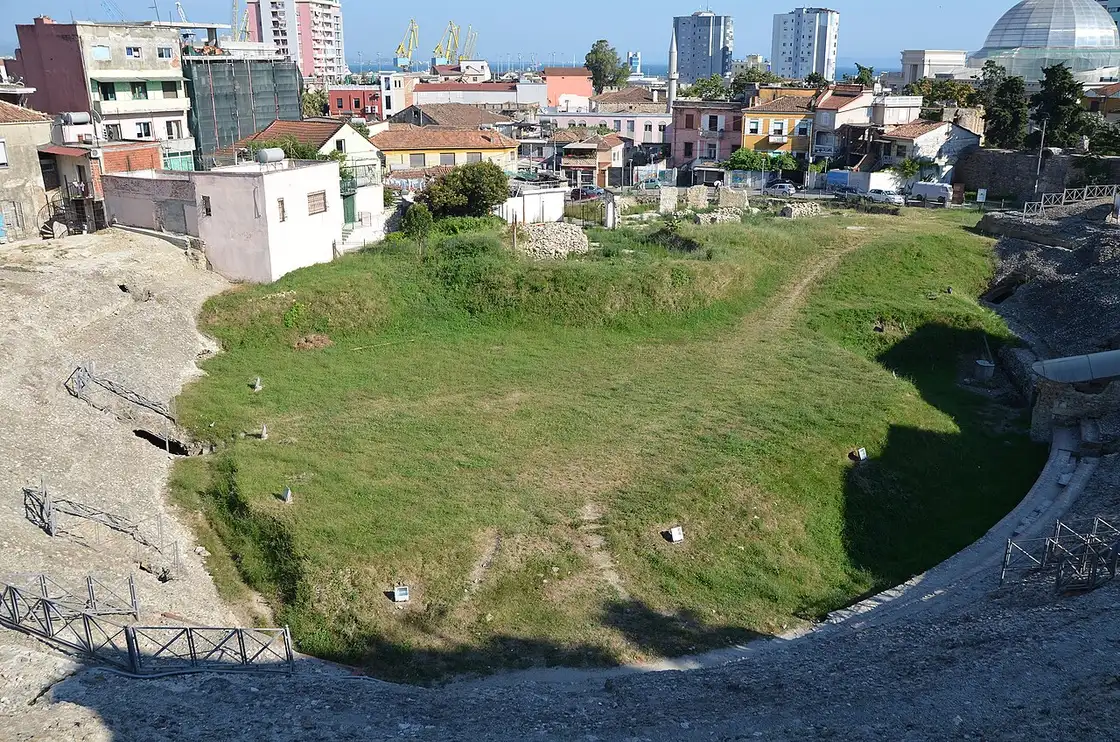
Entry is modest: the culture ministry’s January 2020 tariff lists the amphitheatre at 300 lek, or 200 each in a group, and recent visitors report the same 300 lek. It’s open through the day, with hours that shorten out of season. No current operator page prints the tariff (re-checked 24 August 2026), so confirm at the gate.
The archaeological museum
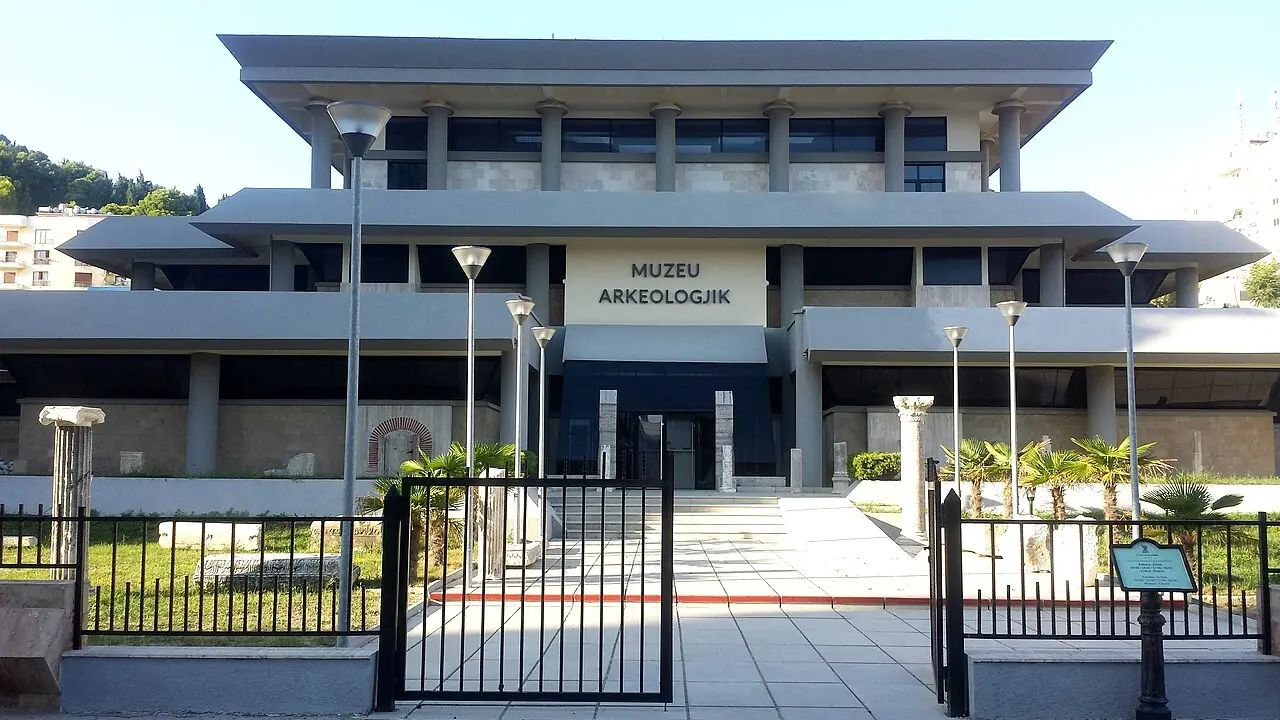
On the seafront, the Durrës Archaeological Museum is the largest of its kind in Albania, holding more than 3,200 objects dug from the ancient city - Illyrian, Greek, Hellenistic and Roman. It reopened in April 2026 after a full EU-funded restoration, so the building and displays are freshly done. This is where the finds from all those ruins around town come together, and it’s the best single hour for understanding just how big and wealthy Dyrrhachium was as a Roman gateway.
The Byzantine walls and Venetian tower
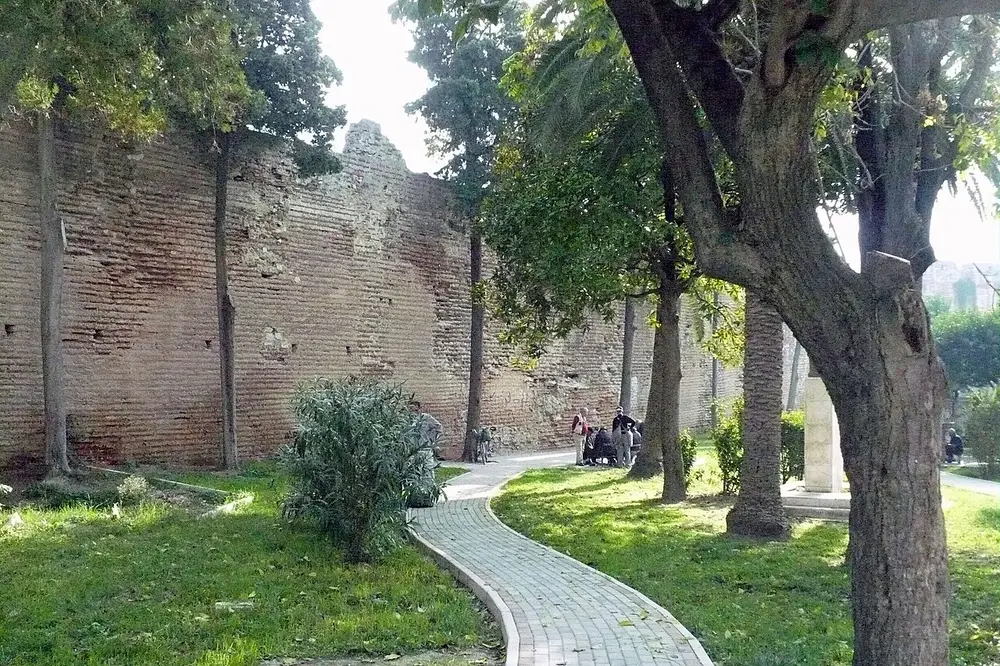
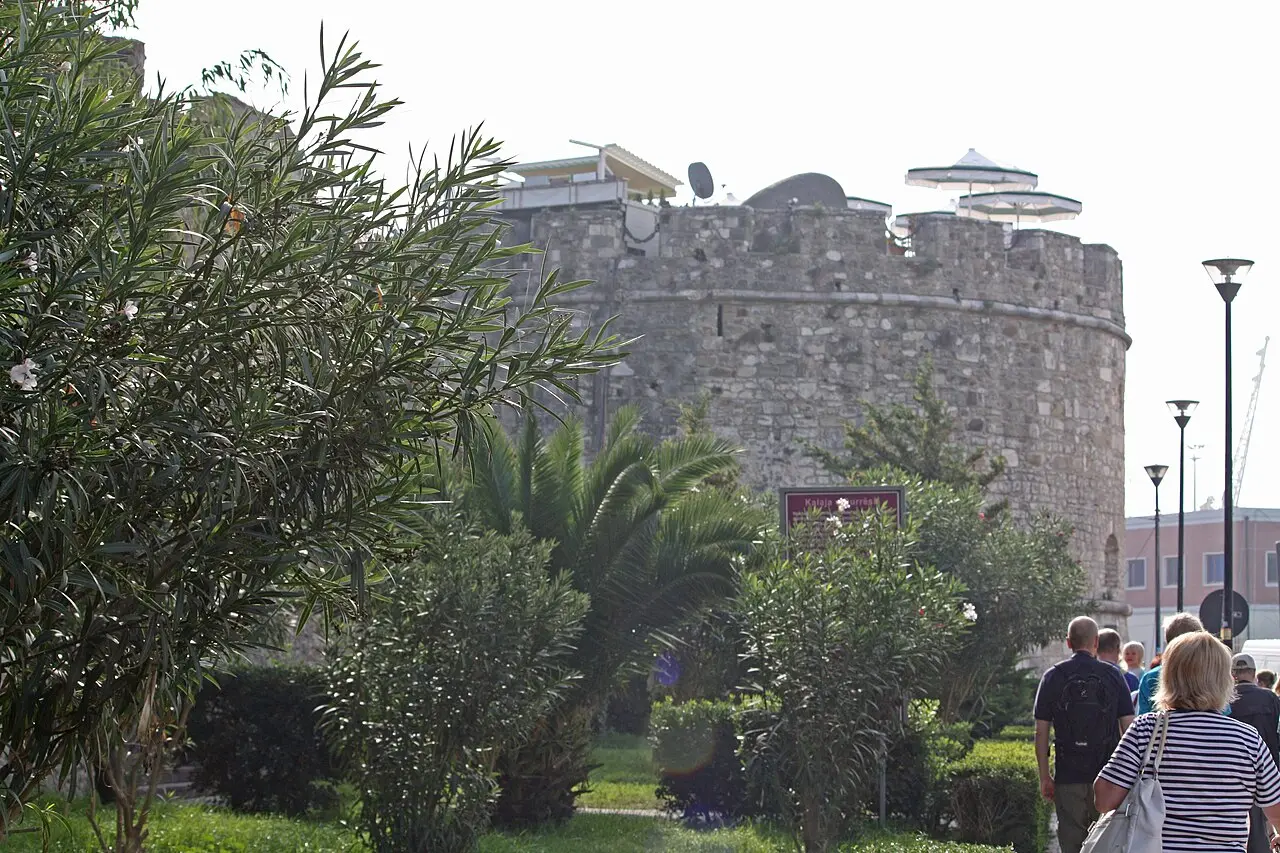
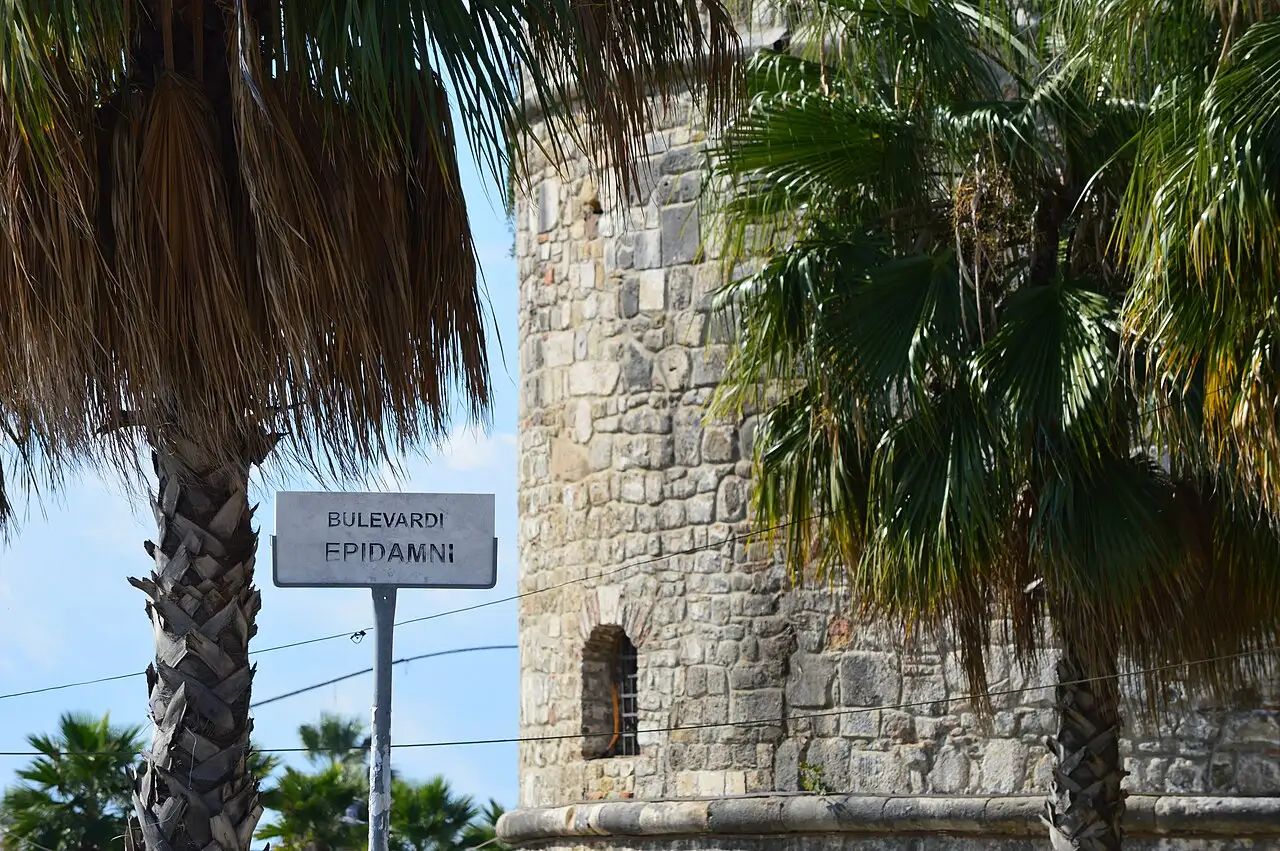
Durrës was one of the great fortress-ports of the Byzantine world, and stretches of its city walls still stand. They were rebuilt and strengthened under Emperor Anastasius I (r. 491-518) - who was born here - and they were formidable: originally around 12 metres high, and so thick that the Byzantine historian Anna Komnene claimed four horsemen could ride along the top side by side. On the seaward corner sits the round Venetian Tower, the surviving bastion of the later medieval castle, now put to work as an atmospheric café-bar where you can have a drink inside a piece of the fortifications.
The forum, baths and the old town on foot
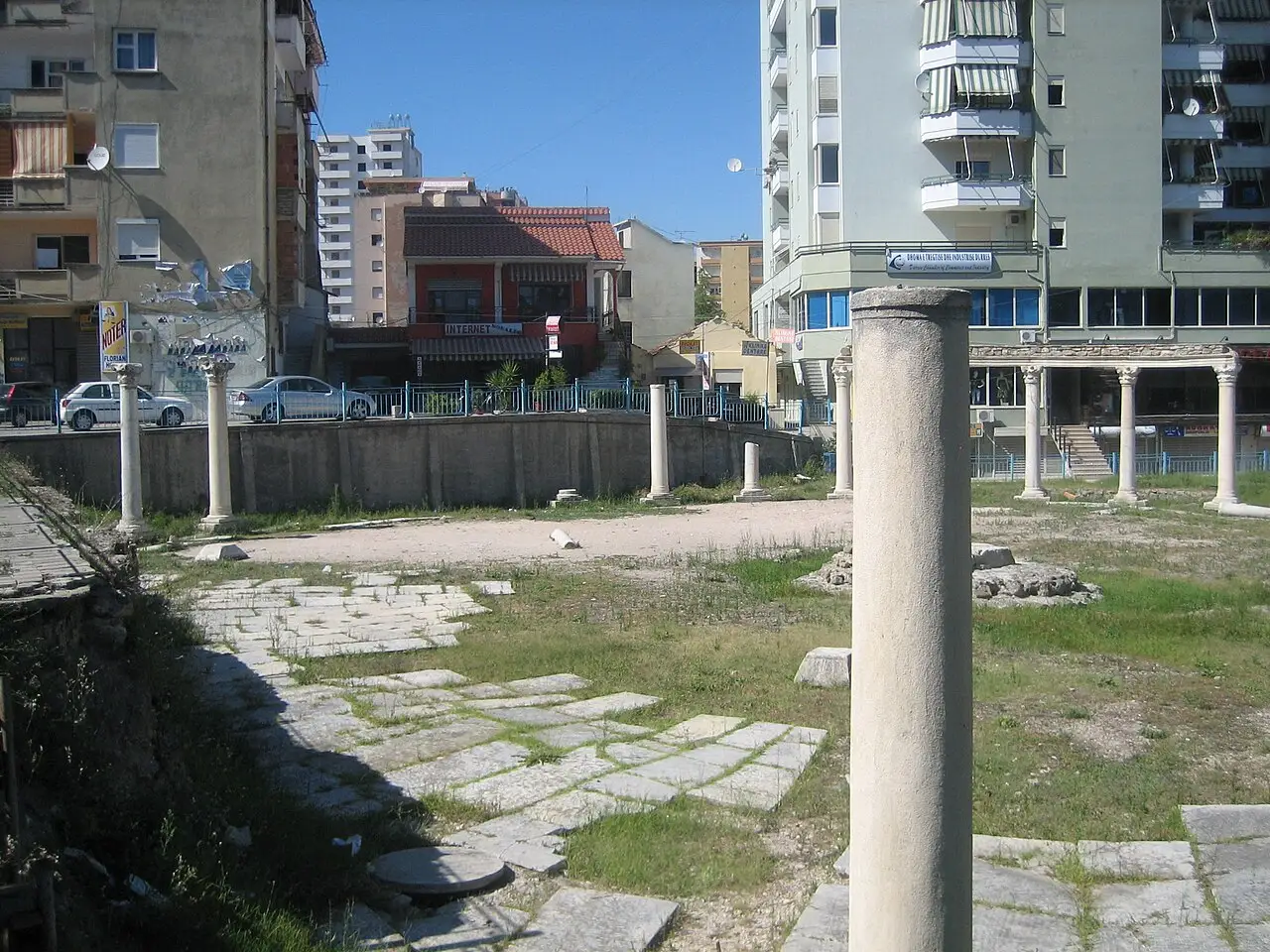
Scattered through the centre are more open ruins - the columns of the Roman forum and baths sit right behind the main square, and you keep stumbling on antiquity between the cafés. The Fatih Mosque, built in 1502 just after the Ottoman conquest, is one of the oldest in the country. Half the pleasure here’s simply walking: the old town is small, flat and layered, and you can knock off amphitheatre, museum, walls, tower, forum and mosque on one unhurried loop.
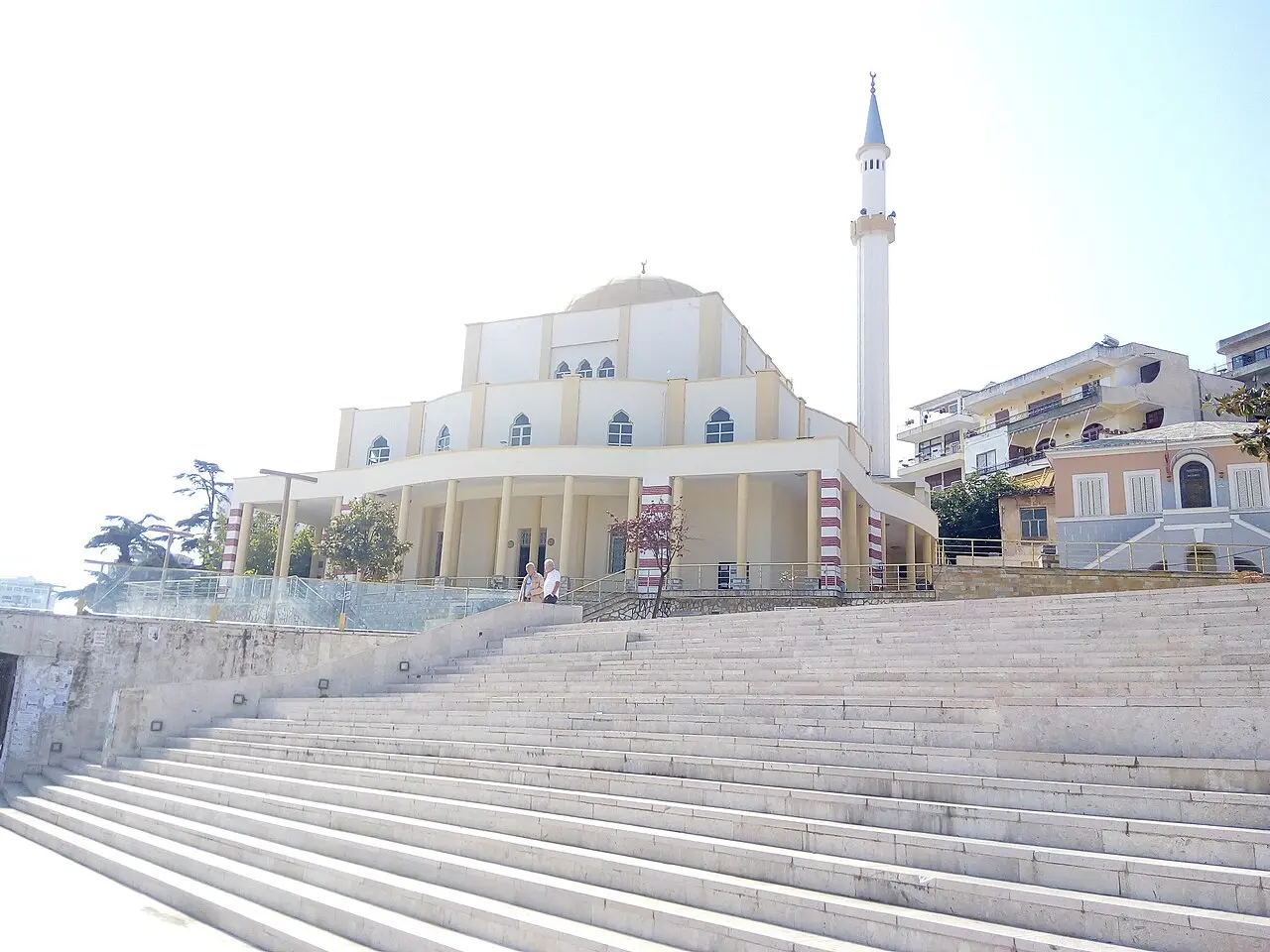
Where the Via Egnatia began
One fact ties the whole place together: Durrës was the western end of the Via Egnatia, the Roman highway that ran east from here across the Balkans all the way to Constantinople. For centuries this was the port where the empire’s road to the East met the sea - the reason the amphitheatre is so big, the walls so strong, and the museum so full. Standing in the old town, you’re standing at the start of one of the most important roads in the ancient world.
The beach and the seafront
South of the old town, Durrës stretches into a long, straight, sandy beach that anchors the so-called Durrës Riviera - the run of resort sand continuing through Golem and Kavajë. This is Albania’s original mass-tourism coast: the nearest sea to Tirana, wildly popular with Albanian and Kosovar families, lined with hotels, loungers and beach bars, and genuinely packed in July and August. The water is shallow and warm and fine for a swim, but be clear-eyed about it - this is a busy, built-up urban beach, not a secluded cove.
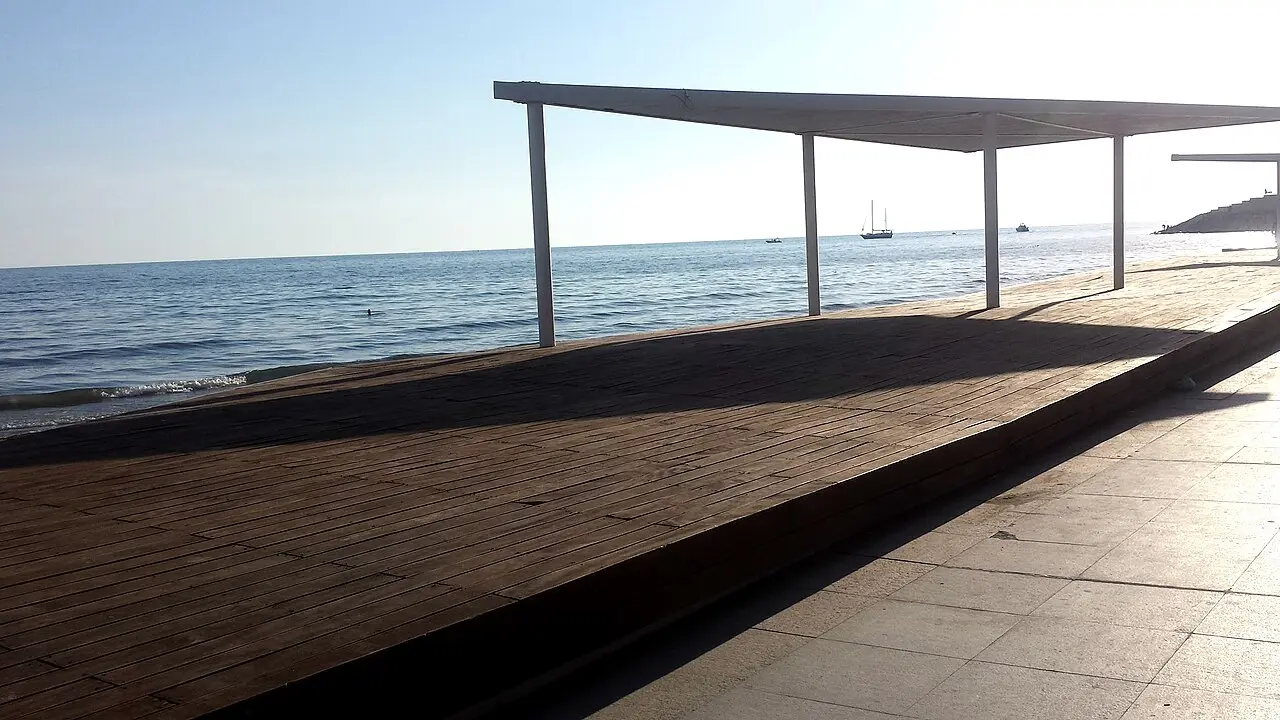
Behind the sand runs a broad seafront promenade that comes alive in the evening, when the heat drops and the town spills out to walk, eat and take the air - the same after-dark ritual you find in every Albanian coastal city.
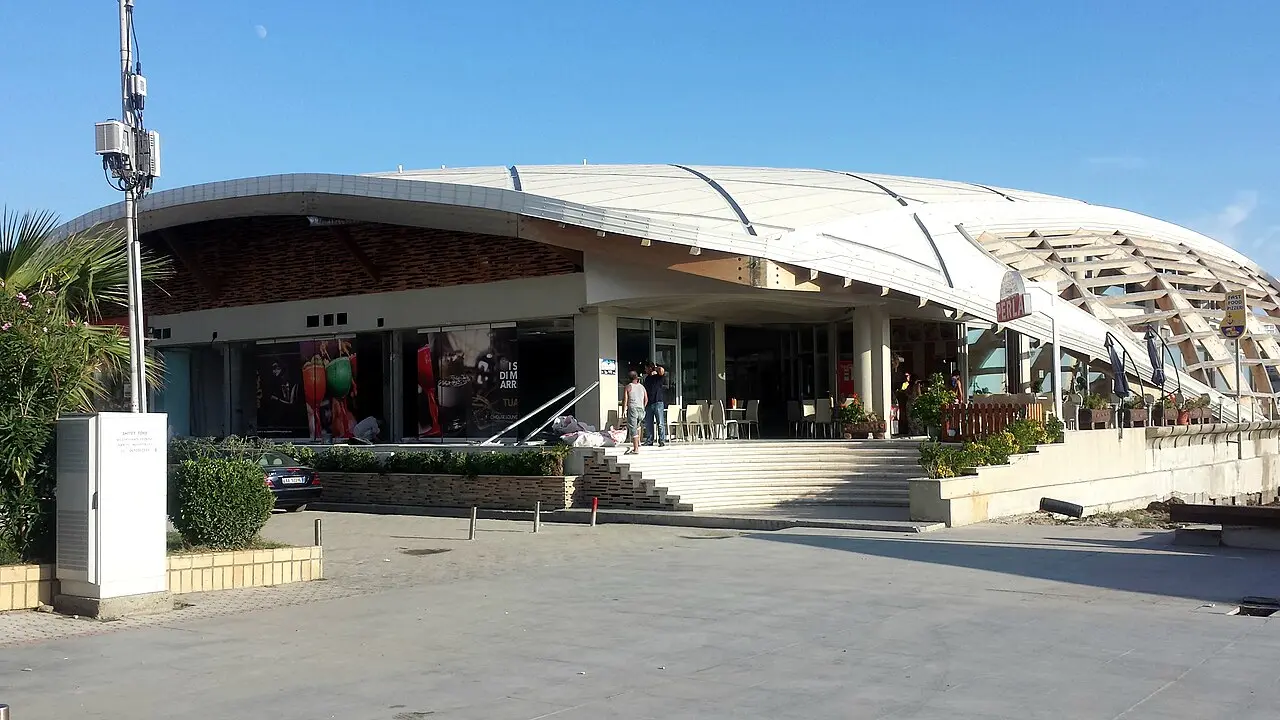
If your heart is set on clear turquoise water, save your beach days for the south - but for a quick sea fix near the capital, or a swim to round off a day among the ruins, it does the job. For the properly scenic coast, see our guide to the Albanian Riviera.
Getting to Italy: the ferry port
Durrës is Albania’s main sea gateway to Italy, and its port is among the largest on the Adriatic. If you’re travelling overland between the two countries, this is where you sail from.
- Durrës-Bari is the workhorse route: an overnight crossing of roughly 8-10 hours, with about three sailings a day and service year-round. Book a cabin or reclining seat for the night.
- Durrës-Ancona is the longer haul, around 16-19 hours and a few crossings a week, landing you further up the Italian coast. Trieste and Brindisi run seasonally too.
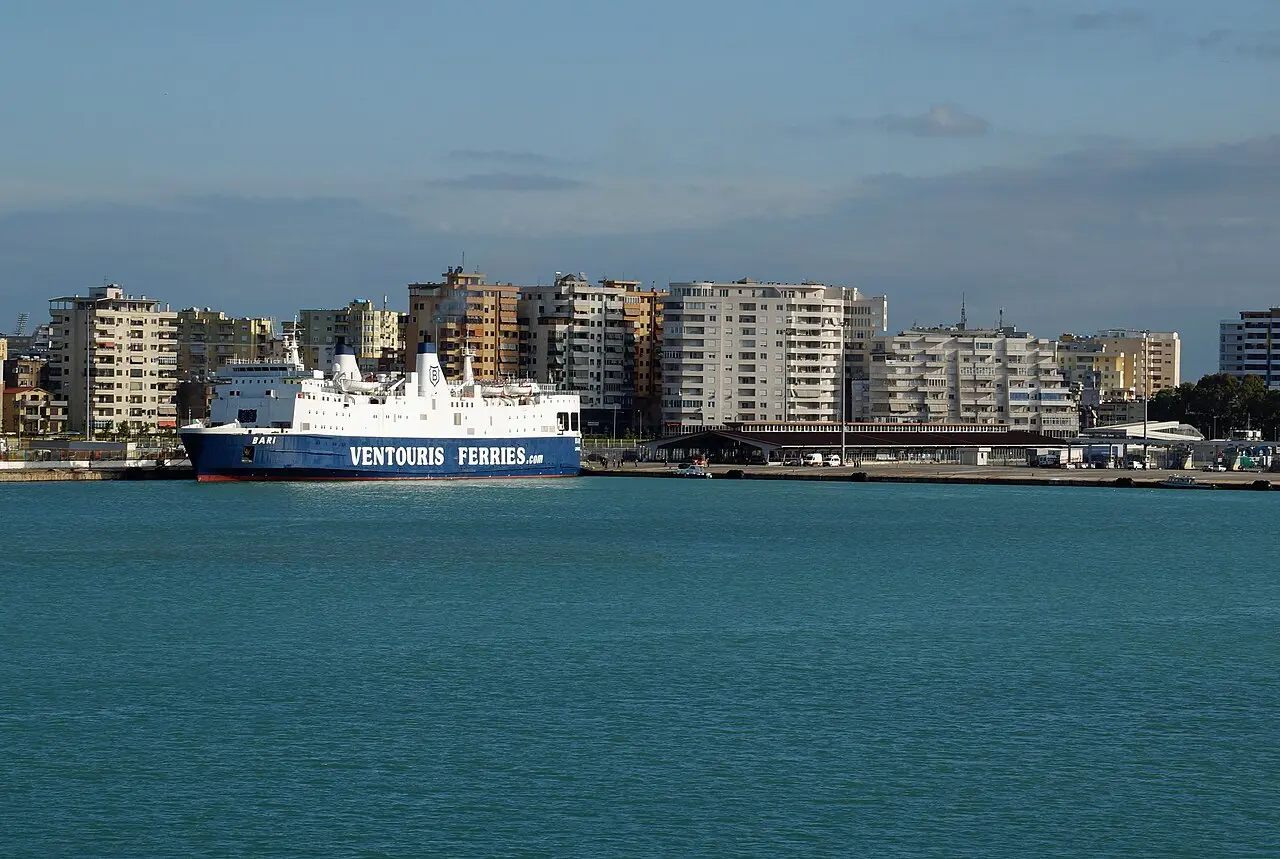
Fares and timetables move with the season and the operator, so compare current schedules and book ahead in summer. For the full rundown of routes, operators, prices and what the crossing is actually like, see our dedicated guide to the Italy-Albania ferry.
Where to stay in Durrës
For most travellers the honest answer is: you probably don’t need to. Because Tirana is so close, Durrës is easiest as a day trip, and the capital has far more to offer for an overnight. But there are reasons to stay:
- The beach strip. If you specifically want a cheap, cheerful seaside break near Tirana, the hotels line the sand south of town. Busiest and priciest in July-August.
- The old town. A handful of guesthouses near the amphitheatre suit history-minded visitors who want to wander the ruins early or late, away from the beach crowds.
- For an early ferry. If you’re sailing to Italy on an early departure, a night in Durrës near the port saves a pre-dawn dash from Tirana.
If Durrës is one stop on a longer trip, our guide to where to stay in Albania shows how it fits against Tirana, the southern coast and the inland towns. When you do overnight here, where to stay in Durres compares the beach strip, the city centre and Golem so you book the right end of the coast.
How to get to Durrës
Getting here’s easy - it’s the most accessible city on the coast.
| Route | Roughly | Notes |
|---|---|---|
| Tirana → Durrës (bus/furgon) | ~40-60 min | Very frequent through the day; the standard way. |
| Tirana → Durrës (train) | - | No passenger trains for now: Albanian Railways shows its Durrës timetable as “On maintenance”, and the ministry expects services on the rebuilt Tirana-Durrës line in the last quarter of 2027. |
| Tirana Airport → Durrës | ~40 min | By taxi or transfer; handy if you’re heading straight to a ferry. |
| Italy (Bari) → Durrës (ferry) | ~8-10 h | Overnight; the main sea gateway into the country. |
The usual approach is the short bus or furgon ride from Tirana, which run constantly. For the step-by-step, see Tirana to Durrës; for the bigger picture of moving around the country, how to get around Albania. If you’d rather have your own wheels for the coast, renting a car makes combining Durrës with Tirana and the beaches simple.
When to go and how long to stay
- May-June and September are the best all-round window: warm enough to swim, warm light on the ruins, and none of the peak-summer beach crush.
- July-August are hot and heaving - prime time if you actually want the buzzing resort scene, but the beach and hotels are at their busiest and dearest.
- Winter is quiet and mild; the sights stay open and you’ll have the amphitheatre almost to yourself, though the beach scene shuts down.
- How long: half a day covers the old-town sights comfortably; a full day lets you add a swim and a long fish lunch. Few travellers need more than a night. For Apollonia, Kruja or Cape Rodon as same-day outings from the port, see day trips from Durres. For the month-by-month picture, see the best time to visit Albania.
So: come for the ruins, not the postcard. Chasing turquoise water, you’ll be happier heading south - but block out an afternoon here and Durrës gives you something the beach towns can’t. This is one of the oldest cities on the Adriatic, where you can stand in a Roman amphitheatre, put a hand on a Byzantine wall, and then eat grilled fish beside the sea that once carried an empire’s road to the East.
What’s nearby and read also
- Continue with more Albanian city guides for your next stop.
- Based in the capital? See the best things to do in Tirana and Tirana to Durrës.
- Sailing on or off the continent? Read the Italy-Albania ferry guide.
- Chasing clearer water - check the Albanian Riviera for the scenic south coast.
Photos
On the map
The map loads on click - to keep the page lightweight.
The map didn’t load. Check your connection and refresh the page.
Distance ≈35 km · ~40-60 min by road
- Tirana ≈35 km · ~40-60 min by road The closest coast to Tirana - frequent buses and furgons; no passenger train until the rebuilt line opens, which the ministry expects in late 2027. An easy day trip.
Read also

Cities · 10 min read
Korca Travel Guide: Bazaar, Beer & Southeast Albania
Updated · August 14, 2026Korca (Korce) guide: walk the Old Bazaar, see medieval icons, taste Birra Korca, then day-trip to Voskopoje or Lake Ohrid.

Cities · 10 min read
Permet, Albania: the Vjosa, Rafting & Gliko
Updated · August 8, 2026Permet travel guide: rafting the Vjosa (EUR 35), gliko and raki, the 1944 Congress, Leusa church, the Benja baths, where to stay and how to get there.

Cities · 13 min read
Dhermi, Albania: Beaches, Drymades & the Old Village
Updated · September 25, 2026Dhermi and Drymades guide: which beach is which, what a sunbed costs, boat trips to Gjipe, the old Greek village above the coast and the bus-stop catch.

Cities · 11 min read
Pogradec & Lake Ohrid: The Albanian Side
Updated · October 2, 2026Pogradec on the Albanian shore of Lake Ohrid: pebble beaches, the promenade, the Drilon springs, koran trout and Lin's mosaics, without Ohrid's crowds.