
Tirana to Vlora: Bus, Furgon, Car & Travel Times
Tirana to Vlora in 2026: bus and furgon times and fares, the drive via Durres and Fier, transfers, and why there is still no flight or train.
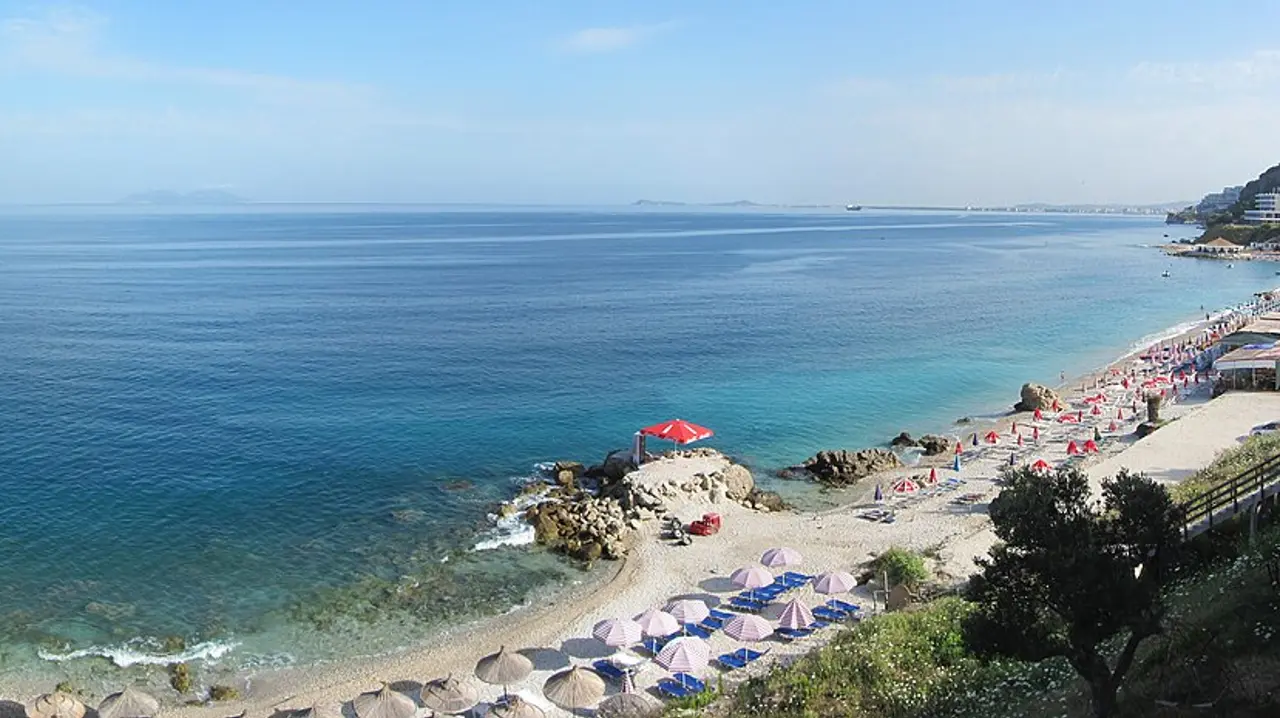
Tirana to Vlora is a straightforward run down the coast: about 150 km that takes two and a half to three hours, with buses and furgons leaving roughly every half hour and the fare paid in lek to the conductor. Driving takes a similar three hours via the Durres motorway and the road through Fier, and a private transfer runs roughly EUR 65-105. There’s no train, and despite years of headlines there’s still no working airport at Vlora, so it comes down to bus, furgon, car or transfer - and the bus does the job cheaply.
Times below were checked in July 2026 against the GjirafaTravel booking platform and recent Albania travel guides, and the bus companies against the state register of licensed lines on 25 September 2026. Prices and departures shift with the season on this Riviera-bound corridor, so pay in lek (ALL), carry small notes for cash fares, and reconfirm the day’s schedule - especially in summer when the coast gets busy.
The bus and furgon: cheap and frequent
This is a well-served route, so you rarely wait long. GjirafaTravel lists around 27 buses a day, with a first departure about 05:00 and the last around 17:00, and furgons fill the gaps roughly every 30 minutes through the day. The journey is 150 to 157 km and takes about 2 hours 25 minutes at best, more like 3 hours with traffic out of Tirana and stops along the way. You don’t need to book; turn up, find the bus or van for Vlora, and pay cash on board.
The state register licenses two companies on the line from Tirana’s terminal: El-Alba Trans runs the mornings and Interbuz Vlora takes over from late morning, 28 departures a day in all. The register lists no fare and we found none printed by either company, so pay the conductor in lek as you board and check the price as you get on; GjirafaTravel sells some seats online at its own price. If you’re coming straight from the airport, there’s a separate Tirana airport-Vlora bus run by Hermes, which the airport’s own bus page lists at 1,200 lek one way, with nine departures a day on the licence - it saves backtracking into the city.
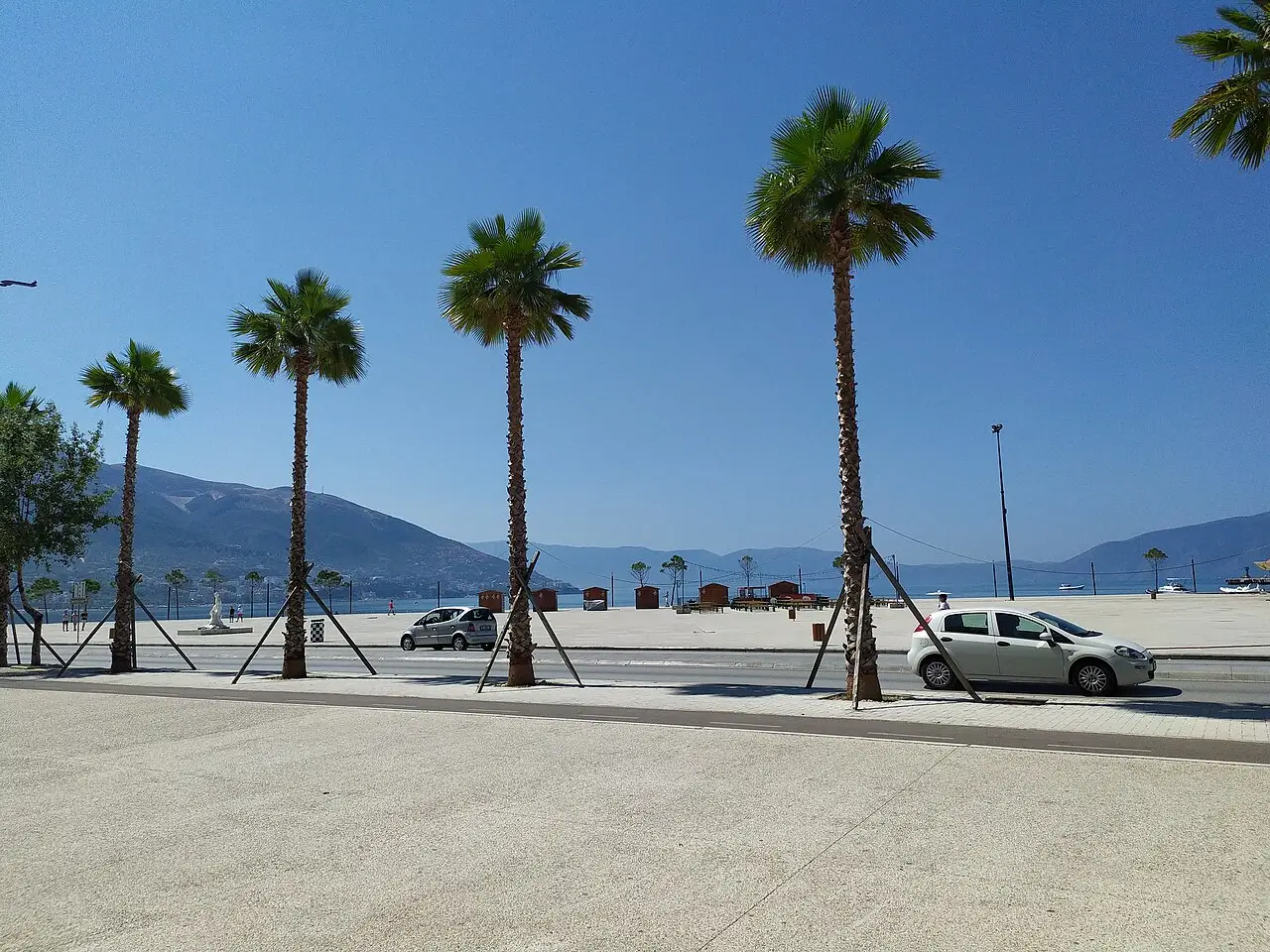
As with everywhere in Albania, the trick is the Tirana end. Buses for Vlora leave from the combined Regional Bus Terminal (North & South Albania) northwest of the centre, about 20 minutes out - the same terminal that handles Durres, Berat and the south, not anywhere in the city core. Take a short taxi or a local city bus toward the terminal. At the Vlora end, note the terminal relocated in early 2026 to the city entrance (near the Kastrati petrol station), not the old central stop - it’s a short taxi or local bus from the seafront, with onward furgons down the Riviera.
Should you book, or just turn up?
For most of the year, turning up works fine - there’s another bus or furgon within the half hour. July and August are the exception: Vlora is a major domestic beach destination as well as the gateway to the Riviera, so the route gets busy and a morning seat is worth pinning down in advance through GjirafaTravel. Buses are functional rather than luxurious, with variable air-conditioning and usually one stop on the way, so bring water for the three hours. It’s an easy enough trip that the bus is genuinely the sensible default unless you specifically want a car for the coast beyond.
Driving: the Durres motorway then south
A rental car makes sense mainly if Vlora is your jumping-off point for the Riviera, where buses thin out. The drive is simple: take the A2 motorway from Tirana toward Durres, then the main road south through Kavaje, Lushnje and Fier to Vlora. If you only need that first stretch, the Tirana-Durres leg has its own dedicated bus and drive times. It’s about 150-157 km and roughly 3 hours, on decent road for most of the way - this is one of the flatter, faster routes in the country, without the mountain switchbacks you get heading to Saranda. There’s no significant toll on this stretch.
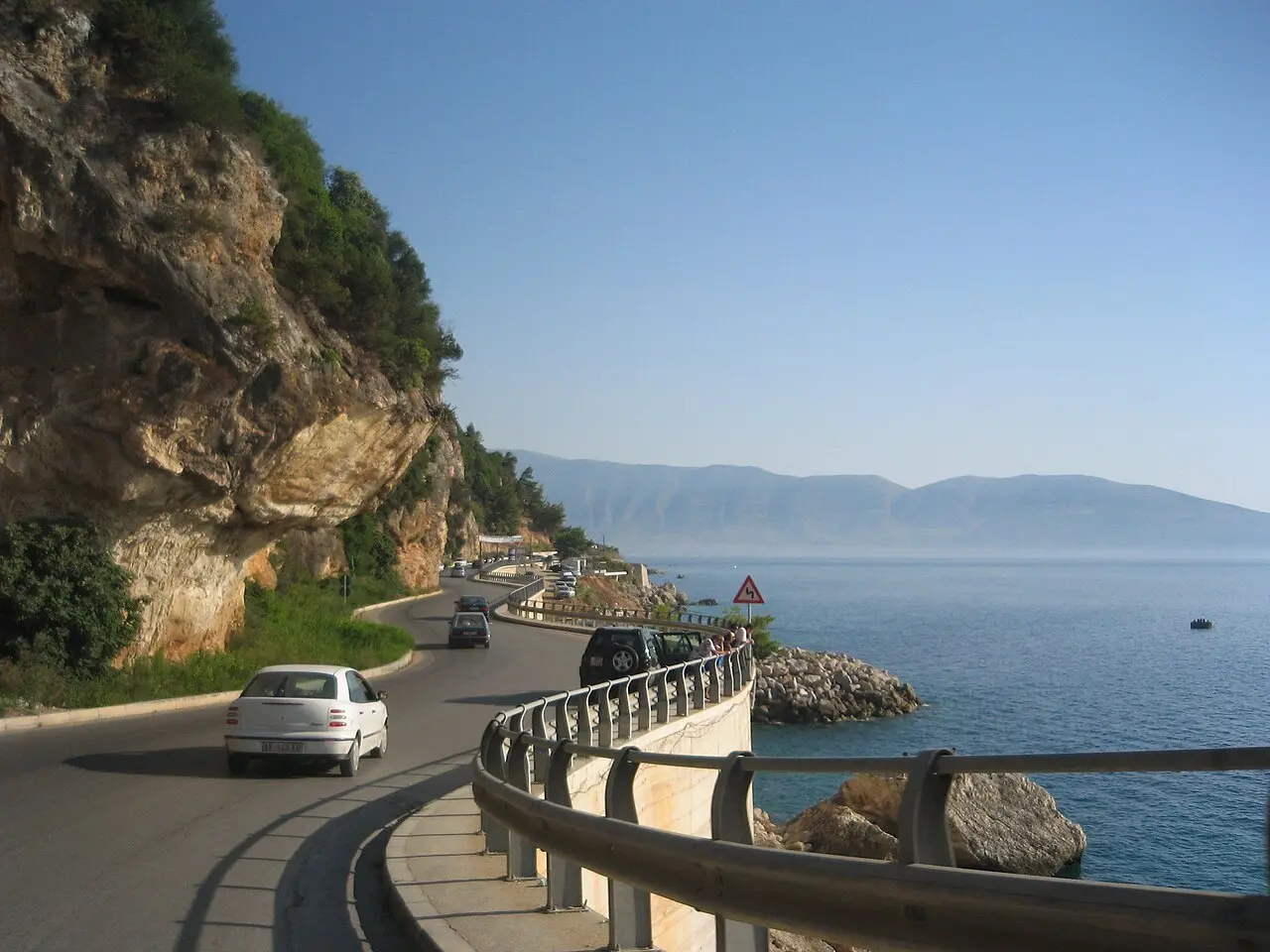
The reason to drive is what lies beyond Vlora rather than the trip itself. South of town the road climbs over the Llogara Pass into the Riviera proper - Dhermi, Himare and the beaches that buses reach awkwardly. If you’re planning to explore that coast on your own schedule, a car earns its keep; if you just want to reach Vlora and stay put, the bus is cheaper and easier. Read how to rent a car in Albania for the insurance and deposit terms before you book, and note that some policies exclude rough coastal tracks.
Transfers, taxis and the airport question
Door-to-door private transfers are the pricier way to skip the terminal altogether: figure on EUR 65 to 105 for the ride, with a pickup in central Tirana costing less than one at the airport, since the airport run is that bit further north. Against a bus ticket it’s a real premium, but split between a group, or bought for the convenience of one car straight to your door, it holds up - just confirm the live price with the operator rather than an old quote. Ordinary intercity taxis land in the same rough price band and are worth agreeing a fixed fare for upfront instead of trusting the meter.
One thing to settle: there is no working airport at Vlora as of 2026. Vlora International Airport has been built and much-publicised, but it is not running commercial flights, and reporting on its opening has been contradictory and repeatedly pushed back. Don’t plan a 2026 trip around flying into the south. There’s also no passenger train to Vlora; the country’s railway is a non-option for travellers right now.
What’s waiting in Vlora
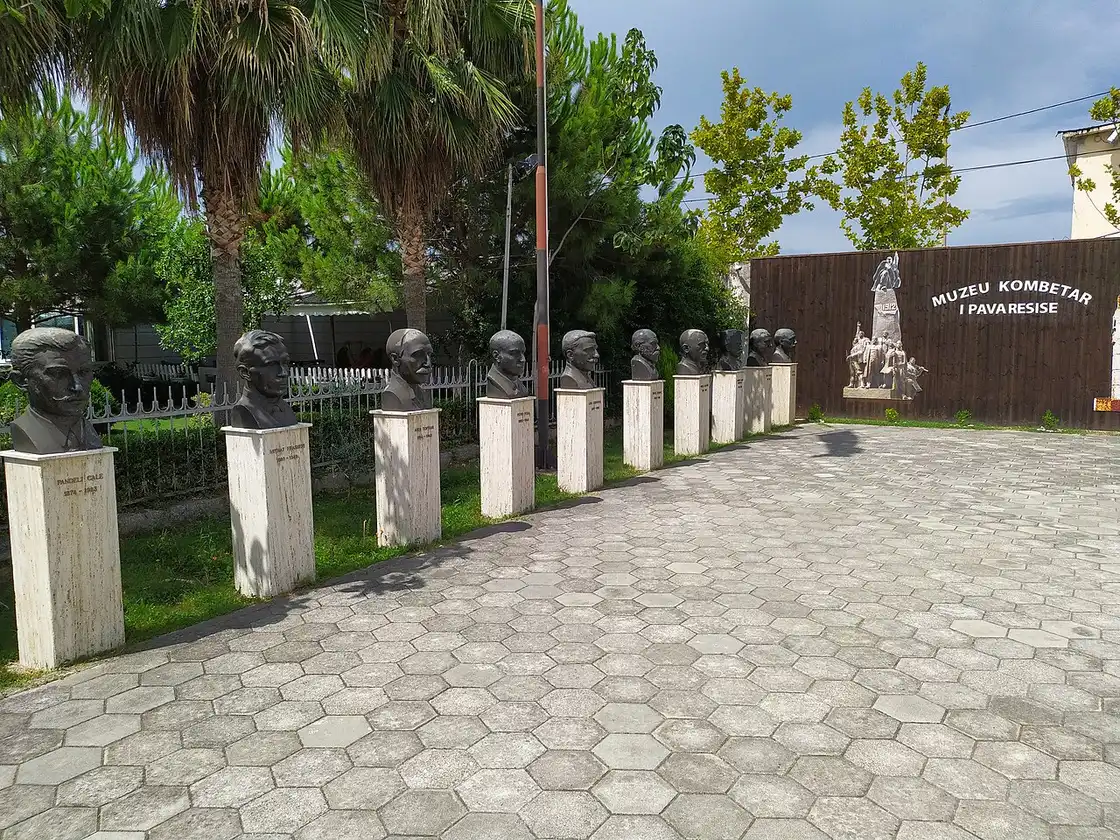
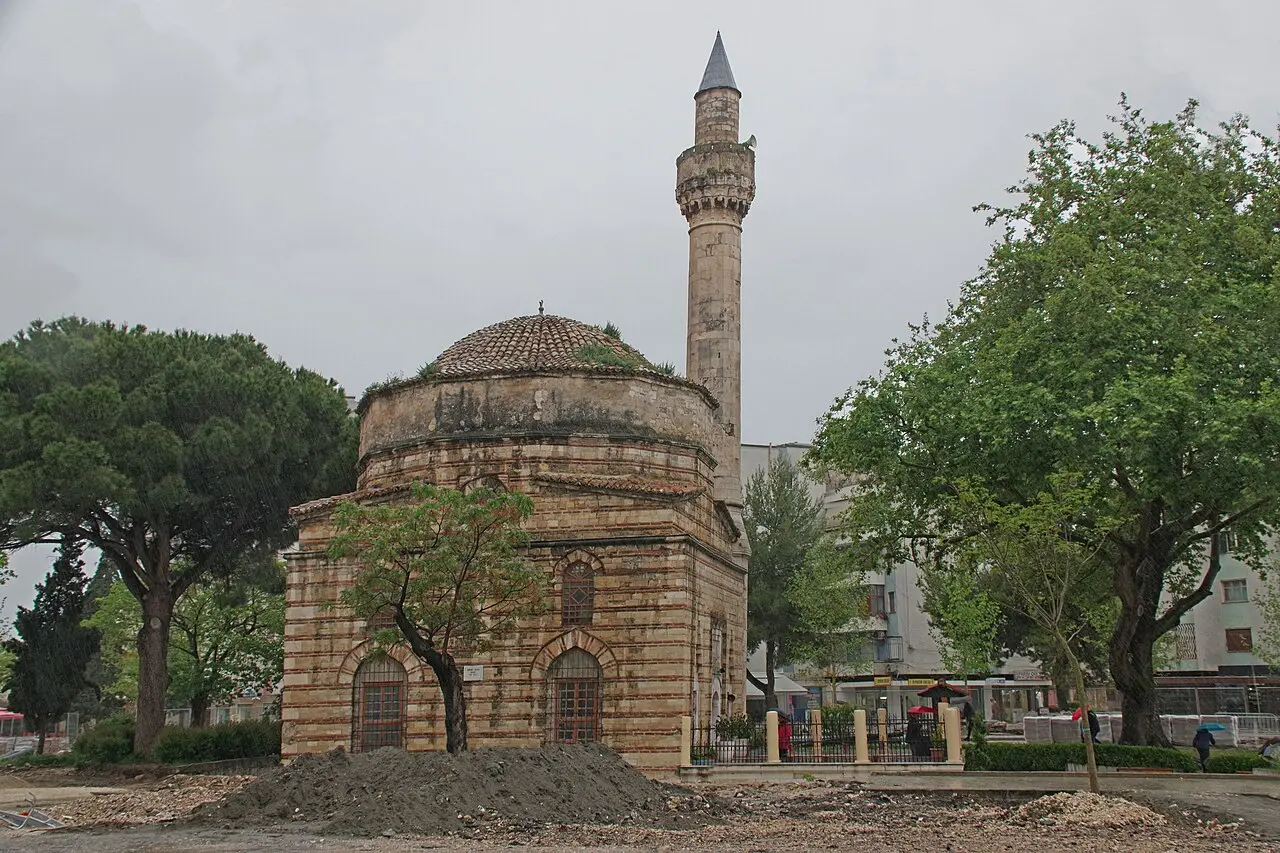
Vlora rewards more than a quick stop. It’s where Albania declared independence in 1912, and the Independence Monument on Flag Square marks it - a big bronze group that’s the city’s defining landmark. The rebuilt Lungomare seafront is the heart of the evening, a long palm-lined promenade made for the Albanian ritual of the xhiro, the after-dark stroll. For history there’s the Muradie Mosque, a small 16th-century Ottoman mosque attributed to the architect Sinan, tucked into the centre.
But the real draw is the coast. Vlora sits where the Adriatic meets the Ionian, and it’s the northern gateway to the Albanian Riviera - the run of turquoise bays and pebble beaches that starts just south over the Llogara Pass. Our Vlora travel guide covers the independence sights, the Sazan boat trips and the island monastery in full. Many travellers treat the city as a staging post: a night on the Lungomare, then onward down the coast. If that’s your plan, the Albanian Riviera guide covers what’s south, and the Saranda guide the far end of it.
So which should you take?
The bus is the easy call for most people: a cash fare paid on board, two and a half to three hours, every half hour, no booking outside peak summer. Rent a car if Vlora is your launchpad for the Riviera and you want the freedom to chase the coves over the Llogara Pass. Take a transfer if you’re a group or want a door-to-door ride. Forget the train and the airport. Whichever you pick, it’s a half-day trip at most - leave Tirana in the morning and you’ll have the afternoon and the Lungomare evening in Vlora.
If you’re still mapping the trip, line this up with the wider how to get around Albania overview, the long Tirana to Saranda run further down the same coast, and - if you’re arriving from Italy - the Italy to Albania ferry guide, since Brindisi sailings land right here in Vlora.
Sources and how to read the times
Travel times, fares and frequencies here were checked in July 2026, primarily against the GjirafaTravel route page and recent 2026 Albania travel guides, with the airport status taken from current reporting. Prices and departures on this route move with the season, and the walk-up cash fare isn’t the number GjirafaTravel shows online - which is exactly why this guide sticks to ranges instead of a single fixed figure. Pay cash on the day and reconfirm the schedule before you travel.
Read also

Transport · 12 min read
Tirana to Athens: Bus, Flights & the Overland Option
Updated · October 5, 2026Tirana to Athens by bus: 04:00, 15:00 and 17:00 daily, €45 one way and 12-14 hours via Kakavia, or four direct flights a day. Checked 6 Oct 2026.

Transport · 9 min read
Tirana to Podgorica: Bus, Border & Onward to Kotor
Updated · October 5, 2026Tirana to Podgorica: about 160 km and 3.5-4 hours by direct bus via the Hani i Hotit border, two daily lines, then on to Kotor. Times checked 3 Oct 2026.

Transport · 10 min read
Butrint Day Trip from Corfu: Ferry + Site in One Day
Updated · October 4, 2026Butrint from Corfu in a day: a 30-45 min boat to Saranda, 18 km by road, a 1,000-lek ticket. Which boats work in October, November and winter.

Transport · 14 min read
Albania Border Crossings by Car: Queues, Docs & Green Card
Verified · October 2, 2026Albania's 13 customs road crossings: which stay open all night, when queues build, Green Card rules by plate, Kosovo's €15 insurance and EES into Greece.