Albania Events Calendar: Month-by-Month Guide 2026-2027
What is on in Albania month by month: Korça Beer Fest 12-16 Aug, Logu i Bjeshkëve 9 Aug, Tirana Marathon 25 Oct, Kala 2-9 Jun 2027. Checked 24 Aug 2026.
Upcoming events
- On now September 21-27, 2026 Tirana International Film Festival
- Tirana Marathon
- Alphabet Day (public holiday)
All upcoming dates by month (17)
September 2026
- On now September 21-27, 2026 Tirana International Film Festival
October 2026
- Tirana Marathon
November 2026
- Alphabet Day (public holiday)
- November 28 - December 1, 2026 Independence and Flag Day, Liberation Day (public holidays; Monday and Tuesday off as well in 2026)
December 2026
- National Youth Day (public holiday)
- Christmas (public holiday)
January 2027
- January 1-2, 2027 New Year (public holidays)
March 2027
- Eid al-Fitr (estimated, moon-dependent)
- Summer Day, Dita e Verës (public holiday; ballokume and the spring fair in Elbasan)
- Nevruz (public holiday)
- Catholic Easter (public holiday)
May 2027
- Labour Day (public holiday)
- Orthodox Easter (public holiday)
- Eid al-Adha (estimated, moon-dependent)
June 2027
- June 2-9, 2027 Kala festival
- June 10-15, 2027 Anjunadeep Explorations
August 2027
- August 14-15, 2027 Logu i Bjeshkëve (second weekend of August)
Dates marked "to be confirmed" follow the previous edition: the organiser had not announced the new ones when we last checked.
Albania’s year has three moods. June to mid-August is when the country puts on almost everything worth flying for, and the days around 9-16 August 2026 are the single busiest stretch: the Alps hold their folk festival on the second weekend, Korça opens its five-night beer festival on the Wednesday after. September and October are the quiet reward, with a film festival, a marathon and no queues. From November to April the calendar thins to public holidays, one December song contest and a spring cookie.
That matters more than it sounds, because these dates move room prices before they move anything else. Dhërmi, a single Riviera village, hosts two British-run beach festivals inside two weeks each June, and both sell tickets with the hotel attached, so the beds go before the line-up is out. Everything below was checked against organisers’ and municipalities’ own pages, most recently on 24 August 2026; where nobody has published a date yet, you’ll see that said plainly instead of guessed at.
Public holidays: the dates that shut the banks
Albania keeps 15 official public holidays, and if one lands on a weekend the following working day is taken off instead. That’s how a Saturday holiday quietly becomes a long weekend and fills domestic hotels.
The fixed ones are 1-2 January (New Year), 14 March (Summer Day), 22 March (Nevruz), 1 May (Labour Day), 5 September (Mother Teresa Day), 22 November (Alphabet Day), 28 November (Independence and Flag Day), 29 November (Liberation Day), 8 December (National Youth Day) and 25 December (Christmas). The movable four are Catholic Easter, Orthodox Easter, Eid al-Fitr and Eid al-Adha.
For 2027 that means Catholic Easter on 28 March and Orthodox Easter on 2 May. Eid al-Fitr falls around 9 March 2027 and Eid al-Adha around 16 May 2027, but both wait on the lunar sighting, so treat them as estimates.
One thing surprises visitors: this majority-Muslim country takes both Easters off and puts Christmas on the calendar too. Nobody here finds that odd.
January to March: thin, cheap, and one very good cookie
Midwinter is the least eventful part of the year. Tirana keeps its bars and galleries running, the nightlife scene barely notices the season, and the coast is largely shut. If you’re coming now, come for the cities and the prices.
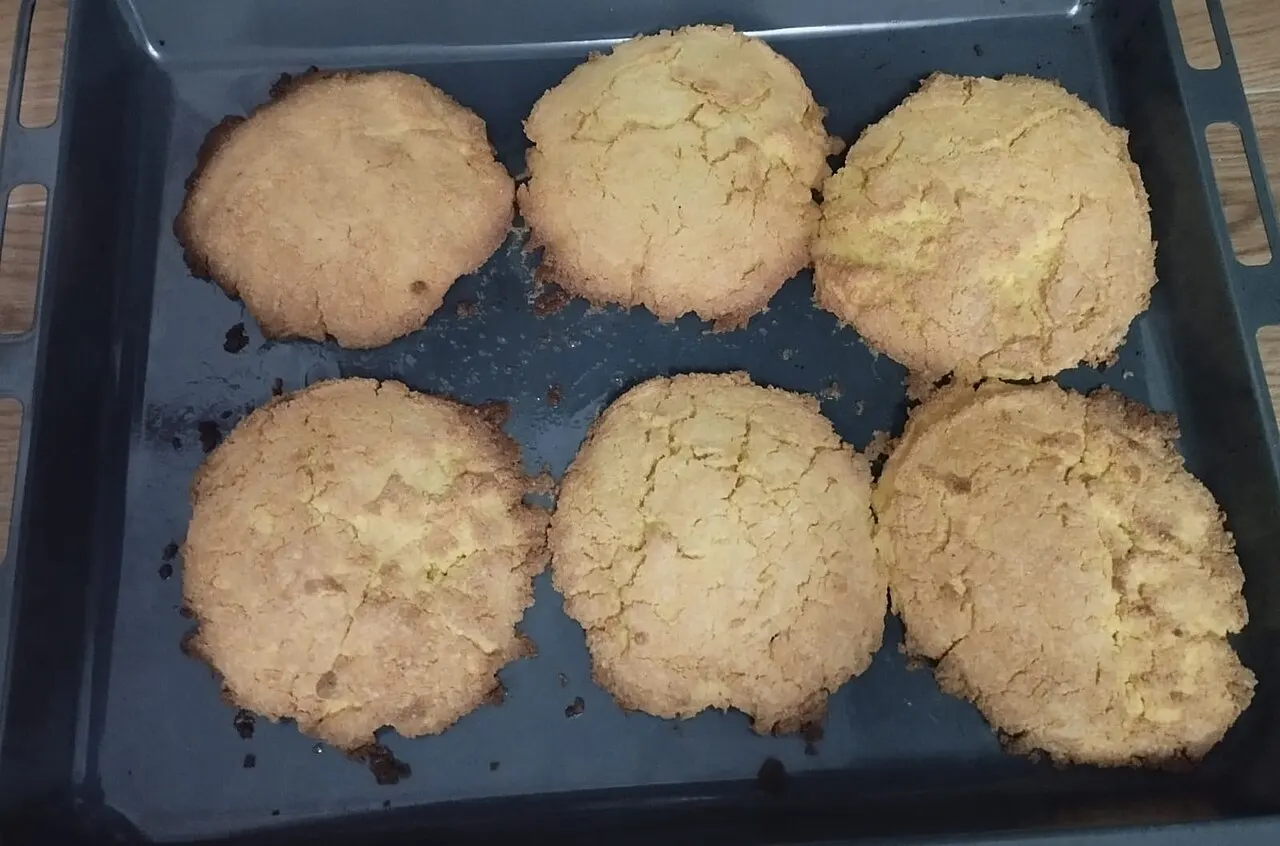
Then 14 March breaks the mood. Summer Day, Dita e Verës, is a pre-Christian spring festival from the Shkumbin valley that became a national holiday in 2004, and it belongs to Elbasan. Streets into the city fill with stalls selling ballokume, a fist-sized cookie of corn flour, butter, sugar and egg yolk that families start baking in the first days of March. People tie a braided red and white thread called a verore round a wrist and keep it there until they spot the first swallow. The odd date is a leftover of a calendar change: the old observance sat on 1 March, and the Gregorian switch pushed it thirteen days forward. In 2027 it falls on a Sunday.
22 March is Nevruz, the Bektashi new year. Albania is the world headquarters of the Bektashi order, so it’s a real holiday here rather than a borrowed one, though it’s more a day off than a spectacle for visitors.
April and May: two Easters and the Riviera waking up
April and May belong to the shoulder season rather than to the calendar, and the one event that used to fill them is currently a question mark. The South Outdoor Festival in Borsh - the Balkans’ largest outdoor-activity festival, with over forty activities plus camping - last ran in a form anyone confirmed on 25-28 May 2025, announced by the tourism ministry. A 22-26 June 2026 window circulated on event listings, but that window has now passed with nothing posted by the organisers, and southoutdoor.al has been serving a single placeholder page titled “OFF/LINE” rather than a programme. Treat the festival as unscheduled until the organisers put a date on their own site, and don’t book a trip around a date you found on a listing site. Note the location too, in case it comes back: Borsh is a long beach village south of Himara, not Vlora city.
For the weather half of the decision, our best time to visit Albania guide covers sea temperatures, the snow line and when the mountain trails open.
June: the month the Riviera sells out
June is the busiest festival month of the year, and almost none of it is Albanian-run.
UNUM Festival takes over Rana e Hedhun beach at Shëngjin on the northern Adriatic, five days and six nights across three stages. The 2026 edition ran 4-8 June; a six-day pass starts at EUR 99, packages with accommodation from EUR 239, both rising by release phase. Sign-ups for 2027 are open, but no dates were announced as of 2 August 2026.
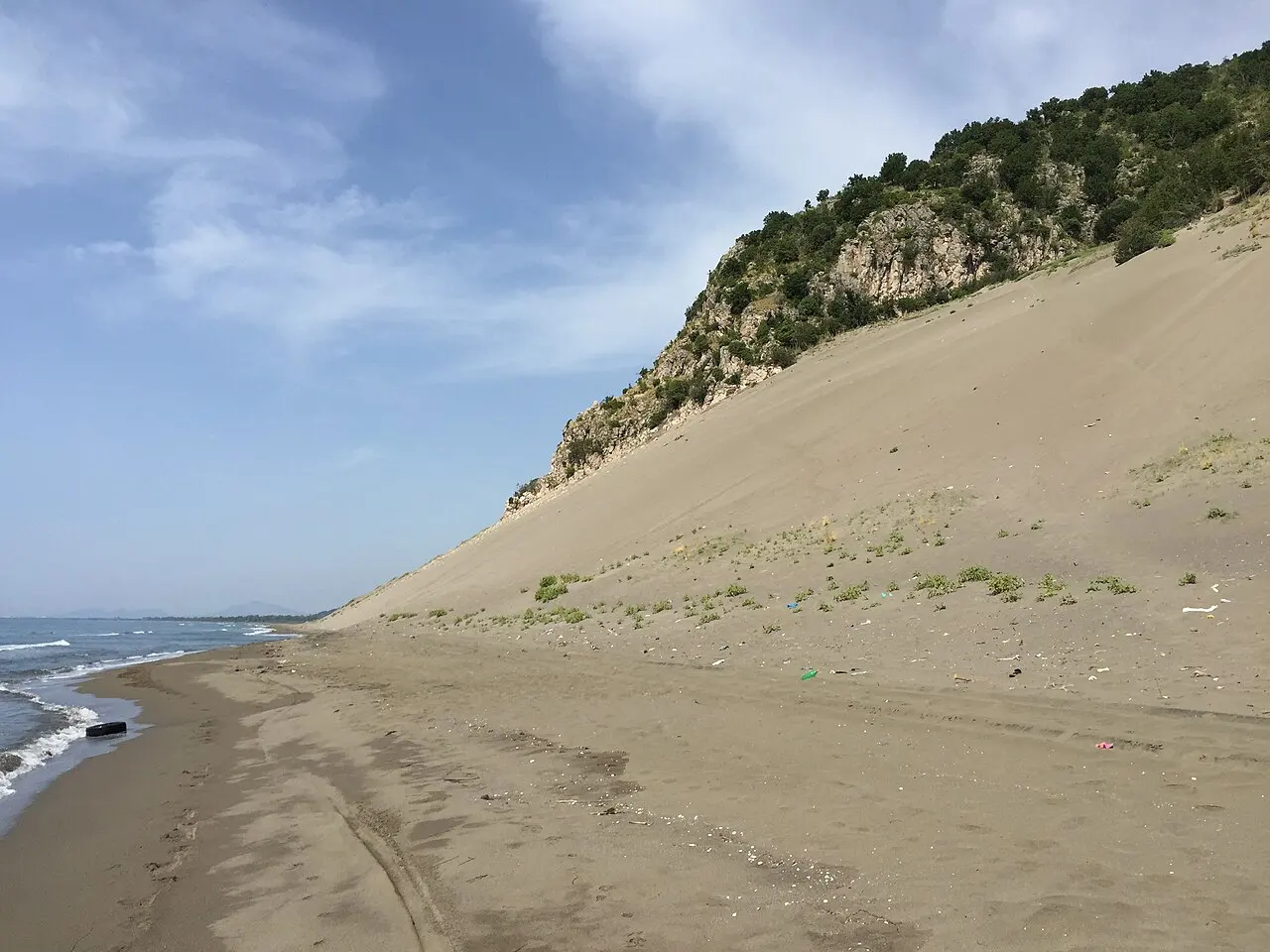
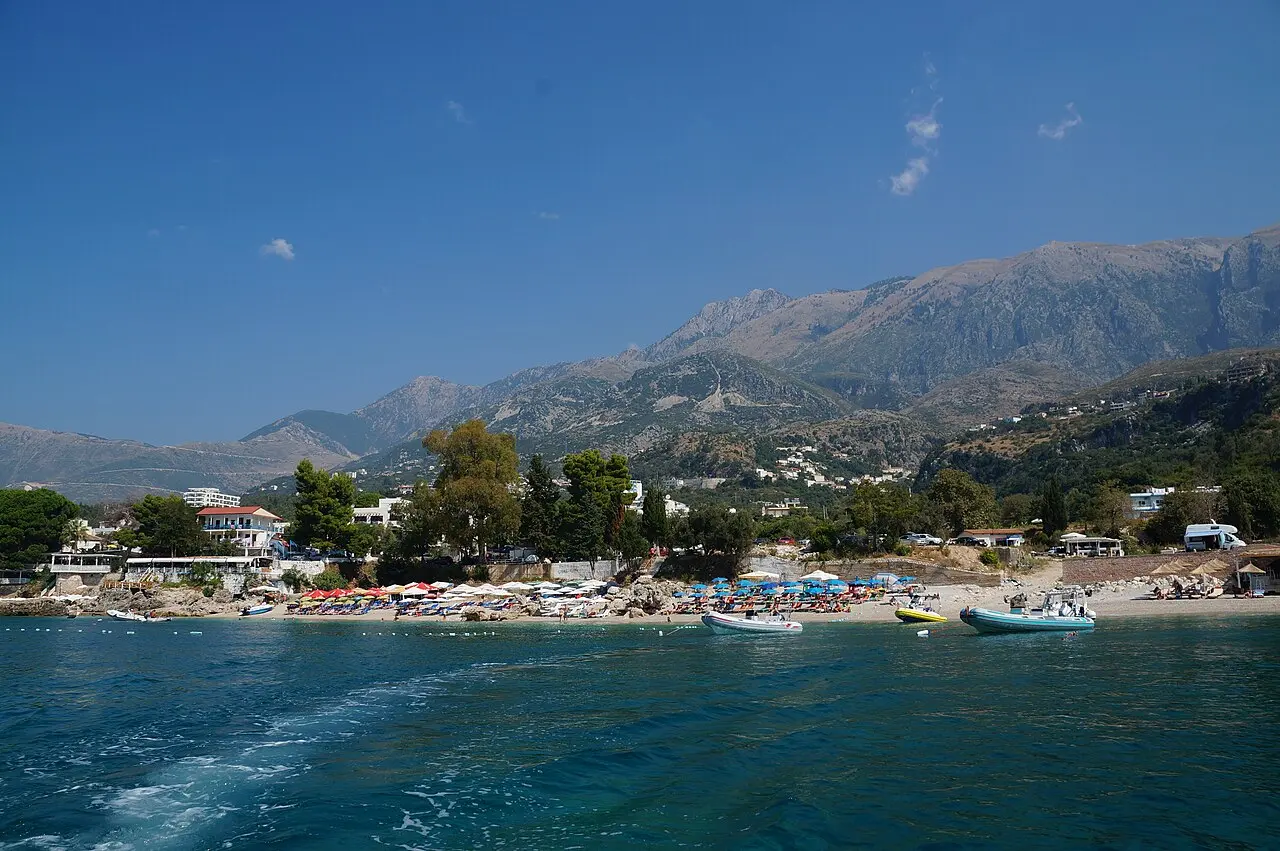
Down south, Dhërmi carries two festivals back to back. Kala runs 2-9 June 2027 across six open-air beach stages, and its ticket is unusual: every ticket includes a hotel, a full week plus a three-star room starting at £325 / EUR 375 per person. Early Bird goes on sale 6 October. Then Anjunadeep Explorations returns to the same village for its seventh edition, 10-15 June 2027.
Here’s the consequence, and it’s the reason this page exists. Two festivals that bundle accommodation, back to back, in a village that size, means the Dhërmi and Drymades room stock is committed months out. If you want the Riviera in early June and you’re not going to a festival, either book absurdly early or base yourself elsewhere and come over for the day. Our Dhërmi guide covers the beaches and the old village.
Getting there is the other thing nobody budgets for. Kala publishes its own transfer prices from Tirana airport, a fair benchmark for anyone driving the same road: coach £30 and 3h15, minibus £45 and 2h45, taxi £145 and 2h30. Shuttles only run on set arrival and departure days, so an off-pattern flight means a taxi or a hire car. Check that against our Tirana airport transfers guide.
Inland, Korça opens its tourist season with the International Carnival Festival on 6 June 2026: costumed groups from 11:00 through the pedestrian zone and Republic Boulevard, main parade at 19:00. A June carnival, not a pre-Lent February one, which catches out anyone expecting carnivals to follow the church calendar.
July: castle nights in the north, beach nights in the south
Za Fest in Shkodra is the pick of the month for anyone who’d rather have a rampart than a beach club: an opening night in the city, then two ticketed music nights inside Rozafa Castle. Every dated edition has run Thursday to Saturday in the second half of July, and the tenth took place 23-25 July 2026. Costs and logistics are in our Za Fest guide.
At the other end of the country, Turtle Fest held its tenth edition at Dhërmi Beach on 28-31 July 2026. It’s the longest-running Albanian-run electronic festival on the coast, it’s cashless on site apart from actual cash, and the organisers say plainly that they don’t arrange accommodation. That last line matters in the tightest week of the year for a bed on the Riviera.
August: the fortnight that runs the country
If you only remember one stretch from this page, make it this one.
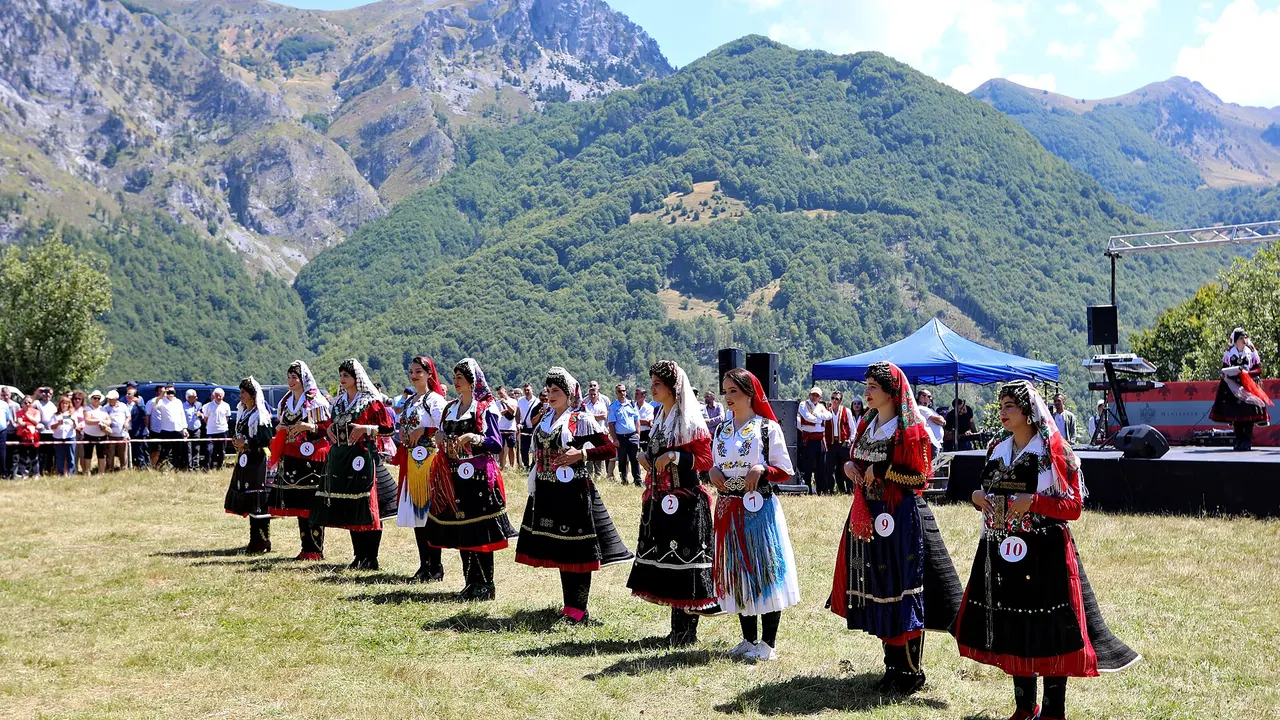
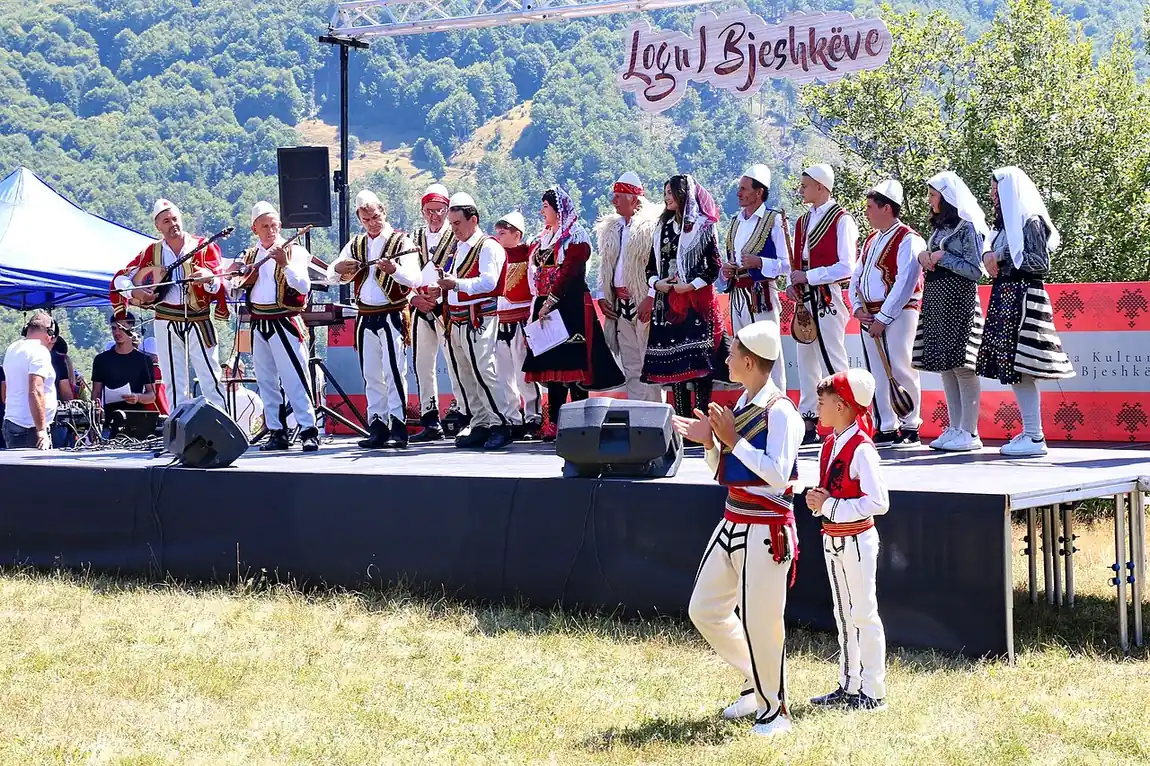
On the second weekend of August the village of Lëpushë in Kelmend, deep in the northern Alps, holds Logu i Bjeshkëve. The 2026 edition ran on Sunday 9 August, not the Saturday that the Albanian Wikipedia entry and most listings still print as the rule - a good reminder to check the year rather than the formula. For 2027 expect the weekend of 14-15 August, unconfirmed until the municipality posts it. Women compete for the Miss Bjeshka crown in the xhubleta, the bell-shaped highland dress UNESCO added to its List of Intangible Cultural Heritage in Need of Urgent Safeguarding in 2022, and it plays out in a natural amphitheatre at Qafa e Predelecit to lahuta and çifteli music. One day, a long drive from anywhere, and the most genuinely local big event here.
Four days later, Korça Beer Fest runs 12-16 August 2026, and this edition isn’t business as usual. It’s the twentieth, and the city has moved it out of the central squares for the first time, to a much larger site at Poli i Jugut in Drenovë. Five nights, a mixed Albanian and Greek line-up, and organisers who count over 100,000 visitors across the run. The national tourism agency calls it the country’s biggest summer tourist event, and Korça’s hotel stock is nothing like that size, so people sleep in Pogradec, Voskopojë and over the border. Entry is free on all five nights: the prime minister announced it in a social-media post and the organisers confirmed it to national press, though the municipality’s own announcement stays silent on price. What you can pay for is a table. The festival’s own site sells table tickets by barcode, one barcode per table for up to eight people, with the cost coming back to you in what you drink, and there’s a booth at the terminal entrance for them. So walk in free, and budget only if you want somewhere to sit (checked 8 August 2026). Full lineup, transport and the venue-name detail are in our dedicated Korça Beer Fest guide.
5 September closes the summer with Mother Teresa Day, a public holiday.
September and October: the smart months
Tirana International Film Festival holds its 24th edition on 21-27 September 2026, with screenings across Tirana at the Millennium Cinema, Agimi Art Center and Kino Piramida. It carries Academy and European Film Academy accreditation for Best Short Film, a serious credential at this size, and September in Tirana is pleasant rather than punishing.
The Tirana Marathon runs its tenth edition on 25 October 2026, organised by the city with the national athletics federation; the previous edition, in October 2025, drew over 4,000 runners. It is a genuine marathon despite what some travellers assume: entrants choose between the 42.195 km marathon, a 21.1 km half marathon and a 10 km fun run, all starting and finishing at Skanderbeg Square. Weather, sea temperature and what else is still open that month are in Albania in October.
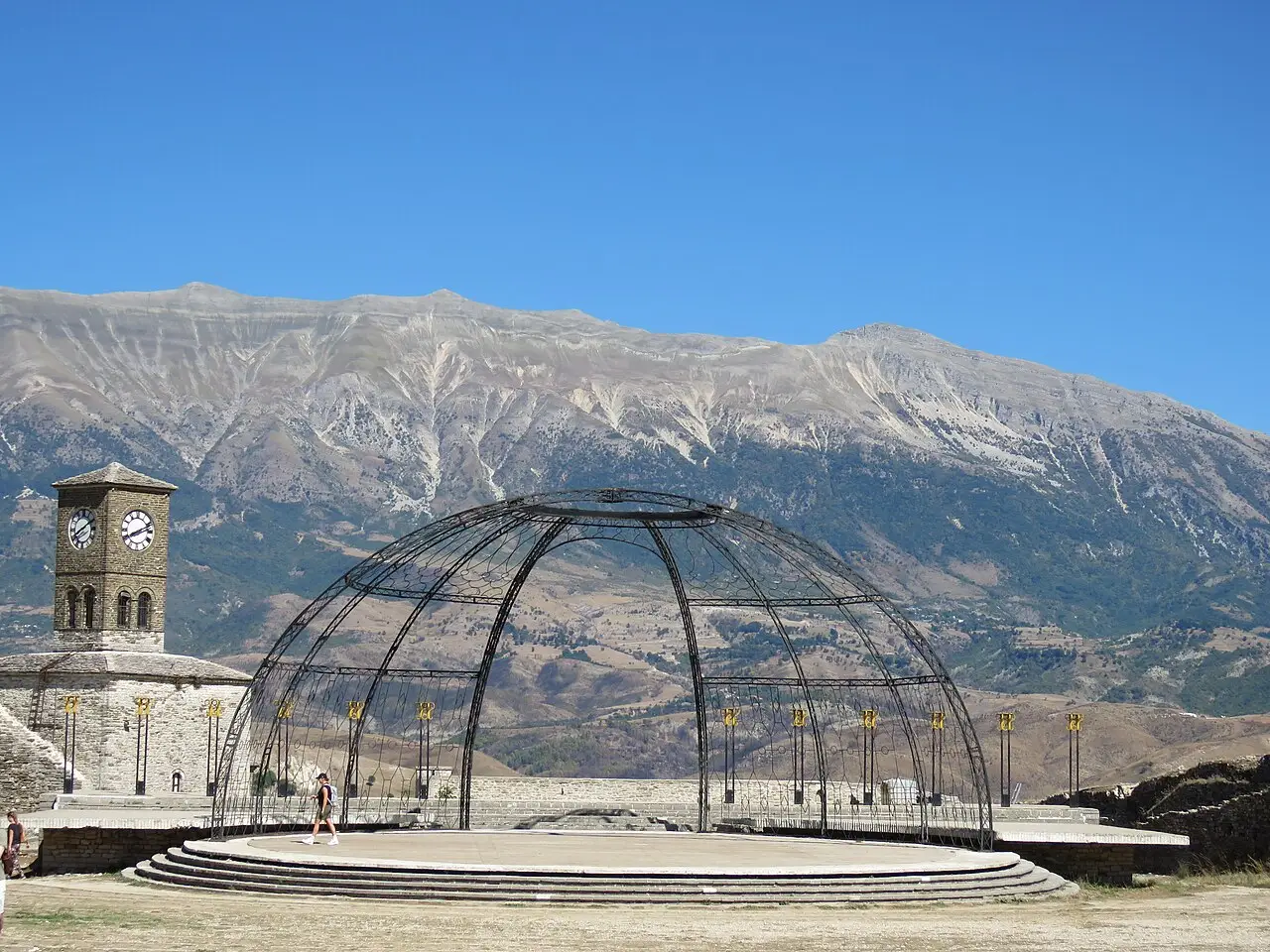
A word on the one event everyone asks about. The Gjirokastër National Folklore Festival is the country’s most important cultural gathering, staged in the castle above the stone city, and it’s nominally five-yearly. The twelfth edition ran 24 June to 1 July 2023, and Albanian media headlined it as returning after eight years, which tells you what that cycle is worth in practice. Nothing is announced for a thirteenth. Don’t build a trip around it, and don’t trust any site that lists it as annual.
November and December: flags, an alphabet and a song contest
Late November is the patriotic block: 22 November for Alphabet Day, marking the 1908 Congress of Manastir that settled the Albanian alphabet, then 28 and 29 November for Independence and Liberation. Flags go up on every balcony and Tirana’s boulevard fills. In 2026 those two fall on a Saturday and Sunday, so Monday and Tuesday come off as well and the country stops for four days.
December brings Festivali i Këngës, the state broadcaster’s song contest at the Palace of Congresses in Tirana and Albania’s Eurovision selection. The 64th edition ran 17-20 December 2025 over four shows; dates for the next weren’t published when this was checked, but mid-December is the pattern. The hall alone is worth the evening, a Cold War monument still doing its original job - slot it into our things to do in Tirana list if you’re in the capital that week.
Booking around the dates
Three notes, in the order they’ll cost you money.
Beds first, tickets second. For Kala and Anjunadeep they’re the same purchase anyway. For Korça in mid-August and the last week of July on the coast, the room is the constraint and the event isn’t. Start with where to stay in Albania if you’re still picking a base.
Then the transfer. Tirana airport is the arrival point for nearly all of this, and the coast is two to three hours over the Llogara road. Shuttles run on fixed days only, so a pre-booked car beats haggling at 01:00 with a queue behind you.
Then the boring cover. Beach festivals, mountain roads and a rented scooter are the exact combination insurers query, and an EU health card won’t help because Albania sits outside the EU - see our Albania travel insurance guide. Carry lek too: village stalls and smaller festivals are cash-only, as our guide to paying by cash or card explains.
The short version
Want the big country-wide moments? Aim at 9-16 August: Logu i Bjeshkëve on the second weekend, Korça Beer Fest from the Wednesday after. Want a beach festival with the hotel included? That’s June in Dhërmi or Shëngjin, booked half a year out. Want culture without crowds? Late September gives you a film festival and an empty beach in one trip. Want the country at its most itself? 14 March in Elbasan, eating a cookie the size of your palm.
One closing caution. Albanian organisers confirm late, sometimes six weeks out, and recycled posters sit online for years. Every date here carries its source, last checked on 24 August 2026. Before you book a flight around one event, open the organiser’s own page and check the poster is this year’s.
Read also

Entertainment · 10 min read
Albanian Riviera Beach Clubs: Party or Laze
Updated · August 18, 2026Named clubs from Palasa to Jale: how loungers work, what is still open in late August 2026, and why the ranking's best beaches barely have a club.

Entertainment · 8 min read
Korca Beer Fest 2026: Dates, Free Entry & New Venue
Updated · August 8, 2026Korca Beer Fest 2026 runs 12-16 August, free entry every night, 20th edition moved for the first time to Drenove - lineup, tickets and how to get there.

Entertainment · 12 min read
Za Fest Shkodra 2027: Dates, Tickets, Rozafa Castle
Updated · August 8, 2026Za Fest (Zafest), Shkodra: no 2027 dates yet, but every edition runs Thu-Sat in late July. Castle nights ran 2,500-3,700 lek (€27-39). How to plan it.

Entertainment · 8 min read
Tirana Nightlife: Bars, Clubs & the Blloku Scene
Updated · June 23, 2026Where to go out in Tirana: the Blloku bar scene, cocktail and raki bars, clubs, rooftop lounges, plus safety, taxis and seasonal tips.