Permet, Albania: the Vjosa, Rafting & Gliko
Permet travel guide: rafting the Vjosa (EUR 35), gliko and raki, the 1944 Congress, Leusa church, the Benja baths, where to stay and how to get there.
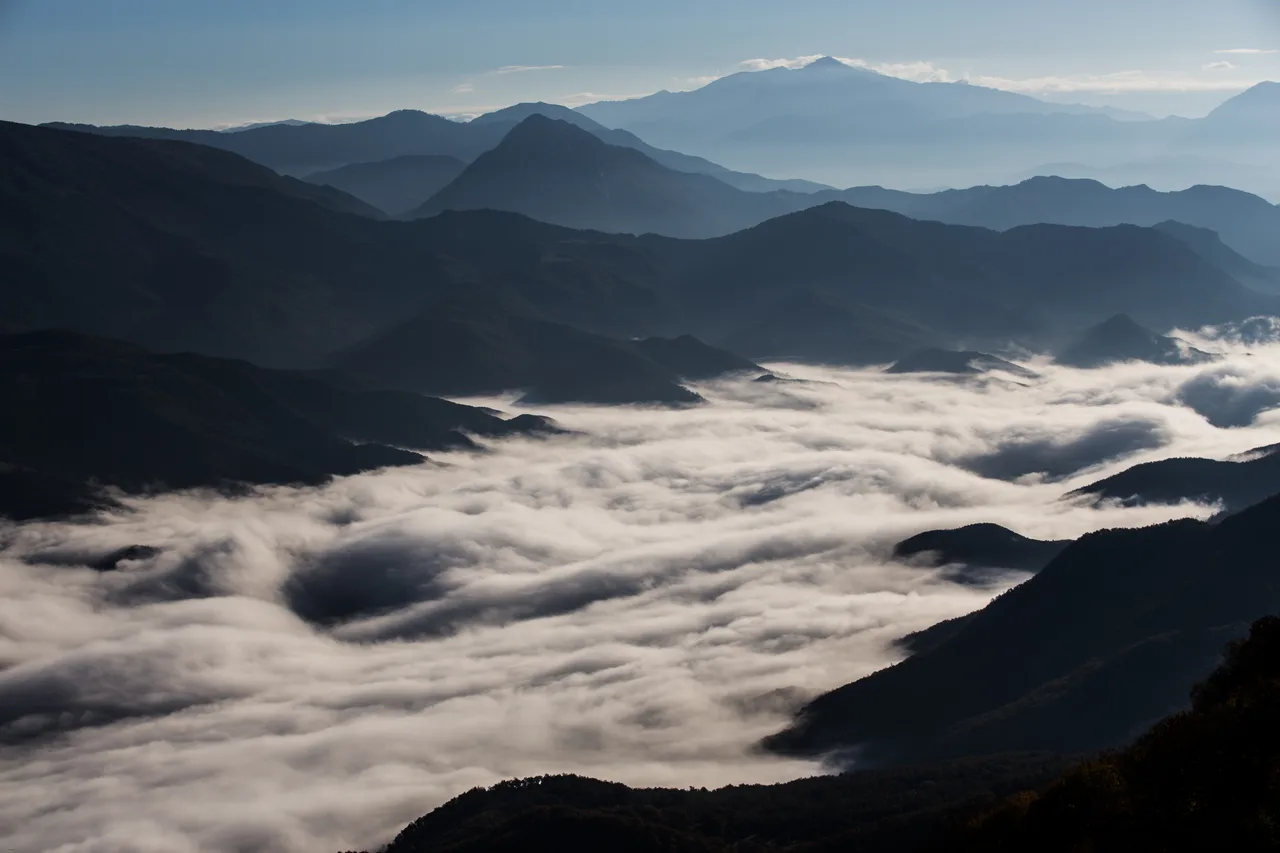
Përmet is the green town Albania’s south is quietly proud of: a strip of Ottoman houses and socialist-era blocks strung along the Vjosa river, ringed by two protected areas. Ask what the town is famous for, though, and nobody mentions the view. It’s gliko and raki - two things you drink and eat rather than photograph. Përmet is also where the country’s provisional government was elected in 1944, which explains the outsized number of monuments for a town of under 5,000 people. Most visitors pass straight through on the way to the Benja thermal baths, 14 km away. A night here on its own merits is worth more than that quick detour suggests.
The Vjosa is why the town exists
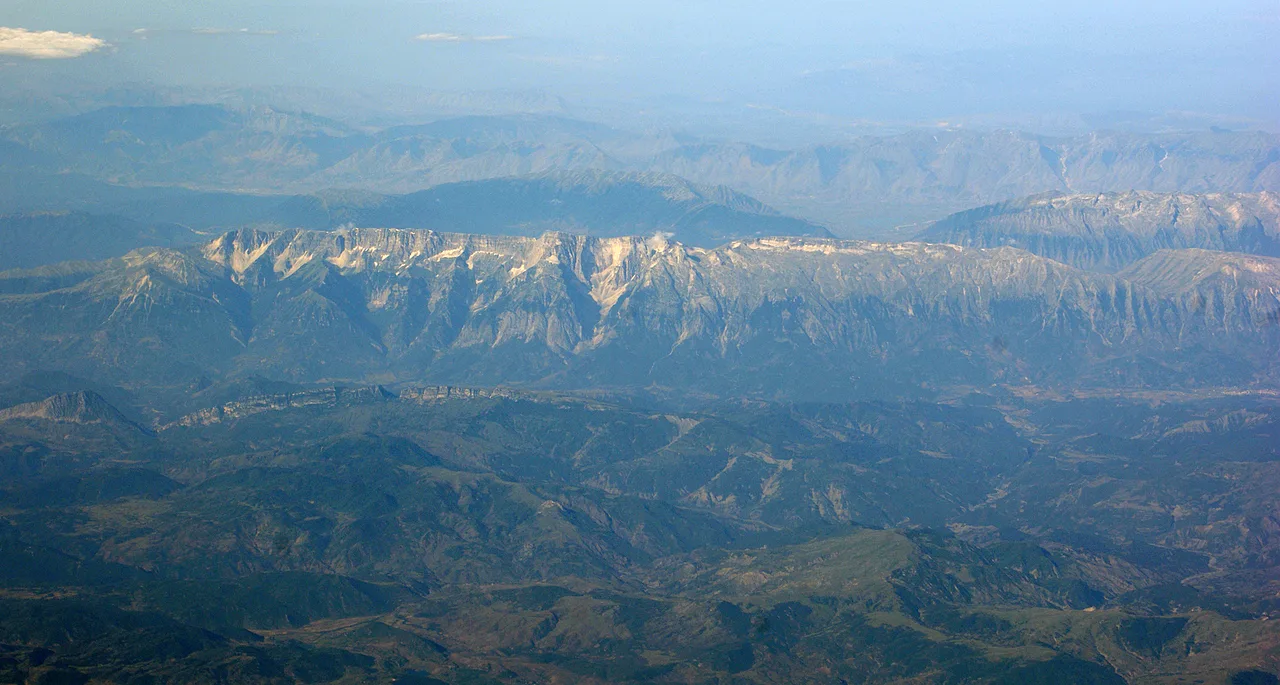
Përmet sits on the banks of the Vjosa, one of the last wild, free-flowing rivers left in Europe, flanked by the Trebeshinë-Dhëmbel-Nemërçkë mountain chain and cutting through the dramatic Këlcyrë Gorge just north of town.
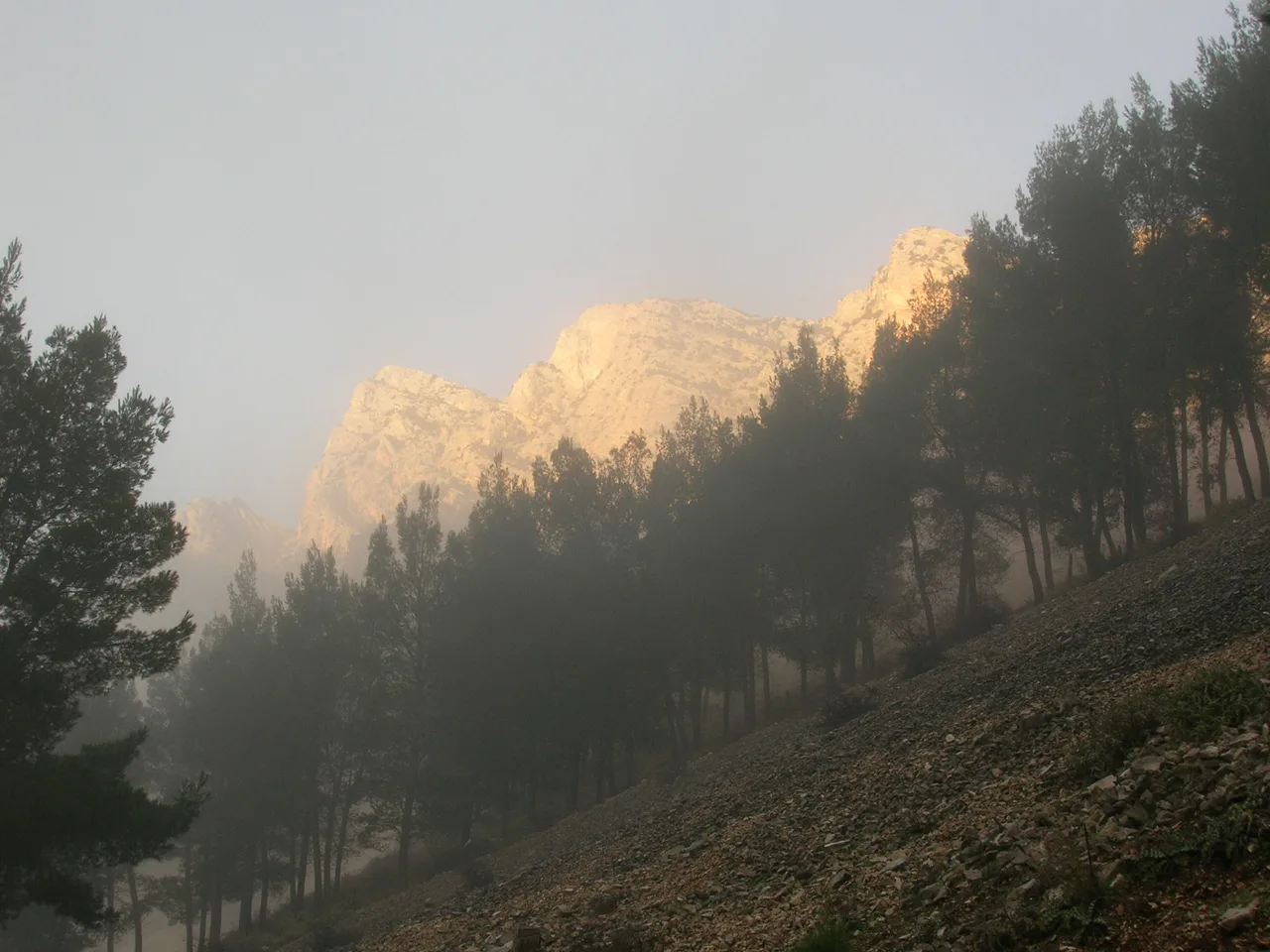
Since 15 March 2023 the river has been protected as the Vjosa Wild River National Park, Europe’s first wild-river national park, declared at a ceremony in nearby Tepelenë. Përmet is its unofficial capital, its outfitters and guesthouses built around it. The name comes from the dialect phrase përm eti, “to quench thirst”: a fitting origin for a river town.
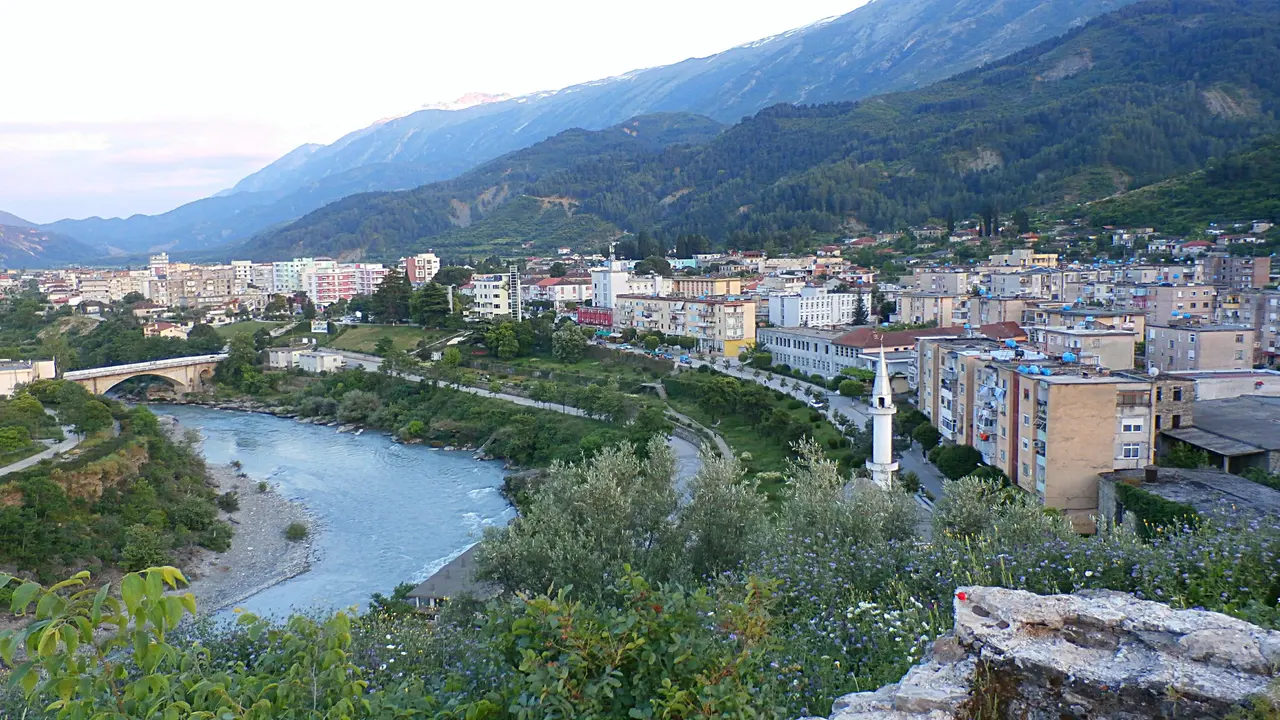
You don’t need to raft or hike to enjoy that setting. The evening walk along the river, past the town’s bridges with the Nemërçka range catching the last light, is free - and does most of the work of explaining why people who meant to stay one night end up staying two.
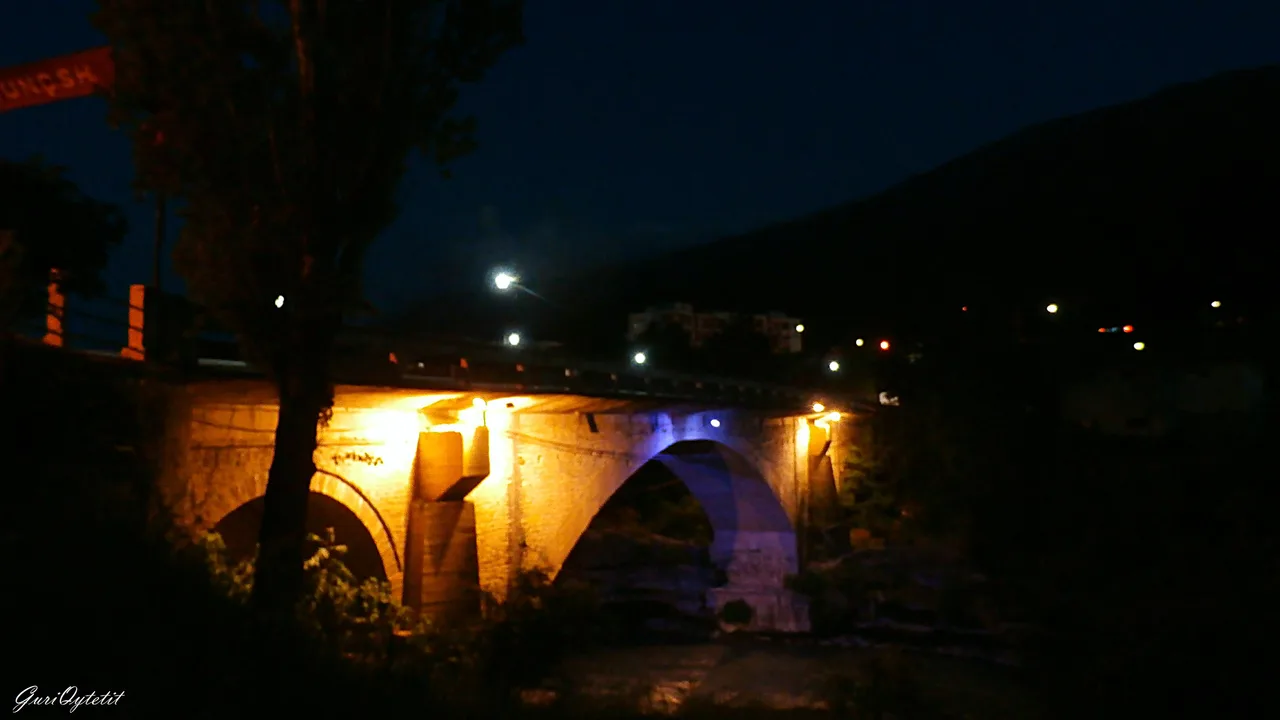
Rafting the Vjosa, and the hills above it
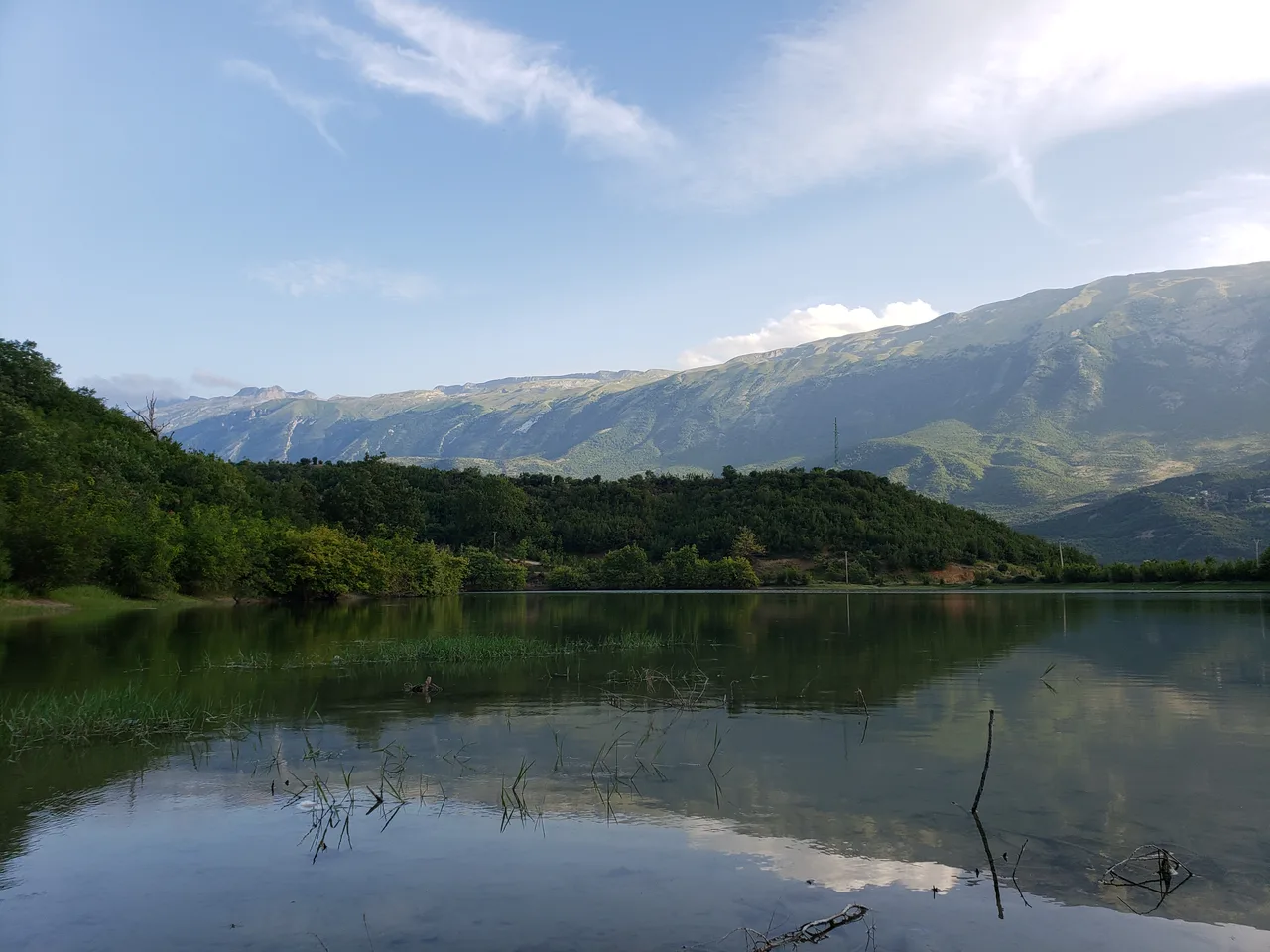
Vjosa Rafting, the operator based in town, runs guided trips through Class II-III rapids for EUR 35 an adult, EUR 30 a child (checked 8 August 2026, confirm when booking). The 2-3 hour outing is marketed as suitable for all skill levels, not just experienced paddlers. Groups run four to eight per raft plus a guide, life jackets and the return transfer to Përmet included. You book the 10:00 or 15:00 slot online with a small reservation fee and pay the rest in cash on arrival, so bring notes - simpler than chasing the same trip through a reseller, and Permet runs on cash anyway.
Above the valley, the Fir of Hotovë-Dangëlli National Park is Albania’s largest national park at 34,361 hectares, with the biggest stand of Bulgarian fir left in the Balkans and brown bears, wolves and wild boar in its higher reaches. The access road out of Përmet is unpaved and rough enough to need a 4x4. Admission is free year-round (checked 8 August 2026). Don’t expect facilities: this is a forest, not a visitor centre.
Gliko and raki: what Përmet is famous for
If you ask an Albanian what Përmet means to them, the answer is rarely the river. It’s gliko, a candied-fruit preserve so tied to the town that it carries Slow Food Presidium status. Cherries, pears, grapes, plums, green walnuts, wild figs and even aubergine all go into it, depending on the batch. The fruit soaks in a lime-and-water bath until firm, then simmers for about an hour in sugar syrup in a copper pot over an open flame, with lemon added along the way to keep the colour bright.
Most families still make their own at home and offer it to guests rather than sell it. Only three families have turned it into a business; the rest make it for the house and for guests.
Raki is the other half of the reputation: homemade grape brandy that shows up at every table, alongside the region’s wine. Between the two, Përmet’s culinary identity is built on things you drink and preserve rather than cook - our guide to Albanian food and what to eat covers the wider picture.
A green town with an outsized history
Local revolutionaries freed Përmet from Ottoman control on 14 August 1912, but the town’s bigger moment came three decades later. Over 24-28 May 1944, 188 delegates from the Communist Party, the National Liberation Movement and the partisan brigades gathered here for the Congress of Përmet, which elected Albania’s first provisional government. The building still stands in the town centre. That’s a lot of history for a place this size.
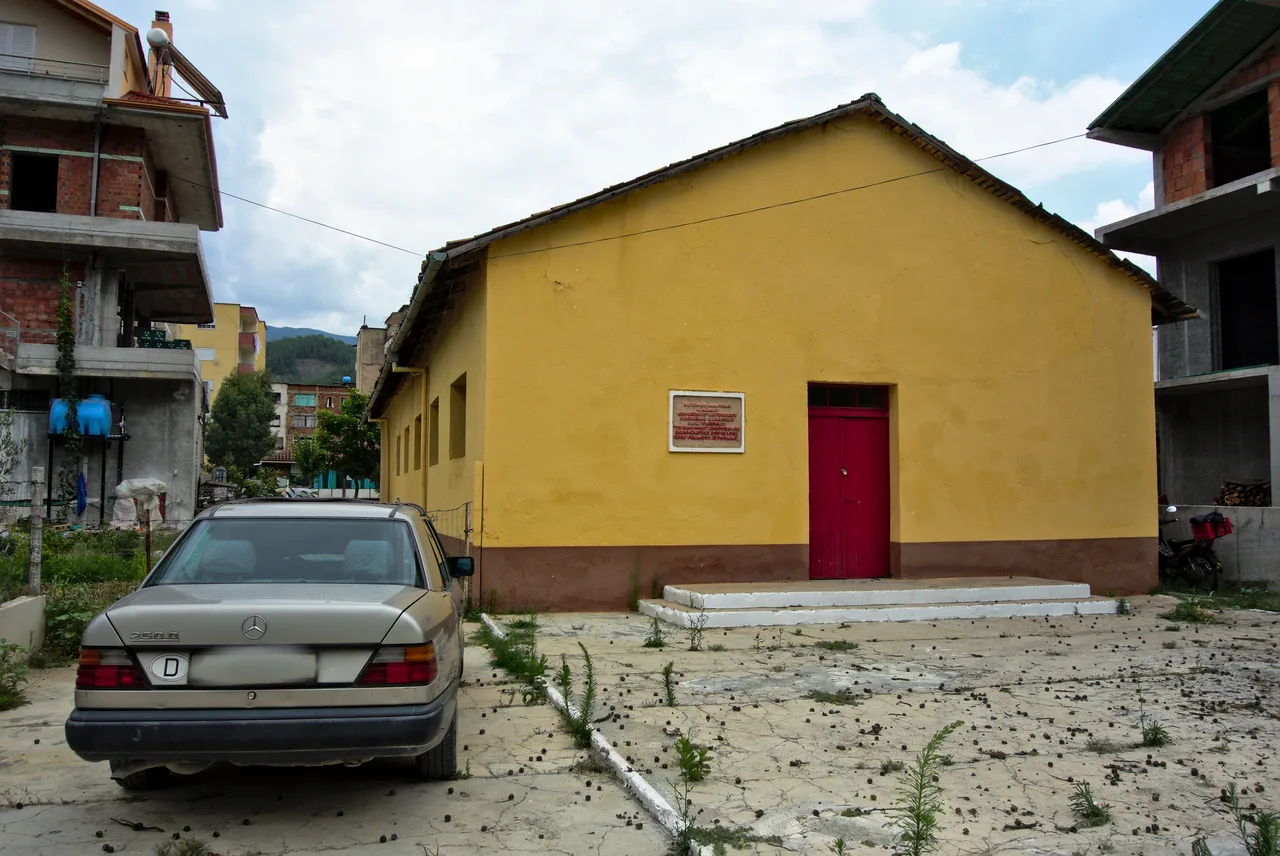
Përmet’s other claim runs further back: Naim Frashëri, Albania’s national poet and the central figure of the 19th-century Rilindja Kombëtare (National Awakening), was born in 1846 in Frashër, a village within the modern Përmet district. There’s no Frashëri museum on the main square, but his name is attached to schools and streets across the country, adding a layer to a town that otherwise reads as purely about food and water.
The walk to Leusa church
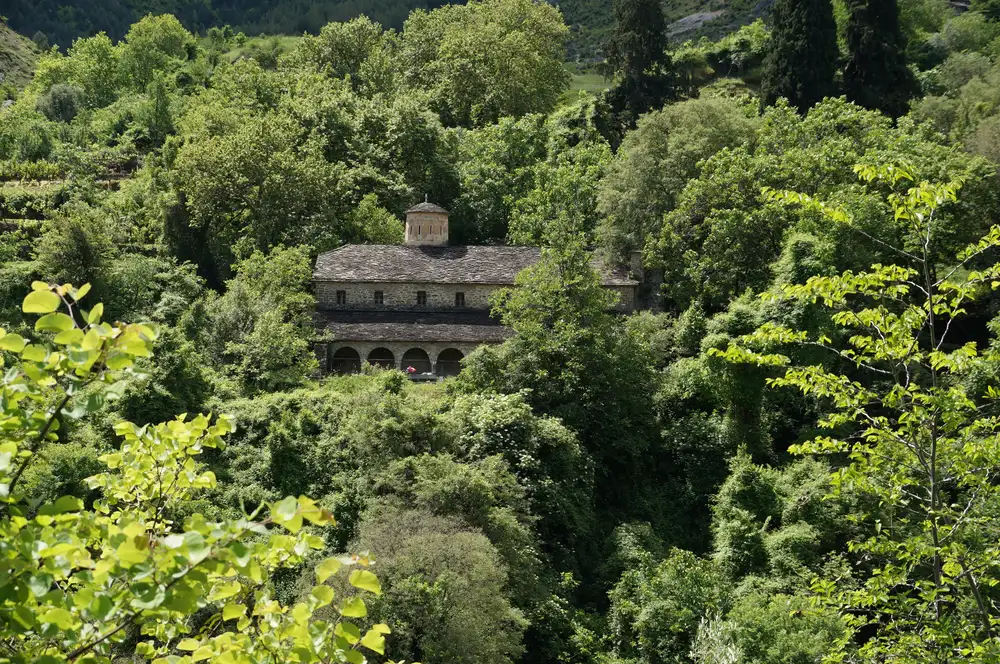
If you have a spare morning, the walk up to Leusa church (Kisha e Leusës, formally the Dormition of the Mother of God) is the single best half-day outing that doesn’t involve a raft. It’s roughly 25 to 40 minutes on foot into the forest near the village of Leusa. The building is one of the largest Orthodox churches in southern Albania, raised in the 18th century on a 6th-century Byzantine site, its early 19th-century frescoes covering nearly every interior surface. Dress modestly - it’s a working church, not a museum piece. The real reward, though, is the view: the climb lays out the Vjosa valley beneath you, as good an introduction to why this area is protected as any sign at the park boundary.
Benja thermal baths: the day trip everyone comes for
Most people who’ve heard of Përmet know it because of Benja, the open-air mineral pools under an 18th-century Ottoman bridge, 14 km and about 25 minutes away by car. Bathing is free and the water is lukewarm rather than hot, though 2026 has been a building-works year, with basins repeatedly reported dry mid-season - worth checking recent photos before you commit to the drive. Our dedicated Benja thermal baths guide covers the full picture: temperatures, facilities, the 2026 construction saga and how to get there without a car. Treat Përmet as the base and Benja as the half-day trip out of it, not the other way around.
Where to stay in Permet
Përmet is small enough that location matters less here than in Saranda or Gjirokaster, but two areas still stand apart. Riverside guesthouses put you a short walk from the water, most with a terrace facing the Vjosa or the Nemërçka range - the obvious pick if the evening river walk is the reason you’re staying. A cluster nearer the town centre trades the view for proximity to restaurants and the gliko shops. Either way you’re rarely more than ten minutes from both.
Small family-run guesthouses dominate over international chains: simple rooms rather than resort amenities, often with a host happy to point you toward a rafting trip or a gliko seller. Book ahead in July and August, when rafting season and the Benja crowds peak; outside summer, rooms are easy to find on arrival.
How to get to Permet
There’s no train anywhere near Përmet, and public transport is the honest weak point of this guide: unlike Berat, Sarandë or Korçë, no operator sells Tirana-Përmet tickets online. Furgons and buses still cover the route without one. The departure point is typically a cluster of vans near the market rather than a proper station, so ask locally “furgon për Përmet?” and expect to be pointed down the street - our how to get around Albania guide covers how that system works country-wide. Budget for a day found on the ground, not booked ahead.
| Route | Roughly | Notes |
|---|---|---|
| Gjirokastër -> Përmet | ~65 km / ~1.5 h | The common pairing; most visitors arrive from the stone city. |
| Tirana -> Përmet (car) | ~230 km / ~4-4.5 h | Direct on the SH4 through Fier and Tepelenë - no need to detour via Gjirokastër. |
| Përmet -> Benja | ~14 km / ~25 min | Paved with some potholes and a short gravel stretch; a normal hire car manages it. |
Driving the wider south? Our southern Albania road trip builds this stretch into a full loop from Sarandë through Gjirokastër and back to the coast at Himara. How to rent a car in Albania covers the insurance details worth knowing before you book.
Practical tips for visiting Permet
- Currency. Albanian lek; a cash town away from the larger hotels, so carry enough for gliko, raki and guesthouses.
- How long to stay. One night covers the town, Leusa or a rafting trip; two lets you add Benja without rushing.
- Best season. Spring and autumn suit the walking and keep rafting levels workable; midsummer is hot and Benja gets crowded.
- Pack for Leusa. Modest dress inside the church, and the path up is unpaved.
Përmet doesn’t try hard to be a destination in its own right, which is exactly why it works as one. A river you can raft or just watch from a bridge. A preserve most of the country associates with this one town. A history that briefly put it at the centre of the country. A thermal soak twenty-five minutes down the road. Few towns this size carry that much without making a fuss about it.
Building a longer trip around Përmet
Paired with the rest of the south, Përmet is the leg that makes a trip different. The Benja thermal baths sit 14 km away, Gjirokastër about 65 km further on, and the southern Albania road trip strings both together with the coast. For more canyons, the Osumi Canyon near Berat is the country’s other big canyon-and-water outing, or browse more city guides for what else to add.
Photos
On the map
The map loads on click - to keep the page lightweight.
The map didn’t load. Check your connection and refresh the page.
Distance ≈230 km · ~4-4.5 h by road
- Tirana ≈230 km · ~4-4.5 h by road Direct on the SH4 through Fier and Tepelene, no need to detour via Gjirokaster; a Permet-based operator puts the last leg at closer to 215 km / 3.5 h.
Read also

Cities · 10 min read
Korca Travel Guide: Bazaar, Beer & Southeast Albania
Updated · August 14, 2026Korca (Korce) guide: walk the Old Bazaar, see medieval icons, taste Birra Korca, then day-trip to Voskopoje or Lake Ohrid.

Cities · 13 min read
Dhermi, Albania: Beaches, Drymades & the Old Village
Updated · August 29, 2026Dhermi and Drymades guide: which beach is which, what a sunbed costs, boat trips to Gjipe, the old Greek village above the coast and the bus-stop catch.

Cities · 11 min read
Pogradec & Lake Ohrid: The Albanian Side
Updated · July 21, 2026Pogradec on the Albanian shore of Lake Ohrid: pebble beaches, the promenade, the Drilon springs, koran trout and Lin's mosaics, without Ohrid's crowds.

Cities · 10 min read
Kruja, Albania: Skanderbeg Castle & Old Bazaar Guide
Updated · August 24, 2026Kruja day-trip guide: Skanderbeg's castle and museum, the Ottoman Old Bazaar and Ethnographic Museum, how to get there from Tirana and how long to stay.