Za Fest Shkodra 2027: Dates, Tickets, Rozafa Castle
Za Fest (Zafest), Shkodra: no 2027 dates yet, but every edition runs Thu-Sat in late July. Castle nights ran 2,500-3,700 lek (€27-39). How to plan it.
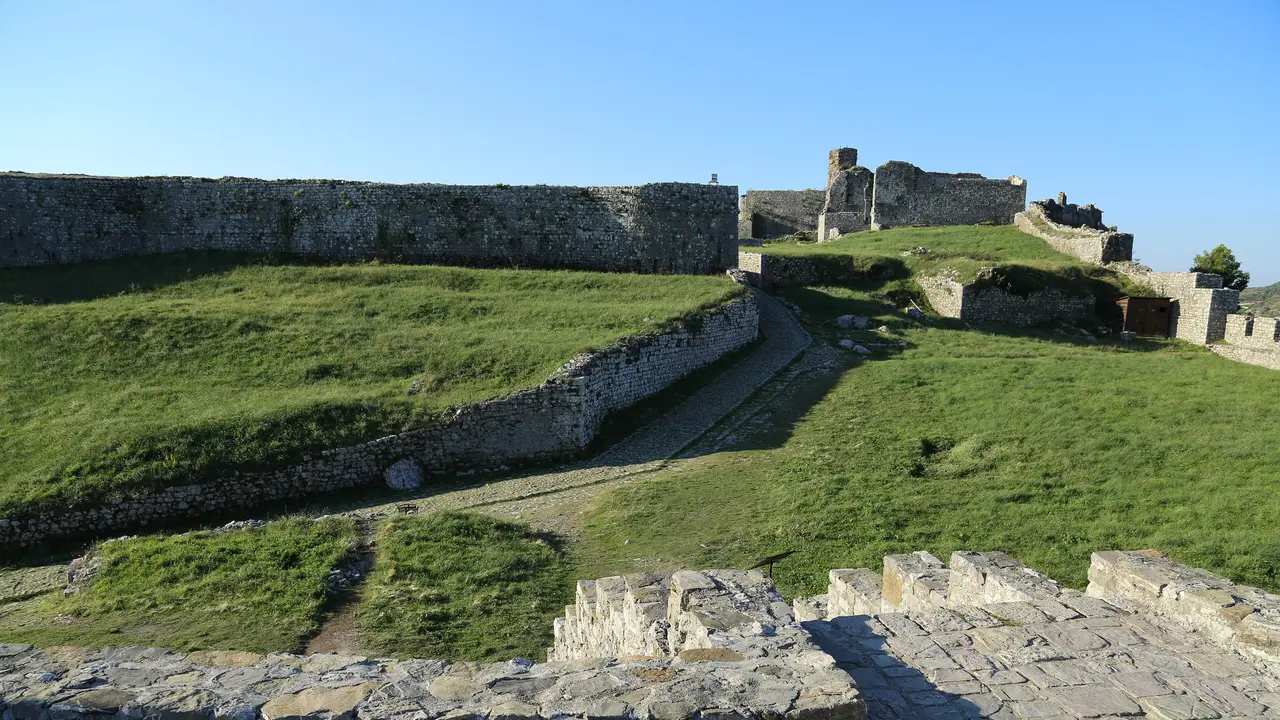
Za Fest, spelled Zâ Fest by its organisers and Zafest by everyone else, is a three-night arts festival in Shkodra, northern Albania: one opening night down in the city, then two ticketed music nights inside Rozafa Castle. It has run every year since 2017, and the tenth edition took place on 23, 24 and 25 July 2026. A pass for both castle nights cost 3,700 lek in 2025 and a single night 2,500, which is roughly EUR 27 to 39, or USD 31 to 45, and the opening night has sometimes been free.
Dates for the eleventh edition haven’t been announced. As of 1 August 2026 the festival’s own site still shows the 2026 poster, so the pattern of past years is what you plan by: every dated edition has run Thursday to Saturday in the second half of July. If you’re coming from a long way off, block a Thursday-to-Sunday window in late July 2027, book beds first and tickets later, and take the confirmed dates from the organisers rather than a recycled poster.
Before you picture a field full of tents, know that this isn’t that kind of festival. Albanian television counted “hundreds” of people at the castle on the second night of 2026, not tens of thousands, and the opening night was a poet and a writer talking about contemporary Albanian literature. Anyone turning up expecting Exit or Sea Dance will be baffled. Anyone who likes the idea of live music on a rampart above a lake, in front of a mostly local crowd, has found the best three nights of the northern summer.
What Za Fest actually is
The festival started in 2017 in Theth, the village deep in the Albanian Alps, where the alpine setting did the work a stage rig usually does. Over the years it moved down to Shkodra and spread across the city’s heritage buildings: Rozafa Castle, the museum houses, a few other historic spaces. It’s run by Qendra Zâ, a non-profit, and the person behind it is Vlashent Sata, a singer-songwriter born in Tirana in 1983 who turns up on his own bill: he played the 2024 edition and closed the 2026 one.
The programme is deliberately not a gig list. The organisers describe Za Fest as music, theatre, poetry, contemporary ballet and cinema, plus conversations where people compare notes, and they’re open about the wider aim: pulling visitors into a corner of Albania that has sea, mountains, a lake, a city and history in it, and putting money into local businesses while doing it. The institutional backing is real rather than rhetorical. The 2024 edition was supported by the EU Delegation in Albania, and coverage of the 2025 one called the festival a model of cultural diplomacy, with a bill drawn from Albania and the wider Western Balkan region.
Sata put the tone of the thing well when the 2026 edition closed. “Za Fest is always the same, only the years change,” he told Report TV. “This festival belongs to the people, it doesn’t belong to me. Culture and heritage are ours and we have to give them value for the future too.”
The three nights are not interchangeable
This is the part most listings get wrong by lumping the dates together. The festival comes in two halves, and has for years: an opening night in a heritage building down in the city, then two music nights up at the castle. In 2024 that opening was in the courtyard of the Oso Kuka house and free to walk into; in 2026 it was inside the same building, which holds the Historical Museum. The ticket is for the castle.
Night one, at the Historical Museum, was given to literature: the poet Mimoza Ahmeti and the writer Rita Petro talking about poetry, the creative process and what’s difficult about writing in Albanian now. For the tenth anniversary the organisers also screened a retrospective documentary running from that first Theth edition onwards, and the evening ended with a concert by Linda Rukaj. Also on the bill that night: Rafael Hoxhaj and Denald Grepcka.
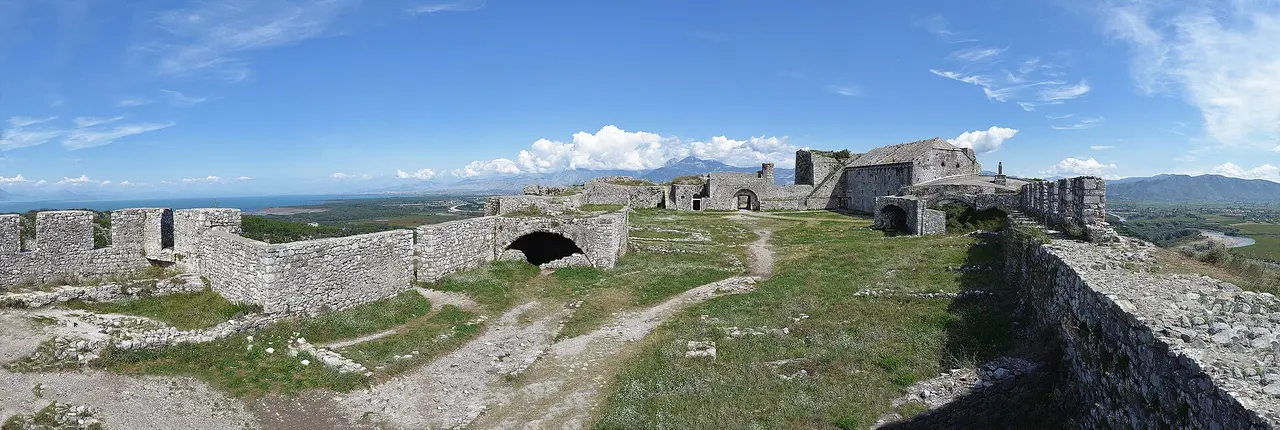
Nights two and three were up at Rozafa Castle, and that’s where the music lives. According to Report TV, the castle became the centre of the city’s music for two nights running; the names attached to the 2026 edition include NRG Band, Shpat Deda, West Side Family and Sata himself, who closed the festival on the castle stage with Tayna. Euronews Albania reported hundreds of people at the castle on the second night, from Shkodra and from other cities, with Dojna Mema presenting.
So, if you can only make one night: the castle nights are the music, and they’re the ones to arrange a taxi for. The opening is the odd one out and, on the 2024 precedent, the one you may be able to walk into without a ticket. A house courtyard in town sets a different register from an open hilltop, and in a country where the summer culture calendar leans hard on beach concerts, an hour of poets talking about contemporary Albanian writing is the rarer booking.
Read the line-ups as a signal, not a promise. RTSH’s list for 2025 ran Armend Rexhepagiqi, Rednex, MC Kresha & Lyrical Son, Casadilego, Petrit Çarkaxhiu, Arbër Agalliu, Lorik Cana and Rafael Hoxhaj, among others: rappers, singers and, in Cana, the retired footballer who captained Albania rather than any kind of musician. The 2025 opening also launched an exhibition, “Me rrojt pa ik?”, built from fifteen paintings by young artists from the Adriatic and Ionian region, and the 2024 edition put more than seven bands and 33 artists across its three nights. Expect that shape to repeat, and don’t expect a headliner you already have on a playlist.
Getting up to the castle, and what the venues are like
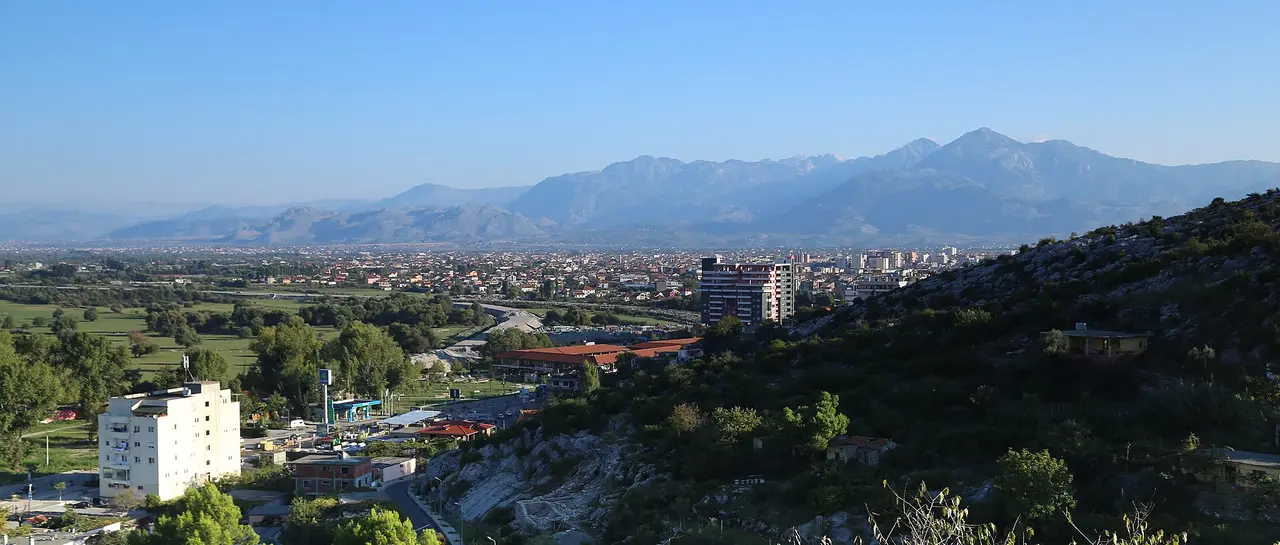
Rozafa Castle sits on a rocky hill about 3 km south of the centre, at the point where the Buna and the Drin meet. The Illyrians built first, most of the standing stonework is Venetian, and the Ottomans took it after the siege of 1478-79; inside the walls there’s the roofless shell of the 13th-century church of St Stephen and a lot of uneven grass and cobble. Daytime hours and tickets are on that visit page; festival nights are a separate ticket. Wear something you can walk on in the dark. The climb up is a steep paved road, which is fine in daylight and no fun in the dark after a set, so take a taxi and agree the pick-up before you go up. We found no published shuttle for festival nights, so treat transport as your problem rather than the organisers’.
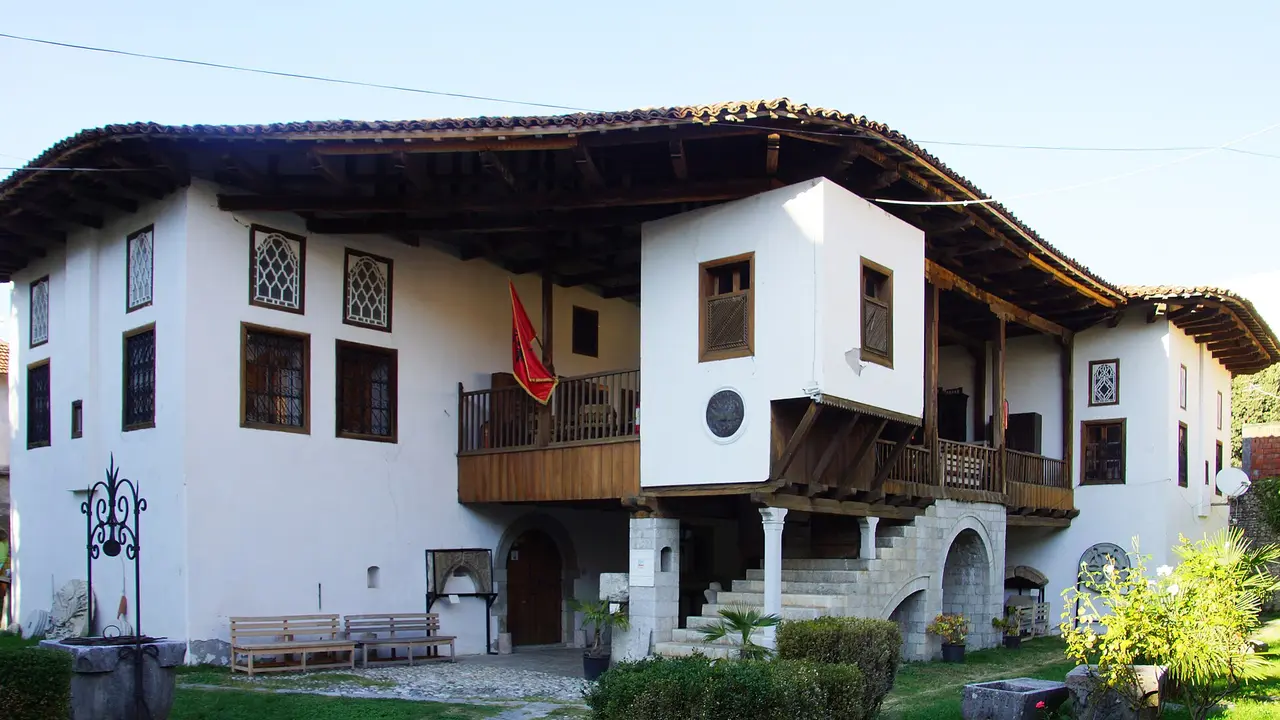
The other venue deserves ten minutes of your attention in its own right. The Historical Museum of Shkodra lives in Shtëpia Oso Kuka, a traditional 19th-century Shkodran house with a wooden veranda over a stone-arched ground floor. The museum itself began in 1947 as the “People’s Museum”, took its full form in 1949 and moved into this house in 1996; its sections cover archaeology, ethnography, visual arts and a library. Its courtyard is where the 2024 festival opened, which tells you the register of that first evening: close range, in town, nothing like the hill.
When it happens, and the trap with old dates
There’s no announced date for the eleventh edition. What there is, is a stubborn pattern.
| Edition | Dates | Where |
|---|---|---|
| 1st, 2017 | founding edition | Theth |
| 6th, 2022 | 28-30 July | Rozafa fortress, plus theatre in an old Shkodran house |
| 8th, 2024 | 18-20 July | Free opening in the Oso Kuka courtyard, two ticketed castle nights (19-20 July) |
| 9th, 2025 | 24-26 July | Opening night, then two ticketed castle nights (25-26 July) |
| 10th, 2026 | 23-25 July | Historical Museum, then Rozafa Castle |
Take the Thursday-to-Saturday pattern as a strong hint rather than a rule: those are the editions whose dates we could verify from a source, and the missing years include 2023, which searches put on a Friday-to-Sunday run. It’s still the useful bit for anyone booking flights early.
Here’s the trap. Because the dates shift by a few days each year, last year’s poster keeps circulating and looks plausible. In July 2026 you could still find “24-26 July” doing the rounds, which was 2025’s edition and a day out at both ends. On 1 August 2026 the festival’s own site was still showing the 2026 dates with a live ticket button, which tells you how quickly it gets updated. Take dates from zafest.al or the festival’s Instagram and Facebook accounts, and ignore anything that doesn’t say which edition it belongs to.
Tickets and the cashless bit nobody warns you about
Tickets are sold from the official site, where the button leads to SenPay, an Albanian ticketing and cashless-event platform. Your ticket arrives by email as a QR code that staff scan at the gate, and the same platform runs the on-site payments: an optional NFC card you top up and tap for drinks, food and merchandise, with everything priced in lek. In practice that means your own bank card and your cash can both be beside the point once you’re through the gate, so read what the ticket page says about the card before you head up to the castle.
Prices for 2026 weren’t printed by any of the Albanian coverage, and the SenPay page doesn’t keep an archive once an event closes. Earlier years give you a firm anchor, because the festival sold through the ticketing site e-ticket.al before it moved to SenPay. In 2025 a pass for both castle nights was 3,700 lek and a single night 2,500 lek; in 2024 the same pair was 3,000 and 2,000. Converted at the Bank of Albania’s mid-2026 rate of about 94 lek to the euro, that puts a two-night pass at roughly EUR 32 to 39, about USD 37 to 45 or GBP 27 to 34, and a single night near EUR 21 to 27. Both years listed free entry, with ID, for people with disabilities, over-65s and children under 12 (2025) or 13 (2024). Prices rechecked 1 August 2026: read them as the shape of the thing, not as a quote for next year.
Put that next to what the trip around it costs and the ticket stops being the decision. Two nights of music for the price of a London gig ticket is not what you’re weighing up; the flights, the two-hour transfer from Tirana and three nights in a small hotel town are. Which is why the beds come first.
Read what those tickets cover, too, because it’s the detail that catches people out. They’re for the two castle nights only. The opening night is handled separately and in 2024 wasn’t sold at all. Buy before you travel rather than after, since the castle crowd gets counted in hundreds, not thousands.
Planning a trip around the festival
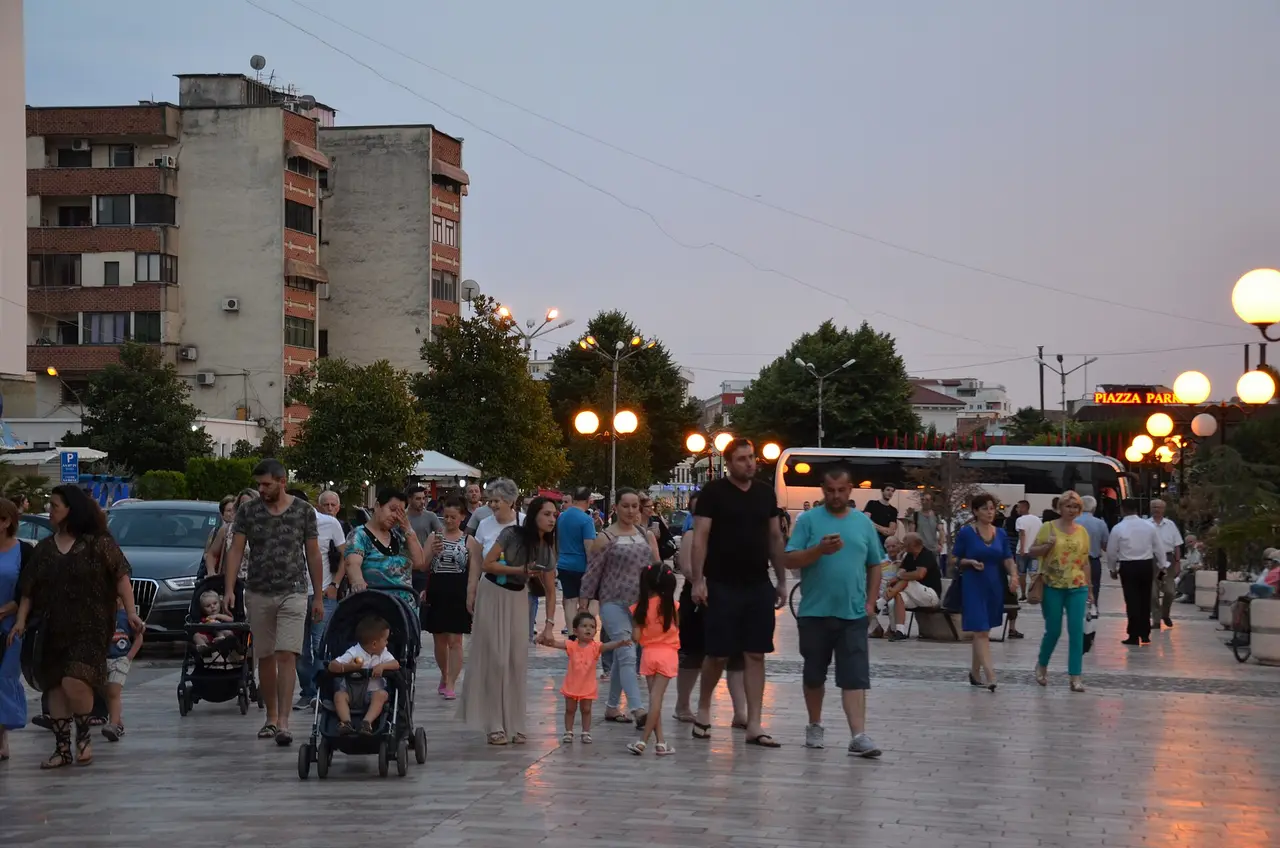
Three nights in Shkodra is more time than the city alone needs, which is the good news, because it’s the best-placed base in the north. Shkodra itself gives you Rozafa, the Marubi photography museum and the bazaar in a day. The Lake Koman ferry eats a full day and earns every hour of it. Theth, where the whole festival started, is a couple of hours up the road and pairs naturally with an evening back down in the city, and the full northern loop is laid out in our Albanian Alps itinerary.
Two practical warnings. Late July inland is hot, so plan the daylight hours around water or altitude and save the walking for the evening; our best time to visit page has the month-by-month picture. And book beds before tickets. Shkodra isn’t a big hotel town, and the festival crowd comes in from other cities as well as from the city itself.
Getting there is easy enough. Buses and furgons from Tirana run through the day, roughly every half hour in season, and take a little over two hours; the details are in Tirana to Shkodra. If you’re flying into Tirana on the day of a show, give yourself more margin than the timetable suggests. And since you’ll be eating your way through three late evenings, our guide to what to eat in Albania is the shortcut to ordering well.
If a castle rampart in July isn’t quite your scene, Korça throws its own five-night festival in the opposite corner of the country a couple of weeks later - and unlike this one, entry is free every night: our Korça Beer Fest guide covers the 12-16 August dates and the venue change for its 20th edition.
So should you build a trip around it?
If you’re already going to be in the Balkans in late July, yes, without much argument: three nights of decent music in a Venetian castle above a lake, with a crowd small enough that you can actually see the stage, beats another beach club by a distance. If you’re flying in from London or New York purely for this, be honest about what you’re buying. The line-up is Albanian and regional, most of the talking happens in Albanian, and the scale is intimate rather than epic. What you get instead is the version of a festival that has mostly disappeared elsewhere: local, unpolished, and set somewhere you’d have wanted to see anyway.
Photos
On the map
The map loads on click - to keep the page lightweight.
The map didn’t load. Check your connection and refresh the page.
Read also

Entertainment · 10 min read
Albanian Riviera Beach Clubs: Party or Laze
Updated · August 18, 2026Named clubs from Palasa to Jale: how loungers work, what is still open in late August 2026, and why the ranking's best beaches barely have a club.

Entertainment · 8 min read
Korca Beer Fest 2026: Dates, Free Entry & New Venue
Updated · August 8, 2026Korca Beer Fest 2026 runs 12-16 August, free entry every night, 20th edition moved for the first time to Drenove - lineup, tickets and how to get there.

Entertainment · 13 min read
Albania Events Calendar: Month-by-Month Guide 2026-2027
Updated · August 24, 2026What is on in Albania month by month: Korça Beer Fest 12-16 Aug, Logu i Bjeshkëve 9 Aug, Tirana Marathon 25 Oct, Kala 2-9 Jun 2027. Checked 24 Aug 2026.

Entertainment · 8 min read
Tirana Nightlife: Bars, Clubs & the Blloku Scene
Updated · June 23, 2026Where to go out in Tirana: the Blloku bar scene, cocktail and raki bars, clubs, rooftop lounges, plus safety, taxis and seasonal tips.