Korca Beer Fest 2026: Dates, Free Entry & New Venue
Korca Beer Fest 2026 runs 12-16 August, free entry every night, 20th edition moved for the first time to Drenove - lineup, tickets and how to get there.
Korça Beer Fest turns 20 in 2026, and the anniversary edition breaks with two decades of habit. Five nights, 12 to 16 August 2026, entry free every night, and for the first time the whole thing isn’t happening in the city centre at all: it’s moved to a new events ground in Drenovë, about 5 km outside Korça. If you’ve read about this festival filling the main squares in past years, that’s the part that’s changed.
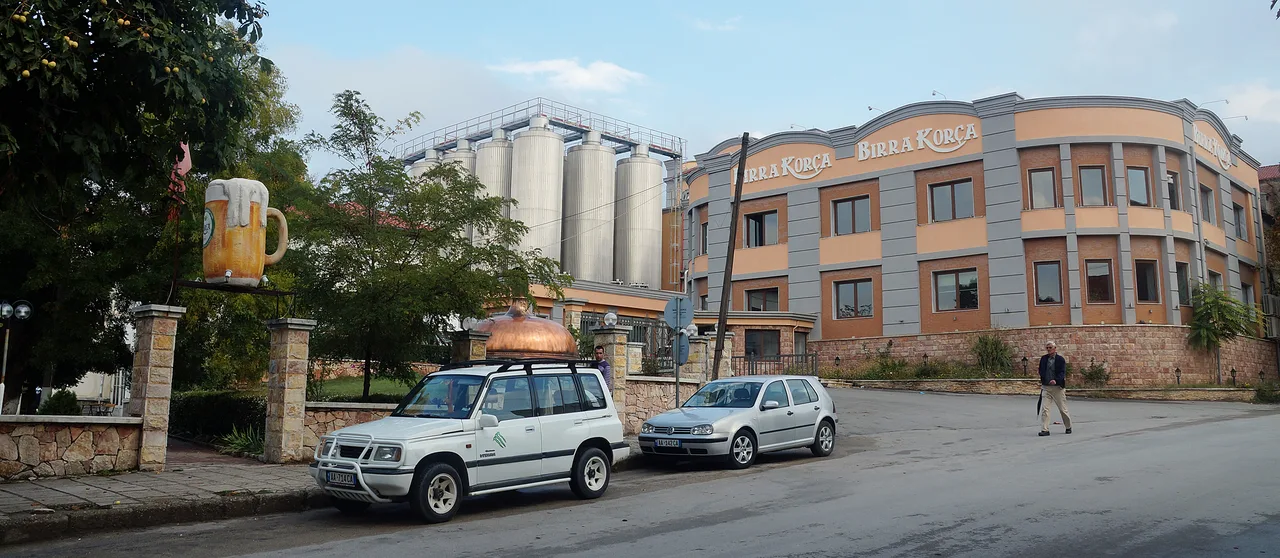
Birra Korça: the brewery behind the festival
The festival started in 2007, built around Birra Korça, Albania’s oldest brewery, founded in 1928 by the Italian investor Umberto Umberti and the local businessman Selim Mboria and still drawing its water from springs on Mount Morava above the city. Under its current owner since 2004, Irfan Hysenbelliu, the brewery now produces around 120,000 hectoliters a year and ranks as Albania’s third-largest beer producer. The August festival it helped launch outgrew the brewery a long time ago: the national tourism agency calls it the country’s biggest summer tourist event, and organisers put total attendance at over 100,000 visitors across the five nights - the same scale that’s the actual reason the 2026 edition needed a bigger site than the old town squares could offer.
For nineteen editions, the festival ran in Korça’s main squares, in the heart of a city Albanians nickname “the city of serenades” for its musical tradition. 2026 changes that.
2026: the 20th anniversary moves to Drenovë
This year’s edition, the 20th, is being pitched by the municipality as the most spectacular yet, and the headline change is where it happens. For the first time, all five nights move to a new events ground in Drenovë, chosen, according to the municipality’s own announcement, because it’s simply bigger: large enough to host thousands of visitors without the space limits of the old town squares.
The municipality’s own announcement calls the new site Poli i Jugut, “the Southern Hub”. A good part of the Albanian press instead calls it Poli i Eventeve (“the Events Hub”). This guide follows the organiser’s own name and points you to “Drenovë” as the fallback if a taxi driver doesn’t recognise either. Prime Minister Edi Rama posted about the move himself, promising “5 nights with music, beer, traditional cuisine, renowned artists and the unique atmosphere that only Korça knows how to create,” and it’s that post, echoed by organisers in comments to national press, that’s the source for the detail everyone wants to know: entry is free, every night. The municipality’s own announcement, notably, doesn’t mention price at all, one way or the other.
The lineup, night by night
| Date | On the bill |
|---|---|
| 12 August | Luiz Ejlli, Ivi Adamou (Greece), Eranda Libohova |
| 13 August | Magic 4, Triantafyllos (Greece) |
| 14 August | Aurela Gaçe, Ledri Vulë, Devis Xherahu |
| 15 August | Endri & Stefi, Alban Skënderaj, Anxhela Peristeri |
| 16 August | Rilind Alimani, Three Dots (closing night) |
The bill leans heavily on established Albanian pop names, with Greek acts on the two opening nights reflecting Korça’s proximity to the Greek border and its cross-border audience. As with any lineup announced weeks out, treat this as the shape of the week rather than a locked schedule; supporting acts sometimes shift closer to the date.
Nightly start times aren’t published for 2026 either. Past editions have run from around 19:00 to just before midnight, so plan your evening around that window, but treat it as a pattern rather than a promise - the municipality’s announcement gives no hour for this edition, and for the day-by-day running order it simply points people to its own Facebook and Instagram pages (“Festa e Birrës Korça”) rather than a printed schedule.
What’s free, and what still costs money
Walking in costs nothing. What can cost you is a seat. The festival’s own site - last updated for an earlier edition - describes a table system: scan a barcode at the entrance booth to claim a table for up to eight people, and whatever you pay for it comes back to you as credit for food and drink once you’re seated, so it isn’t really a cover charge, more a bar tab you commit to before you sit down. Standing room and wandering between the stalls needs no barcode at all.
Don’t assume that makes this a free-for-all like Za Fest in Shkodra: that one sells actual admission passes for its two castle nights, 2,500 to 3,700 lek when it was last priced, depending on how many nights you want. Korça’s free part is the door. Budget in lek for everything past it, and this page was checked against the festival’s own site and the municipality’s announcement on 8 August 2026, four days before the gates open - a genuinely new format at a genuinely new venue is exactly the kind of thing that can still shift, so check the municipality’s own channels rather than a recycled write-up if anything here looks different by the time you arrive.
Getting to Korça for festival week
Korça sits roughly 160 km southeast of Tirana, and the bus is the practical way in. GjirafaTravel lists five operators on the route (Eno, El Alba 2, Demokracia 95, Star Bus Korça and Er-Trans), running 21 departures a day between 06:00 and 19:00. Fares sit in the rough range of EUR 7-12, and the journey takes a little over three hours. Buses to Korça leave Tirana from the East Terminal at the TEG mall, a different building entirely from the Regional Bus Terminal that handles Berat, Vlore and the south. Our how to get around Albania guide has the full terminal breakdown for the rest of the country.
From central Korça to the Drenovë venue itself, it’s about 5 km: budget a few hundred lek for the short taxi ride, since no operator publishes a fixed fare for a hop that size. No purpose-built festival shuttle has been announced as of this writing, which isn’t unusual for a first year at a new site, so ask your accommodation once you’ve checked in. Drenovë itself is better known outside festival week for the fir forest reserve nearby, Bredhi i Drenovës, so if the venue name means nothing to you right now, that’s the reason locals already knew it before the festival did.
Where to stay during festival week
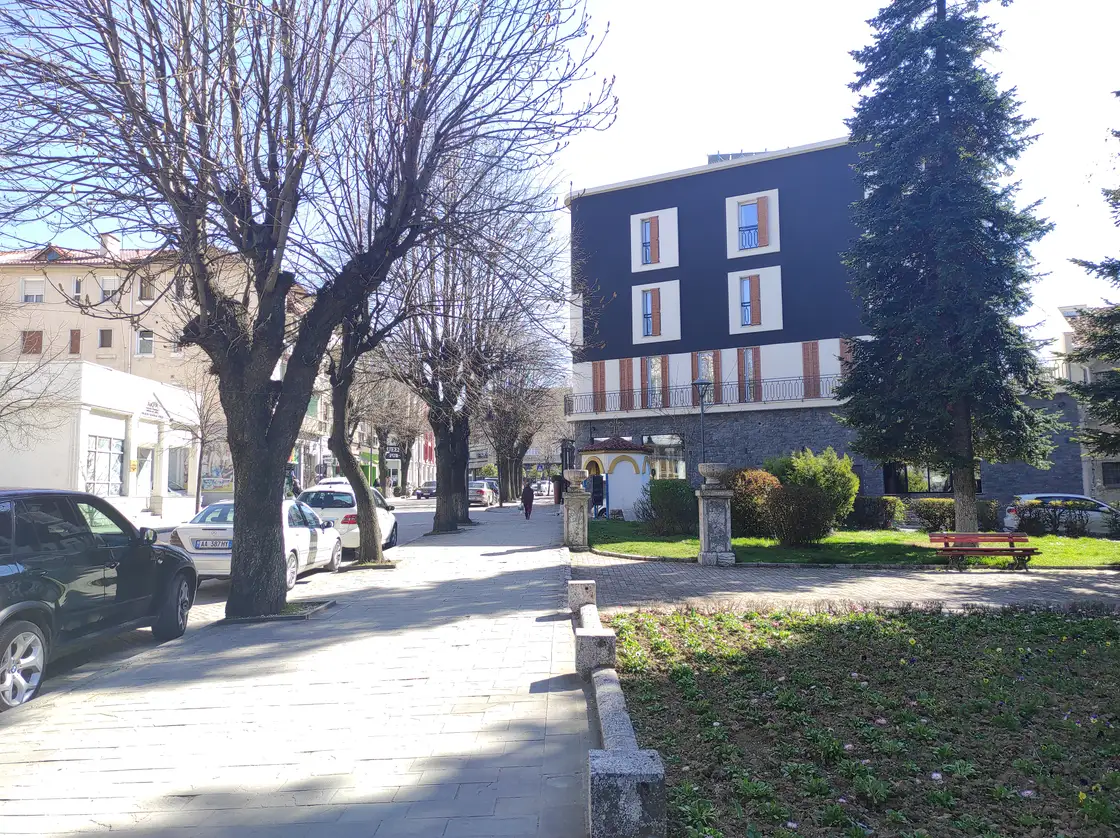
Book early. A 20th-anniversary edition at a bigger venue is likely to pull a bigger crowd than any previous year, and Korça isn’t a large hotel town to begin with. Rooms cluster around the Old Bazaar and the boulevards near the centre, a short taxi from Drenovë once the festival starts each evening. If you’re building a longer trip around the region rather than just the festival, Pogradec and Lake Ohrid is the nearest lakeside base for anyone who wants festival nights and quieter days in the same week.
Korça beyond the festival
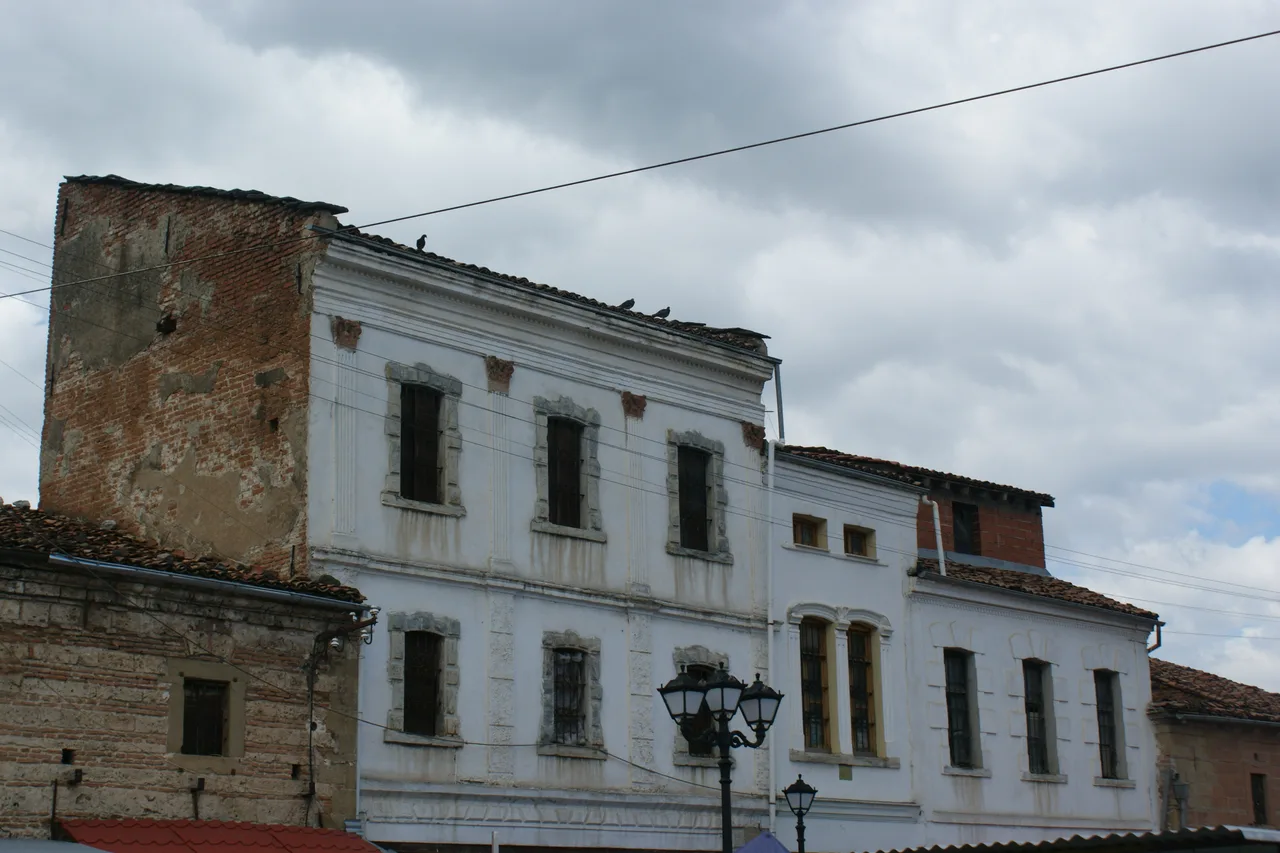
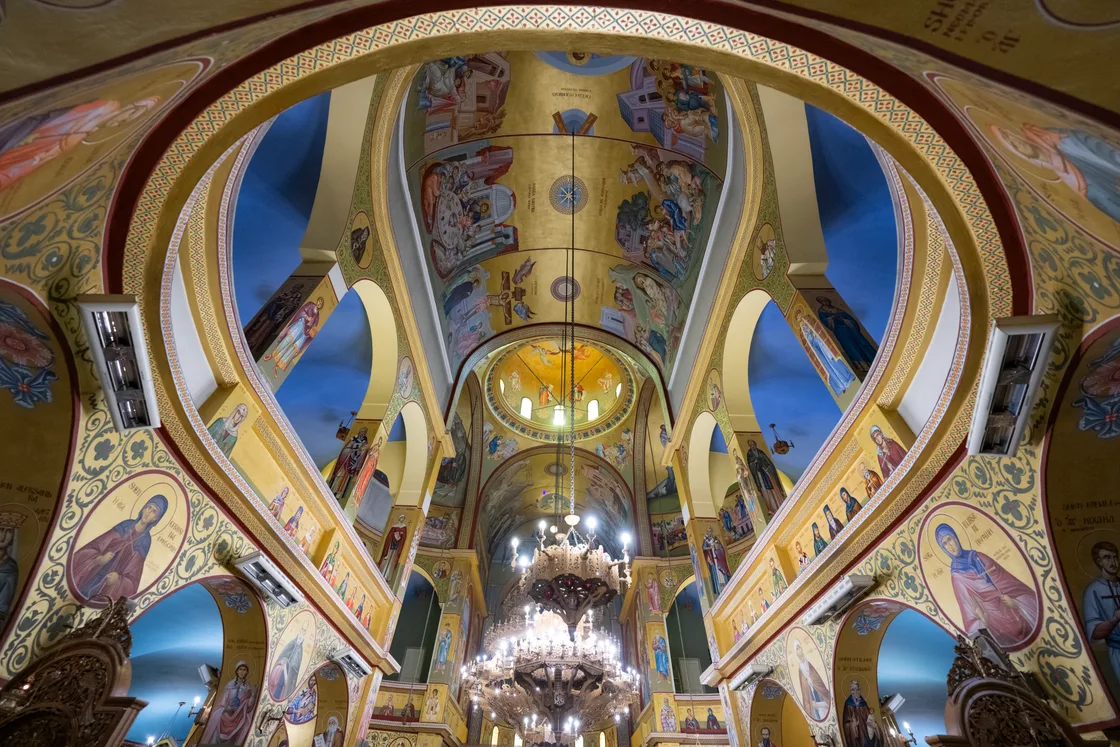
Five nights of music is a reason to come; the rest of the week is a reason to stay. Korça calls itself Albania’s intellectual capital for good reason: the Mësonjëtorja, opened in 1887 by the city’s Secret Committee with help from the Frashëri brothers, was the first officially recognised Albanian-language school in the country and a landmark of the National Awakening, and it still stands today as a small museum. The Old Bazaar, founded by the Ottoman nobleman Ilias Bey Mirahori in the late 15th century, remains the working commercial heart of the city, and the domed Cathedral of the Resurrection anchors the boulevards around it. For neighbourhoods, museums and day trips beyond festival week, use our full Korça travel guide.
Sitting on a plateau roughly 850 metres up, ringed by the Morava mountains that also feed the brewery’s water supply, Korça runs noticeably cooler than the coast in August, which is one more reason a beer festival makes sense here in the first place. Raki and gliko are the south’s specialities once the festival stalls close for the night; see our guide to Albanian food and what to eat for the rest of the table, and the year-round Albania events calendar has the country’s other festivals if August doesn’t line up with your dates.
Is it worth planning the week around
Four days’ notice is short for a 20th-anniversary move to a new site, so go in with realistic expectations: book a room now rather than later, confirm the venue with your driver as “Drenovë” if either Albanian name draws a blank look, and carry cash if you want a table to sit at rather than standing room. Do that and the rest takes care of itself - five genuinely large, genuinely local nights, in a city that earns the extra days either side of them. If the dates don’t work, Za Fest in Shkodra runs a smaller, ticketed version of the same idea in late July, and the Albania events calendar has everything else on the yearly calendar.
Photos
On the map
The map loads on click - to keep the page lightweight.
The map didn’t load. Check your connection and refresh the page.
Read also

Entertainment · 10 min read
Albanian Riviera Beach Clubs: Party or Laze
Updated · August 18, 2026Named clubs from Palasa to Jale: how loungers work, what is still open in late August 2026, and why the ranking's best beaches barely have a club.

Entertainment · 13 min read
Albania Events Calendar: Month-by-Month Guide 2026-2027
Updated · August 24, 2026What is on in Albania month by month: Korça Beer Fest 12-16 Aug, Logu i Bjeshkëve 9 Aug, Tirana Marathon 25 Oct, Kala 2-9 Jun 2027. Checked 24 Aug 2026.

Entertainment · 12 min read
Za Fest Shkodra 2027: Dates, Tickets, Rozafa Castle
Updated · August 8, 2026Za Fest (Zafest), Shkodra: no 2027 dates yet, but every edition runs Thu-Sat in late July. Castle nights ran 2,500-3,700 lek (€27-39). How to plan it.

Entertainment · 8 min read
Tirana Nightlife: Bars, Clubs & the Blloku Scene
Updated · June 23, 2026Where to go out in Tirana: the Blloku bar scene, cocktail and raki bars, clubs, rooftop lounges, plus safety, taxis and seasonal tips.