
Getting Around Tirana: City Bus, Taxis and Apps (2026)
Walk the centre, ride the 40-lek city bus out to the edges, take a metered taxi or a local app after 11 pm. No Uber or Bolt. Checked Oct 2026.
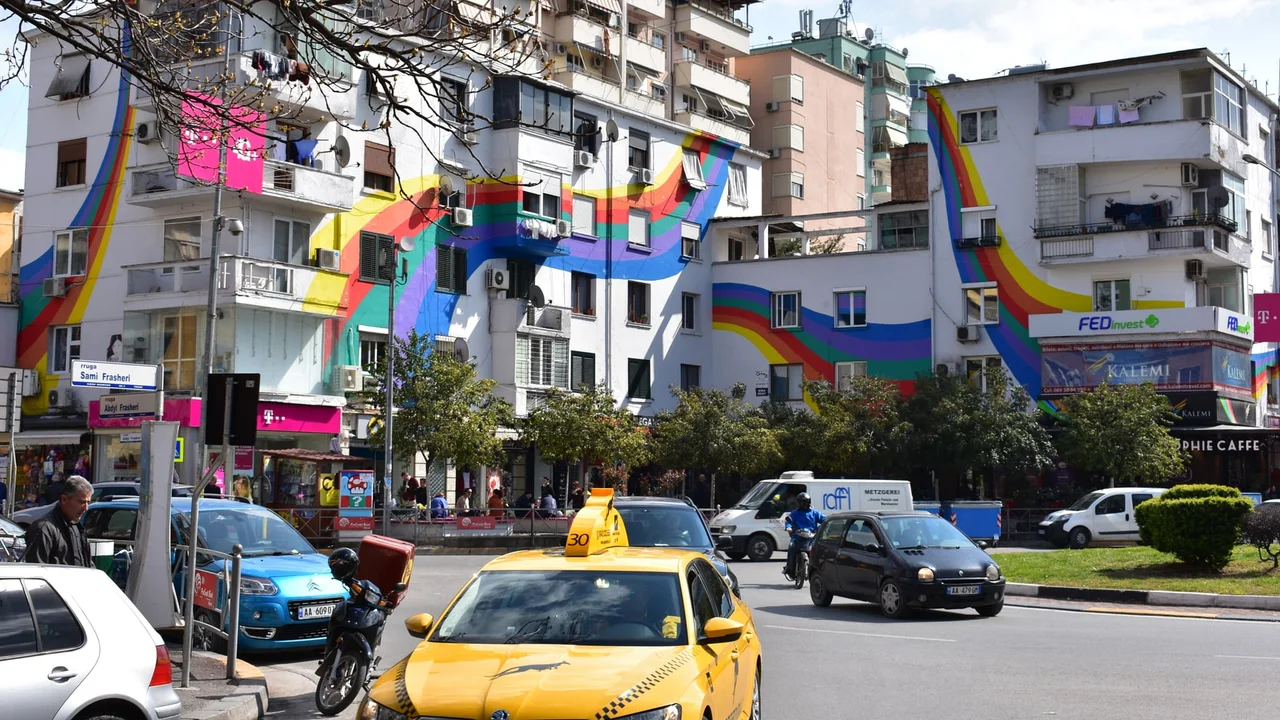
Walk the centre, ride the 40-lek city bus only out to the edges, and once the buses wind down around 11 pm, take a taxi on the meter or through a local app. That’s the whole system, and three details surprise visitors. The council’s ticket list stops at single rides and monthly passes, so you’ll pay 40 lek every time you board. The buses still take cash only, because a Finance Ministry letter reported in June 2026 kept card readers off them. And neither Uber nor Bolt lists Tirana on its own site. Everything below was checked on 27 October 2026.
Walk first: the centre is smaller than it looks
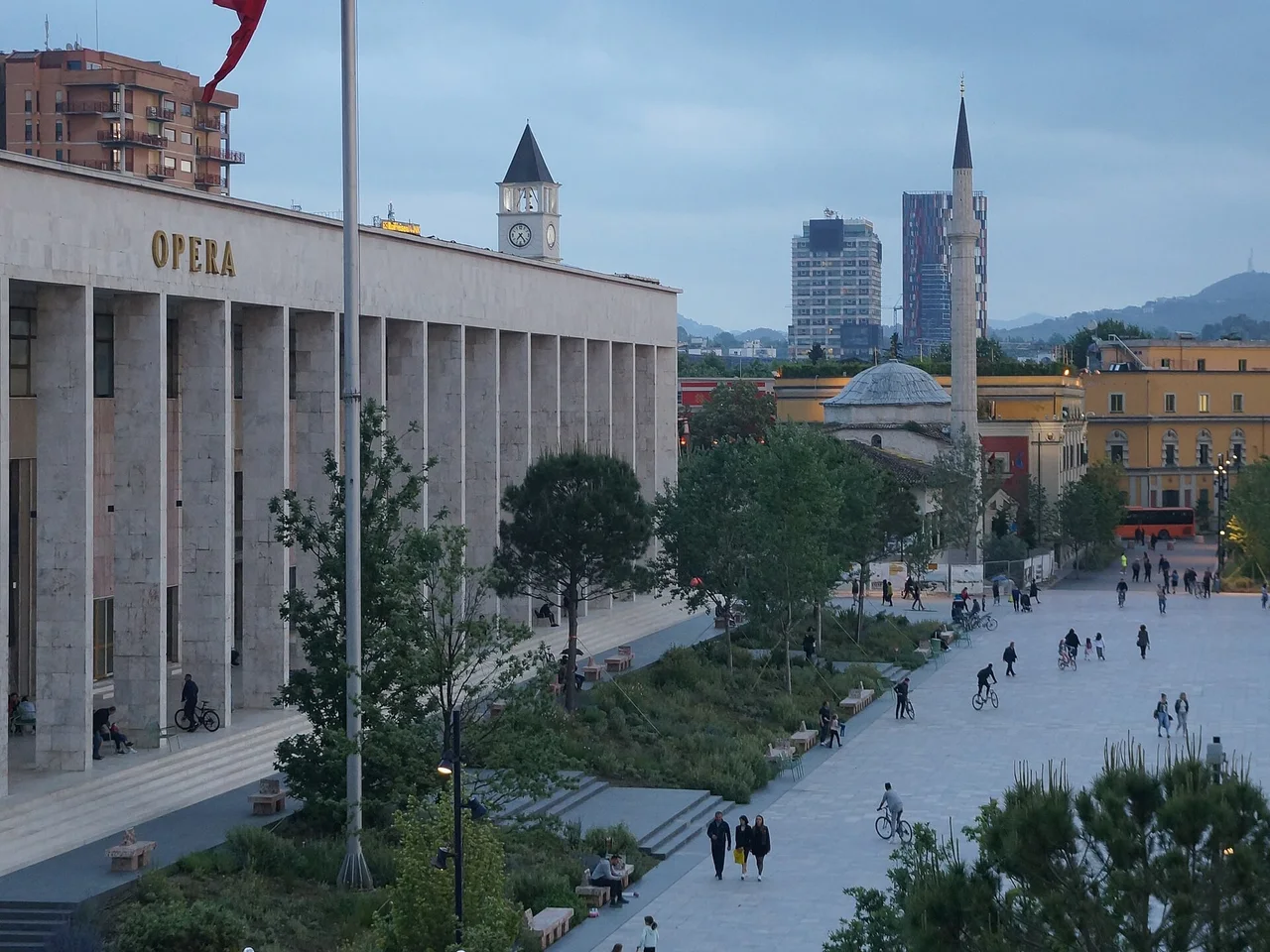
Start from Skanderbeg Square and the map shrinks. Bunk’Art 2 is about 130 metres away. The Pyramid of Tirana, on the edge of Blloku, is 0.7 km. Even the middle of the Grand Park, down by the artificial lake, is 2.5 km. The figures are OpenStreetMap routing from the middle of the square, without traffic or waiting, so read the car times as a best case.
| From Skanderbeg Square to | On foot | By car |
|---|---|---|
| Bunk’Art 2 | 130 m, 2 min | walk it |
| Pyramid of Tirana | 0.7 km, 9 min | 1.1 km, 3 min |
| Middle of the Grand Park | 2.5 km, 34 min | 2.6 km, 6 min |
| Dajti Ekspres lower station | 5.2 km, 70 min | 5.0 km, 10 min |
| East Terminal at the TEG mall | 7.4 km, 98 min | 6.6 km, 12 min |
The first two rows are walks. The park is a half-hour stroll or a short taxi hop, your call. The last two sit on the eastern side of town, and that’s where a vehicle starts to earn its fare: the cable car (with Bunk’Art 1 beside it) and the terminal where the international coaches leave. Our things-to-do guide covers what’s worth the walk.
The 40-lek bus: paper, cash and monthly passes
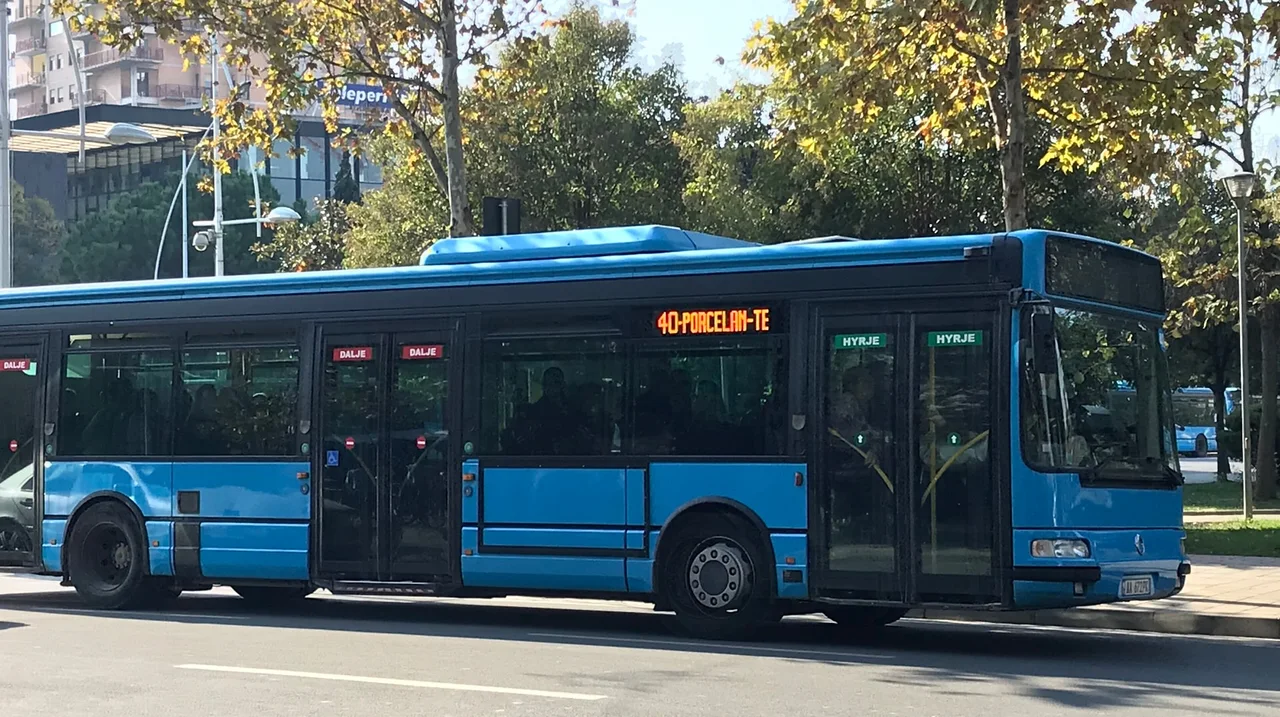
Buy the ticket on the bus: a single ride costs 40 lek including VAT, about €0.44 or US$0.49 at the 23 October 2026 rates. The Finance Ministry’s own wording, as reported in June 2026, names the seller as the driver or an authorised person inside the vehicle. The ticket is a paper one with the price printed on it (the decision also allows an electronic version). The fare is Tirana City Council decision no. 125 of 19 November 2024, which repealed the earlier fare decisions from 1 January 2025. The municipality also pays the bus operators a subsidy of up to 10 lek per ticket.
Cash is what you need, and it nearly changed. In May 2026 the national association of urban operators warned that mandatory card readers would add a fixed 30-lek bank fee to every 40-lek ticket and could push the fare up. On 24 June 2026 RTSH and Monitor reported that the ministry had exempted urban buses from the card-reader duty, so the paper ticket from the driver stays. Acting mayor Anuela Ristani had said on RTSH on 29 December 2025 that the fare won’t rise for now and that tickets will go electronic eventually. Nothing newer turned up by 27 October 2026, so carry coins and small notes, not a large bill.
The ticket list in the decision is short: single rides, a monthly pass for one line at 1,200 lek, and a monthly pass for all lines at 1,600 lek (about €17.60 or US$19.70), plus student and pensioner passes that eligible residents get free. A day ticket or a tourist card isn’t on it. At 40 lek a ride the all-lines pass pays for itself on the 40th ride in a month, so it’s a resident’s tool. The decision doesn’t say where a short-stay visitor could buy one, so for a few days plan on single tickets. If you’re settling in rather than visiting, the Tirana digital nomad guide has the monthly-cost picture.
Which lines a visitor needs
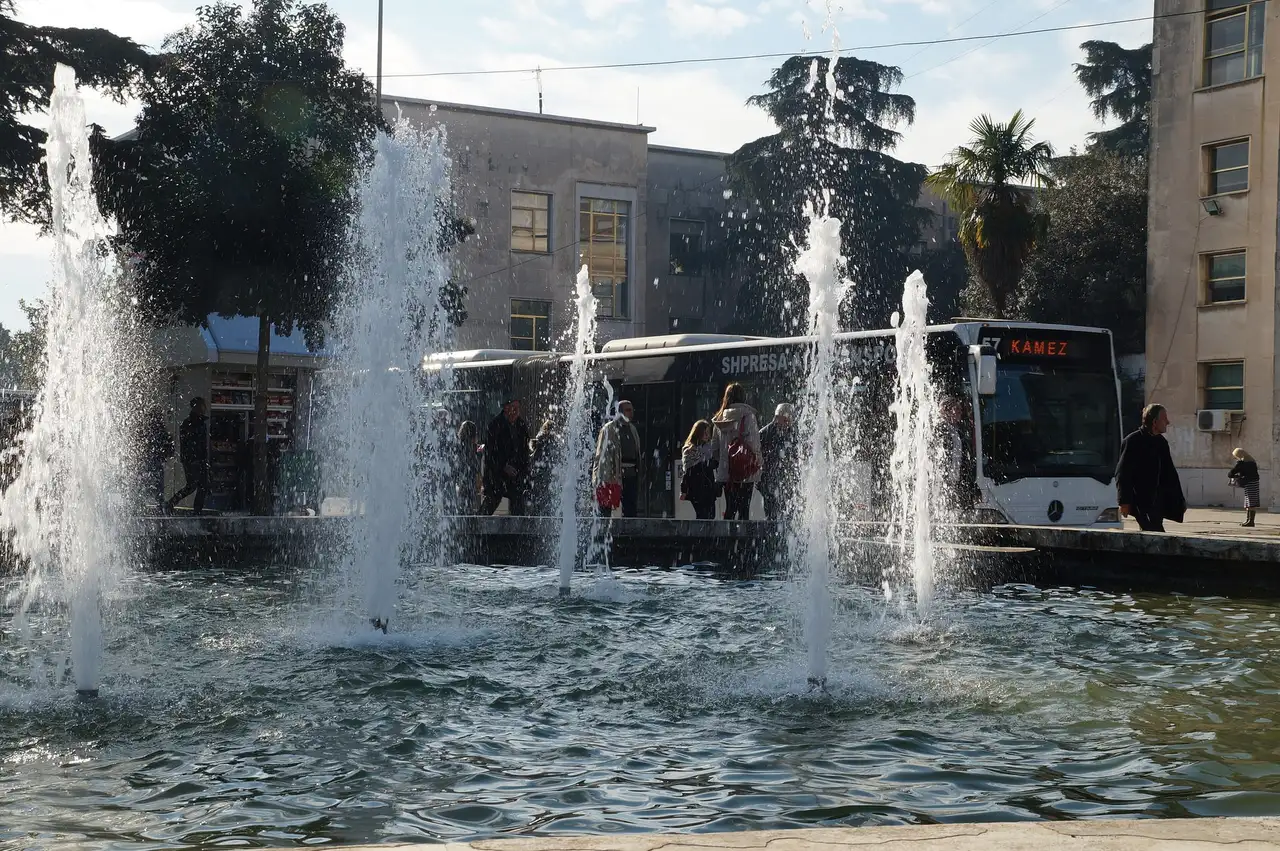
The city has no central bus station. According to Visit Tirana, a local tourism site (page updated in April 2026), the stops are spread around the middle: near the clock tower, behind the Cultural Palace and the National Museum, near the National Bank, and along Rruga e Kavajës and Rruga e Elbasanit. The Dajti Ekspres guide covers the stop that matters most to visitors: behind the National Opera, by the clock tower, where the cable-car operator says the blue Porcelan bus starts.
The municipal portal Urbani publishes a line map as a PDF dated December 2023. Of the lines on it, a visitor needs the ones to two places:
- Line 11, Porcelan - Qendër. The east-side line that the Dajti guide walks through, with stops, hours and the walk uphill to the cable car.
- Lines 2 and 8A. Both end at Terminali Lindor, the East Terminal beside the TEG mall: line 2 from the old railway station area, line 8A from the centre. This is where the coaches to Kosovo leave, so the Tirana to Pristina guide picks up from here.
Everything else on the map, lines 1 to 16 with their A, B and C branches, serves residential districts and malls. It’s a map for people who live here.
Two cautions. Line numbers get reshuffled, and the map is from late 2023, so tell the driver the place you want, not the number you read online. And Visit Tirana puts the running day at 6 am to 11 pm, while the Dajti guide gives longer hours for line 11, so treat anything after about 11 pm as a taxi job.
Street taxis and the meter
The price gap shows up here. The Dajti guide puts a taxi from the centre to the cable car at roughly 700 to 1,000 lek one way (about €7.70 to €11) against 40 on the bus. Even split three ways that’s six to eight bus fares each, so take the cab for time and comfort, not to save money.
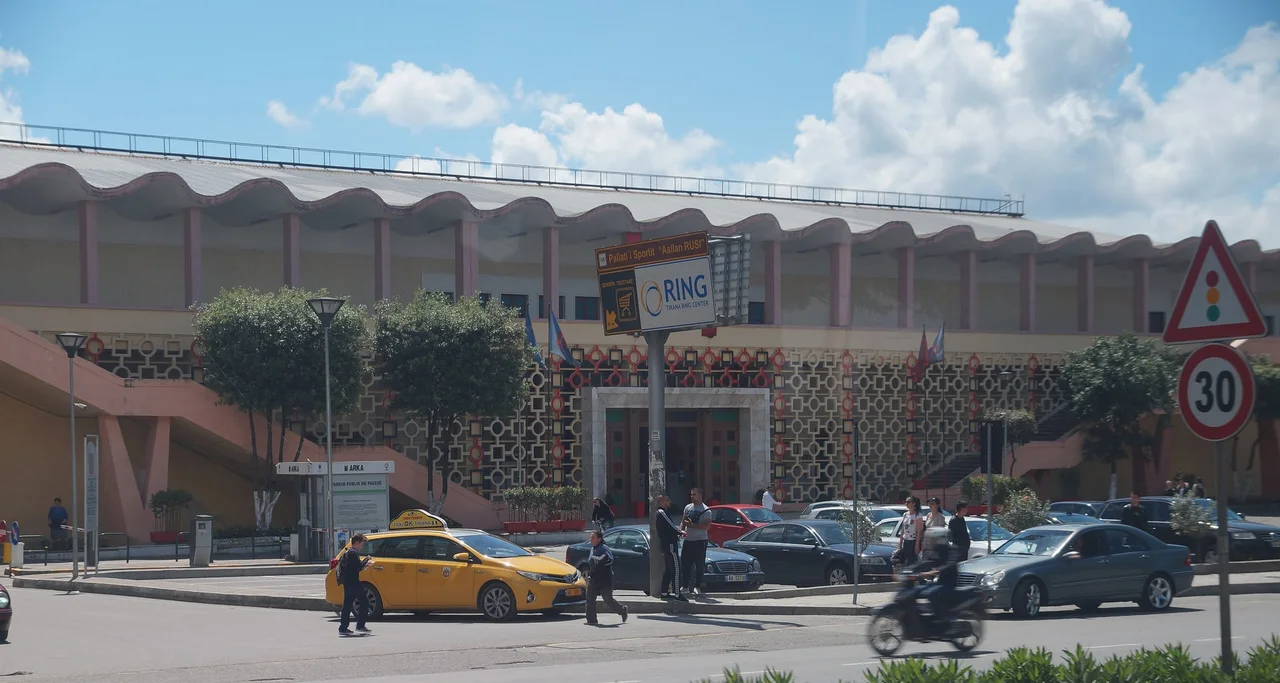
What protects you is the meter. A Shqiptarja report of 14 May 2026 says every licensed taxi must carry a verified, sealed taximeter, which the city also requires before it licenses a cab, and that, according to drivers, inspectors had been riding as ordinary customers to catch drivers who name a price instead. The same report notes that part of the market still agrees fares by word of mouth. So ask for the meter (taksimetër) before the car moves. If the driver quotes a flat price anyway, price the same trip in an app and compare. This guide prints no per-kilometre tariff, because we couldn’t find a current official schedule and the third-party sites that publish one disagree with each other.
Most of those cabs are quiet ones. The city’s open-data portal, next to its 2024 statistics, counts 2,576 taxis working in Tirana, of which 1,467 are electric, or 57 per cent, up from 31.2 per cent in 2023. So don’t be surprised when the cab that pulls up makes no sound. For late nights, Tirana’s nightlife guide covers getting home from Blloku.
Taxi apps that work here
Neither Uber nor Bolt lists Tirana among its cities on its own site. Don’t count on the app you use at home. The alternatives are Albanian apps, and four of them describe what they do on their own sites:
| App | What its site promises | Payment |
|---|---|---|
| Patoko | The price is known before the ride ends | Card payment offered |
| Clust | Fare, vehicle and payment method shown before you confirm; a separate Tirana Airport page | Chosen in the app |
| VrapOn | Fares appear once you enter pickup and destination; 24-hour service; bookings up to 60 days ahead | Mostly cash, it says; most drivers carry a card terminal, but it isn’t a rule |
| Speed Taxi | Fixed price before you confirm; phone and WhatsApp help around the clock | Card or cash |
Those are the operators’ own claims, and we haven’t compared fares between them. Install two, price the same trip in both and keep some lek in your pocket anyway. The apps need data, so sort out connectivity before you land: the eSIM guide compares the options.
Three rides worth planning ahead
Most days in Tirana need no planning at all, but three trips do.
- The airport. The bus, the rank and a pre-booked car each suit a different arrival, and the airport transfers guide sets them side by side. The airport bus from behind the Opera is its own service with its own fare, 400 lek, ten times the city ticket.
- The East Terminal. Line 2 or 8A, or a taxi of 6.6 km and about 12 minutes by car. Check which terminal your ticket names before you leave the hotel.
- The Regional Bus Terminal. Intercity buses to most of the country leave from the South and North Bus Terminal in the Kamëz area, northwest of the centre; buses to Korçë and Pogradec in the south-east leave from the East Terminal instead. The guide to getting around Albania covers the taxi and city-bus options and where each intercity bus leaves from.
Which ride for which trip
Decide by distance first, then by the clock.
Up to 2.5 km, walk. Bunk’Art 2, the Pyramid and the lake in the Grand Park are between 2 and 34 minutes on foot, and only the park is far enough to tempt a taxi.
Out to the cable car, take line 11. It costs 40 lek against 700 to 1,000 lek for a taxi, and the Dajti guide covers the stops and the uphill finish.
With a suitcase for a coach from the East Terminal, take a taxi there. With only a day bag, line 8A from the centre goes to the same terminal for 40 lek.
After about 11 pm, take a taxi or an app. The buses are winding down, so ask for the meter before the car moves, or use an app that shows the fare before you confirm.
One choice cuts all of this down: a base inside the walkable core, which where to stay in Tirana compares by neighbourhood, turns most days into walking days.
Admission and opening hours
- Admission price
- City bus 40 lek per ride (about €0.44), paper ticket bought on board, cash; monthly pass for all lines 1,600 lek
Fare and passes are from Tirana City Council decision no. 125 of 19 November 2024; cash-only on board per a Finance Ministry letter reported on 24 June 2026. Checked 27 October 2026; a new council decision or an e-ticket launch would change how you pay.
Details checked: October 27, 2026
Read also

Transport · 12 min read
Tirana to Thessaloniki: Buses, Kapshticë Border & Flights
Verified · October 31, 2026Tirana to Thessaloniki by coach: eight direct departures from 03:00, €40 on the booking board, about 11 hours via Kapshticë. Checked 31 Oct 2026.

Transport · 10 min read
Tirana to Prizren Bus 2026: Times, Stops and the Border
Updated · October 26, 2026Tirana to Prizren by bus: 21 a day at €20 one way or €25 return, about 3 hours, which Prizren stop to pick and the Morinë border. Checked 24 Oct 2026.

Transport · 12 min read
Tirana to Athens: Bus, Flights & the Overland Option
Updated · October 5, 2026Tirana to Athens by bus: 04:00, 15:00 and 17:00 daily, €45 one way and 12-14 hours via Kakavia, or four direct flights a day. Checked 6 Oct 2026.

Transport · 9 min read
Tirana to Podgorica: Bus, Border & Onward to Kotor
Updated · October 5, 2026Tirana to Podgorica: about 160 km and 3.5-4 hours by direct bus via the Hani i Hotit border, two daily lines, then on to Kotor. Times checked 3 Oct 2026.