Is Albania Safe for Solo Female Travellers in 2026?
A straightforward solo trip for most women: what the 2026 advisories say, the attention you get, transport after dark, hiking alone and who to call.
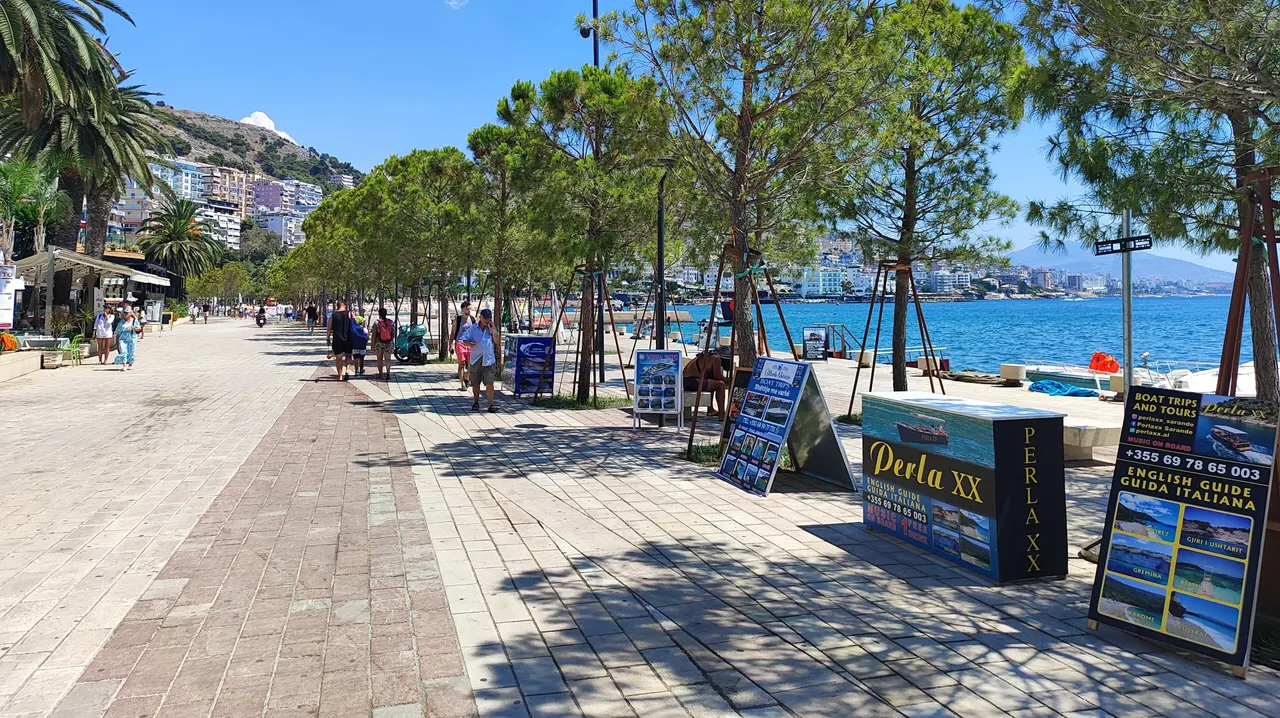
Yes - for most women Albania is a straightforward solo trip, and no advisory warns women off the country. What you meet is attention rather than danger: a look that lingers, a comment from a cafe table, a stranger who insists on walking you to the right bus. What genuinely needs planning is duller: the roads, the bus that leaves first thing and then not again, and the mountain valley with no cash machine.
Advisories, emergency numbers and helplines were checked on 27 July 2026 with the bodies that issue them; fares were checked in June 2026 against operator pages and are ranges, not fixed tariffs. Confirm both before you go.
What the official advice actually says
The US State Department keeps Albania at Level 2, “exercise increased caution”, reissued 31 December 2024, with a summary worth taking whole: “Law enforcement’s ability to protect and assist travelers is limited in some areas, especially in remote regions. There has been targeted violence associated with illicit drug networks and organized crime countrywide.” The first sentence is about you and earns its keep on a remote trail, not in central Tirana; the second describes a world visitors rarely touch, though the US applies it countrywide. The UK Foreign Office, page updated 10 December 2025, is blunter: “There is crime and violence in some areas, but reports of crime targeting foreigners are rare.”
Canada is the one to read closely - the only one of the three that addresses women directly. Its page, updated 23 June 2026, sits at “take normal security precautions”, the lowest of its four levels, and says: “Women travelling alone in some rural areas may be subject to some forms of harassment and verbal abuse.” A carefully bounded sentence. The page also flags pickpocketing in crowded markets and tourist sites, aggressive driving, and advises agreeing the fare or insisting on the meter in taxis.
For calibration: on the US scale Greece, Croatia, Montenegro and North Macedonia sit a tier lower at Level 1, while France, Italy, Spain and the UK share Albania’s Level 2. Rare is also not never.
One thing the country pages don’t show: on 1 April 2026 the US Embassy in Tirana warned that groups associated with Iran might target US-linked entities in Albania, including venues such as tourist sites, hotels and restaurants; the State Department reissued its Worldwide Caution on 20 July 2026. Keep it in proportion: the country level did not move, Albanian authorities reported no concrete threat, and Canada refreshed its page in June, after the alert, at its lowest rating. Skim the embassy feed the week you fly.
Attention, not danger: what women actually run into
The only women-specific figure worth any weight isn’t about tourists: the Georgetown Institute for Women, Peace and Security, which ranks countries on women’s inclusion, justice and security, puts Albania 68th of 181 in its 2025/26 index, with 60% of Albanian women saying they feel safe walking alone at night where they live. Local women at home, not visitors - background rather than odds.
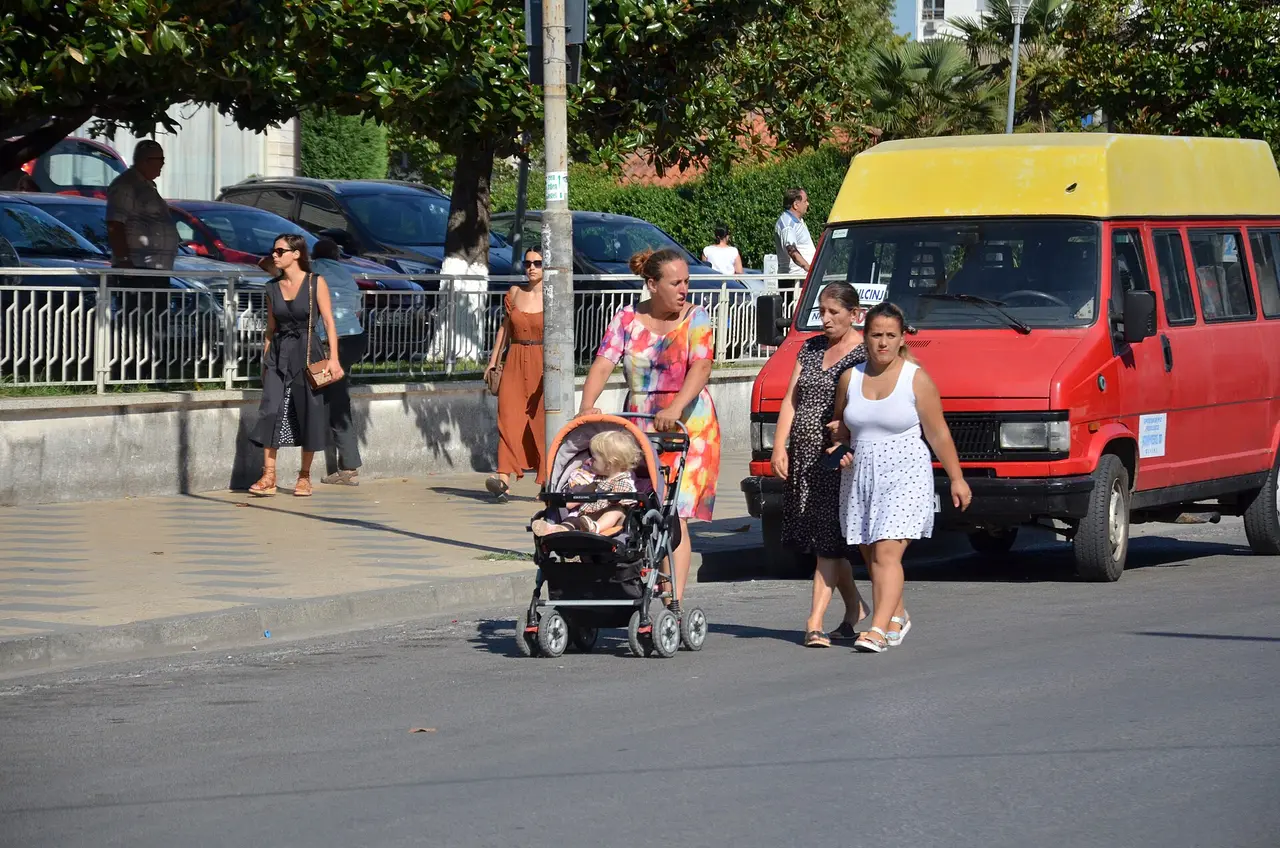
The attention itself is low-grade and verbal: a hello, where you from from a doorway, a car slowing on an empty street, a table that goes quiet as you pass and loud again behind you. In a small inland town like Permet or Peshkopi the evening cafe crowd can be almost entirely male, so a woman alone with a coffee really is the only one in the room. Tirana is another country in that respect - mixed cafes, students and office workers in Blloku, nobody registering you at all - and the coast in season sits closer to Tirana.
The interaction worth rehearsing is the over-helpful stranger, because it looks exactly like the genuine article: he attaches himself at a bus stop, insists on carrying the bag, then on showing you the guesthouse, then on a coffee. Albanians really do walk lost visitors to the door - mikpritja, hospitality, is a point of pride - so the tell isn’t friendliness, it’s whether he takes the first no. A flat, cheerful faleminderit, jo (thank you, no), then turning to the road or stepping into a shop, ends nearly all of it without anyone losing face. If he keeps pace, pick a place with staff rather than a quieter street.
The xhiro, the evening stroll that empties the houses onto the main street, is the easiest hour to be out in a small town: the whole place is on the same pavement, so walking it alone is the least conspicuous thing you can do all evening.
Dress is its own small question. Covering shoulders and knees is the norm in mosques and churches; in conservative inland towns it also draws less notice, which some travellers find easier and others ignore.
Getting around alone is a scheduling problem
Albanian transport is cheap, frequent on the main corridors and almost entirely informal, and the risk for a solo traveller isn’t who sits next to you - it’s where and when the vehicle leaves you. Furgons, the 12- to 15-seat minibuses that do most of the intercity work, have no published timetable: they leave when full, you flag them down along the route, you pay cash, and the schedule is a card in the windscreen with the destination on it.
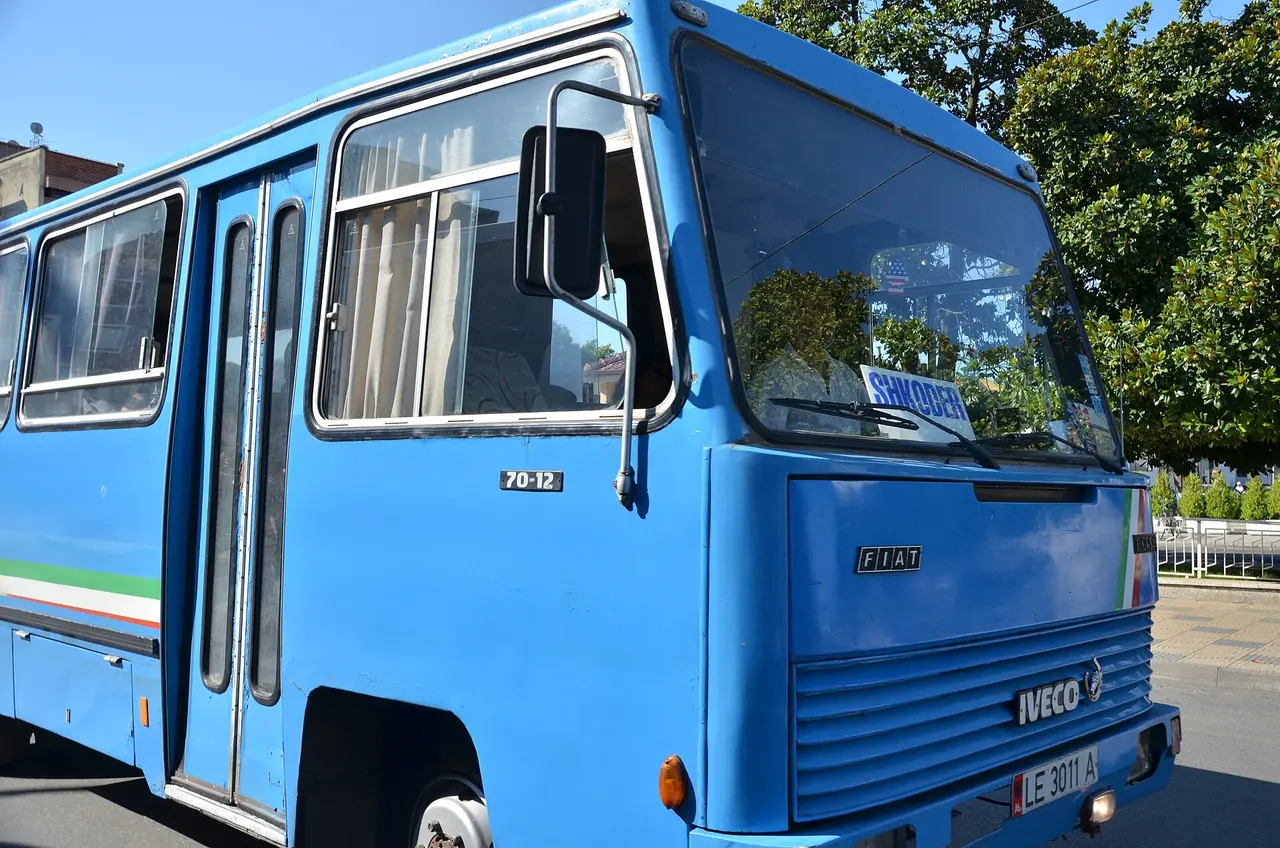
Scheduled buses are the same idea with more seats: roughly 400-500 ALL from Tirana to Berat or Shkoder, about 1,500 ALL for the four- to five-hour run to Saranda. The detail nobody mentions is that Tirana has no bus station in the middle of town: domestic services use the Regional Bus Terminal out in Kamez, northwest of the centre, and a taxi there costs about EUR 12-15. That should shape a solo itinerary more than any safety tip: an evening bus drops you outside the centre with luggage, in the dark, with no sense of which way town is. Take the first departures instead - they run thickest in the morning, and you arrive with a day in hand.
Flying in is easier: the airport bus into Tirana is a flat 400 ALL, hourly around the clock, dropping you behind the Opera at the edge of Skanderbeg Square, and the official airport taxi is about 2,200 ALL. If your flight lands after dark, that’s the one time I’d skip the saving and take a marked car from the rank. More in Tirana airport transfers and how to get around Albania.
Neither Uber nor Bolt operates in Albania. Local apps fill the gap - Patoko and Speed Taxi in Tirana, though the line-up changes, so download whatever locals are using on arrival. Patoko takes card payment and says its drivers are vetted; at night that matters mainly because the ride and the price exist in writing. Coverage varies, so don’t count on it outside Tirana and the bigger towns: keep lek for a cash taxi, and follow Canada’s line - marked cars only, fare agreed or meter on.
The genuinely risky part of the trip is the road. Albania recorded around 59 road deaths per million people in 2022, against an EU average nearer 46, and the UK and Canadian advisories both single out the driving: fast overtaking, poor lighting, livestock. Alone, that hardens three decisions: no night driving in the mountains, no lift from a stranger because the last furgon went without you, and a daily distance limit set before you are tired. Detail in our guide to driving in Albania.
Where you sleep changes the trip more than what you pack
Female-only dorms are a standard filter in Tirana and Saranda, and as of July 2026 the booking sites also list a women-only hostel in Tirana. Filter for it rather than assuming: plenty of guesthouses list “dorm” and mean mixed.
In the north the accommodation is the safety net. Theth and the Valbona valley run on family guesthouses (bujtina), usually on half board, and the host who takes your booking will also book your onward van seat and arrange the pickup. That chain of hosts, not any formal system, is what makes solo travel in the Alps work. And there is no ATM in Theth or Valbona, so draw several days of lek in Shkoder and split it between your bags - see cash or card in Albania.
What changes after dark
Nothing changes character at midnight, but the options narrow: furgons and intercity buses stop, and in smaller towns the taxis thin out with them. That is the real argument for the central bed. In Tirana, Blloku and the streets around Skanderbeg Square put dinner, the bars and your front door inside one walkable radius, so the night ends with a five-minute walk instead of a 2am negotiation with a stranger; on the coast the promenade does the same job. Where you can’t walk it, order the ride in the app before you leave the bar. Inside it the ordinary habits travel with you: keep your own drink in hand, and a round bought by a stranger is easy to leave standing. Our where to stay in Tirana compares the districts, and Blloku nightlife is walkable end to end.
Hiking alone in the Accursed Mountains
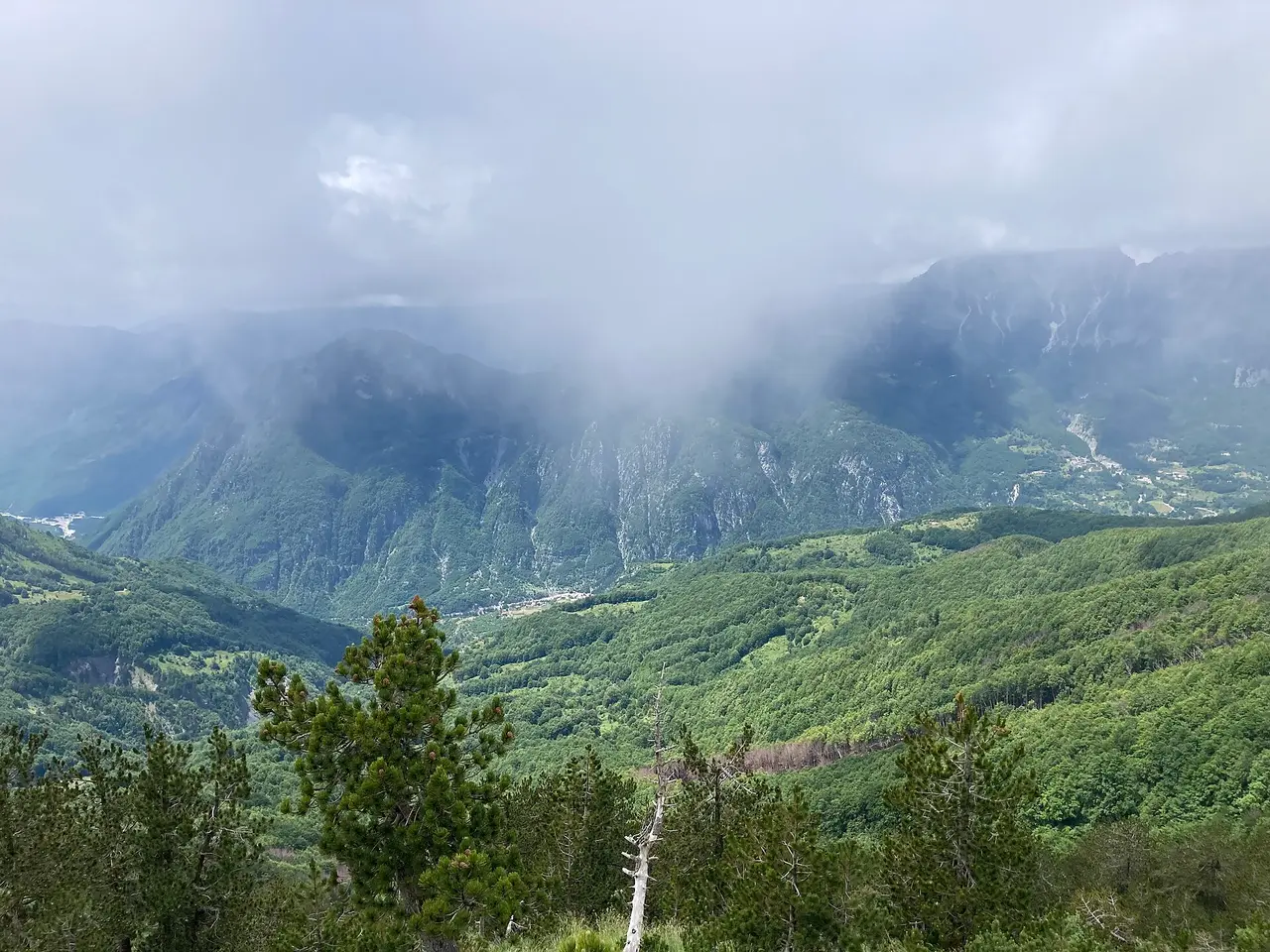
The Theth to Valbona crossing is Albania’s classic walk and plenty of women do it solo. The trail is busy in season and the practical risks aren’t human ones. Signal is patchy to non-existent, so download the offline map before you leave the valley. The window is roughly mid-June to mid-October: the road into Theth and most guesthouses close from about November to May. A twisted ankle three hours from the top is a different problem alone than in a pair, and this is where the State Department’s line about limited assistance in remote regions stops being abstract - so tell your guesthouse when you set off and in which direction. Up there that is the only record of your movements. Logistics: our Theth guide and the Theth to Valbona hike.
Albania has no reciprocal healthcare agreement with the UK, US, EU or Australia, so treatment is billed to you. For a solo hiker the clause that matters is emergency evacuation, and it’s the one thing you can’t improvise at altitude with no signal - our Albania travel insurance guide covers what a decent policy needs.
Summer on the coast
July and August on the Riviera are hot, packed and roughly twice the price; the beaches are family scenes, and the realistic risk is a phone left on a towel. For 2026 the interior ministry announced expanded coastal policing on 26 June - coastline patrols, 35 water scooters, drone monitoring - a sign the coast gets policed in season, not a guarantee. If your dates can move, September thins the crowds with the sea still at summer temperature - see best time to visit Albania.
The numbers to save before you need them
Albania uses 112 as the general emergency number; 129 police, 127 medical, 128 fire, per the Government of Canada’s country page. Save all four offline, with your insurer’s 24-hour line and your embassy’s number - the practical case for a local eSIM.
There is also a national Counselling Line for Women and Girls on 116 117: free, answering at any hour, run as the national line since 2016 under an agreement with the Ministry of Health and Social Protection, for women facing violence. It does not publish which languages it answers in, so treat 112 and your embassy as the first calls and this as the specialist line behind them. If something happens, report it to the police even if you expect nothing to come of it: the report is what an insurance claim and a consular file are built on.
The bottom line
Albania rewards solo women who plan the logistics and relax about the rest. Four rules do most of the work: travel in the morning, pay for the central bed, carry cash and split it, buy the policy with evacuation cover. Expect to be looked at in small towns and helped more often than hassled; expect the roads to be the genuinely risky part, as the UK and Canadian advisories both say. Check the live advice for your passport before booking, then read our is Albania safe guide and 20 things to know before visiting Albania.
Photos
Read also

Before you go · 13 min read
Theth vs Valbona: Where to Base in the Albanian Alps
Updated · September 13, 2026Theth vs Valbona in 2026: which Alps valley to base in without the full crossing - access from Tirana, guesthouse costs and crowds compared.

Before you go · 8 min read
Where to Stay in Gjirokaster: Old Town Stone Hotels
Updated · September 3, 2026Where to stay in Gjirokaster: Old Town stone boutiques and guesthouses versus the flat new town - cobbles, parking and what each lodging type really costs.

Before you go · 10 min read
Berat vs Gjirokaster: Which Ottoman Town to Visit?
Updated · September 3, 2026Berat vs Gjirokaster in 2026: white-window Berat is closer from Tirana; stone Gjirokaster fits the south. Compare sights, travel times and who each suits.

Before you go · 11 min read
Where to Stay in Shkodra: Old Town, Lake or Alps Base
Updated · August 22, 2026Where to stay in Shkodra: the Old Town, quiet Zdrale, lakeside Shiroka, or a hiker hostel that runs its own transfer to Theth and the Koman ferry.