Albania vs Croatia: Cheaper, Better Value?
Albania vs Croatia on cost, beaches and hassle: Albania is roughly 50-70% cheaper, Croatia has the islands and the polish. Who each suits, honestly.
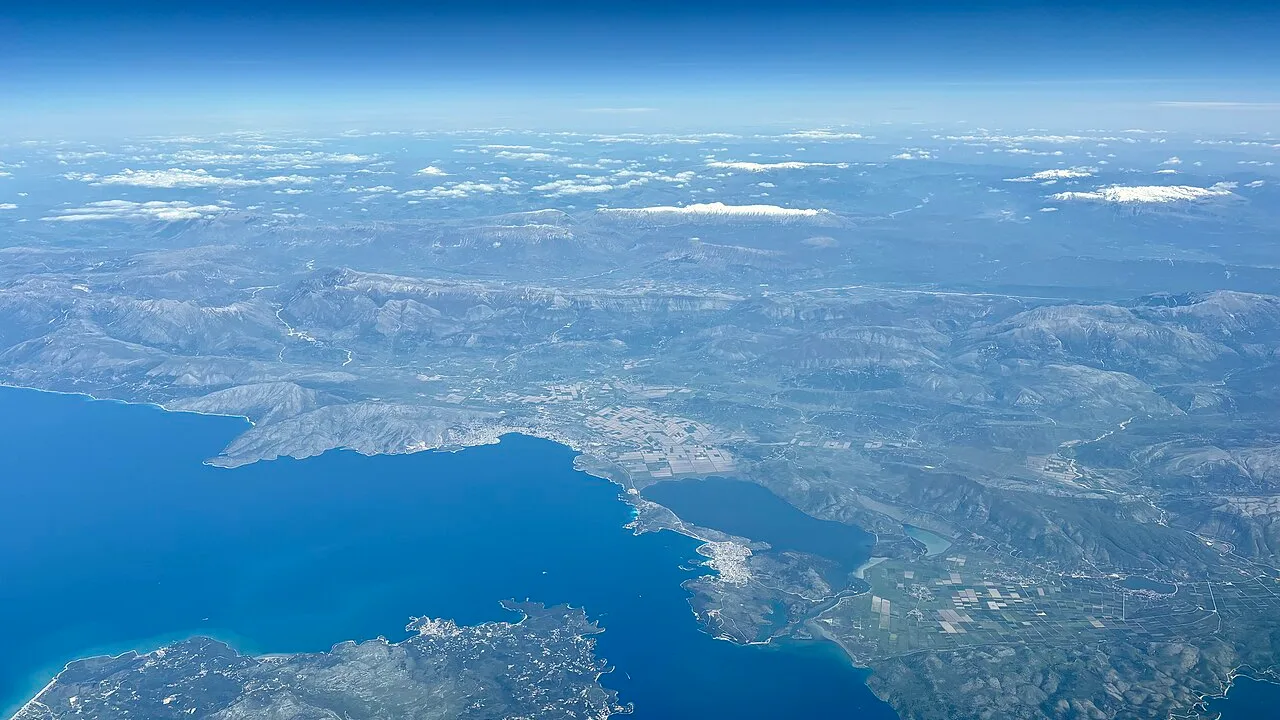
The short version: Albania wins on price, and it isn’t close. A like-for-like trip runs roughly 50 to 70 percent less than Croatia, and it’s the everyday spending, rooms and dinners, where that gap really shows. Choose Croatia if you want the island variety, the walkable UNESCO old towns, and roads and ferries that just work, and the budget can take it. Unlike the Albania-versus-Greece question, there’s no 30-minute ferry that lets you do both cheaply, so this one is more of a genuine either/or: you pick the coast, you don’t hop between them.
Both sit on the same Adriatic, the water is clear on either shore, and from a single beach photo you often can’t tell which country you’re looking at. Where they split is money, crowds, how sandy the beach actually is, and how much friction there is in getting around. This guide lays that out with real 2026 numbers where they exist. Treat the price bands as the right ballpark rather than a personally audited quote, and check current rates for your dates before you book, because peak July and August move fast.
The price gap is the headline
If budget is anywhere in your thinking, this is where the decision usually lands. Line up the same spending level in both countries and Albania comes out 50 to 70 percent cheaper across the board, and accommodation is where that gap opens widest: a sea-view apartment on the Albanian coast runs about 40 to 90 euros a night even in high season; the equivalent in Hvar or Dubrovnik in July climbs to 150 to 250, and a mid-range Dubrovnik hotel sits between 150 and 300. Same view, same month, roughly a third of the price.
Everything you buy daily stacks up the same way. Cafe coffee runs about 1.5 euros on the Albanian coast, roughly half what the same cup costs in Croatia at 3 to 4 euros. Dinner for two with wine at a proper Riviera taverna comes to about 40 to 70 euros in 2026; the same meal in Dubrovnik’s old town is 100 to 180, and in Hvar town 90 to 150. A sunbed and umbrella is roughly five to eight euros on most of the Albanian coast versus 15 to 30 in Croatia, with the sharp caveat that the famous strips at Ksamil have privatised their sand and can charge 20 to 50 euros a set in peak season. Even car rental splits the same way: a week is about 200 to 300 euros in Albania against 400 to 700 in Croatia.
Put together, a ten-day holiday for a couple works out to something like 1,500 to 2,000 euros in Albania against 3,500 to 5,000 in Croatia for July or August. That doesn’t just make Albania cheaper; it changes what length of trip you can afford. If Croatia’s prices have rationed you down to a long weekend, the same money buys a full, unhurried week next door. To pressure-test the Albanian side of that maths against real daily spend, our guide on whether Albania is expensive breaks down 2026 costs town by town.
What Croatia gives you that the money buys
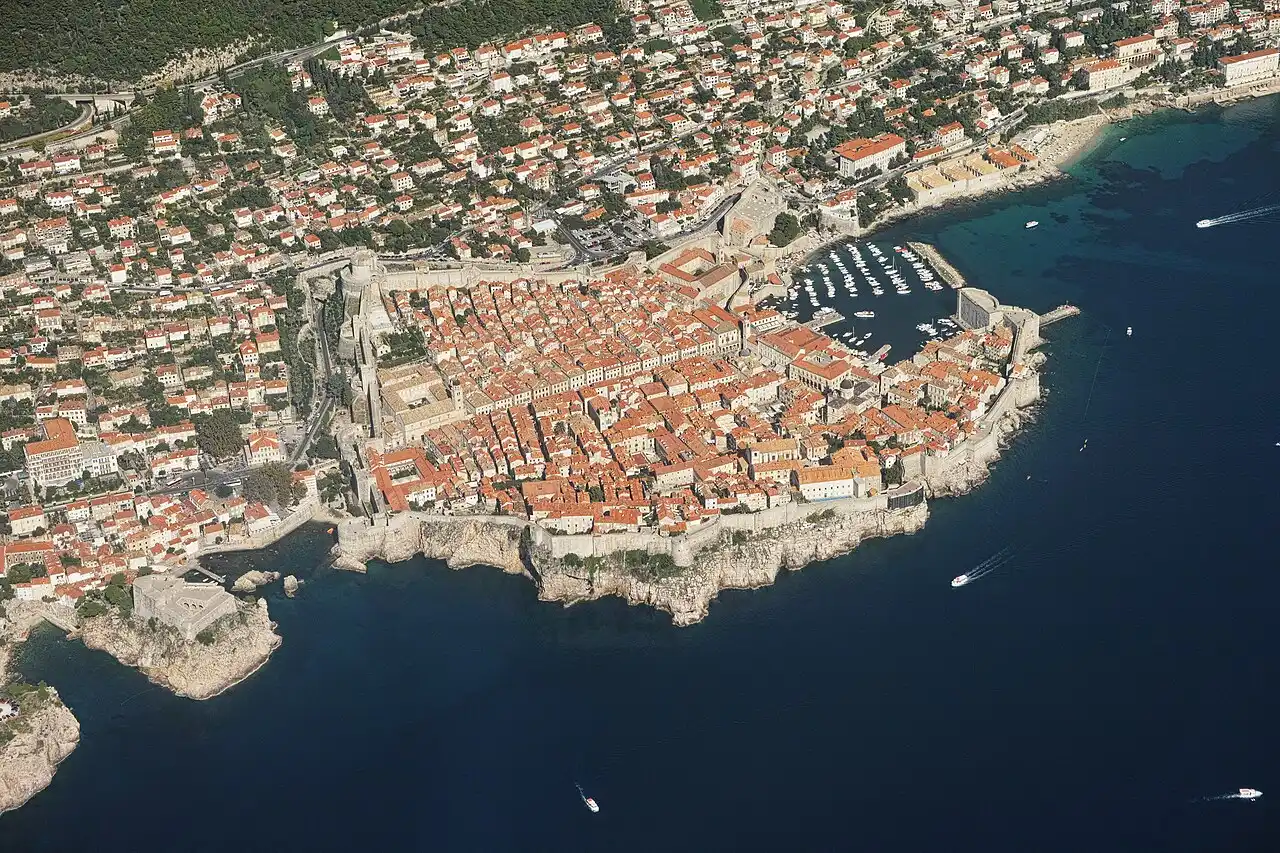
Croatia is not just an expensive version of Albania, and it’s worth being honest about what the premium actually pays for. The headline is choice: over a thousand islands, each with its own character, knitted together by a ferry network that runs like clockwork. You can island-hop for a fortnight and never repeat yourself, and the boats, the timetables and the card machines all simply work. Then there are the old towns. Dubrovnik’s walls and Split’s Roman palace are walkable, UNESCO-listed, film-set famous in a way Albania has no equivalent for.
The finish shows in the small stuff too. Card payment is reliable almost everywhere in Croatia; Albania is improving fast but still leans on cash, and you’ll hit places that won’t take plastic. Tourist information is polished, English is universal, and the roads are excellent. If your holiday priority is that everything runs smoothly with zero problem-solving, Croatia earns its price tag. That reliability is a real feature, not a rounding error, and it’s the main reason to pay Croatian money on purpose.
Croatia isn’t the sandy one
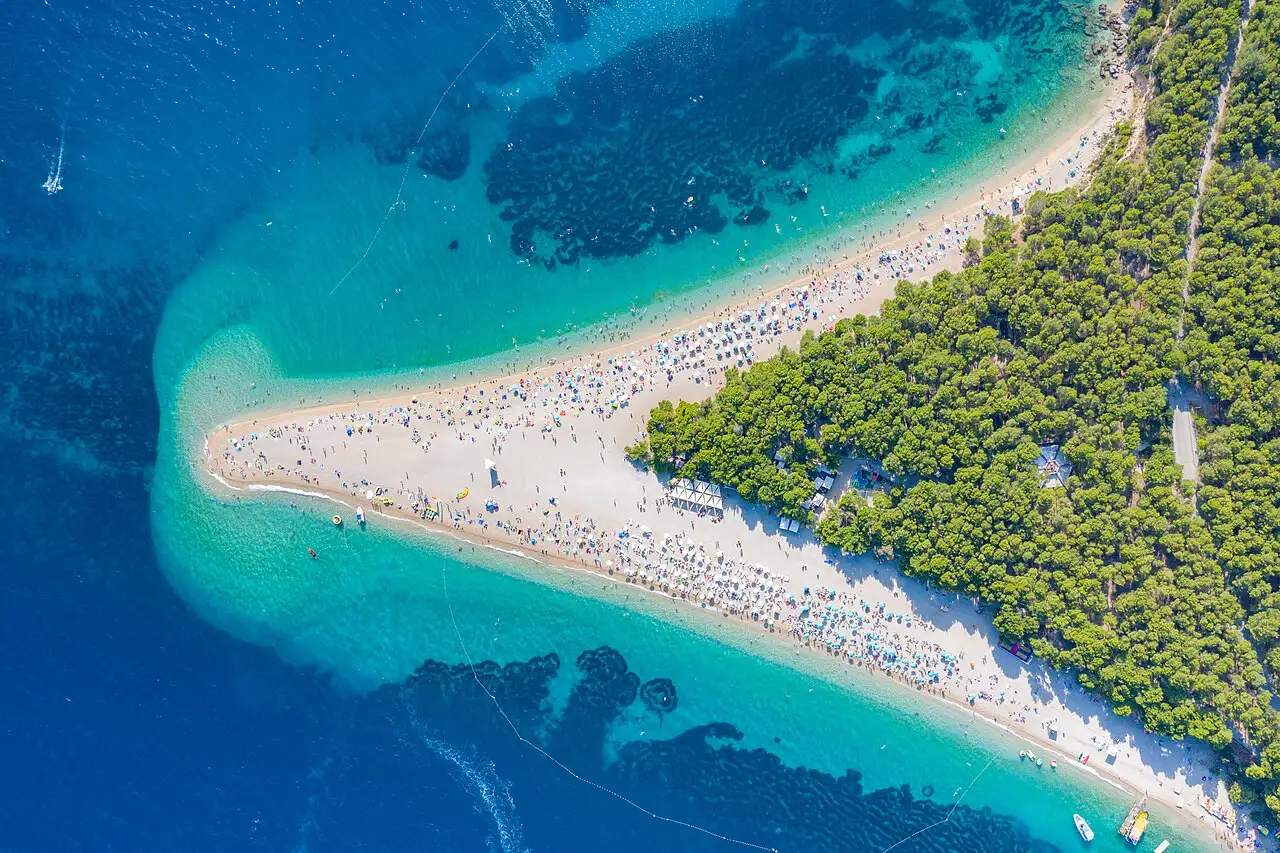
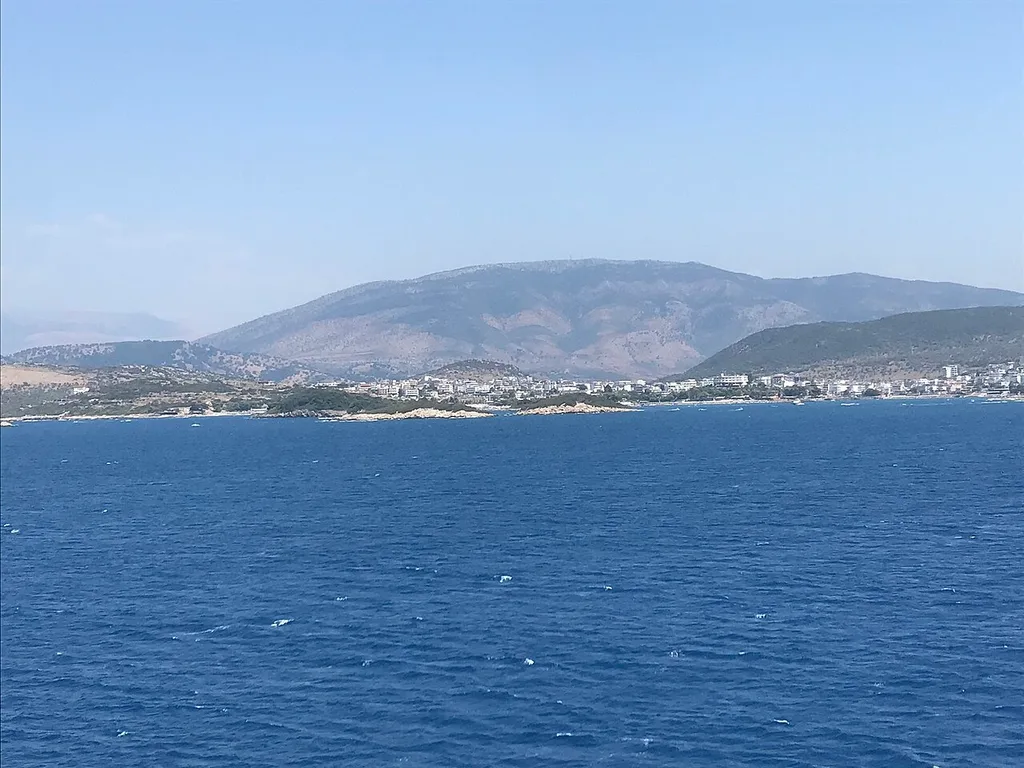
Here’s the twist most people get wrong. Most of the Croatian coastline is pebble and rock, with genuinely few sand beaches; even the country’s poster beach, Zlatni Rat at Bol, is a shingle spit. What Croatia has is the drama of the islands and the sheer number of swimming spots. Albania, by contrast, is famous for actual white sand in the south around Ksamil, which is exactly what gives that coast its tropical, turquoise look. So if soft sand under your towel matters, Albania arguably wins the thing Croatia is assumed to own.
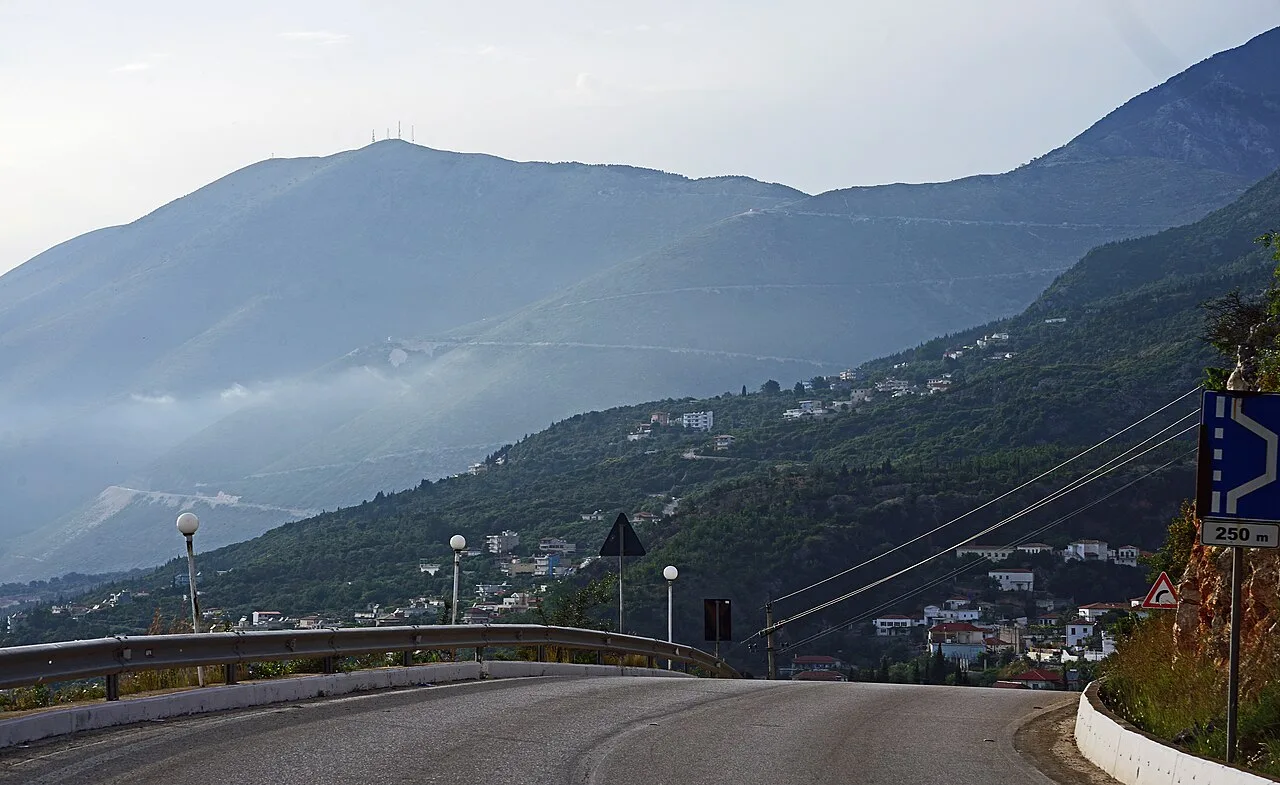
Where Croatia pulls ahead is variety and backdrop options; where Albania pulls ahead is that mountain-meets-sea scenery on the Riviera and, still, emptier sand away from the two or three headline spots. But be realistic about those headline spots. Ksamil now draws heavy summer crowds and privatised beach clubs, so the “undiscovered” line is a few years stale for precisely the places most first-timers head to. For the full run of the Albanian coast, town by town, our Albanian Riviera guide walks the Vlora-to-Saranda stretch, and the Himara vs Saranda vs Ksamil comparison sorts out which base gets you the best beaches.
Crowds: the over-tourism gap runs the other way
Croatia, and Dubrovnik in particular, has a genuine over-tourism problem that Albania mostly still doesn’t. Dubrovnik takes on the order of 1.5 million visitors a year, near its 2019 peak, against a resident population of about 40,000, and on cruise days the walled town can feel like a queue with a view. Albania as a whole received roughly 10 million visitors across the entire country in 2023, so outside the two or three honeypots the coast still breathes.
The caveat, again, is those honeypots. In peak season Ksamil and central Saranda fill right up, and Ksamil, being a small village, feels genuinely packed by mid-morning. So the honest read is: Albania is emptier on average and much emptier off the main strip, but it is not empty at its most famous beach in August. If avoiding crowds is a real priority, Albania gives you far more room to do it, as long as you shoulder your dates into June or September or point yourself at the quieter coves rather than the Instagram spots.
Getting around, and the EU angle
Croatia is the smoother country to move through, full stop. It’s in the EU and the Schengen Area, it switched to the euro at the start of 2023, its roads are excellent and its ferries are frequent and reliable. Albania is outside both the EU and Schengen, uses the lek, and while its main corridors are fine, the mountain and coastal roads are rougher and public transport is thinner, so a rental car helps far more here than it does in Croatia. If you’d rather not drive at all, Croatia is the easier pick; if you’re happy behind the wheel, Albania’s cheaper hire and quiet roads are a plus rather than a chore. Our guide on how to get around Albania covers the buses, furgons and driving realities before you decide.
Because Croatia is in Schengen and Albania isn’t, this section has a second layer beyond roads and ferries: your visa clock. Non-EU visitors get 90 days in any 180 across the whole Schengen zone, and every night in Croatia spends down that same allowance, whatever else you’ve done with it this year. Albania sits outside the zone entirely, so time there costs you nothing on that clock: most Western nationalities get 90 visa-free days on top, and US passport holders get a full year. Rules shift, so confirm the current position for your passport before you fly - our Albania visa and entry requirements guide keeps the nationality table and the official sources in one place. For anyone stringing together a longer Europe trip, that’s a genuine reason to bank Croatia days elsewhere and let Albania be the place you actually stay put.
When to go, on either coast
Both coasts follow the same rhythm: hot and busy July and August, softer and cheaper in the shoulders. For Albania, June and September give you warm sea, thinner crowds and lower rates, and the same broadly holds across the Adriatic; if you’re leaning Croatian, our sister site’s guide on the best time to visit Croatia breaks down the months in detail. On both shores, if you’re set on July or August, book accommodation early, because the good-value rooms are the first to go and last-minute peak pricing is where the two countries feel most different.
Choose Albania if… choose Croatia if…
Strip it back and it’s a clean split. Choose Albania when price is the deciding factor: actual sand, emptier beaches, a rented apartment over a hotel, a car and some cash in your wallet, or a longer trip where you’d rather bank your Schengen days for later. This coast suits people who’d rather put the savings toward more days than more polish. Choose Croatia when the islands are the point: hopping between them by ferry, walking straight into UNESCO old towns, cards that work everywhere, English at every counter, and a budget that can stretch to Western-Europe prices without flinching. Croatia is the smoother, pricier, more finished trip; Albania is the cheaper, sandier, occasionally-rougher one that leaves more in your pocket.
If you can’t decide, be aware this isn’t the combine-them situation that Albania and Greece is; the two are a full country apart, so most people genuinely pick one. The exception is a longer Adriatic road trip that strings Split and Dubrovnik into Montenegro and down into Albania, taking each country at its own price point; our Albania vs Montenegro comparison covers that easy pairing, and the Albania vs Greece comparison does the same for the other neighbour. And if Albania wins on the numbers, our rundown of where to stay in Albania narrows the shortlist down to a handful of towns, while the roundup of the best resorts in Albania covers the all-inclusive scene, which sits on the sandy Durres coast rather than the pretty southern Riviera. It’s worth knowing that going in, because the resort format Croatia and other Med coasts take for granted is the one thing Albania’s south mostly doesn’t do.
The trade you’re making
None of this makes Albania simply better; it makes it a different trade. Croatia’s premium buys real things, the island variety, the reliable ferries and roads, the card-everywhere ease, the postcard old towns, and for a lot of travellers that smoothness is worth paying for. Albania asks a bit more of you: rougher roads off the main corridors, more cash, a car strongly recommended, and its two famous beaches now busy and partly privatised in high summer, so the cheapest-and-emptiest pitch is only fully true away from Ksamil and Saranda in peak weeks.
The fair summary: the cheaper coast wins for anyone chasing more days in the sun, real sand and a bit of rough-edged adventure - the savings are large enough to fund either a longer trip or a nicer room. If you want island-hopping variety, walkable history and everything running without a hitch, and the budget allows, Croatia earns its higher bill. They’re not a half-hour ferry apart the way Albania and Greece are, so this really is a choice, and for most people the deciding question is simple: how much does the polish matter to you, and how much do you want to keep in your pocket.
Photos
Read also

Before you go · 13 min read
Theth vs Valbona: Where to Base in the Albanian Alps
Updated · September 25, 2026Theth vs Valbona in 2026: which Alps valley to base in without the full crossing - access from Tirana, guesthouse costs and crowds compared.

Before you go · 8 min read
Where to Stay in Gjirokaster: Old Town Stone Hotels
Updated · September 3, 2026Where to stay in Gjirokaster: Old Town stone boutiques and guesthouses versus the flat new town - cobbles, parking and what each lodging type really costs.

Before you go · 11 min read
Berat vs Gjirokaster: Which Ottoman Town to Visit?
Updated · September 25, 2026Berat vs Gjirokaster in 2026: white-window Berat is closer from Tirana; stone Gjirokaster fits the south. Compare sights, travel times and who each suits.

Before you go · 11 min read
Where to Stay in Shkodra: Old Town, Lake or Alps Base
Updated · September 25, 2026Where to stay in Shkodra: the Old Town, quiet Zdrale, lakeside Shiroka, or a hiker hostel that runs its own transfer to Theth and the Koman ferry.