Albania vs Greece: Which Beach Holiday to Choose
Albania vs Greece for a beach holiday: Albania is far cheaper and emptier, Greece has the islands and polish. Who each suits, and why to combine them.
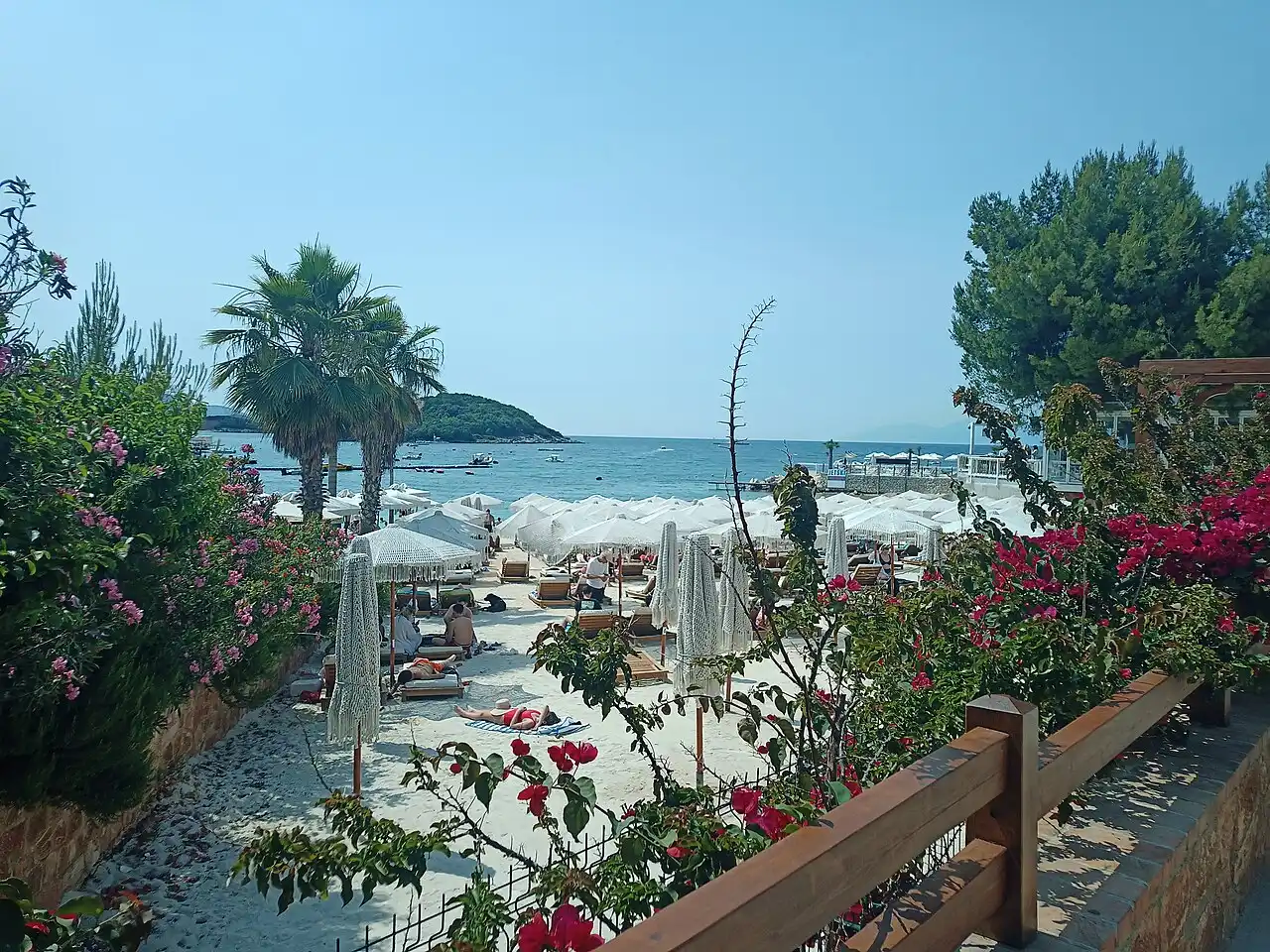
The short version: go to Albania if you want a beach holiday for a fraction of the price, with emptier sand and a rawer, more local feel, and you don’t mind patchier roads and pebble beaches. Go to Greece if you want island variety, polished infrastructure, easy flights and a mature food scene, and you’re happy to pay Western-Europe money for it. But the smartest travellers don’t actually pick one. They fly into Corfu on a cheap Greek-island flight and take the 30-minute ferry to Saranda, getting Greek access at Albanian prices.
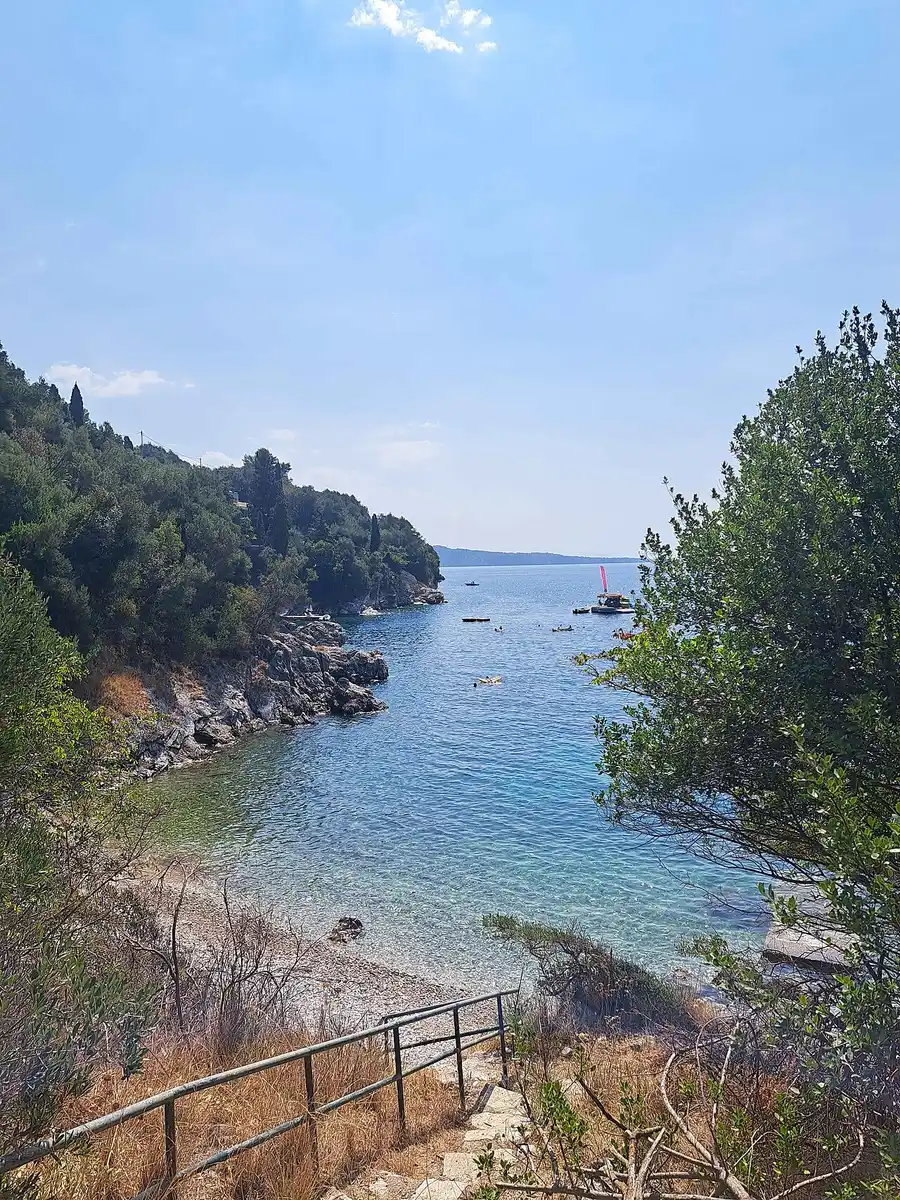
Both sit on the same warm, clear water at the meeting point of the Adriatic and Ionian seas, and from a beach photo alone you often can’t tell them apart. Where they split is money, crowds, logistics and how developed everything is. This guide breaks that down honestly, with real numbers where they exist, and tells you which trip fits which traveller. The price bands below are gathered from travel-cost comparisons rather than personally audited, so treat them as the right order of magnitude and check current rates for your dates before you commit.
The money gap is the whole story
If budget matters at all, this is where the decision usually gets made. Travel-cost comparisons consistently put an Albania trip at roughly 40 to 70 percent less than a comparable Greece trip, at every spending level, and the gap is widest on the things you buy every day. Accommodation on the Albanian Riviera runs about 40 to 60 percent below the popular Greek islands: a dorm bed that costs the equivalent of fifteen to twenty dollars in Albania is closer to thirty-five dollars and up on a Greek island.
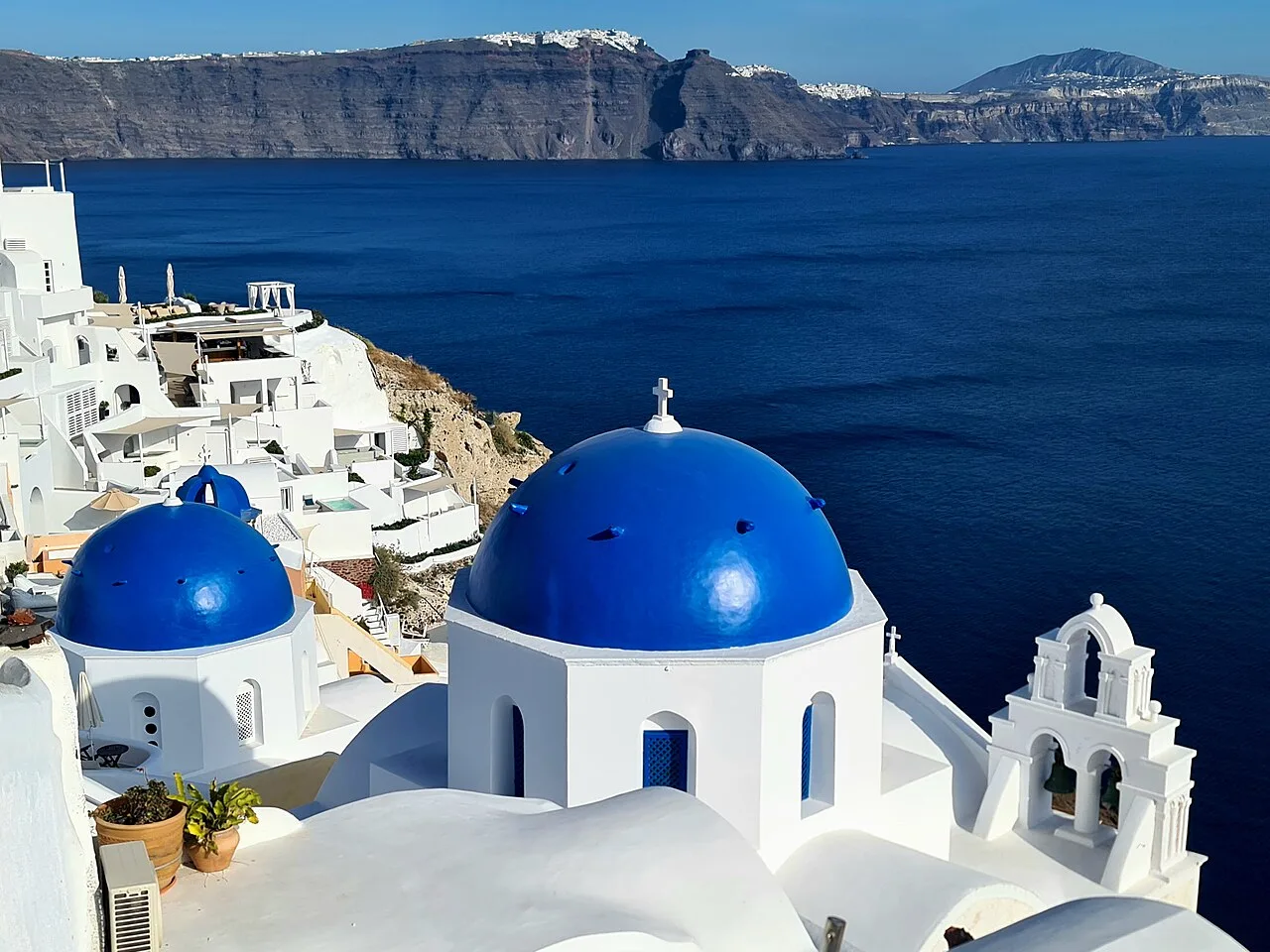
The daily costs stack up the same way. A coffee is about one to one and a half euros in Albania against three to five in Greece. A beachside lunch runs five to ten euros where the Greek equivalent is fifteen to twenty-five. A sunbed and umbrella on the Riviera costs somewhere around five to fifteen euros a day; on Santorini you can pay fifteen to forty euros for a single lounger. None of these is a huge line item on its own, but multiply them across a week and the total-trip saving lands at roughly 40 to 60 percent versus the Greek Ionian, and 60 to 75 percent versus Santorini or Mykonos.
The way to feel that number properly: a mid-range couple’s week on the Albanian Riviera costs about the same as three to four days in Corfu. That doesn’t just make the trip cheaper, it changes how long a trip you can afford. If you’ve been rationing a Greek-island holiday down to a long weekend on price, the same money buys you a full week next door.
Do the beaches actually compare?
Surprisingly, yes, more than the price gap would suggest. The Albanian Riviera fronts the same Ionian Sea as Corfu and the Greek Ionian islands, and the water is genuinely turquoise, nowhere more so than around Ksamil, whose little islands and clear shallows look straight out of a Greek-island brochure. Travel writers who’ve done both coasts tend to land on the same rough verdict: you get most of the looks of Greece for a fraction of the cost. For a proper rundown of the Albanian coast, our Albanian Riviera guide walks the whole Vlora-to-Saranda stretch.
Where Greece pulls ahead is variety and finish. Greece has thousands of islands, each with its own character, so you can island-hop for weeks and never repeat yourself, and its beach infrastructure, the loungers, the beach bars, the boat services, is mature and everywhere. Albania is essentially one coast, driven end to end, and much of the Riviera is pebble or shingle rather than sand; Ksamil’s white sand is the exception, not the rule, and it gets genuinely crowded in July and August. The other gap is the resort format Greece takes for granted: Albania has very few true all-inclusive complexes, and the ones it does have sit on the sandy Durres coast rather than the pretty south, as our guide to the best resorts in Albania explains. So the honest read is: Albania matches Greece on water and scenery, but Greece wins on choice and on how effortless it all is.
Getting there, and why you might not have to choose
Greece is the easier country to reach. It has far more direct flights from more European cities, a mature airport network, and a whole ferry system knitting the islands together. Albania has fewer long-haul options; the main gateway is Tirana (TIA), with the newer Vlora airport still ramping up, and once you land you’re mostly driving.
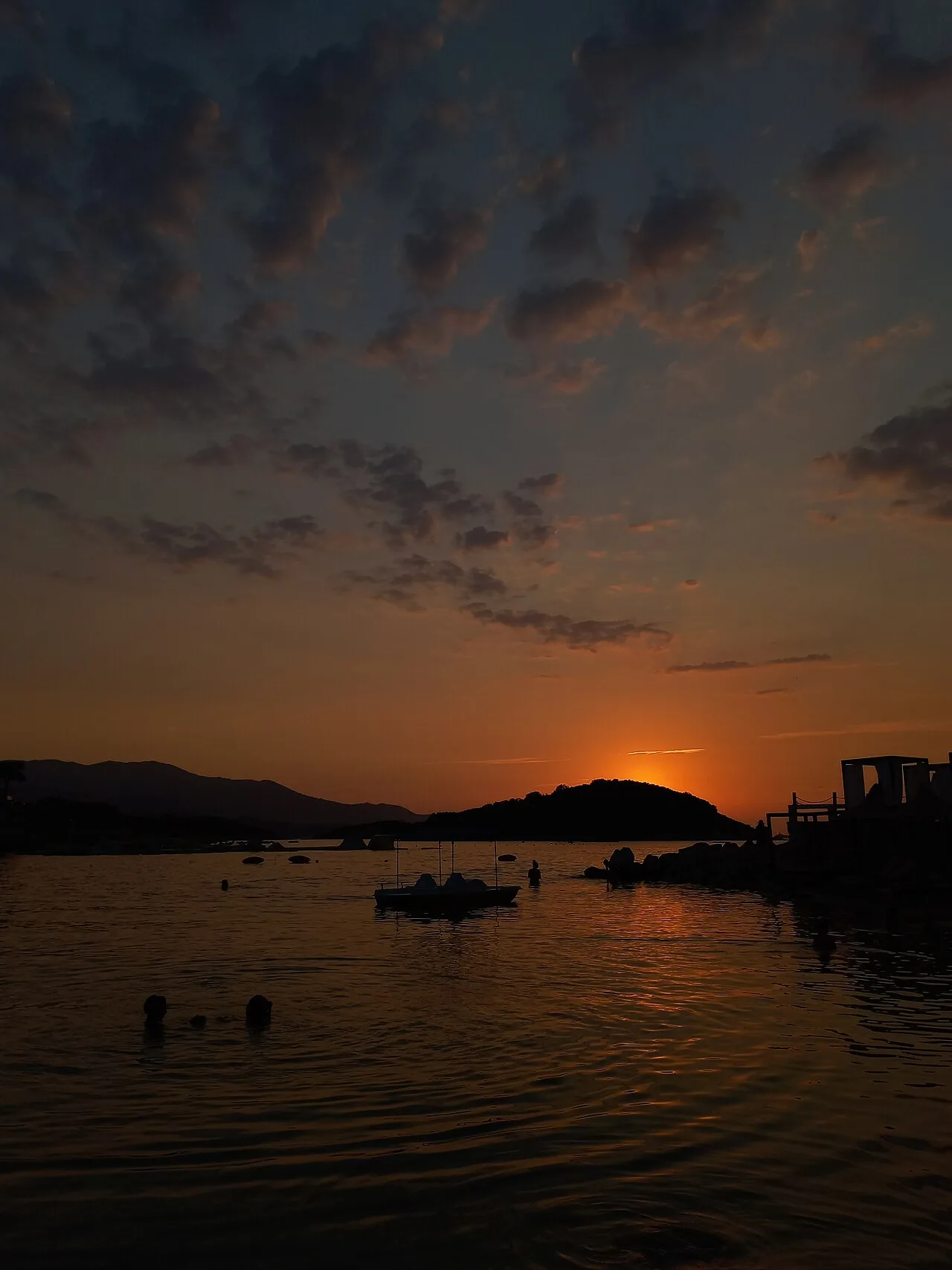
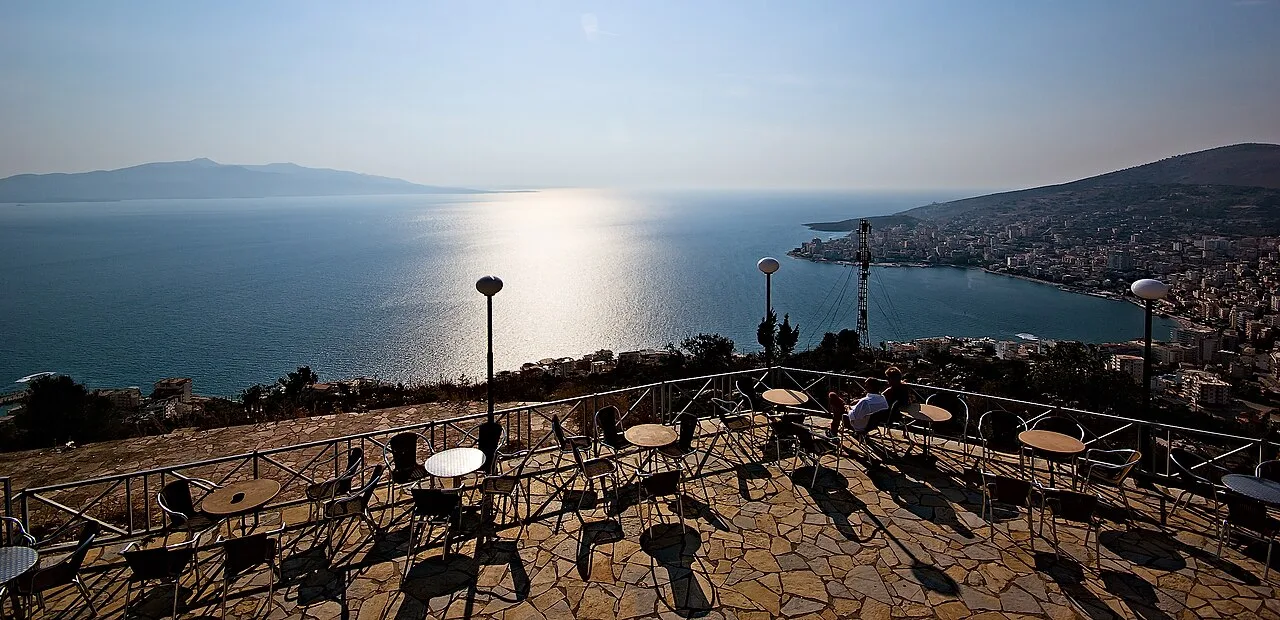
Here’s the twist that reframes the whole “either/or” question. Corfu’s airport is closer to the Albanian Riviera than Tirana is. A Corfu-to-Saranda ferry takes only about 30 minutes, and there are direct Corfu-Tirana flights of around an hour and a quarter too. So the move a lot of experienced travellers make is to book the cheap, frequent flights into Corfu, spend a day or two on the Greek island, then ferry across to Saranda and spend the bulk of the trip on the cheaper Albanian coast. You get Greek flight access and Albanian prices in one trip. If that’s your plan, our Saranda to Corfu ferry guide covers the timetable and how to book the crossing.
The Schengen angle that decides it for slow travellers
This one rarely makes the beach-versus-beach lists, but for anyone on a long European trip it can settle the argument. Greece is in the Schengen Area; Albania is not. That means every day you spend in Greece burns down the 90-days-in-any-180 Schengen allowance that most non-EU visitors get, while days in Albania don’t count against it at all. Most Western travellers can stay in Albania visa-free for up to 90 days, and US citizens can stay up to a year; the full nationality breakdown is in our Albania visa and entry requirements guide.
So if you’re spending a long summer moving around Europe, weeks on the Albanian coast keep your Schengen clock in the bank for the countries where you actually need it. Do the same weeks in Greece and you’re spending days you might want later in Italy, France or Spain. For slow travellers and digital nomads that’s often decisive, and it’s a genuine reason to weight a trip toward Albania even before the price gap comes into play.
Choose Albania if… choose Greece if…
Strip away the detail and it comes down to a few clean splits. Choose Albania if price is a real factor, if you want emptier beaches and a rawer, more local atmosphere, if you’re happy to stay in an apartment and eat out cheaply, or if you’re protecting Schengen days on a longer trip. It rewards travellers who value value and don’t need everything polished. To sanity-check the budget side, our guide to whether Albania is expensive breaks down real 2026 daily costs.
Choose Greece if you want to island-hop with variety, if seamless ferries and reliable roads matter to you, if you want the deepest food and nightlife scene, or if you simply prefer the reassurance of a mature, well-trodden tourist machine with English signage everywhere. Greece is the safer, smoother, more expensive choice; Albania is the cheaper, emptier, occasionally-rougher one.
And if you can’t decide, the real answer is usually both on the same trip, thanks to that short Corfu ferry. Land in Greece, sleep in Albania, swim in both. Once you’ve picked your coast, our guide to where to stay in Albania helps you choose the right base for the Albanian half, and if that base is the southern Riviera, our Himara vs Saranda vs Ksamil comparison settles which of the three main beach towns fits you best.
Greece isn’t the only neighbour worth weighing against Albania. If you’re mapping a wider Adriatic trip, our Albania vs Croatia comparison sizes up the pricier coast to the north, and our Albania vs Montenegro comparison covers the small, glossy country next door that you can actually pair with Albania on one cheap bus.
The honest caveats
None of this makes Albania strictly better; it makes it a different trade. The roads are patchier than Greece’s, especially off the main corridors, and public transport is less developed, so a car helps far more here than on a Greek island. Much of the Riviera is pebble rather than sand, and the two big-name spots, Ksamil and Saranda, now draw real summer crowds in July and August, so the “empty undiscovered coast” line is a few years out of date for exactly the places most people head to. Book those early, or shoulder your dates into June or September.
Greece, for its part, is simply more expensive across the board, and in peak season the famous islands can feel over-touristed and overpriced in a way Albania mostly still doesn’t. Neither country is a mistake. If you want the most beach for your money and a bit of adventure, Albania is the pick; if you want the finished article and the island variety, and the budget stretches, Greece earns it. The lucky part is that they’re a half-hour ferry apart, so the best trip of all often refuses to choose.
Photos
Read also

Before you go · 13 min read
Theth vs Valbona: Where to Base in the Albanian Alps
Updated · September 25, 2026Theth vs Valbona in 2026: which Alps valley to base in without the full crossing - access from Tirana, guesthouse costs and crowds compared.

Before you go · 8 min read
Where to Stay in Gjirokaster: Old Town Stone Hotels
Updated · September 3, 2026Where to stay in Gjirokaster: Old Town stone boutiques and guesthouses versus the flat new town - cobbles, parking and what each lodging type really costs.

Before you go · 11 min read
Berat vs Gjirokaster: Which Ottoman Town to Visit?
Updated · September 25, 2026Berat vs Gjirokaster in 2026: white-window Berat is closer from Tirana; stone Gjirokaster fits the south. Compare sights, travel times and who each suits.

Before you go · 11 min read
Where to Stay in Shkodra: Old Town, Lake or Alps Base
Updated · September 25, 2026Where to stay in Shkodra: the Old Town, quiet Zdrale, lakeside Shiroka, or a hiker hostel that runs its own transfer to Theth and the Koman ferry.