Albania vs Montenegro: Which to Choose?
Albania vs Montenegro compared: Albania is ~30-40% cheaper with longer, emptier beaches; Montenegro has Kotor Bay and polish. Plus why to do both.
The short version: Albania is the value pick, running roughly 30 to 40 percent cheaper than Montenegro with longer, emptier beaches and bigger mountains; Montenegro is smaller, glossier and pricier, and it has one thing Albania simply can’t match, the Bay of Kotor. But the smartest answer here is often neither/both, because unlike Croatia these two share a land border. A cheap three-to-four hour bus links Shkoder to Budva along Lake Skadar, so you can pair them on one trip and take each at its own price.
They’re next-door neighbours on the same Adriatic, so the water and the broad Balkan feel are similar. Where they diverge is cost, crowds, the shape of the coast and that one signature bay. The comparison below puts real 2026 numbers on it where they exist, with an honest read on who each coast suits. Treat the price ranges as the right ballpark rather than an audited quote, and check current rates for your dates, because both coasts book up and get pricey in peak July and August.
The price gap: real but smaller than you’d think
Albania is clearly the cheaper country, but the gap with Montenegro is narrower than the gulf between Albania and Croatia, which our Albania vs Croatia comparison breaks down in full. Reckon on Albania coming in around 30 to 40 percent below Montenegro across a trip. Accommodation shows it cleanly: a budget guesthouse double runs about 35 to 55 euros a night in Albania against 50 to 80 in Montenegro, and a mid-range hotel about 60 to 90 versus 90 to 150. Same standard of room, a third or so cheaper on the Albanian side.
The daily spends line up the same way. Dinner for two at a mid-range place is roughly 20 to 35 euros in Albania against 35 to 60 in Montenegro. A coffee is about a euro to 1.50 versus 1.50 to 2.50. A sun lounger is around five to eight euros on most of the Albanian coast against 10 to 20 in Montenegro, and steeper still at the developed Budva-area beaches. Add it up and a week for a mid-range couple lands near 900 to 1,500 euros in Albania against 1,500 to 2,500 in Montenegro. It’s a real saving, just not the halving you get against Croatia, so if Montenegro is where you actually want to be, the premium is more forgivable here. Our guide on whether Albania is expensive breaks down the Albanian side of those numbers in detail.
The one thing Montenegro has that Albania doesn’t
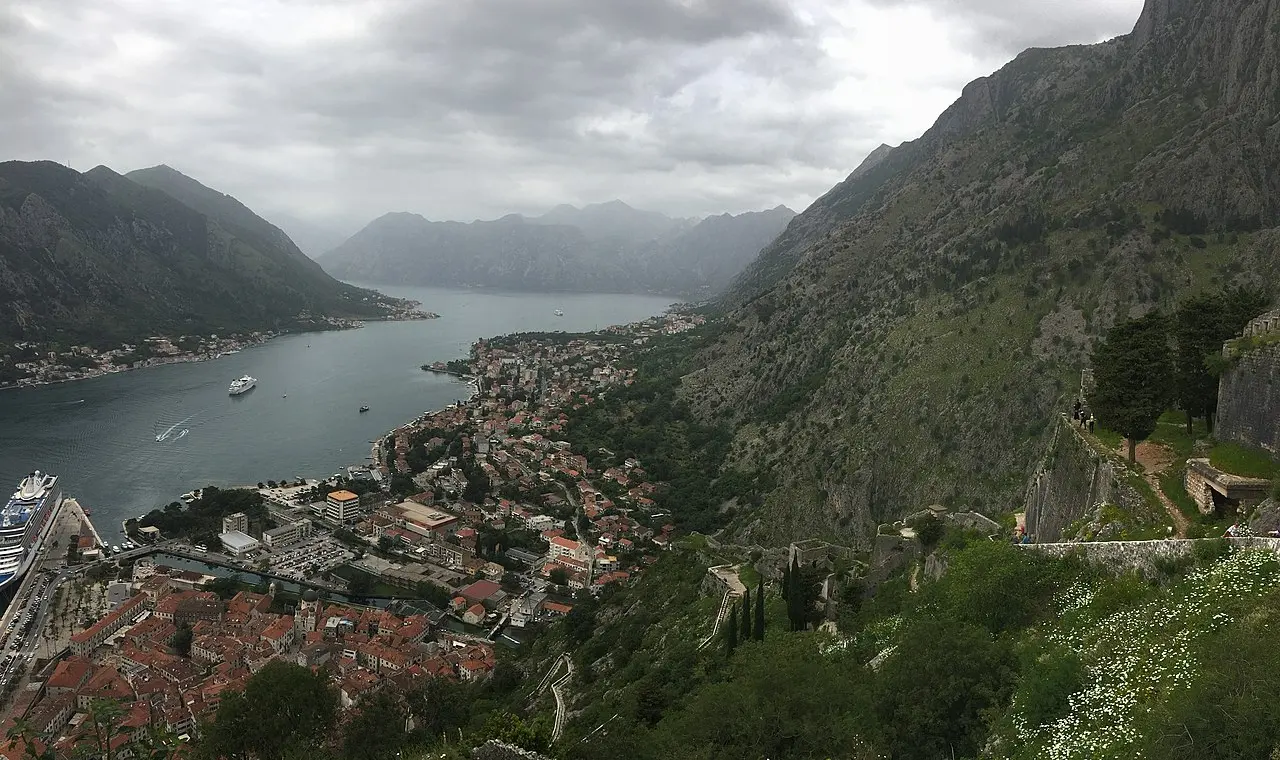
If you strip everything else away, Montenegro’s case comes down to the Bay of Kotor. It’s a deep, fjord-like inlet ringed by near-vertical mountains, with the walled medieval town of Kotor at its head, a UNESCO site you can hike above for one of the best views in the Balkans. Albania has dramatic coast and its own UNESCO towns inland, but it has nothing shaped like Kotor Bay, and for a lot of travellers that single sight is reason enough to choose Montenegro or at least to work it in.
Montenegro’s other selling point is that it’s tiny and tightly packed. You can be at the Kotor fjord, a beach, a mountain and a lake all within a short drive, which makes it brilliant for a compact week where you want variety without long transfers. It also links straight onto Croatia to the north, so it’s a natural half of a Dubrovnik-plus-Kotor loop. Albania, being far larger, asks for more driving to string its highlights together, which is a genuine point in Montenegro’s favour if your time is short.
Beaches and crowds: where Albania pulls ahead
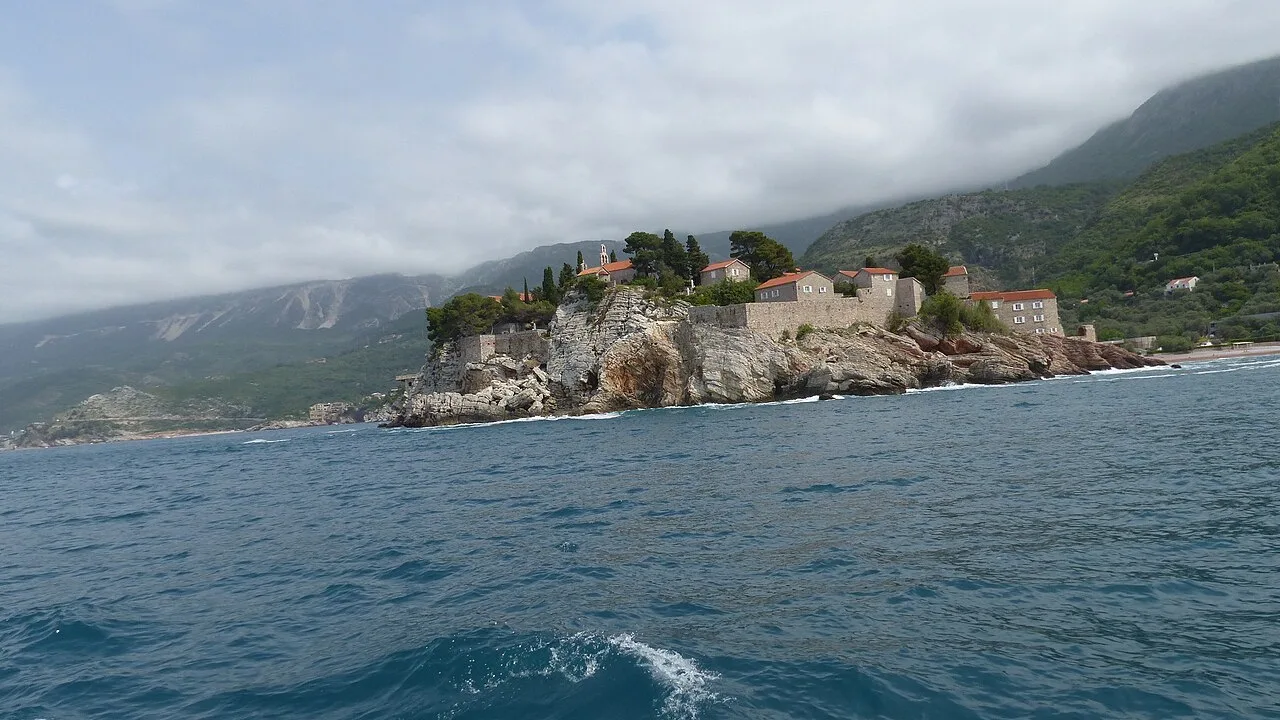
On the coast itself the trade flips. Montenegro’s best-known beaches, Budva’s town beach and the strip below Sveti Stefan, are short, developed and, in peak season, extremely crowded and increasingly expensive, with the beach-club and sunbed machine priced to match years of upmarket development. The Montenegrin coast is beautiful but small, so in August it concentrates a lot of people onto not much sand.
Albania has far more coastline to spread out on. The northern beaches near Shkoder and Lezhe, places like Velipoje and Shengjin, are long, flat and largely undeveloped, while the southern Riviera is dramatically varied, from the turquoise lagoon of Ksamil to wild, barely-accessible coves. It’s cheaper and, crucially, less crowded on average, though the two famous southern spots, Ksamil and Saranda, do fill up in high summer. So the honest read: Montenegro has the more polished, concentrated beach scene and Albania has the longer, emptier, cheaper one with more variety. For the full run of the southern coast our Albanian Riviera guide covers it town by town.
Why you probably shouldn’t choose at all
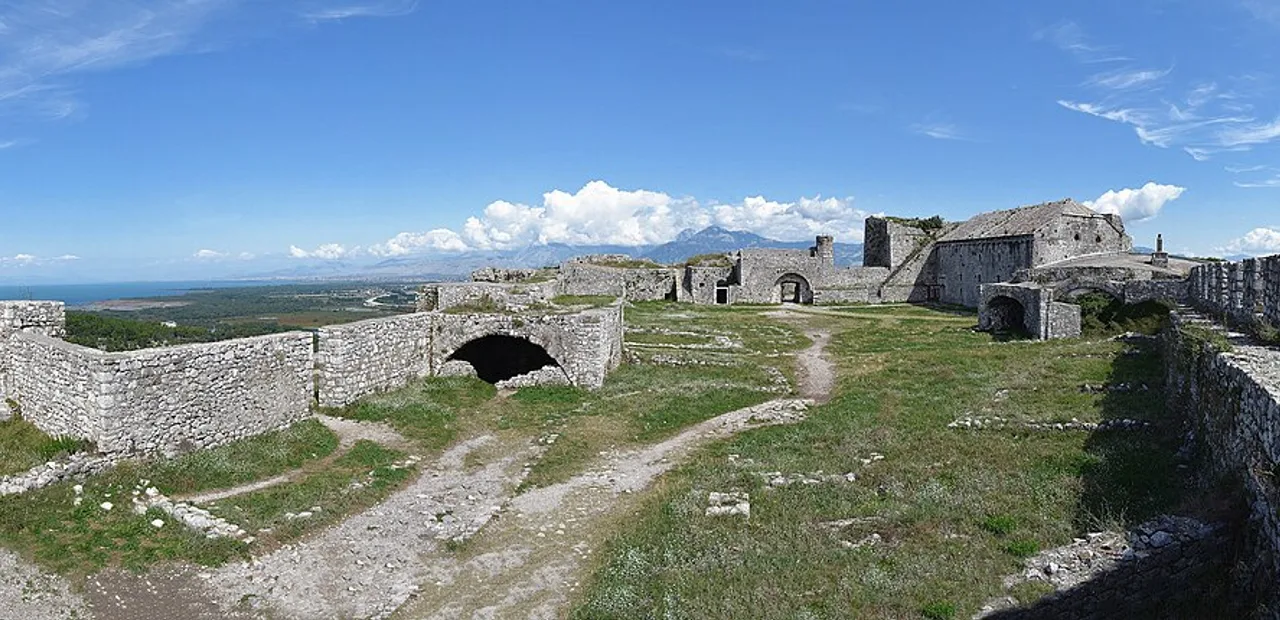
Here’s the part that reframes the whole question. Croatia is a full country away from Albania, but Montenegro is right next door, and the crossing is short and cheap. The two share a border near Shkoder and Ulcinj, and the main crossing at Hani i Hotit (Bozaj on the Montenegrin side) is only about 35 km from Shkoder, with the road hugging Lake Skadar, the largest lake in the Balkans and a birdlife-rich national park that straddles both countries.
The practicalities are easy. Three bus companies run Shkoder to Budva, taking roughly three hours to four hours twenty depending on the border, for a fare of about 15 to 19 euros plus a euro or so for luggage. The one thing to plan around is border queues in high summer: off-season (October to May) you’ll wait five to fifteen minutes, summer weekdays 20 to 45, but summer weekends, Friday and Sunday afternoons especially, can stretch to 45 to 90 minutes at Bozaj. Cross midweek or early morning and it’s painless. A proven two-week combine is five or six days on Albania’s south coast, a couple of days around Shkoder and the Albanian Alps, then three or four days on Montenegro’s coast, taking each country at its own price point. Shkoder is the natural hinge, and our Shkoder guide covers the city and the lake that links the two. If you’d rather drive the pairing than take the bus, our Albania-Montenegro road trip plots the whole Shkodra-to-Kotor loop day by day.
Getting around, money and paperwork
Neither country is in the EU or the Schengen Area, which changes the calculus from the Greece and Croatia comparisons. Montenegro uses the euro (unofficially, but it’s the everyday currency), while Albania uses the lek, so on a combined trip you’ll switch cash, and Albania still leans on cash more than card-friendly Montenegro. Because both sit outside Schengen, neither burns down the 90-days-in-any-180 Schengen allowance, so the Schengen-clock argument that tips Greece and Croatia toward Albania simply doesn’t apply between these two; you can spend freely in both without touching that budget. Most Western travellers get up to 90 days visa-free in each, and US citizens up to a year in Albania. (Visa rules change, so confirm the current position for your nationality before you go.)
On the ground, Montenegro’s small size means short drives and easy logistics, while Albania rewards a rental car far more because distances are longer and public transport is thinner off the main corridors. If you’re not driving, Montenegro is the lower-effort country to get around; if you are, Albania’s cheaper hire and quieter roads are a plus. Our guide on how to get around Albania lays out the buses, furgons and driving realities.
Choose Albania if… choose Montenegro if…
It comes down to a few clean splits. Choose Albania if price matters, if you want longer and emptier beaches with more variety, if you like bigger mountains and older, less-touristy UNESCO towns like Berat and Gjirokaster, or if you’re happy to drive and carry some cash. It’s the better all-round value for most travellers. Choose Montenegro if the Bay of Kotor is high on your list, if you want to see a lot in a short, compact week without long transfers, if you prefer the more developed beach-club scene, or if you’re already doing Croatia and want to extend south. Montenegro is the smaller, glossier, pricier trip; Albania is the bigger, cheaper, more varied one.
And if you can’t decide, don’t. This is the one comparison where combining is easy and cheap, so the best answer for many people is a two-country trip: Albania for the value, the beaches and the mountains, Montenegro for Kotor and the polish, joined by that short bus along Lake Skadar. If Albania is taking the larger share, our guide on where to stay in Albania helps you pick the right base, and if the southern coast is where you’re headed, our Saranda vs Vlora comparison weighs the two biggest Riviera cities. Still weighing the wider region? Our Albania vs Greece comparison covers the other neighbour worth pairing with the Albanian coast.
The honest caveats
None of this makes one country simply better; it’s a trade. Montenegro’s premium buys compactness, the card-everywhere ease, the developed beach scene and, above all, Kotor Bay, and for a short trip built around that fjord it earns the extra cost. Albania asks a bit more of you, more driving, more cash, thinner public transport, and its two famous southern beaches get busy in high summer, so the emptiest-and-cheapest pitch is fully true only away from Ksamil and Saranda in peak weeks.
The fair summary: for value, variety and space, Albania wins, and the saving is enough to stretch the trip longer or upgrade the room. For Kotor, compactness and a glossier finish, Montenegro justifies its higher bill. The lucky part, unlike Albania versus Croatia or Greece by land, is that you rarely have to choose: they’re a cheap bus apart, and the best Balkan trip of all often takes both.
Photos
Read also

Before you go · 13 min read
Theth vs Valbona: Where to Base in the Albanian Alps
Updated · September 25, 2026Theth vs Valbona in 2026: which Alps valley to base in without the full crossing - access from Tirana, guesthouse costs and crowds compared.

Before you go · 8 min read
Where to Stay in Gjirokaster: Old Town Stone Hotels
Updated · September 3, 2026Where to stay in Gjirokaster: Old Town stone boutiques and guesthouses versus the flat new town - cobbles, parking and what each lodging type really costs.

Before you go · 11 min read
Berat vs Gjirokaster: Which Ottoman Town to Visit?
Updated · September 25, 2026Berat vs Gjirokaster in 2026: white-window Berat is closer from Tirana; stone Gjirokaster fits the south. Compare sights, travel times and who each suits.

Before you go · 11 min read
Where to Stay in Shkodra: Old Town, Lake or Alps Base
Updated · September 25, 2026Where to stay in Shkodra: the Old Town, quiet Zdrale, lakeside Shiroka, or a hiker hostel that runs its own transfer to Theth and the Koman ferry.