
UNESCO Albania Route: Berat, Gjirokaster & Butrint
A 4-5 day UNESCO Albania drive: Berat and Gjirokaster stone towns plus Butrint ruins - distances, tickets and where to sleep.
Albania’s UNESCO map is short and punchy: the twin Ottoman towns of Berat and Gjirokaster, plus the ancient city of Butrint on the far-south lagoon. String them north to south and you get a cultural corridor of roughly 227 km between the three sites, or about 325 km if you count the Tirana approach into Berat. Four to five days covers it without turning into a beach-hop. None of the three gates is expensive; just budget lek in cash before you arrive.
This is not the Riviera-and-Vjosa loop. The southern Albania road trip starts in Saranda, adds the Blue Eye, Permet and Himara, and skips Berat entirely. Pick that when you want coast and canyons. Pick this corridor when the World Heritage trio is the point.
Who this corridor fits
Choose it for castle quarters, slate roofs and ruins in shade. It’s a poor match for travellers who only want swimming days - you can add a Ksamil afternoon after Butrint, but the spine of the trip is cultural. A rental car makes the Berat-Gjirokaster inland leg sane; buses exist, yet they eat hours you’d rather spend inside the castle walls. See how to rent a car in Albania before you lock the dates.
May, June, September and October are the sweet months: open sites, cooler climbs, fewer coach queues. July and August still work if you start early at each gate.
How the corridor is stitched
Treat Tirana as the launch pad even if it isn’t a UNESCO stop. Plan on Tirana to Berat at about 100 km / 2 hours via the A3 and Elbasan, Berat to Gjirokaster at about 155-160 km / 3 hours, and Gjirokaster to Butrint at about 67 km / 1 hour 25. The three heritage stops alone total about 227 km on the road. Treat all three as rounded guidelines: routing engines disagree by tens of kilometres on the inland leg, and the mountain sections drive slower than the numbers suggest.
Suggested rhythm (5 days):
| Day | Sleep | Focus |
|---|---|---|
| 1 | Berat | Arrive from Tirana; Mangalem and Gorica at golden hour |
| 2 | Berat | Castle, Onufri museum, second quarter at a slower pace |
| 3 | Gjirokaster | Drive south; bazaar evening and stone-house dinner |
| 4 | Gjirokaster | Castle, tower-house visit; optional Antigonea or Blue Eye half-day |
| 5 | Saranda / Ksamil | Drive to the coast; full loop at Butrint; swim if energy remains |
Compress to four days by giving Berat a single overnight and moving the Butrint visit onto day 4 with a Saranda night. Stretch to six when a spare beach day after the ruins sounds better than an early flight home.
Stop 1 - Berat: windows, castle, icons
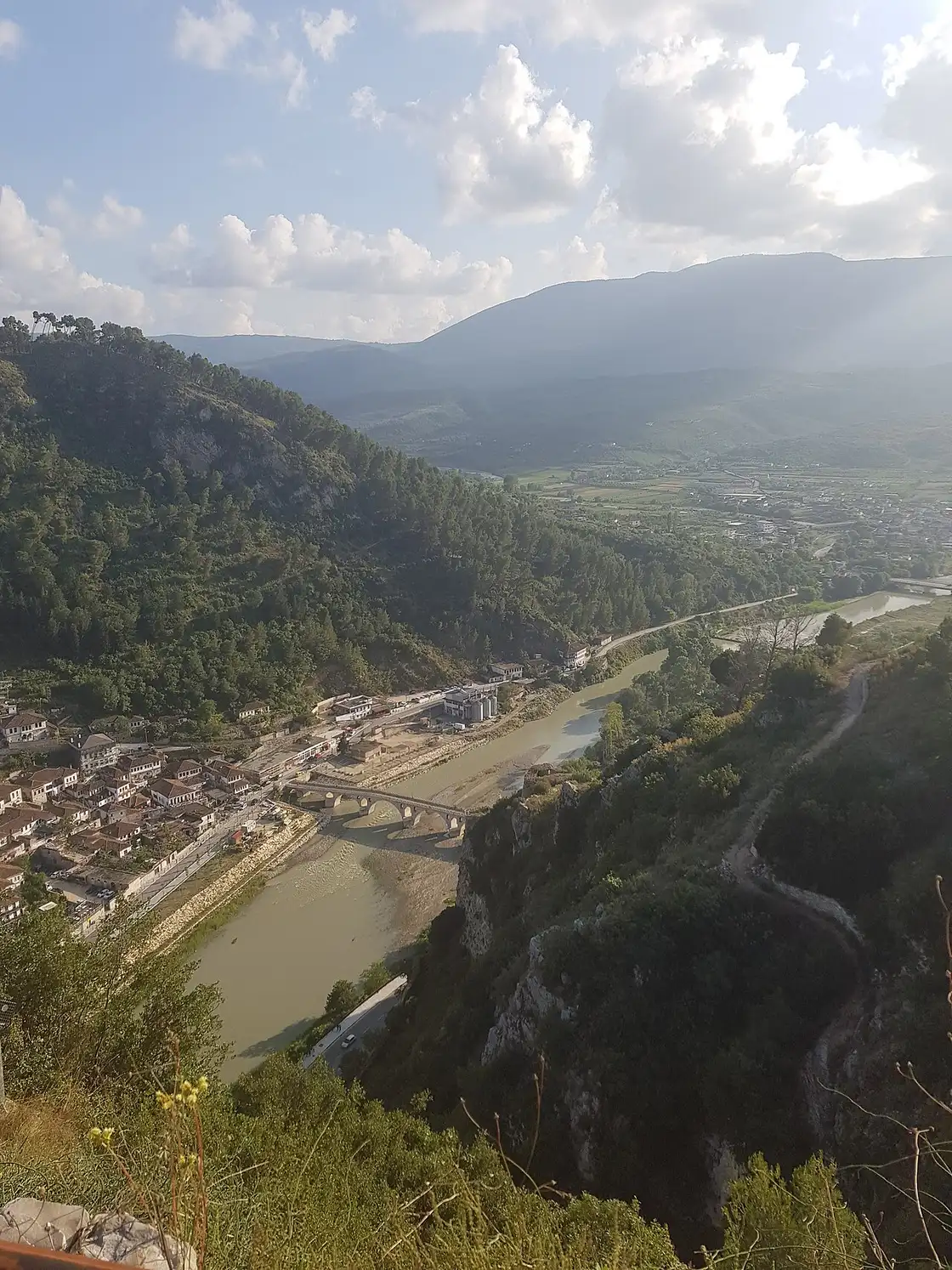
Berat is the “city of a thousand windows” - white Ottoman houses stacked on facing hills above the Osum. UNESCO lists it with Gjirokaster as a rare surviving Ottoman urban fabric. The Berat city guide has the full walk; for this route you need the decision layer.
Do this on foot. Cross between Mangalem and Gorica, then climb into the Kala - an inhabited castle quarter, not an empty ruin. Inside the walls, the Onufri Iconographic Museum (National Museum Center of Berat) is the paid highlight: individual ticket 400 ALL, with May-September hours 09:00-18:00 and a shorter winter timetable (Tuesday-Saturday 09:00-16:00, Sunday 10:00-15:00, closed Monday), per the museum centre’s visit page. Prices and hours do shift, so treat these as the latest published figures and check the board at the gate before you climb. The Ethnographic Museum in Mangalem is a separate 300 ALL ticket if you have a spare hour.
Two nights here beat a rushed day trip from Tirana. You’ll use the second morning for the castle when the light is kinder and the coaches haven’t arrived yet.
Stop 2 - Gjirokaster: stone city overnight
From Berat the road swings into the Drino valley and the slate roofs of Gjirokaster appear under the castle ridge. This is the second half of the same UNESCO historic-centres listing - tower houses (kullë), cobbled bazaar, fortress views. The Gjirokaster guide covers the sights; your overnight choice shapes the visit more than any museum leaflet.
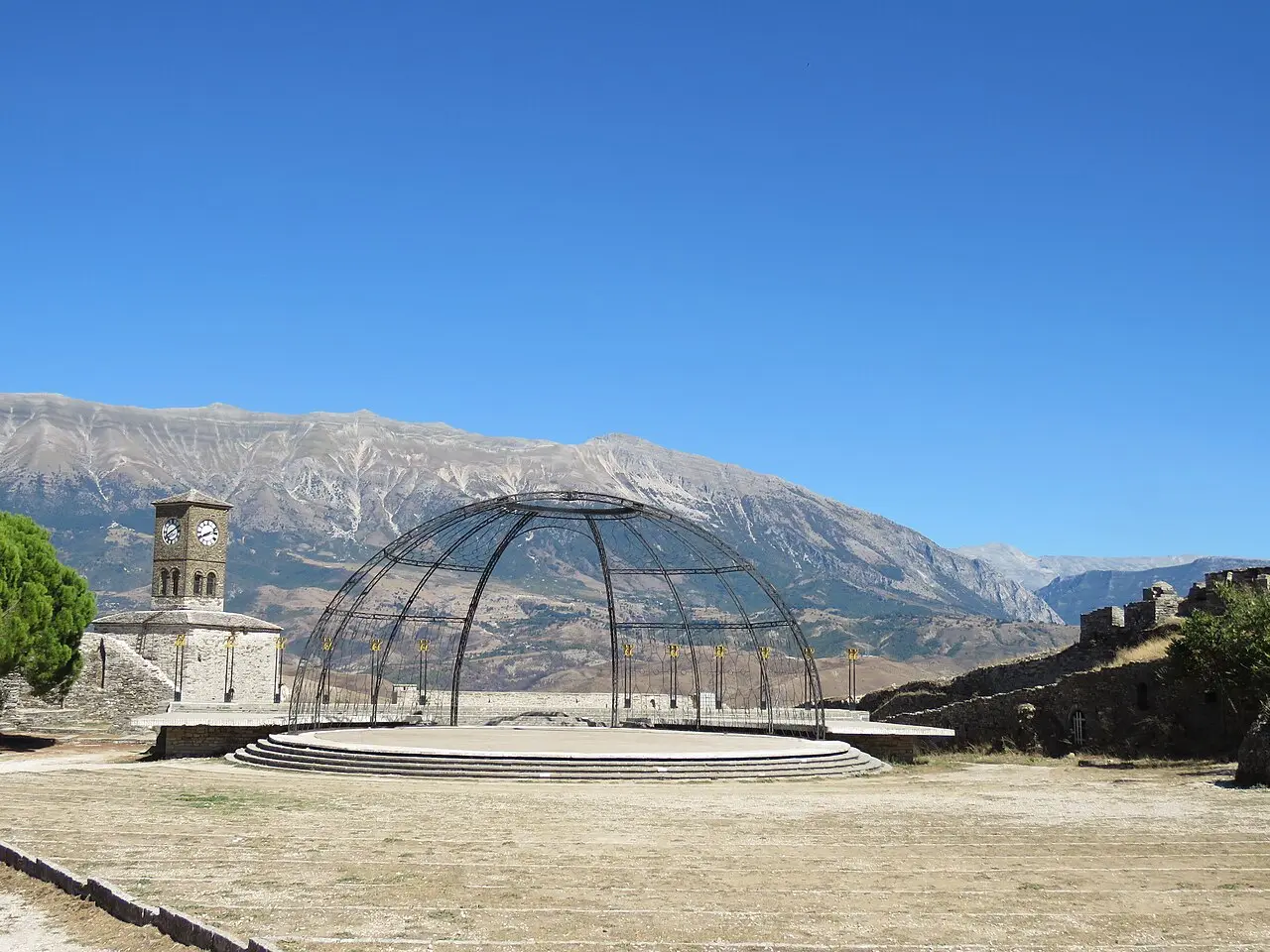
The Regional Directorate of Cultural Heritage publishes the castle gate tariff: 400 ALL for an individual adult, 300 ALL in groups of 12+, 200 ALL for pensioners and people with disabilities, 120 ALL for pupils and students, free under 12. Summer hours are 09:00-19:00 from 1 May to 30 September; winter drops to Tuesday-Saturday 09:00-16:00, Sunday 09:00-14:00, Monday closed. The weapons and castle museum pavilions inside are quoted at a further 200 ALL by the regional tourism portal, but that line does not appear on the directorate’s own price list - confirm the total for both tickets at the gate before you pay.
Sleep in a stone house if you can handle cobbles with luggage - where to stay in Gjirokaster sorts Old Town boutiques versus the flat new town. Two nights leave room for a tower-house visit and a half-day to the Blue Eye or Antigonea without sprinting.
Stop 3 - Butrint: ruins by the lagoon
The final UNESCO stamp sits past Ksamil on a wooded peninsula between lake and channel. Butrint is an archaeological park - Greek theatre, Roman layers, Byzantine baptistery, Venetian tower - walked on a single shaded loop. Base in Saranda or Ksamil for the night; the ruins themselves aren’t an overnight stop.
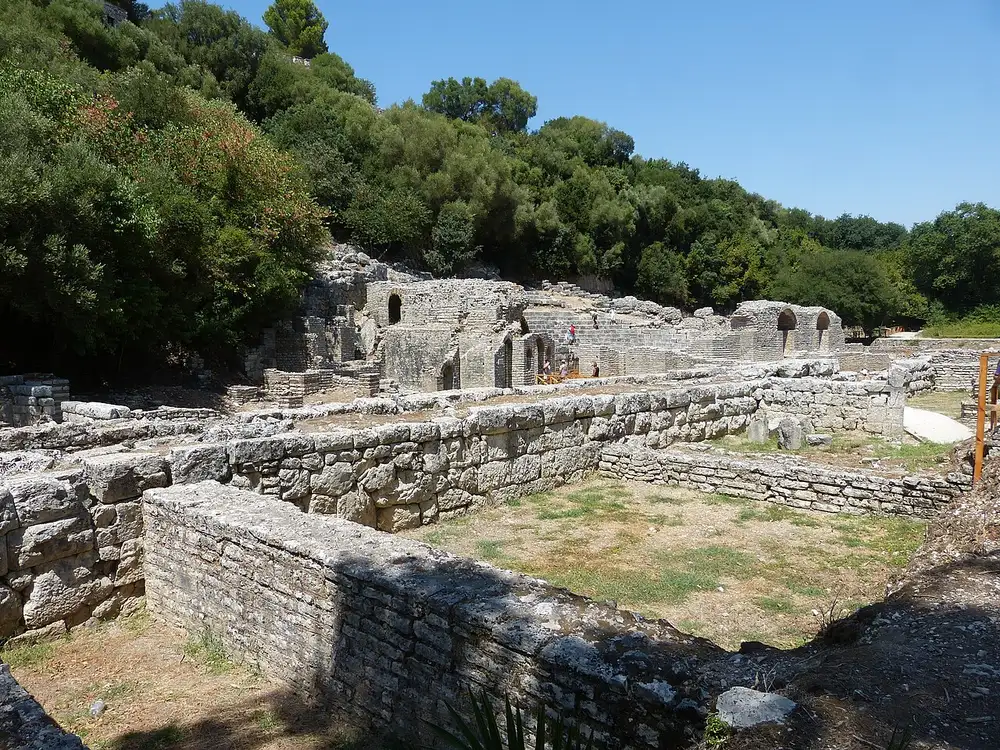
Official online tickets on the cultural-sites platform list 1,000 ALL per individual visitor and 800 ALL per person for groups of 10+. Seasonal hours on the same page: 1 April-31 October open 08:30, last entry 18:00, close 20:00; 1 November-31 March open 09:00, last entry 15:00, close 17:30. Carry cash as backup even if you buy online, and re-check the board at the gate - parks do adjust. Detail and trail order live in the Butrint National Park page.
Pair the visit with a Ksamil swim the same afternoon if you still have legs. Don’t try to squeeze Berat, Gjirokaster and Butrint into a single calendar day - the driving alone argues against it.
Where to sleep on a UNESCO run
- Berat: Mangalem or Gorica guesthouses keep you inside the postcard; the newer strips below are flatter for parking.
- Gjirokaster: Old Town stone boutiques and guesthouses for atmosphere; valley-floor hotels when you’re driving and rolling heavy bags. Use the lodging page linked above before you book.
- Saranda / Ksamil (for Butrint): seafront convenience after two inland stone towns. Saranda has more rooms and restaurants; Ksamil puts you closer to the park gate.
Book the two inland nights first in peak summer - stone inventory is thinner than Riviera concrete. Hotel platforms and direct house sites both work; confirm air conditioning and the exact walk from where a taxi can stop.
Budget sketch (per person / day, mid-range)
The from EUR 55 figure on the card is a shoulder-season planning floor, not a quote, and it is worth being straight about which part of it comes off a price list. Only the gates do: Onufri at 400 lek, the Gjirokaster castle gate at 400 lek and Butrint at 1,000 lek add up to 1,800 lek per person for the entire corridor - just under EUR 20 at the early-September rate, spread across four or five days. Everything above that moves with your own choices: a shared twin in a family guesthouse against a restored stone boutique, simple meals against sit-down dinners, and fuel or hire that depends on the car more than on the route. July-August rooms jump; June and September usually don’t.
Cash still matters at several gates and smaller guesthouses. Keep lek for tickets even when the room was prepaid by card.
When to choose a different Albania drive
- Want beaches, the Blue Eye and the Vjosa valley on the same loop? Take the southern Albania road trip.
- Want a country-wide circuit with more cities? Start from the Albania road-trip itinerary.
- Stuck choosing only between the two Ottoman towns? Berat vs Gjirokaster settles that - then come back here when Butrint joins the plan.
Finish the corridor and you’ll have walked Albania’s three World Heritage visits in one coherent drive: windows in Berat, stone in Gjirokaster, ruins in the reeds at Butrint. That’s the cultural spine of the south - leave the beach bars for the evening after the last gate closes.
Route day by day
- Days on the road
- 5
- Distance
- ≈227 km
- Budget from
- 55 EUR
- Best season
- May, June, September, October
The route at a glance
-
Berat
Route startstop ≈2880 min
UNESCO historic centre - Mangalem, Gorica and the inhabited castle with the Onufri museum.
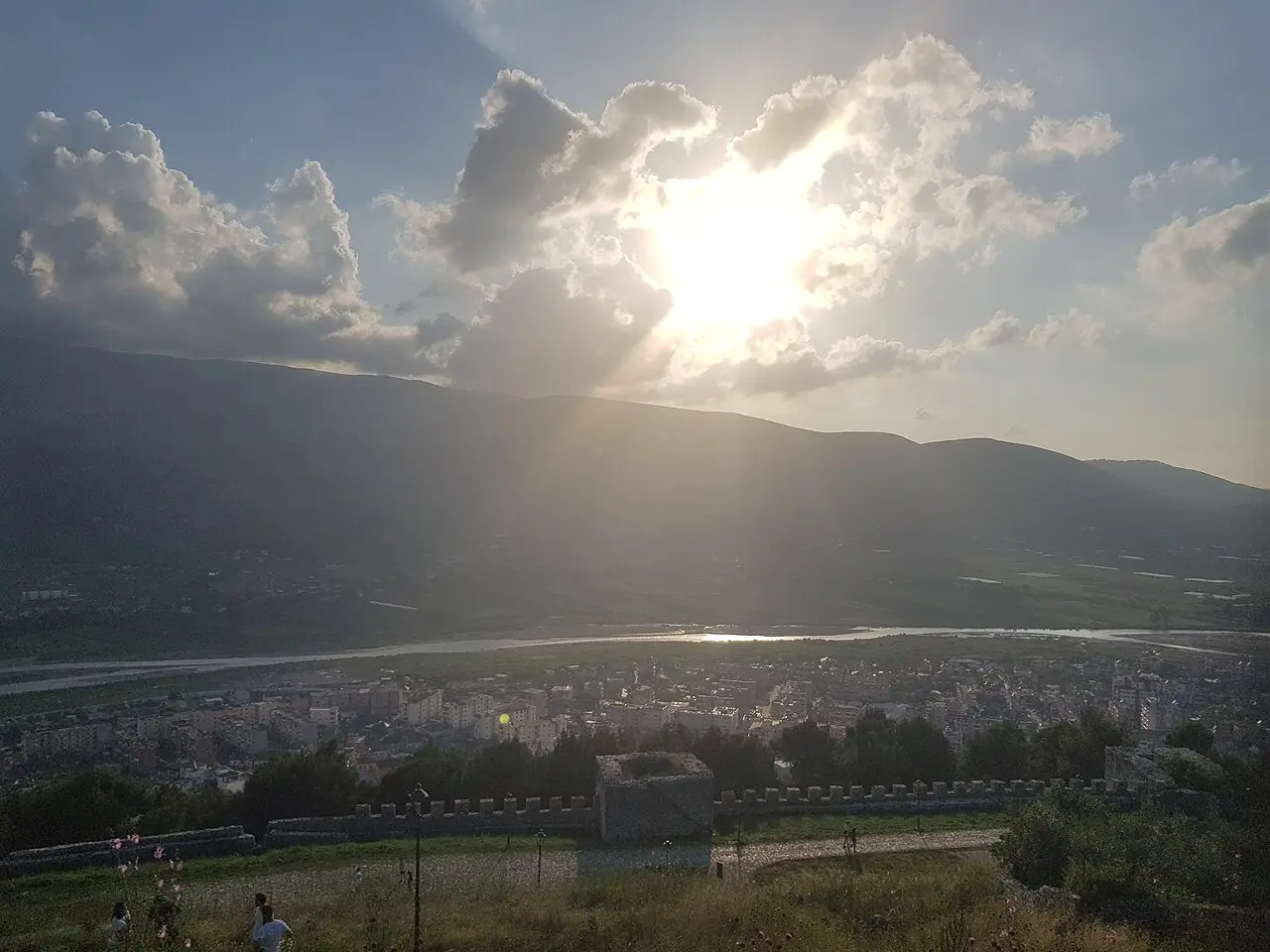
Photo: Per Holm Hansen / Wikimedia Commons, CC BY-SA 4.0 ( source) -
Gjirokaster
160 km from the startstop ≈2880 min
UNESCO stone city - slate roofs, Old Bazaar and the ridge castle above the Drino valley.
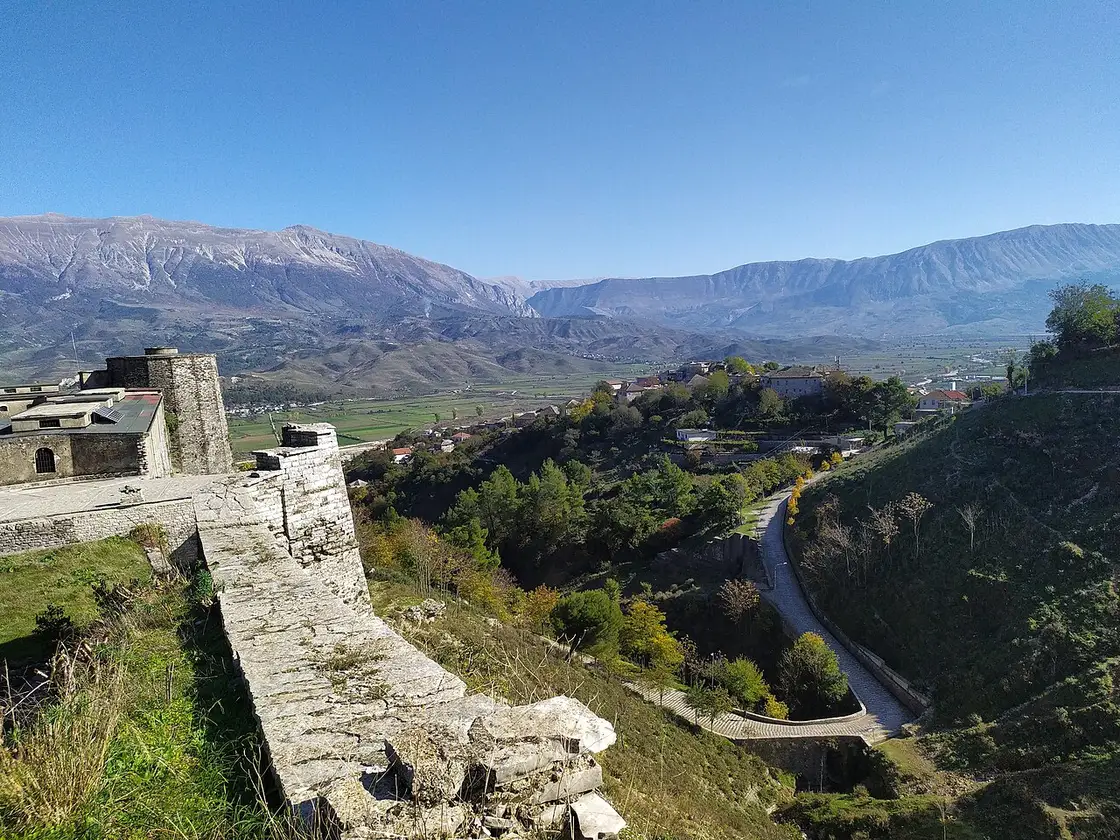
Photo: Leeturtle / Wikimedia Commons, CC BY-SA 4.0 ( source) -
Butrint
227 km from the startstop ≈180 min
UNESCO archaeological park on a wooded peninsula - theatre, baptistery and Venetian tower by the lagoon.
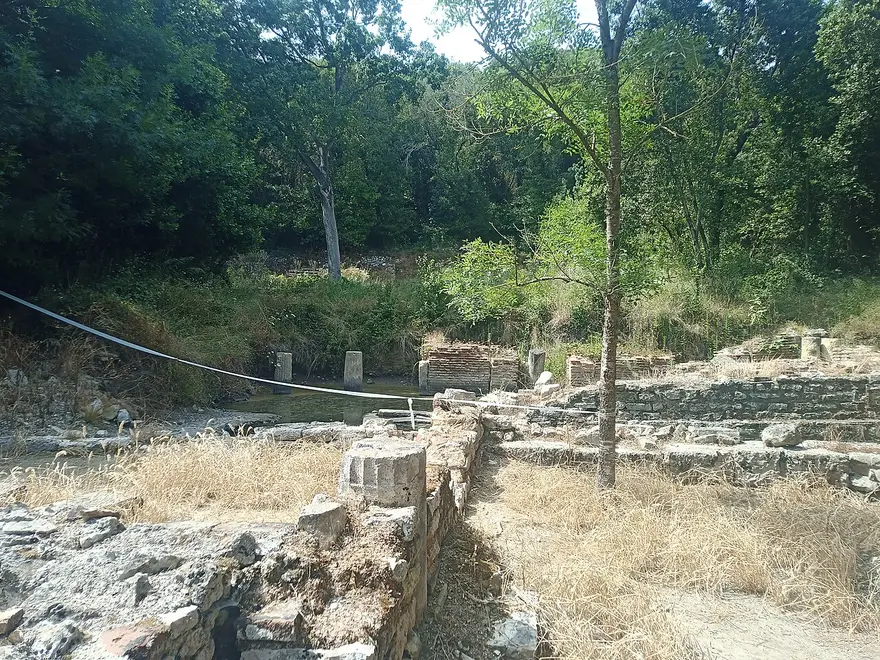
Photo: Aktron / Wikimedia Commons, CC BY-SA 4.0 ( source)
Route map
The map with stops loads on click - to keep the page lightweight.
The map didn’t load. Check your connection and refresh the page.