Buying Property in Albania as a Foreigner: Rules & Risks
Foreigners can buy Albanian apartments and houses; land limits, notary-cadastre steps, property residence links and title risks to check.
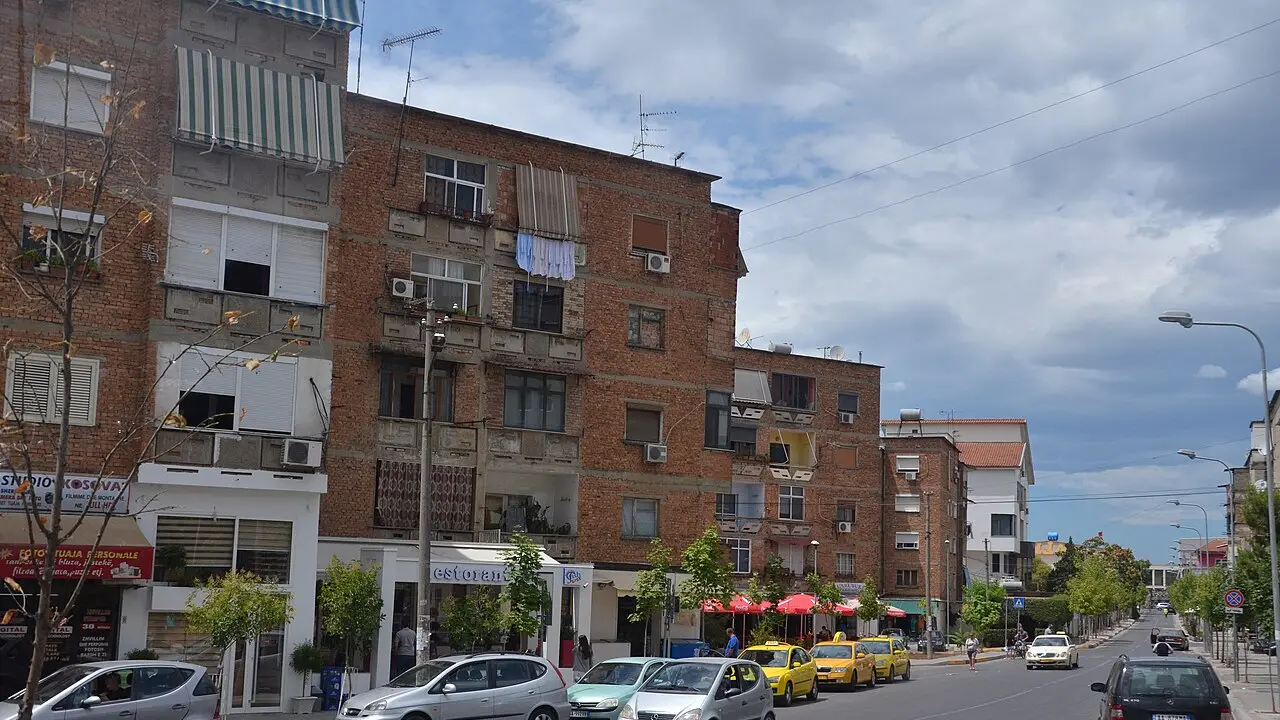
Yes, foreigners can buy residential property in Albania as private individuals - apartments, houses and finished villas in built-up areas are on the table, and the rules don’t split buyers by passport. What you can’t do as a natural person is pick up agricultural fields or forest land like a local farmer would. The sale itself always runs through a notary licensed by the Ministry of Justice and ends in the national cadastre register, and that’s where most of the real risk lives: a pretty villa with no clean title is worse than no villa at all.
General information, not legal, tax or immigration advice. Property, tax and residence rules change and depend on your nationality and circumstances. Confirm anything that affects your status with official sources (akd.gov.al, ashk.gov.al, e-albania.al, mb.gov.al) or a licensed Albanian lawyer and notary before you sign or wire money.
What foreigners can own - and what is off limits
Albania doesn’t split buyers into EU and non-EU camps for housing. The National Agency of Diaspora, summarising Albanian property law, states that transfer of ownership over immovable property must be done through a notarial act and registered, and that Albanian private buyers can trade land among themselves without restriction.
For foreign natural and legal persons the picture narrows on land category, not passport type:
- Agricultural, forest, meadow and pasture land: foreigners are not granted ownership as individuals. They may lease for up to 99 years under Civil Code rules instead. Source: Law No. 8337/1998, Article 4, via akd.gov.al/pronesia (checked August 2026).
- Urban building plots (truall): a foreign person who has carried out investment may buy land after completing the investment under the construction permit, when the investment value is at least three times the land value, or when built value exceeds three times the land price. Source: Law No. 7980/1995, via AKD (checked August 2026).
- Apartments, houses, commercial units in towns: generally bought as individuals, with the building’s land typically bundled into the unit title in modern developments.
The standard workaround for raw land is an Albanian limited liability company (SHPK) that foreigners can own entirely; AKD notes the restrictions above don’t apply to a new Albanian company with 100% foreign ownership, or to shares bought in an existing one. That’s company law, not a casual shortcut - budget for an accountant from day one.
Why the cadastre matters more than the brochure
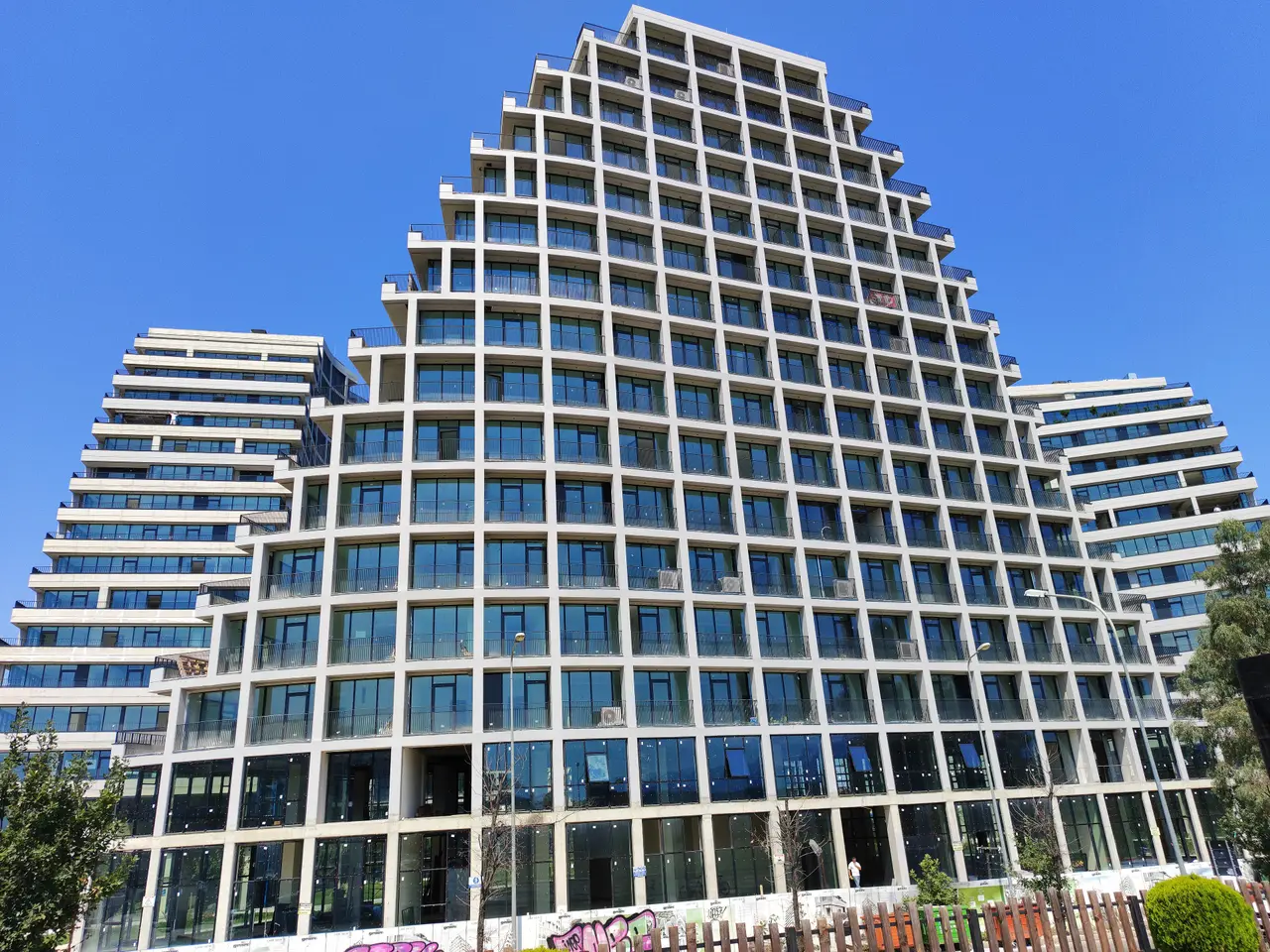
Law No. 111/2018 defines the cadastre as the public register of immovable property and sets how the State Cadastre Agency (ASHK) issues certificates, extracts and maps. Ownership that isn’t recorded there is the gap where Albanian property horror stories start.
Before you pay anything beyond a short refundable hold, your notary should pull the current ownership certificate (kartela) and check the restrictions section for mortgages, easements or pending disputes. Many older rural houses were never fully registered; some coastal builds sit on land the seller doesn’t legally own as a package. If the certificate doesn’t match the seller’s story, you don’t have a deal - you have a negotiation with the state to fix someone else’s paperwork.
Digital access is improving through e-Albania, but in 2026 you’ll still want a local notary who queries ASHK directly rather than trusting a PDF from the agent’s WhatsApp.
The purchase process step by step
The mechanics are standard Balkan-notary, not Anglo-Saxon conveyancing:
- Due diligence: notary requests cadastre data on the parcel; you verify identity of sellers, co-owners and any spouse consent rules.
- Preliminary agreement (optional): common for off-plan or distant buyers; keep deposits small and tie release to cadastre clearance.
- Sale contract before a licensed notary: both parties sign the notarial sale contract. The notary checks legal capacity and typically holds purchase funds in a transit account until registration completes - don’t bypass this with cash under the table. Many buyers fund that transfer from an Albanian IBAN; opening a bank account in Albania covers what foreign passport holders usually need before closing day.
- Tax settlement: seller-side transfer taxes are calculated and paid before cadastre registration (see below).
- Cadastre registration: notary submits the contract to ASHK; a new ownership certificate is issued in the buyer’s name, often downloadable via e-Albania once entry is done.
The cadastre step itself is fast on paper: Law No. 111/2018 gives ASHK 15 days to process a properly filed registration request, capped at 21 calendar days in any case (Article 29). Add the notary’s own checks and the fund release from the transit account, and end to end is realistically a few weeks, not a same-week handover - agents’ vaguer estimates pad those extra steps, not the registration itself.
Taxes and fees, and who the law puts them on
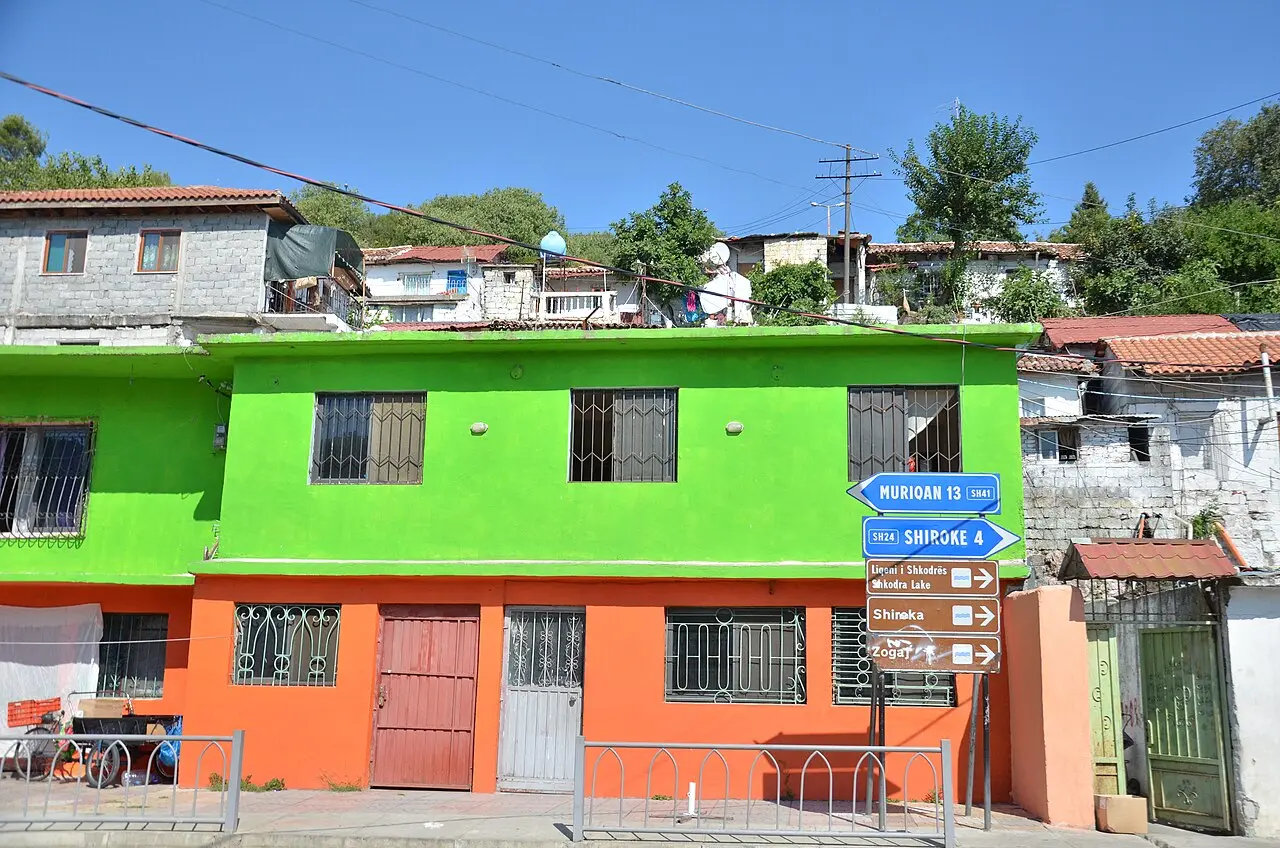
Nearly every closing-table tax in Albania falls on the seller, not the buyer. Law No. 9632/2006 (Article 28) puts the tax on transfer of ownership on “the person who transfers the ownership right,” paid before cadastre registration: for a building it’s lek per square metre, set by the municipality; for land sold alone, an indicative 2% of the sale value. Shkodra’s published rates show the range in practice - 300 ALL/m² for housing, 700 for trade and services, 500 for other buildings - and nationally these municipal levies run roughly ALL 100-2,000/m²; transfers are VAT-exempt either way.
The seller also owes 15% personal income tax on the capital gain (sale price minus documented purchase price) under Law No. 29/2023, per PwC’s Albania tax summary; the cadastre won’t register until it’s paid. Worth knowing even as a buyer: the taxable price is whichever is higher - your contract price or an official reference price per square metre the Council of Ministers sets by cadastral zone - so under-declaring on paper doesn’t shrink either tax.
Your own costs at the desk are narrower: notary fees (a professional tariff, often negotiated), translation or agency costs if you use them, and cadastre registration charges. None of these is published as one national figure - get a written estimate from the notary when you open the file, not from a foreign blog table.
Ongoing ownership is calmer to plan for: the annual property tax on buildings is 0.05% of assessed value a year for housing, 0.2% for commercial use, under Law No. 9632/2006 (Article 22/2). The municipality can move the actual bill within that statutory frame, so confirm the current figure with the municipality and the notary at signing.
Property ownership and residence - not automatic, but linked
Buying a flat does not hand you a passport or a work permit by itself. It can, however, support a residence permit for use of owned immovable property under Article 84 of Law No. 79/2021 “On Foreigners” (English translation on mb.gov.al; Article 84 is untouched by the June 2025 amendment that reworked the neighbouring pensioner-permit article, verified against the current consolidated text on asp.gov.al).
The statute says:
- You must prove ownership compliant with Albanian law and keep owning the property for the permit’s life.
- The border authority issues a permit for up to one year, renewable annually if criteria still hold.
- You may qualify as co-owner of one-half of the property - sole title isn’t required.
The law sets no minimum purchase price, and it hands the procedures to a Council of Ministers decision - No. 858/2021 - rather than spelling them out itself. That’s a different animal from golden-visa thresholds elsewhere: a modest apartment and a luxury villa sit in the same statutory bucket. VKM 858/2021 lists exactly three things the file needs: a notarised ownership certificate, proof of sufficient financial resources, and a signed declaration of your motive for staying in Albania. No square-metre or habitable-area threshold appears in either document - if an agent quotes you a size rule, ask which article it’s in.
Remote workers who need to work from Albania, not just live, usually still need the Unique Permit track in our Albania digital nomad visa guide - property residence and nomad permits answer different questions. See the cost of living in Albania breakdown for monthly carry costs.
Entry timing matters too: a year-long tourist stay for Americans doesn’t replace a permit, and EU visitors still face 90-in-180 limits unless they upgrade status. Start from our Albania visa and entry rules so the border piece matches the property piece.
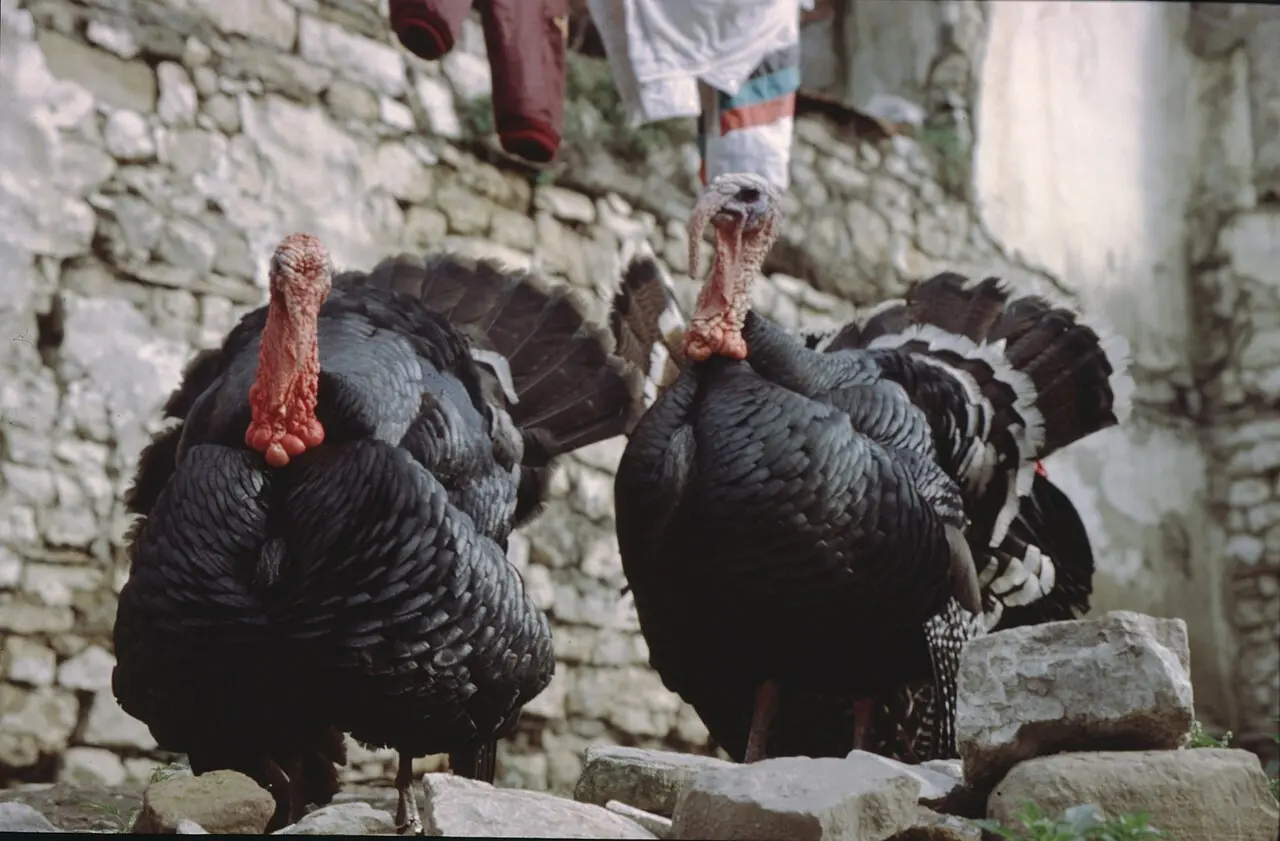
Tirana, the coast and smaller towns
Tirana has the deepest agent market and the widest choice of new builds, with land bundled into the unit title. It’s where most buyers start, and agents report real competition from the Albanian diaspora and Italian cross-border buyers. A general listings site like merrjep.al plus a licensed local agency is the standard starting point; see where to stay in Tirana for how the neighbourhoods differ.
The south coast (Saranda, Vlora, the Riviera) sells lifestyle and summer rental income, but it’s also furthest from the capital: Saranda is about 265 km, four to five hours, from Tirana; Vlora roughly 150-157 km, two and a half to three hours. That matters if you’d rather check on a rental yourself than manage it long-distance - off-season emptiness and winter infrastructure add to the maths too. More on each: Saranda, Vlora.
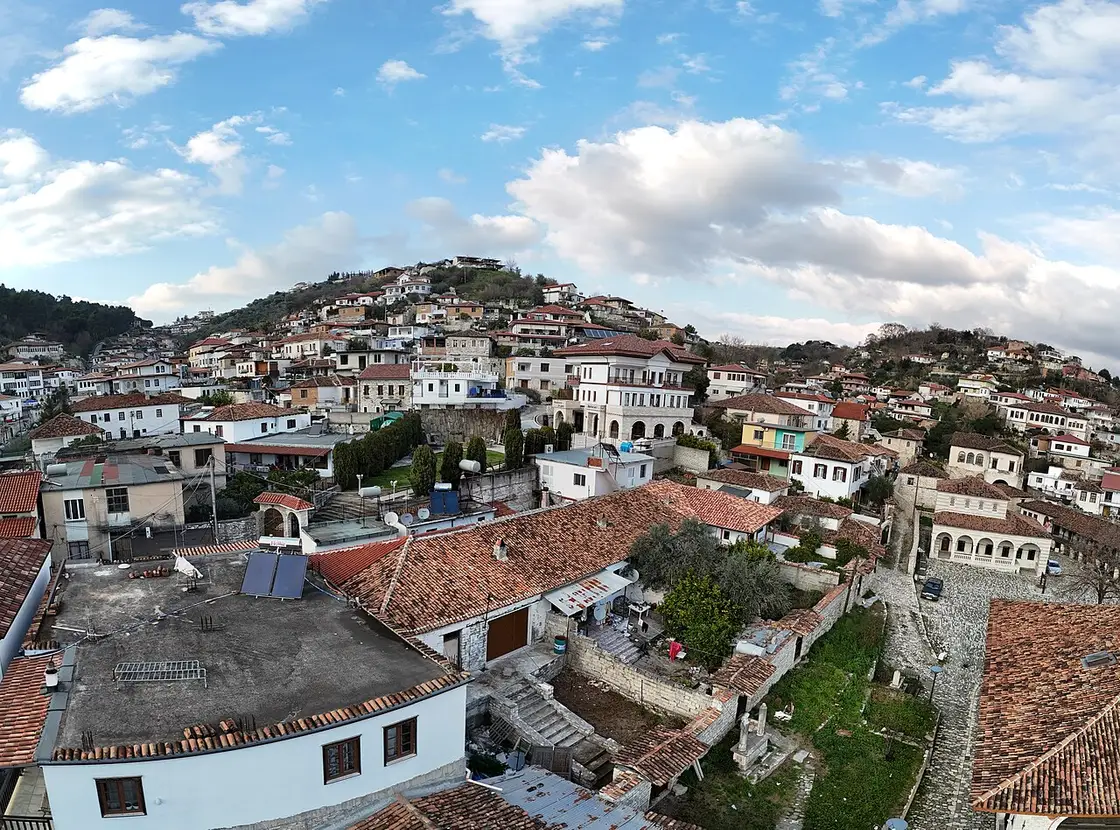
Berat, Shkodra and Korçë sit closer in - 90-100 km, 100 km and 160 km from Tirana, all under three hours - with lower entry prices and slower, thinner markets: fine if you’ll actually live there, less liquid if you need out fast. More: Berat, Shkodra, Korçë.
None of that is a legal variable; it’s liquidity and lifestyle. Pair any purchase budget with our monthly cost of living bands so you know what carrying a flat you own actually costs once the notary’s invoice is paid.
Risk checklist before you sign
These are the failures we see most often in buyer forums and legal write-ups, mapped to what official sources actually warn about:
| Risk | Why it bites | What to do |
|---|---|---|
| No cadastre title | Sale cannot be registered; you may pay for a building the state doesn’t recognise as yours | Stop until ASHK certificate matches seller ID |
| House without land | Seller owns structure but not the plot beneath | Notary must show both rights or you buy a lawsuit |
| Illegal or partial build | Extra floors, enclosed terraces without permit | Ask for construction permits and legalization status |
| Agricultural land dream | Foreign individuals cannot own the field | SHPK company or 99-year lease instead |
| Off-plan without escrow | Developer delay or collapse | Use notary transit account; don’t fund personal accounts |
| Residence assumptions | Purchase ≠ work rights; no minimum size in the law or in VKM 858/2021 | Confirm current criteria on e-albania.al before you immigrate via property |
EU accession and land - context, not current law
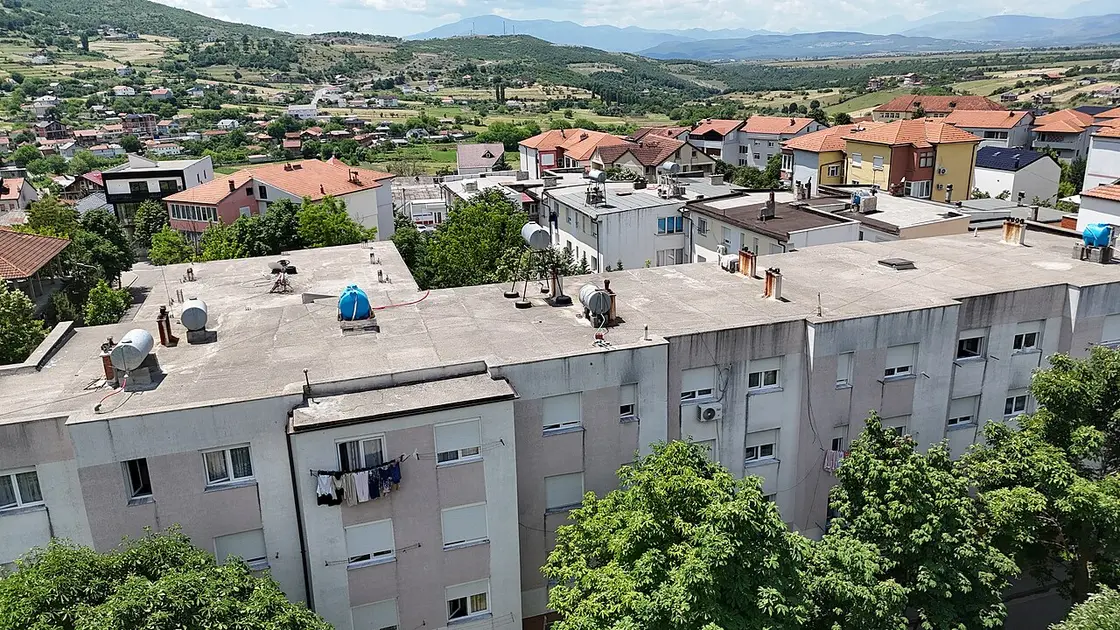
In June 2026 Albania’s Prime Minister, quoted by the Albanian Telegraphic Agency, described a proposed draft law on foreign ownership of agricultural land that would apply seven years after Albania joins the EU, as part of the accession process - reciprocal market opening, not a present-day retail rule. Albanian outlets reporting the Ministry of Agriculture’s draft in May-June 2026 describe something narrower than the headline: a cap of 2 hectares per municipality and 30 hectares nationally, open only to foreign buyers with at least three years of documented farming activity in Albania, relevant agricultural education or experience, and a purchase made through a registered Albanian company, not a walk-up retail sale. Treat anything you read about “Albania selling land to foreigners” as draft politics until it’s published in the Official Gazette and you’re reading the text, not a headline.
Buy, rent, or hold off?
Buy if you’ve spent real time in the neighbourhood, you’ve read the cadastre certificate with a notary you chose (not the seller’s cousin), and you’re buying finished residential stock with a clear title - especially if property-linked residence under Article 84 fits your plan and you’ve confirmed the implementing criteria.
Rent if you’re still testing Tirana versus the coast, if the only listings you like are unregistered rural stone houses, or if you need flexible remote-work status through the Unique Permit rather than tying yourself to one asset.
Hold off if the seller pressures you to skip notary escrow, if the price assumes a residence permit you haven’t applied for yet, or if the land category is agricultural and nobody has spelled out the SHPK or lease structure in writing.
Albania’s buyer market is genuinely open for apartments and houses by international standards, and the absence of a statutory minimum price for property-based residence is a real differentiator. The discipline is boring: cadastre first, notary escrow, seller pays the 15% gain tax before your name hits the register, and you verify immigration criteria separately from the estate agent’s pitch. Do that and you’re aligned with how the state actually expects the deal to run.
Read also

Relocation · 12 min read
Working in Albania: Work Permit, Tax & Take-Home Pay
Verified · October 13, 2026A job with an Albanian employer needs its own permit, not the nomad one. Who skips the AKPA review, which clock to trust, and what 100,000 lek gross nets.

Relocation · 14 min read
Moving to Albania: The Complete Relocation Checklist
Verified · October 9, 2026Moving to Albania in 2026, in order: choose the permit, apostille your papers, file early, then register your address within 30 days. Pets, car, shipping.

Relocation · 12 min read
Retiring in Albania: Permit, Tax, Health & Where to Settle
Verified · October 6, 2026Retiring in Albania in 2026: the pensioner permit, the ALL 1.2m pension figure moved in 2025, the 183-day tax line, health cover and where to live.

Relocation · 15 min read
Healthcare in Albania for Expats & Nomads
Verified · September 12, 2026How Albania public health insurance works for employees, freelancers and nomads - FSDKSH rates, health cards, EHIC limits and private care.