
Albania Without a Car: One-Week Itinerary by Bus
A 7-day Albania itinerary by bus: Tirana, Berat, Vlore, Saranda, Ksamil and Gjirokaster - real fares, terminals and what you skip without a rental car.
Albania without a car for a week is entirely doable, it just runs on a different clock. Buses and furgons connect every stop on this route, real fares run from 400 lek for a short hop to about 1,600 lek for the long haul back up to Tirana, and skipping the rental sidesteps the insurance excess and deposit games that catch out first-time renters here. What you trade is flexibility: fewer spontaneous stops, two long travel days, and a slower path to places a car reaches with one pull-over, like the quiet coves between Himara and Dhermi or the viewpoints on the Llogara Pass.
Why do this trip by bus
Renting a car in Albania isn’t expensive by European standards, but the insurance excess is where the real cost hides - our guide to renting a car in Albania covers the traps. Skip the car and a week of buses, furgons and the odd local ride costs a fraction of that (the fares table below adds it up to roughly EUR 45-50 for the whole week), paid in cash as you go, with no deposit hold and no argument about a scratch at drop-off.
The trade-off is pace. Albania’s bus network has no central timetable and no single national operator: dozens of small companies run the routes, and departures thin out after mid-afternoon. That’s manageable if you build slack into the week; it isn’t if you’re trying to cover six towns in seven days. This route picks five bases, not ten, and gives Saranda three nights so the two best day trips don’t have to be rushed.
Day 1: land in Tirana
Fly in and don’t plan anything for the evening beyond finding your bed and a plate of something. The Tirana airport transfers guide covers the bus and taxi options into the centre - with no rental car to arrange, that’s the only transport decision you make until day three. Once you’re checked in, Skanderbeg Square and the streets around Blloku are an easy walk from most central hotels. Save the sightseeing for tomorrow.
Day 2: Tirana on foot
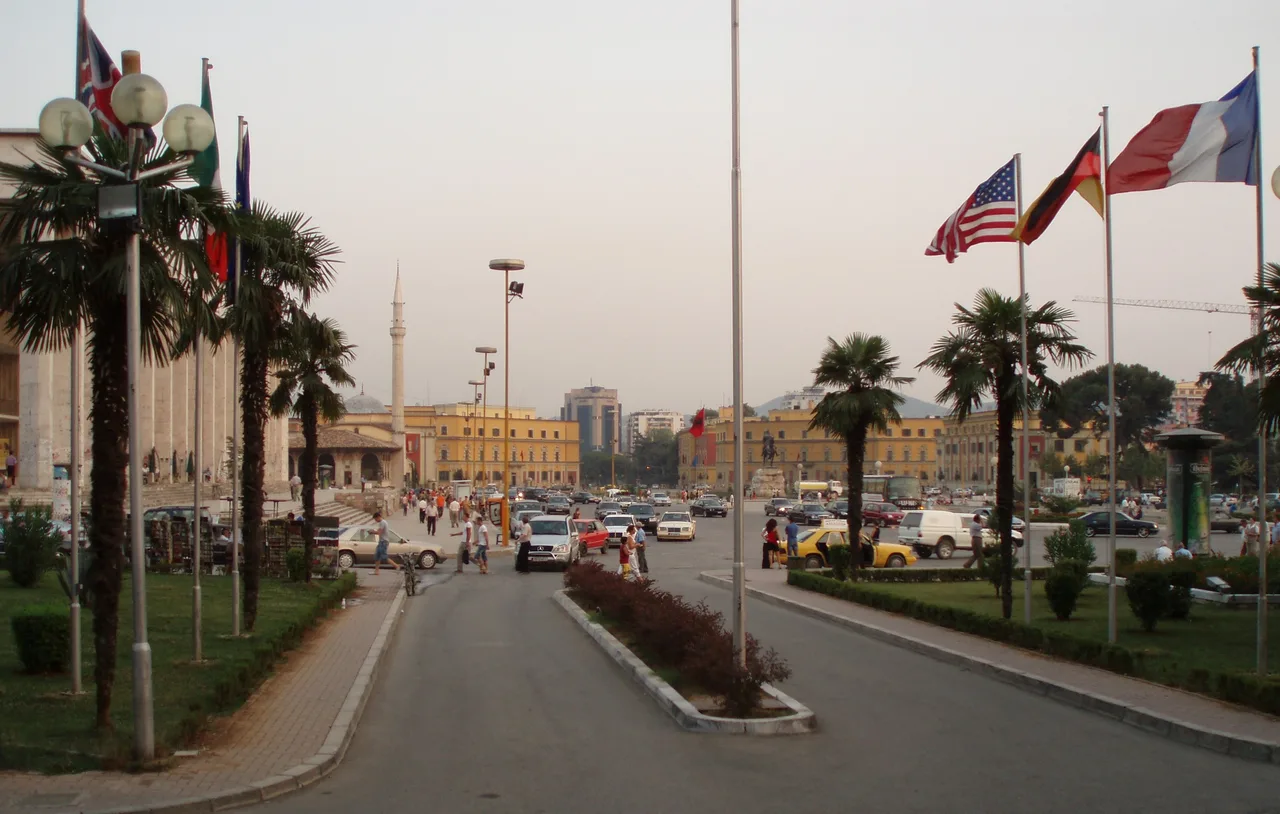
A full day in the capital before the bus legs start, and skipping the rental desk means you start the day instead of losing the morning to paperwork and a parking hunt. Skanderbeg Square, the reopened Pyramid of Tirana, the painted blocks of Blloku and the Dajti Ekspres cable car cover the essentials; the best things to do in Tirana guide has the rest.
This is also the day to stock up on cash, and it matters more without a car as backup. ATMs get scarcer out of the bigger towns, and guesthouses, furgon drivers and ticket windows all want lek, not euros or a card - a self-driver can detour to find a machine, a bus traveller can’t.
Day 3: the bus to Berat
Buses to Berat leave from the Regional Bus Terminal in Kamez, northwest of the centre, not from anywhere near Skanderbeg Square, which catches a lot of first-timers out. Budget a taxi of roughly EUR 12-15 to reach it, or a local bus toward Kamez to save the money.
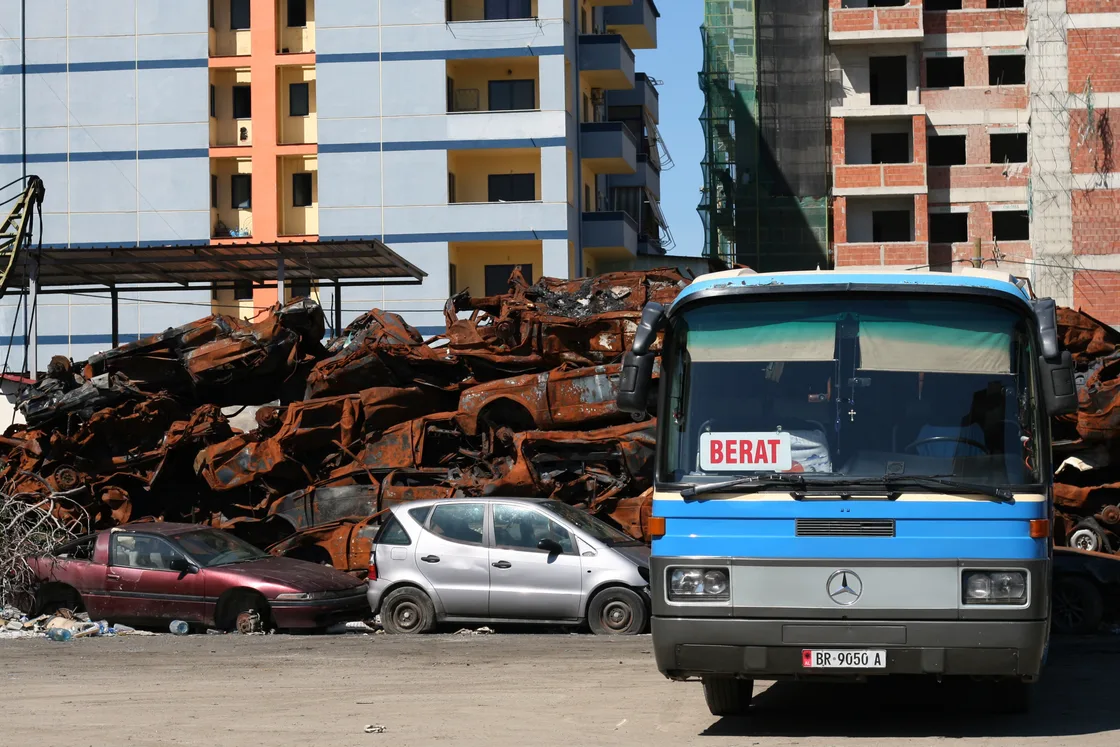
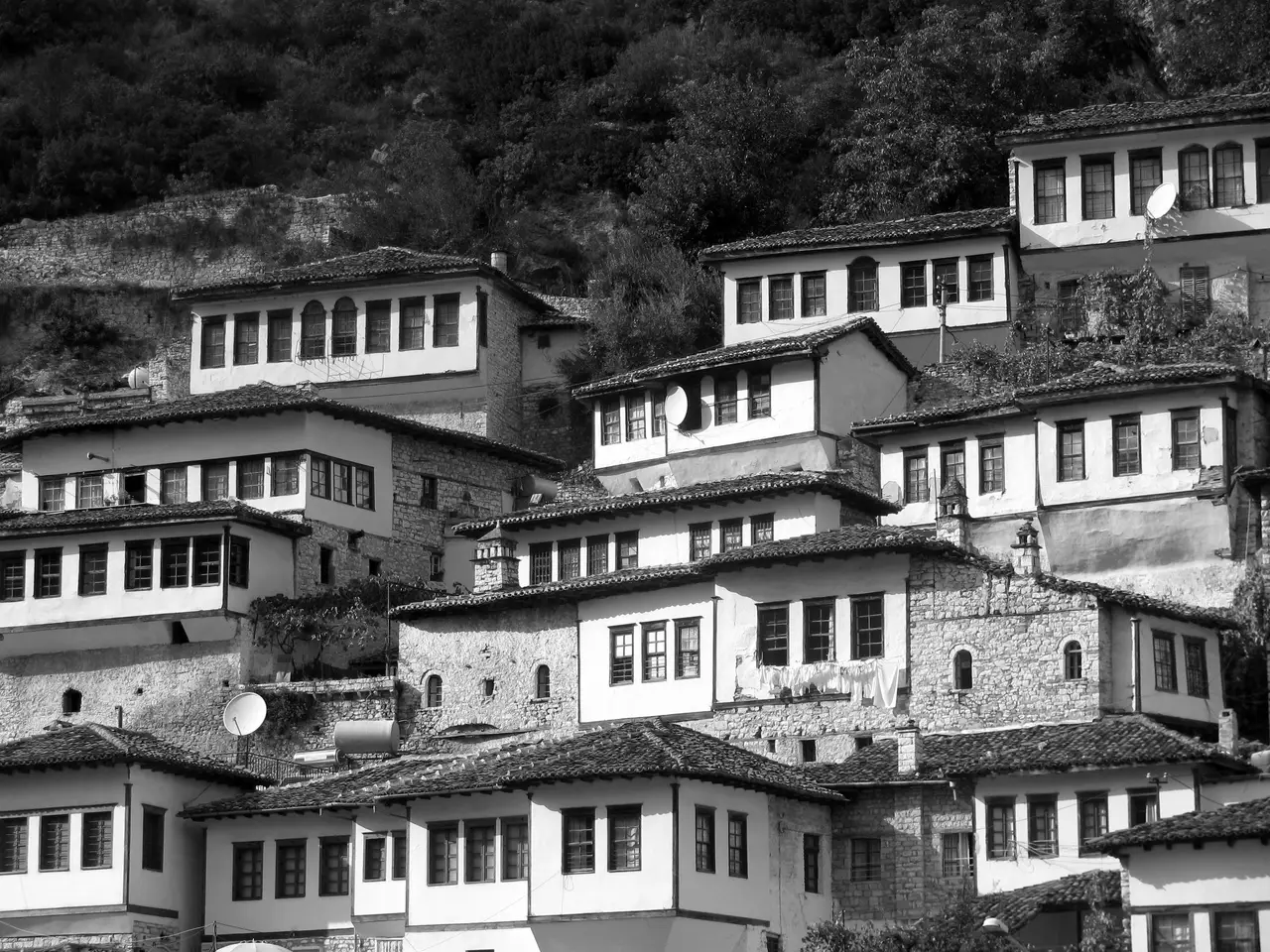
The ride covers about 89 km in a little over two hours, and a ticket runs 400 to 500 lek in cash, roughly EUR 4-5, or about EUR 7 booked ahead through GjirafaTravel’s online e-ticket. Twenty departures run daily, first at 06:10 and last at 17:00, so there’s no need to book weeks out even in summer. You’ll land with the whole afternoon free for Berat’s Mangalem and Gorica quarters and the still-inhabited Kala castle above the Osum river - the Berat travel guide covers the sights in full. Sleep in the old town if you can; it’s quieter once the day-trippers from Tirana have gone home.
Day 4: Berat to Saranda via the coast
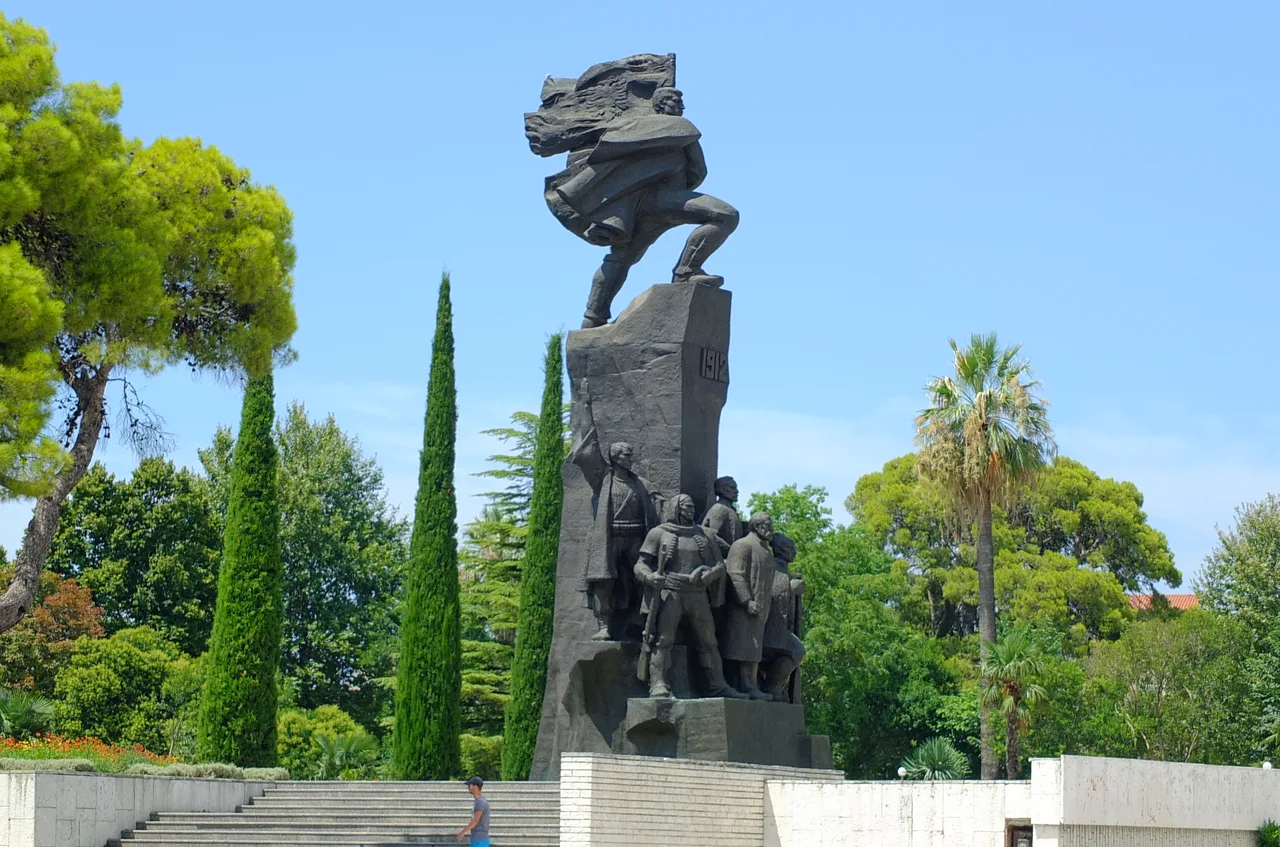
This is the longest day of the week, worth saying plainly rather than letting you find out at a bus terminal at two in the afternoon. From Berat’s bus terminal, a bus to Vlore covers roughly 100 km in about two hours for around EUR 6 (GjirafaTravel sells this leg too - seven departures a day, 06:30 to 14:00). Vlore itself is worth a couple of hours if your connection allows: the Independence Monument at Sheshi i Flamurit marks where Ismail Qemali declared Albania’s independence in 1912, and the seafront promenade nearby is a good place to eat between buses.
From Vlore’s bus station on Rruga Sadik Zotaj, the run down to Saranda usually follows the best-looking stretch of the whole week: roughly 115 km and about three hours on the coastal SH8 over the Llogara Pass, then down through Himara and Dhermi. Not every departure takes that road, though - GjirafaTravel lists the leg at 158 km, which is the inland shortcut a few earlier buses take instead, so ask for a mid-morning or early-afternoon departure if the coast is the point. Fares run 1,100 to 1,500 lek (Boraku, Transbus Saranda and Saranda Transport all run it), and departures cluster from around 07:00 into the early afternoon, so don’t leave Berat too late. You should land in Saranda by early evening with three nights booked and nowhere to be until morning. Our Vlora to Saranda bus guide has the full breakdown of this leg both ways, including the operator-by-operator terminals and the furgon-hopping alternative.
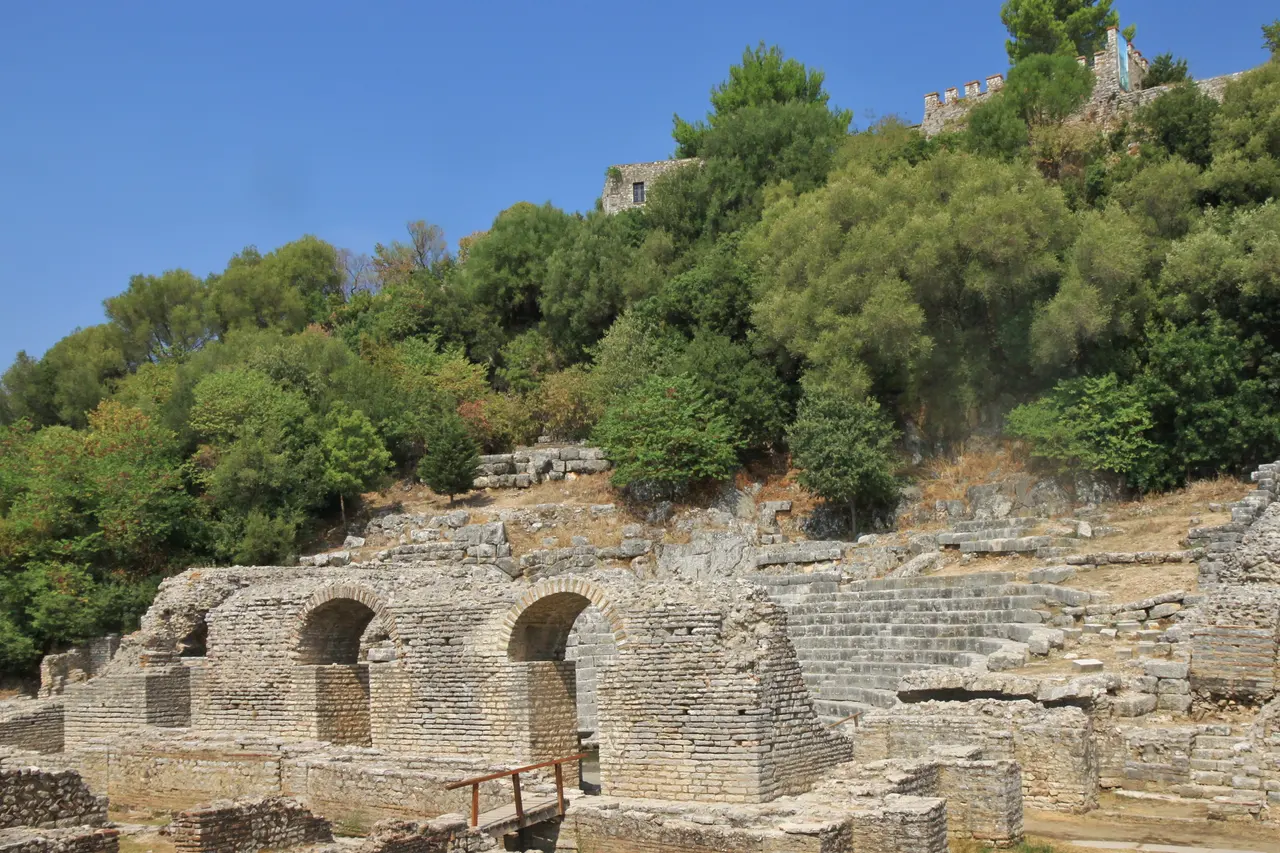
Day 5: Ksamil and Butrint without a car
Saranda is, hands down, the best base in Albania for day trips without a car, and this is the day that proves it. The local bus toward Ksamil and Butrint runs every 20 to 30 minutes in summer, roughly hourly otherwise, from about 07:30 - it’s the same bus for both: get off at Ksamil first while the beaches are quiet, about 17 km out, then flag the next one on to Butrint. Fares run 100 to 200 lek to Ksamil, 150 to 250 lek on to Butrint, so keep small notes handy, plus 1,000 lek for the Butrint entry ticket. Our day trips from Saranda guide has what’s actually at each stop.
Day 6: the Blue Eye and Gjirokaster
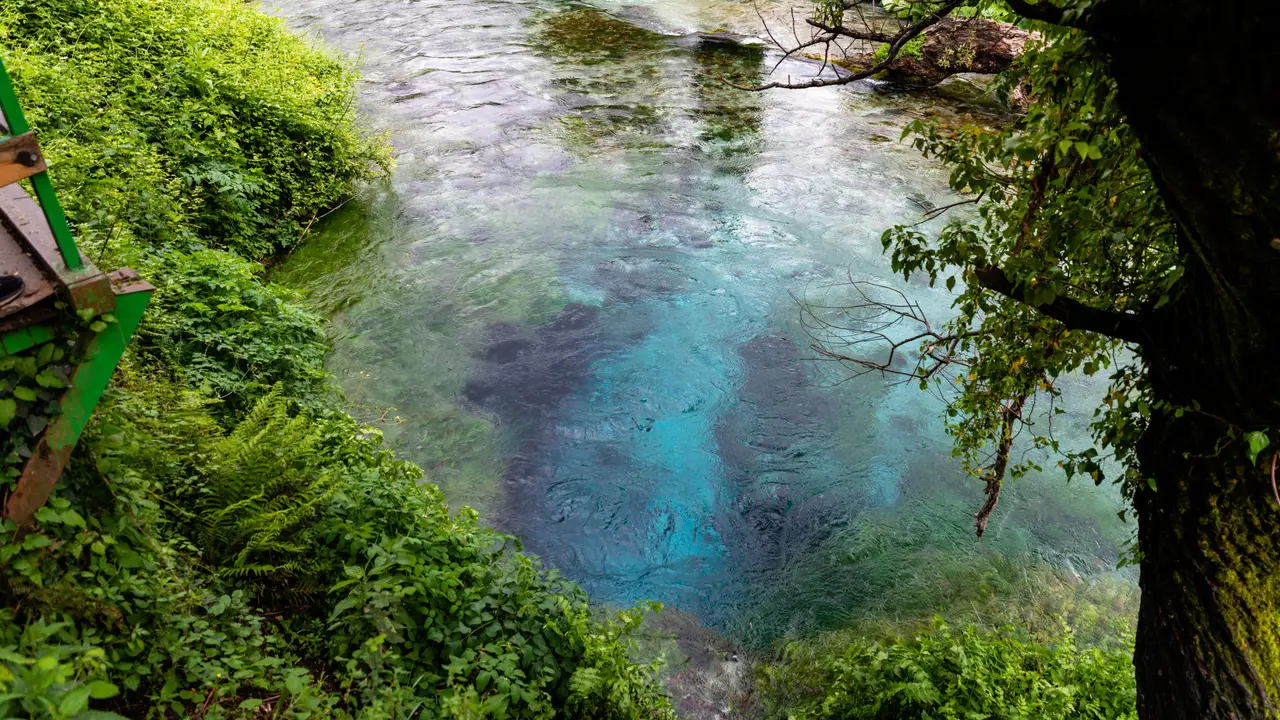
Your second and more ambitious day trip pairs the Blue Eye spring with the UNESCO stone city of Gjirokaster, both on the same inland road. Flag down any Gjirokaster-bound bus and tell the driver “Syri i Kaltër” - about 300 lek gets you dropped on the main road, not at the spring itself. From there it’s a 2 km, 20-minute walk in along a track (or about EUR 5 for a shuttle if you’d rather not do it twice), plus a 50 lek entry fee. Add it up and this isn’t the twenty-minute photo stop it looks on a map: budget at least ninety minutes for the walk in, out and any wait onward. Swimming is banned and rangers enforce it, so the reward is the view, not a dip.
Back on the road, the same corridor continues to Gjirokaster, about 400 lek and an hour and twenty, minibuses departing from Rruga Flamurit near the synagogue ruins - or book a fixed GjirafaTravel departure for around EUR 6, though that service won’t stop at the Blue Eye for you. Give the stone city as much of the day as you can spare; our Gjirokaster guide has the castle, the bazaar and the rest. This route already spent a night in Berat earlier in the week - the Berat vs Gjirokaster comparison lays out how the two UNESCO towns differ if you’re planning a shorter trip with time for only one. If chaining two informal minibus stops sounds like more coordination than you want on your last full day south, organised day trips bundle the Blue Eye and Gjirokaster with a guide, usually around EUR 40 a head.
Day 7: the bus back to Tirana
One more long travel day closes the loop, but it doesn’t retrace the week: the direct Saranda-Tirana bus skips Vlore and the coast entirely, running inland through Gjirokaster and Tepelene on the faster highway instead - roughly 261 km, about four hours twenty, for around EUR 17 (roughly 1,580 lek). Nine buses a day cover it, 05:00 to 22:00, so there’s no need to lock in an early departure after six days of buses. If you’re doing the corridor the other way at the start of a trip, Tirana to Gjirokaster has the northbound capital-to-stone-city detail. It’s a day of road rather than sightseeing, so book your flight home for the evening, or add a Tirana night if you can. If four-plus hours on a coach sounds hard to end a trip on, this is the one leg where a private transfer earns its price: you pick the time and skip waiting for the bus to fill.
Fares and terminals at a glance
| Leg | Distance | Time | Fare |
|---|---|---|---|
| Tirana -> Berat | ~89 km | ~2-2.5 h | 400-500 lek cash / ~7 EUR online |
| Berat -> Vlore | ~100 km | ~2 h | ~560 lek (~6 EUR) |
| Vlore -> Saranda | ~115 km coastal (158 km inland) | ~3 h | 1,100-1,500 lek |
| Saranda -> Ksamil | ~17 km | ~25-30 min | 100-200 lek |
| Saranda -> Butrint | ~20 km | ~30 min | 150-250 lek |
| Saranda -> Blue Eye | ~22 km | ~30-40 min | ~300 lek + 50 lek entry |
| Saranda -> Gjirokaster | ~51 km | ~1 h | ~400 lek (or ~560 lek booked ahead) |
| Saranda -> Tirana | ~261 km | ~4 h 20 | ~1,580 lek (~17 EUR) |
Add every fare together and the week of intercity buses and day-trip hops comes to roughly 4,540-5,340 lek per person, about EUR 48-57 in total - for the whole week, not per day, and before the 1,000 lek Butrint entry if you take it. These are 2026 planning ranges, not fixed tariffs: Albanian bus and furgon prices move with season and driver, and no single authority publishes them, so pay in lek and treat the higher end as your budget. For the country-wide picture, including furgons, ferries and why Uber and Bolt don’t operate here, see how to get around Albania.
What you give up without a car
Be honest about the trade-offs before committing to a bus-only week. Those coves and the Llogara viewpoints are built for a car that can pull over anywhere; a bus, coastal route or not, doesn’t stop for a photo. Porto Palermo is a partial exception: the local Saranda-Himara bus will drop you at the castle’s turn-off, about a kilometre on foot down to the bay - it isn’t off-limits without a car, it’s just not on this itinerary, which doesn’t route a day north toward Himara. Theth and the Albanian Alps are properly off this trip; reaching them without a car means a separate multi-day detour through Shkoder. And the two long travel days, Berat to Saranda and Saranda back to Tirana, are still where a bus loses the most time against a direct drive - worth it for the savings, but worth knowing before you commit.
What you gain in return is real money saved and zero car-related stress: no insurance excess to argue about, no dent inspection at drop-off, no second-guessing the Llogara switchbacks in the dark.
Practical tips for doing Albania by bus
- Carry cash in lek. Every fare on this route is paid to the driver or a conductor; cards don’t work on intercity buses or furgons anywhere in Albania.
- Confirm departure times the evening before. GjirafaTravel’s site has fixed schedules for the legs it sells (Tirana-Berat, Berat-Vlore, Saranda-Gjirokaster, Saranda-Tirana); the rest run a morning-to-early-afternoon pattern rather than a single published timetable, so ask your guesthouse or the terminal staff.
- Don’t plan anything for the afternoon of a travel day. Days 4 and 7 can run long if a bus waits to fill or traffic backs up near Tirana.
- Pack light enough to carry yourself. Furgons fit about as much luggage as a car boot, and you’ll be walking with your bags between terminals more often than on a self-drive trip.
- Learn the word “Ndal.” It’s how you tell a furgon driver to stop; call it out a little before your actual stop, not right on top of it.
Read also
- Prefer a car for similar ground? The Albania road trip itinerary and the 7-day itinerary cover overlapping territory self-drive.
- The full national transport picture: how to get around Albania.
- Basing longer in the south: day trips from Saranda and the Saranda travel guide.
- Deciding if Saranda earns the three nights: is Saranda worth visiting.
- Renting after all? How to rent a car in Albania covers the insurance traps this itinerary skips.
Route day by day
- Days on the road
- 7
- Distance
- ≈720 km
- Budget from
- 45 EUR
- Best season
- May, June, September, October
The route at a glance
-
Tirana
Route startstop ≈2880 min
Two nights to land, get your bearings and see the capital on foot before the bus legs start. No car to collect, so no rush.
Photo: Brams / Wikimedia Commons, Public domain ( source) -
Berat
89 km from the startstop ≈1440 min
A little over two hours by bus from the Regional Bus Terminal, 400 to 500 lek cash or about EUR 7 booked online. One night in the "city of a thousand windows".
Photo: kevincure / Wikimedia Commons, CC BY 2.0 ( source) -
Vlore
189 km from the startstop ≈120 min
A lunch stop between buses, roughly 100 km and about two hours from Berat for around EUR 6. The Independence Monument and the seafront, then onward the same afternoon.
Photo: Constantine H. / Wikimedia Commons, CC BY 2.0 ( source) -
Saranda
314 km from the startstop ≈4320 min
The coastal run from Vlore is roughly 115 km and about three hours on the SH8 over the Llogara Pass, then down through Himara and Dhermi, 1,100 to 1,500 lek. GjirafaTravel lists this leg at 158 km, which is the inland shortcut some earlier departures take instead. Three nights here as a base for the far south.
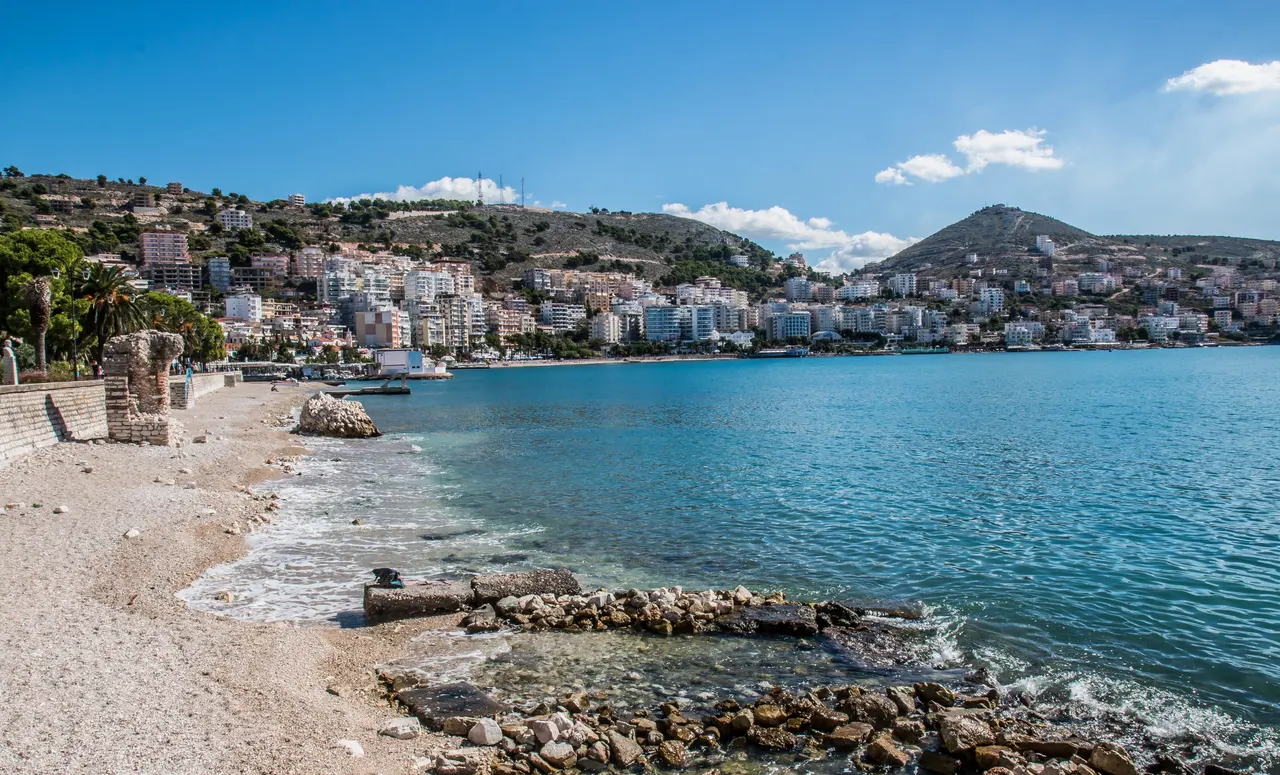
Photo: Gary Bembridge / Wikimedia Commons, CC BY 2.0 ( source) -
Ksamil & Butrint
334 km from the startstop ≈420 min
A day trip on the local bus, 17 to 20 km from Saranda, 100 to 250 lek depending on the stop. Islet beaches in the morning, Roman ruins after lunch.
Photo: Marcin Konsek / Wikimedia Commons, CC BY-SA 4.0 ( source) -
Blue Eye & Gjirokaster
371 km from the startstop ≈480 min
Another day trip on a Gjirokaster-bound bus (about 400 lek, 1 h 20), with a longer-than-it-looks stop for the Blue Eye spring on the way: 300 lek, a 2 km walk each way, plus a 50 lek entry fee.
Photo: Christoph Strässler / Wikimedia Commons, CC BY-SA 2.0 ( source)
Route map
The map with stops loads on click - to keep the page lightweight.
The map didn’t load. Check your connection and refresh the page.