Is Albania Worth Visiting? Honest Verdict
Is Albania worth visiting? Yes, for beaches and mountains at half the price of Greece, if you can handle rough roads. Honest pros, cons and who it suits.
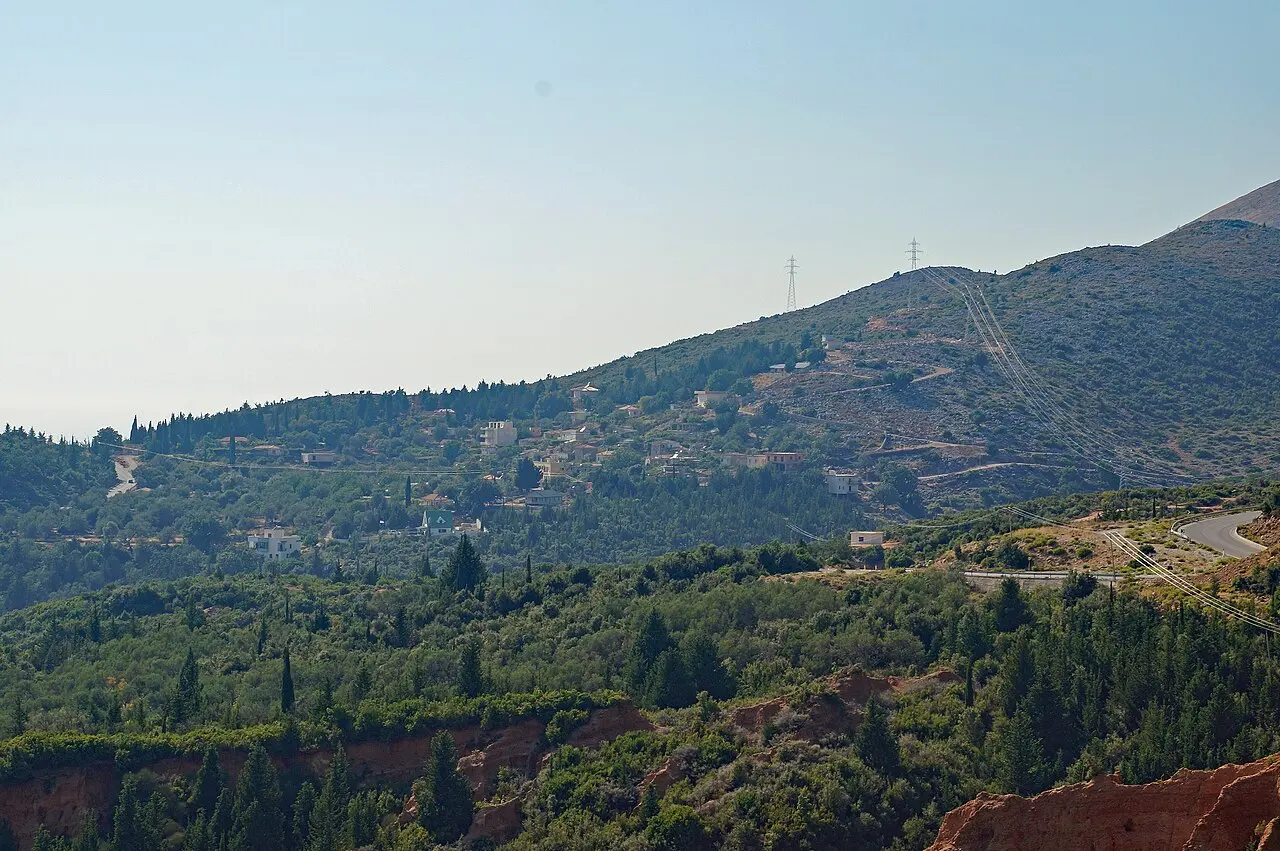
Yes, Albania is worth visiting, and for a specific kind of traveller it’s one of the best-value trips left in Europe: Ionian beaches the equal of Greece’s for roughly half the money, serious mountains for hikers, two Ottoman UNESCO towns and ancient Butrint, all with far thinner crowds than the Adriatic next door. The honest catch is that the infrastructure is still catching up to the scenery, so you trade a bit of polish for the price and the emptiness. If rough roads, confusing buses and bottled water would ruin your holiday, it may not be your country yet.
That’s the verdict up front. The rest of this page is the reasoning, because “worth it” depends entirely on what you want from a trip. Albania pulled in about 12.5 million foreign arrivals in 2025, up 7 percent on the year (INSTAT figures), so the secret is well and truly out, but it still feels a decade behind Croatia in how developed the coast is. Below are the real reasons to go, the things nobody puts in the brochure, and a plain read on who this suits and who should probably wait.
The short answer, by traveller type
Skip to your own case:
- Beach traveller on a budget: yes, strongly. The Riviera is the draw, and you’ll pay roughly 40 to 60 percent less than the Greek islands for similar water.
- Hiker or nature traveller: yes. The Accursed Mountains around Theth and Valbona are the headline, and they’re genuinely world-class.
- History and culture traveller: yes. Berat, Gjirokaster and Butrint give you three UNESCO-listed sites in a compact southern loop.
- Digital nomad or slow traveller: yes, and quietly one of the best fits, thanks to low costs and an unusually generous visa rule (more below).
- Luxury or fuss-free traveller: not yet. Large polished resorts are thin on the ground, signage is patchy, and a lot still runs on cash and improvisation.
- No-car, comfort-first traveller: think hard. Public transport works but it’s a puzzle, and the best spots reward having wheels.
If you landed on two or more “yes” lines, book it. If you’re mostly in the last two, read the cons carefully before you commit.
Why it’s worth it: the beaches and the price
The single biggest reason people come, and leave converted, is that the Albanian Riviera delivers Greek-island water at Balkan prices. The stretch from Vlora down to Saranda is a run of turquoise coves, pebble beaches and headland villages, and on a photo alone you often can’t tell Ksamil from a Greek island. What’s different is the bill. Travel-cost comparisons consistently land Albania at somewhere around 40 to 60 percent below Greece across accommodation, food and drinks, though these are ballpark bands rather than audited figures, so treat them as the right order of magnitude and check current rates for your dates.
The day-to-day numbers are where you feel it. A good coffee runs about a euro to a euro and a half, a proper sit-down meal ten to fifteen, a beer by the sea two or three, a sunbed and umbrella somewhere around five to fifteen euros a day on the Riviera. None of that is remarkable on its own, but stacked across a week it means the same money that buys three or four days on Corfu buys a full week next door. Our breakdown of whether Albania is expensive has the real 2026 costs, and if you’re weighing the coasts directly, Albania vs Greece and Albania vs Croatia do the head-to-head.
The mountains most people underrate
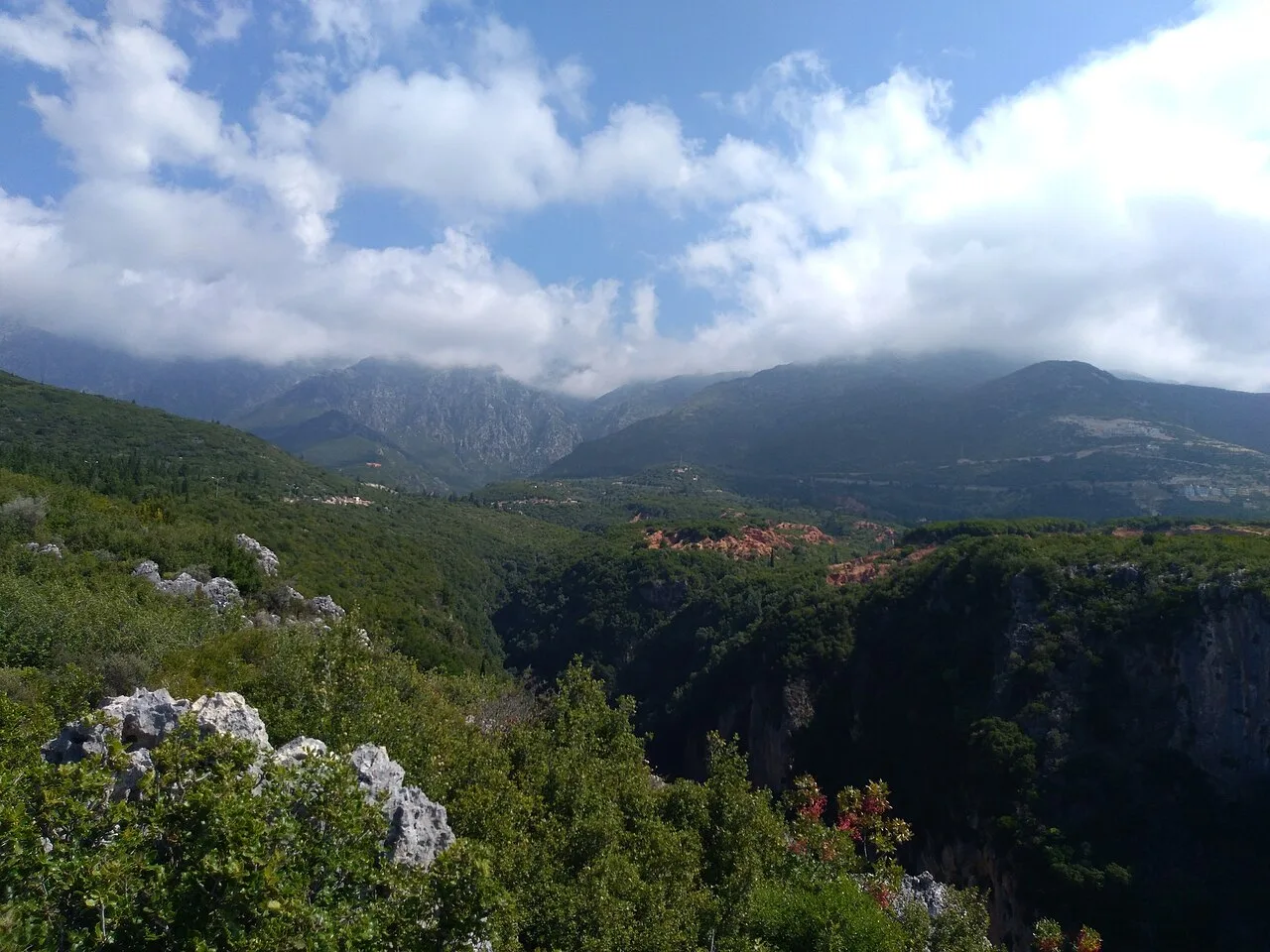
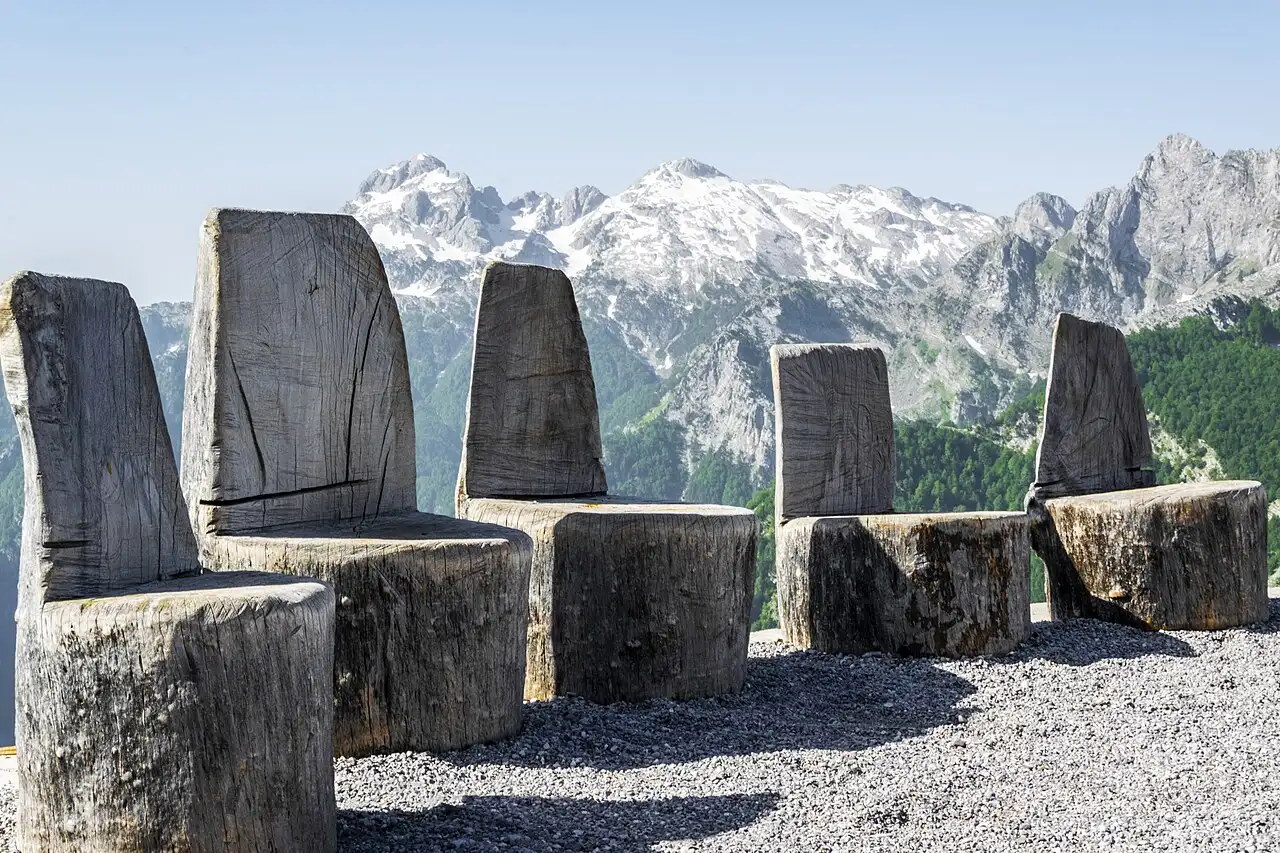
Albania sells itself on beaches, but the mountains are the part that surprises people, and for hikers they’re the real reason to come. The Accursed Mountains in the north, around the villages of Theth and Valbona, are a proper alpine landscape of grey limestone peaks, glacial valleys and stone-built villages, and the day hike between the two over the Valbona Pass is one of the best walks in the Balkans. Add the Blue Eye springs, the Osumi and Gjipe canyons, and the Llogara pass on the coast, and there’s far more terrain than a beach trip suggests.
This is also where the “raw” appeal is strongest. Theth still feels like a working mountain village rather than a resort, guesthouses are family-run, and outside the July to September window you can have trails largely to yourself. If your idea of a good holiday involves boots as much as swimwear, Albania punches well above what its reputation implies.
History you can walk through, and thinner crowds
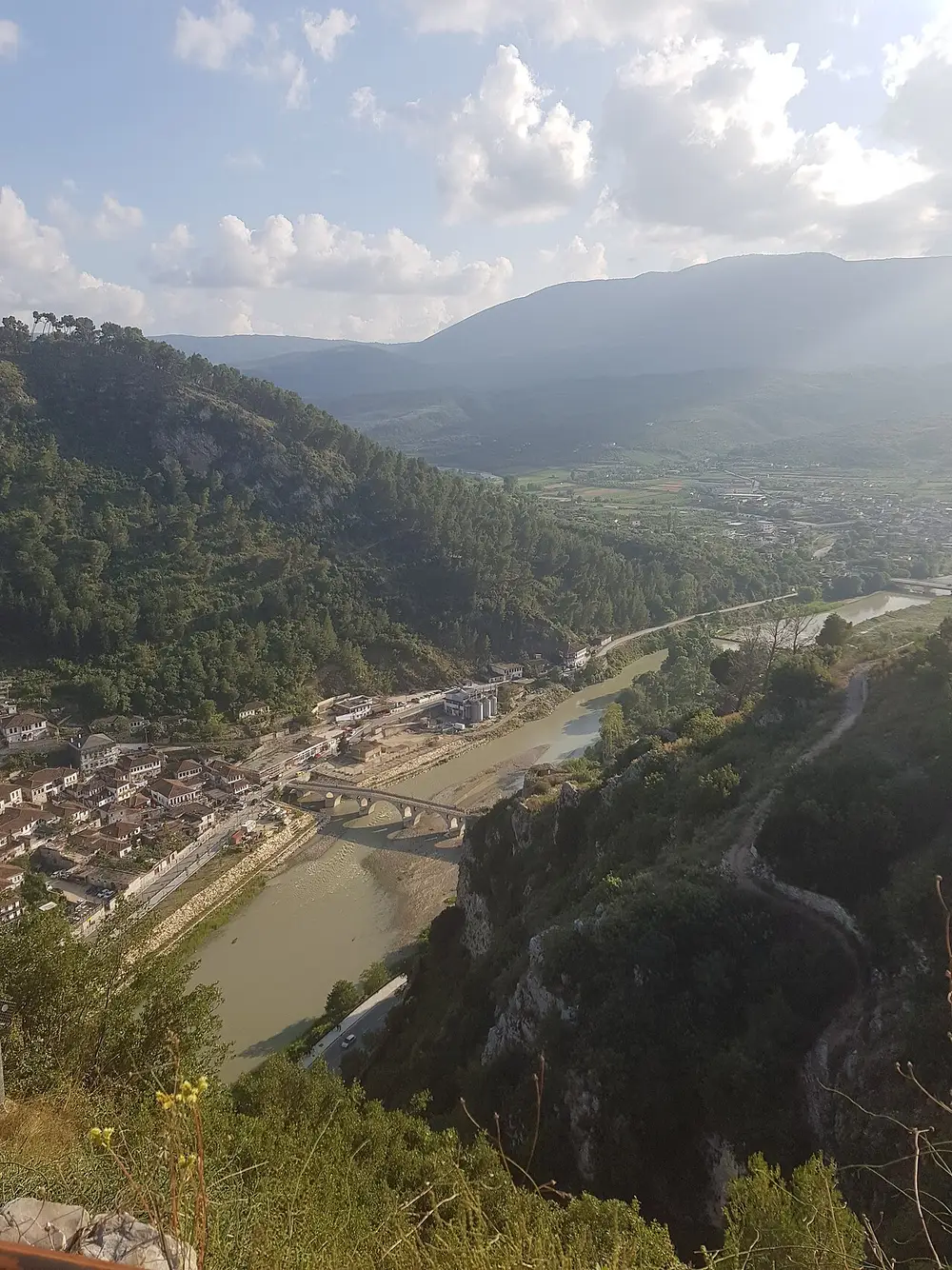
For culture, the south hands you three UNESCO sites in an easy loop. Berat, the “city of a thousand windows”, stacks white Ottoman houses up a hillside above the Osum river; Gjirokaster is a stone city of slate-roofed mansions and a hulking castle; and Butrint, near Saranda, layers Greek, Roman, Byzantine and Venetian ruins in a quiet lagoon-side park. Butrint was Albania’s first UNESCO inscription back in 1992, with Berat and Gjirokastra following as the “Historic Centres of Berat and Gjirokastra”. Our Berat and Gjirokaster guides cover both in full.
The crowd picture is genuinely different from the rest of the Med, and it’s worth being precise about it. Ksamil and central Saranda do get busy in peak July and August, no question. But step even slightly off that hotspot, midweek or in the shoulder months, and you get sites and beaches that in Greece or Croatia would be mobbed. A quiet observation from recent seasons: plenty of travellers stayed away in 2025 bracing for crowds that only ever really materialised in a couple of Riviera flashpoints, which left the rest of the country pleasantly under-visited. June and September are the sweet spot, with warm sea and a fraction of the peak-season press.
The honest cons: what you’re trading for the price
None of the above comes free, and pretending otherwise would be doing you a disservice. The infrastructure is the trade-off. Roads range from smooth new highway to rutted single track, sometimes on the same journey, and local driving is assertive, so if you rent a car, drive defensively and don’t plan tight schedules. Public transport works but it’s a genuine puzzle: there are no big central bus stations in most cities, furgons (shared minivans) leave when they fill rather than to a fixed timetable, and there’s no single national schedule to check. Our guide to getting around Albania untangles it, but budget extra patience.
A few more real ones, because they’re the difference between a smooth trip and a frustrating one. Tap water is not reliably drinkable, so stick to bottled. Cash still rules in a lot of places, especially smaller towns, guesthouses and furgons, so don’t count on cards everywhere. Tourism is maturing rather than mature, which means fewer large polished resorts, thinner signage and information, and a bit more improvisation than you’d get in Greece or Croatia. And the coast is developing fast, with construction and, in spots, litter you’ll notice. For a fuller safety read, including the water, see is Albania safe.
Two things nobody tells you
First, the smart way in for many travellers isn’t a flight to Tirana at all, it’s the back door via Corfu. Fly cheap to the Greek island, take the roughly 30-minute ferry across to Saranda, and you’ve reached the best of the southern Riviera for a fraction of what a direct trip costs, effectively Greek access at Albanian prices. It sidesteps the long drive south from Tirana entirely.
Second, and this one is quietly a big deal for anyone considering a longer stay: US citizens can stay in Albania for up to a year without a residence permit (per the US State Department; the Albanian ministry wants your passport valid for three months past your departure date). That is unusually generous, and it turns Albania from a one-week beach trip into a viable slow-travel or remote-work base, which is a decision factor almost nobody markets. Many other nationalities get the standard 90 days visa-free, others need a visa, but always confirm your own case on the official Albanian e-visa portal before you fly, as rules change.
So, is it worth it? The bottom line
Albania is worth visiting if you want Mediterranean beaches, real mountains and layered history at a price the rest of southern Europe can’t touch, and you’re relaxed about rougher edges. It rewards the flexible, curious, value-minded traveller, the hiker, the road-tripper and the slow traveller especially. It’s a weaker fit if you need seamless infrastructure, luxury at scale, everything bookable online, and no surprises, because that country is still a few years away.
Put bluntly: come now if the trade sounds fair to you, because the window of “cheap, empty and a little raw” is closing as the coast builds up and prices creep. If you’re sold, our guides on where to stay in Albania and the Albanian Riviera turn the verdict into an actual itinerary, and Albania vs Montenegro rounds out the neighbour comparisons if you’re still choosing a coast.
Photos
Read also

Before you go · 13 min read
Theth vs Valbona: Where to Base in the Albanian Alps
Updated · September 25, 2026Theth vs Valbona in 2026: which Alps valley to base in without the full crossing - access from Tirana, guesthouse costs and crowds compared.

Before you go · 8 min read
Where to Stay in Gjirokaster: Old Town Stone Hotels
Updated · September 3, 2026Where to stay in Gjirokaster: Old Town stone boutiques and guesthouses versus the flat new town - cobbles, parking and what each lodging type really costs.

Before you go · 11 min read
Berat vs Gjirokaster: Which Ottoman Town to Visit?
Updated · September 25, 2026Berat vs Gjirokaster in 2026: white-window Berat is closer from Tirana; stone Gjirokaster fits the south. Compare sights, travel times and who each suits.

Before you go · 11 min read
Where to Stay in Shkodra: Old Town, Lake or Alps Base
Updated · September 25, 2026Where to stay in Shkodra: the Old Town, quiet Zdrale, lakeside Shiroka, or a hiker hostel that runs its own transfer to Theth and the Koman ferry.